
Carmel, Indiana
Want to see how Carmel compares to other top cities in Indiana? Explore all city regulations in Indiana. →
Carmel, IN
Generally Investor Friendly
STR Regulations for Carmel, Indiana
Overview: Are Short-Term Rentals Allowed in Carmel, IN?
Yes, short-term rentals are explicitly allowed in Carmel, Indiana. Carmel operates under Indiana's House Bill 1035 framework, which prevents municipalities from banning short-term rentals while allowing for permit and insurance requirements. However, Carmel has implemented specific regulations that prospective hosts must navigate.
What do Airbnb hosts actually earn in Carmel?
Carmel hosts earn a median $45,532/year with $291 ADR and 56% occupancy.
Top performers pull in $58,699+ per year.
See the full Carmel market breakdownHow to Start a Short-Term Rental Business in Carmel, IN
Starting a short-term rental in Carmel requires a structured approach with multiple steps:
1. Primary Residence Requirement
- Critical Eligibility Factor: The property must be your primary residence
- You must be able to document that you live in the property for the majority of the year
- This requirement limits investment property STRs to owner-occupied units only
2. Special Exception Application Process
- Submit a "Special Exception Application" through the Board of Zoning Appeals
- This is a formal zoning approval process specific to Carmel
- Application must be completed before operating any STR
- The property must meet all zoning requirements for the specific district
3. Insurance Compliance
- Primary liability insurance required for third-party claims (death, bodily injury, property damage)
- Coverage must be maintained during all rental periods
- Standard homeowners policies typically insufficient; commercial STR insurance recommended
- Minimum coverage amounts should meet or exceed state requirements
4. Platform Registration
- Register with short-term rental platforms (Airbnb, Vrbo, etc.) using your approved permit information
- Maintain current insurance certificates on file
- Keep permit documentation accessible for platform verification
Required Documents, Permits, Licenses, and Guidelines
Essential Documentation:
- Special Exception Application (Board of Zoning Appeals)
- Property deed or lease agreement proving primary residence status
- Primary liability insurance certificate meeting state requirements
- Local business registration (if required)
- Property compliance certifications (zoning, safety standards)
Permit Requirements:
- Special Exception Permit through Board of Zoning Appeals (mandatory)
- Annual renewal may be required depending on city ordinance updates
- Permit transfers with property ownership when sold
Insurance Requirements:
- Primary liability coverage for third-party claims
- Minimum coverage as specified by Indiana HB 1035
- Additional coverage recommended for:
- Property damage to your home
- Guest-caused damage
- Business interruption
- Off-premise liability
Specific Regulations: City, County, and State Level
State Level (Indiana - House Bill 1035):
- Prevents municipalities from banning short-term rentals outright
- Allows permit requirements at municipal level
- Mandates primary liability insurance for all STR operations
- Permits revocation authority if owner receives 3+ ordinance violations within calendar year
- Insurance deadline: July 15, 2018 compliance requirement (ongoing)
City Level (Carmel):
- Primary residence requirement - STRs must be owner's principal dwelling
- Special Exception Application required through Board of Zoning Appeals
- Zoning compliance must be maintained
- No occupancy caps specifically for short-term rentals
- No registration fees currently imposed for STR permits
County Level (Hamilton County):
- No specific county-level STR regulations identified
- County building and safety codes still apply
- Property tax implications for STR operations apply at county assessment level
Key Distinction: Carmel Rental Registration Ordinance (2025)
Important Clarification: Carmel passed a rental registration ordinance in June 2025 (Ordinance No. D-2770-25) that requires permits for some rental properties with a 10% cap per subdivision. However, this ordinance explicitly EXCLUDES short-term rentals from permit requirements. This separate ordinance targets long-term rental properties and does not affect STR operations.
Contact Information for Local STR Authorities
Primary Contact:
Carmel Board of Zoning Appeals
- Website: City of Carmel Official Website
- Special Exception Applications: Submit through City Hall or online portal
Secondary Contacts:
Carmel Department of Community Services
- Handles rental property registration (long-term rentals only)
- Phone: Contact through City Hall main number
- Website: Available through main city portal
Carmel City Hall
- General municipal inquiries
- Building permits and zoning questions
Links to Source Pages
-
City Document Portal (Special Exception Applications): https://cocdocs.carmel.in.gov/WebLink/DocView.aspx?id=2365595&dbid=0&repo=CityofCarmel
-
Indiana House Bill 1035 (State STR Framework): HB 1035 Text
-
Carmel Rental Registration Ordinance (Long-term Rentals - not STRs): Carmel Ordinance D-2770-25
-
Carmel City Council Meeting Coverage: WISH-TV Report
Critical Success Factors
- Verify Primary Residence Status before purchasing property for STR use
- Apply Early for Special Exception - processing times may vary
- Maintain Comprehensive Insurance beyond minimum requirements
- Monitor Regulatory Changes - Carmel and Hamilton County continue evaluating rental housing policies
- Document Everything - keep records of all permits, applications, and communications
Compliance Timeline
- Immediate: Confirm primary residence eligibility
- Before Purchase: Obtain pre-approval for Special Exception if possible
- Pre-Operation: Secure all permits and insurance
- Ongoing: Maintain compliance with all requirements
- Annual: Review permit renewal requirements and regulatory updates
This guide reflects current regulations as of 2025. Short-term rental laws continue to evolve. Always verify current requirements with local authorities before making investment decisions.
Next step
Found a property in Carmel?
Paste any address and get estimated revenue, cash-on-cash return, and comparable STR performance in under 5 minutes. 3 free analyses per day.
Free brief
Get the free Carmel STR Investment Brief
Revenue data, top neighborhoods, seasonal trends, and the key regulations for Carmel, Indiana in one email.
Carmel
Market Saturation Score
Photos of Carmel


Overview of Carmel
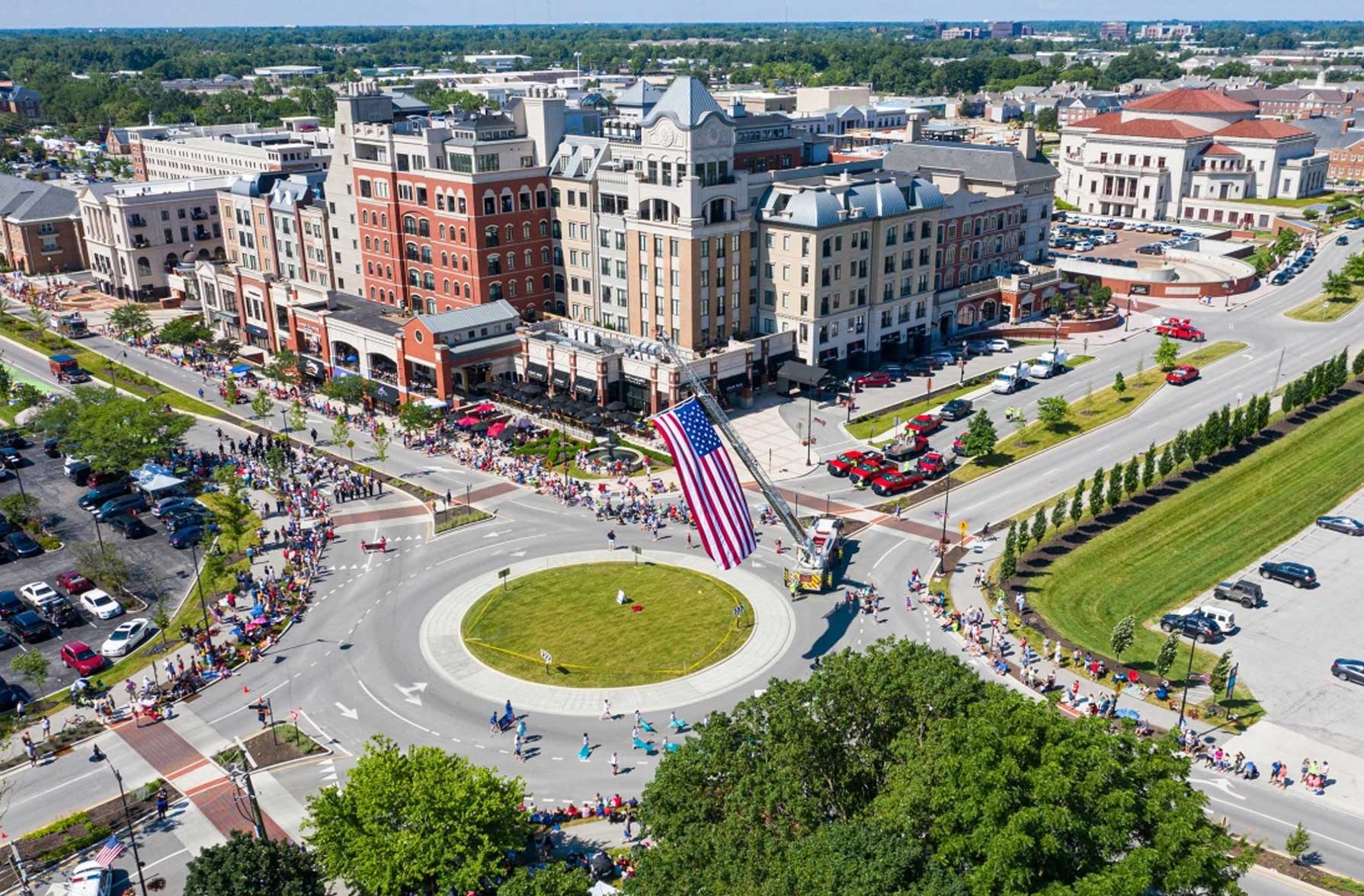
Carmel is a city in Hamilton County, Indiana, situated in the heart of the Indianapolis metropolitan area. Home to approximately 100,000 residents, it has earned a reputation as one of the most affluent and thoughtfully planned suburbs in the Midwest, with a charming blend of small-town atmosphere and big-city amenities. The city is perhaps best known for its distinctive urban design — it boasts more roundabouts than any other city in the United States — and serves as a popular base for visitors attending major Indianapolis events, located roughly fifteen miles north of downtown Indianapolis.
The Carmel Arts & Design District forms the cultural heart of the city, a walkable downtown area filled with art galleries, specialty shops, and independently owned restaurants. It is also home to the Palladium at the Center for the Performing Arts, a striking concert venue that hosts national touring acts, Broadway productions, and community performances throughout the year.
Just steps from the Arts District, the Monon Trail offers miles of paved pathway that cyclists, joggers, and walkers enjoy year-round. The trail stretches south from Carmel into Indianapolis and continues northward through Hamilton County, making it both a local recreational asset and a regional connector for outdoor enthusiasts.
A short drive east in neighboring Fishers, Conner Prairie is an expansive interactive history park where visitors can explore Indiana's past through costumed interpreters, historic buildings, and hands-on experiences. A bit further north in Westfield, Grand Park has become one of the largest youth sports campuses in the country, drawing families and athletic teams for tournaments nearly every weekend of the year.
For those seeking a quieter outdoor escape, Coxhall Gardens offers about 125 acres of themed gardens, a central lake, and an amphitheater just minutes from downtown Carmel, providing a peaceful counterpoint to the city's busier venues.
Carmel's combination of cultural amenities, abundant outdoor recreation, family-friendly atmosphere, and proximity to Indianapolis makes it an especially strong market for short-term rentals. The city draws a steady stream of visitors attending performing arts events, youth sports tournaments, and major Indianapolis occasions such as the Indy 500, while also appealing to travelers seeking a polished Midwestern getaway with easy access to the broader region.
Want to know if a property in Carmel is a good investment?
Enter an address to get instant revenue potential and comps.