
Safety Harbor, Florida
Want to see how Safety Harbor compares to other top cities in Florida? Explore all city regulations in Florida. →
Safety Harbor, FL
Challenging To Investors
STR Regulations for Safety Harbor, Florida
Overview: Are Short-Term Rentals Allowed in Safety Harbor, FL?
Yes, short-term rentals are allowed in Safety Harbor, Florida, but with significant restrictions. The city refers to short-term rentals as "tourist homes" and permits them exclusively in the Residential-3 (R-3) zoning district as a conditional use that requires approval by the City Commission. This represents a highly regulated approach to short-term rental operations within the city limits.
The restrictive nature of Safety Harbor's regulations means that prospective STR investors must carefully consider zoning compliance and be prepared for a lengthy approval process involving multiple government entities. Unlike some neighboring municipalities that have more permissive STR regulations, Safety Harbor has chosen to tightly control the placement and operation of tourist homes to preserve neighborhood character and mitigate potential negative impacts on residential communities.
What do Airbnb hosts actually earn in Safety Harbor?
Safety Harbor hosts earn a median $28,714/year with $181 ADR and 64% occupancy.
Top performers pull in $45,259+ per year.
See the full Safety Harbor market breakdownHow to Start a Short-Term Rental Business in Safety Harbor
Initial Planning and Due Diligence
Step 1: Verify Zoning Eligibility The first critical step is determining whether your target property is located within the Residential-3 zoning district. Tourist homes are prohibited in all other residential zoning districts within Safety Harbor. This zoning verification should be conducted through the city's Community Development Department before proceeding with any other steps in the process.
Step 2: Conduct Locational Analysis Even if your property is zoned R-3, you must also comply with Safety Harbor's unique locational standards. Tourist homes cannot be located within 1,200 feet of a pre-existing tourist home. This distance is measured from the nearest property line of the existing home to the nearest property line of the proposed home. This spacing requirement can significantly limit available locations and may require multiple property surveys to ensure compliance.
Step 3: Conditional Use Process Since tourist homes require conditional use approval, you must prepare and submit a comprehensive application to the City Commission. This process typically involves:
- Formal application submission with required documentation
- Public hearing procedures with neighbor notification
- Commission review and deliberation
- Potential modifications or denial of the request
Operational Setup Requirements
Step 4: Engage with City Staff Throughout the approval process, you'll work closely with the Community Development Director, who serves as the primary point of contact for tourist home applications. This relationship is crucial for navigating the complex approval process and ensuring all requirements are properly addressed.
Step 5: Prepare for Ongoing Compliance Once approved, tourist home operators must maintain ongoing compliance with all city codes, Florida state regulations, and any conditions imposed by the City Commission during the approval process.
Required Documents, Permits, Licenses, and Guidelines
Local Approvals and Documentation
Conditional Use Approval
- Complete conditional use application
- Site plans and property surveys demonstrating compliance with the 1,200-foot separation requirement
- Detailed operational plan outlining rental management procedures
- Evidence of compliance with Florida Building Code and Florida Fire Code
- Community Development review fees
Business Operations Documentation
- Written rental agreements with all required provisions as specified in city ordinances
- Designation of responsible party with 24/7 contact availability
- Emergency contact information posting requirements
- Occupancy logs and rental records maintenance
State-Level Requirements
Florida Department of Revenue Registration
- Certificate of registration for collecting and remitting tourist development taxes
- Sales surtax registration, if applicable
- Transient rental tax compliance documentation
Florida Department of Business and Professional Regulation License
- Transient public lodging establishment license, if applicable
- Compliance with Chapter 509, Florida Statutes requirements
- Regular renewal and inspection requirements
Safety and Building Compliance
Life Safety Requirements
- Compliance with Florida Building Code
- Florida Fire Prevention Code adherence
- Residential Swimming Pool Safety Act compliance (Chapter 515, Florida Statutes)
- Annual fire safety inspections and certifications
- Portable fire extinguisher installation on each floor
Specific Regulations for Short-Term Rentals
City-Level Regulations (Safety Harbor)
Zoning and Location Restrictions
- Tourist homes permitted only in Residential-3 zoning district
- Minimum 1,200-foot separation from existing tourist homes
- Measurement conducted from nearest property line to nearest property line
- Conditional use approval required from City Commission
Definition and Operational Parameters
- Tourist home defined as single-family detached dwelling providing temporary lodging
- Transient resident definition: visitor not using dwelling as principal residence, not gainfully employed locally, not enrolled in local school, or residing for six weeks or less
- Explicit exclusion of hotels/motels, lodging facilities, and boarding homes
Structural and Use Limitations
- Must maintain single-family detached dwelling character
- Cannot be converted to multi-unit or commercial lodging facility
- Must comply with residential dimensional requirements
County-Level Regulations (Pinellas County)
Operational Standards
- Maximum occupancy: two persons per bedroom plus two in common area, maximum ten persons total
- Parking requirements: one off-street space per three occupants
- Quiet hours: 10:00 PM to 9:00 AM daily
- Responsible party availability for issue resolution
Information Posting Requirements
- Posted information near main entrance or refrigerator containing:
- Responsible party contact information
- Maximum occupancy limits
- Parking capacity and location sketch
- Noise standards
- Trash and recycling pickup schedules
- Nearest hospital location
Enforcement and Penalties
- Violations subject to fines up to $300 per violation, per day
- Progressive enforcement approach focusing on compliance
- Coordination with other regulatory agencies as appropriate
State-Level Regulations (Florida)
Taxation Requirements
- Tourist Development Tax collection and remittance
- Sales tax compliance for transient rentals
- Local option surtax application, where applicable
Licensing and Safety Standards
- Chapter 509, Florida Statutes public lodging establishment requirements
- Building code compliance for transient accommodations
- Fire safety and life safety code adherence
- Regular inspection and certification requirements
Contact Information for Local Authority
Safety Harbor - Primary Contact
Community Development Department
- Contact Person: Rachael Telesca, Community Development Director
- Phone: 727-724-1555
- Email: rtelesca@cityofsafetyharbor.com
- Office Location: City Hall, Safety Harbor, FL
- Responsibilities: Tourist home applications, zoning compliance, conditional use processing
Pinellas County - Supporting Authority
Development Review Services
- General Email: DRS-Help@pinellascounty.org
- Phone: 727-464-3401
- Website: pinellascounty.org
- Responsibilities: County-level STR regulations, general zoning information, enforcement coordination
State-Level Contacts
Florida Department of Revenue
- Website: floridarevenue.com
- Phone: 850-488-6800
- Responsibilities: Tax registration, tourist development tax collection, transient rental tax compliance
Florida Department of Business and Professional Regulation
- Website: myfloridalicense.com
- Phone: 850-487-1395
- Responsibilities: Public lodging establishment licensing, inspection coordination, safety compliance verification
Source Pages and Additional Resources
Primary Sources:
-
Pinellas REALTOR Association - Local STR Restrictions
https://pinellasrealtor.org/short-term-rentals/
This comprehensive resource provides detailed ordinance information for all Pinellas County municipalities, including Safety Harbor's specific tourist home regulations and contact information. -
Pinellas County Government - Short-Term Rental Information
https://pinellas.gov/str/
Official county government resource providing regulatory framework, enforcement procedures, and compliance requirements for unincorporated Pinellas County STR operations.
Related Municipal Resources:
-
Safety Harbor Municipal Code
Contact Community Development Department for current code sections and specific ordinance language governing tourist home operations. -
Pinellas County Code of Ordinances - Section 138-3232
Available through Municode online library, containing countywide STR regulations applicable to unincorporated areas.
Professional Support Resources:
-
Greater Tampa REALTOR Association Market Statistics
Access to local real estate market data and STR investment analysis through member portal. -
Florida Department of Business and Professional Regulation Licensing Portal
Online application and renewal system for transient public lodging establishment licenses.
Important Notes for Investors:
This guide represents a snapshot of regulations as of the data collection period and should not be considered authoritative legal advice. Local ordinances are subject to change, and investors should verify current requirements with official city and county sources before making investment decisions. The highly restrictive nature of Safety Harbor's tourist home regulations requires careful due diligence and professional consultation to ensure compliance and successful operation.
The combination of R-3 zoning requirements, conditional use approval, 1,200-foot separation standards, and state licensing creates a complex regulatory environment that significantly limits opportunities but also provides protection for operators who successfully navigate the approval process. This regulatory structure suggests a market with limited competition but also limited scalability, which may appeal to investors seeking to operate in a controlled environment with less concern about regulatory changes affecting market dynamics.
Next step
Found a property in Safety Harbor?
Paste any address and get estimated revenue, cash-on-cash return, and comparable STR performance in under 5 minutes. 3 free analyses per day.
Free brief
Get the free Safety Harbor STR Investment Brief
Revenue data, top neighborhoods, seasonal trends, and the key regulations for Safety Harbor, Florida in one email.
Safety Harbor
Market Saturation Score
Photos of Safety Harbor


Overview of Safety Harbor
Safety Harbor sits on the western shore of Old Tampa Bay in Pinellas County, Florida, a small Gulf Coast city of roughly 17,000 to 18,000 residents. Known for its small-town character, walkable downtown, and the historic mineral springs that gave the city its name, it functions as a relaxed base within the larger Tampa Bay region. The city lies about 20 to 25 miles west-northwest of downtown Tampa and is part of the Pinellas Peninsula, a narrow strip of land that places it within a short drive of both the bay's protected shoreline and the open Gulf of Mexico beaches.
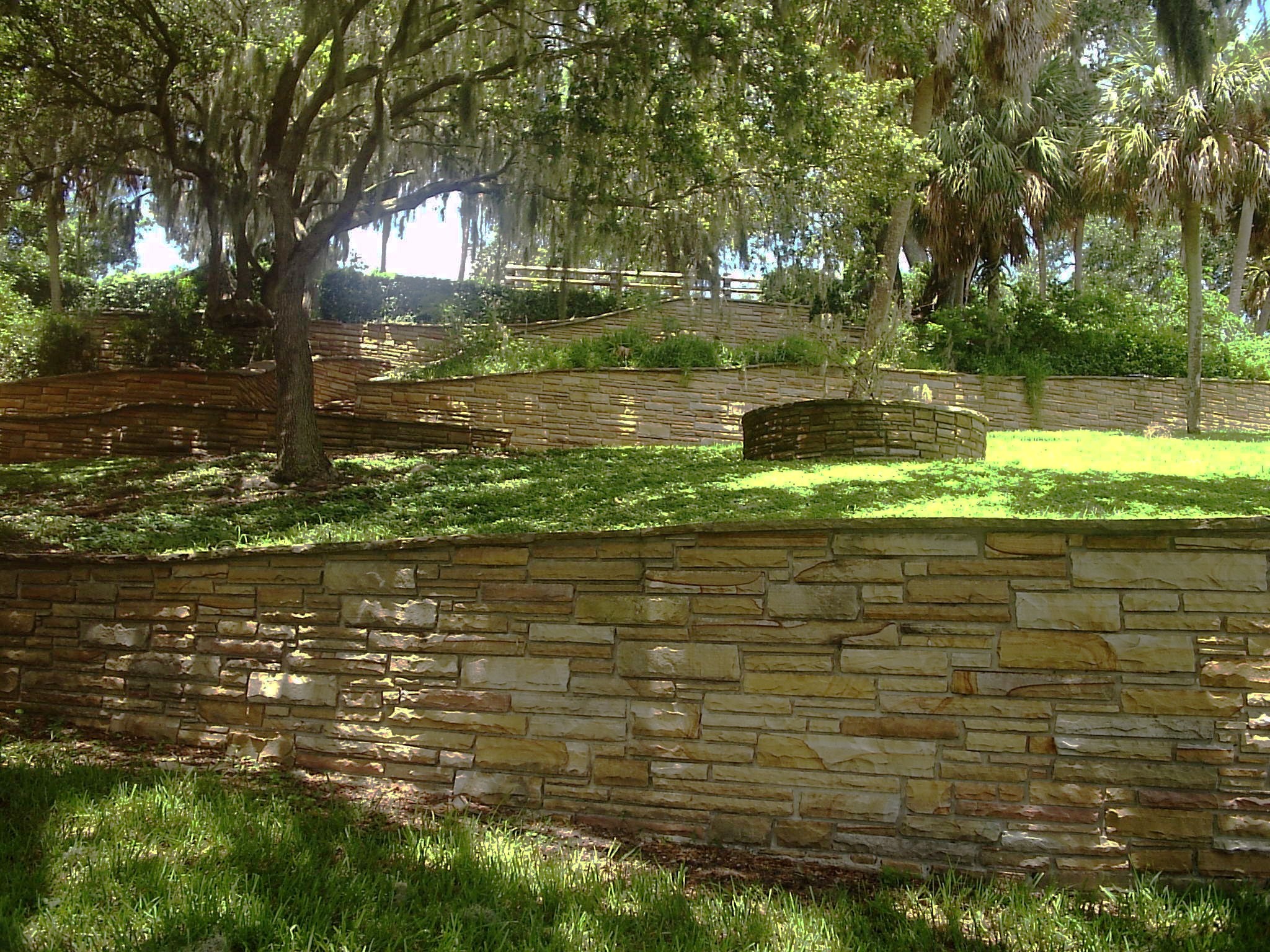
A defining feature of the area is Philippe Park, a Pinellas County park located on the city's southeastern edge along Tampa Bay. The park is recognized for its Native American burial mounds attributed to the Safety Harbor culture, as well as its shoreline, picnic areas, and kayak launch. Visitors and locals use the park for sunrise walks, fishing, and as a quiet alternative to the busier Gulf beaches.
Just a few miles west of Safety Harbor, Honeymoon Island State Park offers nearly four miles of white-sand beach, nature trails, and ferry access to neighboring Caladesi Island State Park. Together, the two barrier islands are among the most consistently ranked beaches in the United States, and the roughly 20- to 30-minute drive makes them a natural day trip for guests staying in Safety Harbor.
The city's compact downtown centers on Main Street, where locally owned restaurants, coffee shops, and boutiques line a few walkable blocks. The nearby Safety Harbor Waterfront Park hosts a year-round Sunday market and seasonal events, and it sits just steps from the Safety Harbor Resort and Spa, the property that traces its origins to the nineteenth-century Espiritu Santo Springs and remains a recognizable landmark of the city.
Cyclists and runners appreciate the Pinellas Trail, a paved recreational rail-trail that runs the length of the county. The trail's northern segments are within a short ride of Safety Harbor, connecting riders to neighboring communities such as Dunedin, Tarpon Springs, and Palm Harbor.
Overall, Safety Harbor offers short-term rental owners a distinctive combination: a quiet, walkable historic town with a strong sense of place, water access on Tampa Bay, and proximity to some of Florida's most celebrated Gulf beaches. The balance of small-town charm, outdoor recreation, and easy access to the broader Tampa Bay region makes it appealing to travelers who want a more local experience than the area's larger beach destinations typically offer.
Want to know if a property in Safety Harbor is a good investment?
Enter an address to get instant revenue potential and comps.