
Ojai, California
Want to see how Ojai compares to other top cities in California? Explore all city regulations in California. →
Ojai, CA
Unfriendly To Investors

STR Regulations for Ojai, California
Explicit Overview: Are Short-Term Rentals Allowed in Ojai?
No. Short‑term, transient, and vacation rentals of property (or any portion thereof) for less than 30 days are expressly prohibited everywhere within the City of Ojai. The City affirmed this prohibition in 2016 (Resolution 16‑07), codified it in the Municipal Code (Title 4 Chapter 24 and Title 10 §10‑2.1715), and strengthened enforcement in 2024, including a complete ban on advertising such rentals. Only lawful hotels, motels, and bed‑and‑breakfasts operating with required permits are allowed; short‑term rentals in all residential and mixed‑use zones are not permitted. [Source: Ojai.gov STVR page; Ordinance 862; Ordinance 943 (2024 update)].
What do Airbnb hosts actually earn in Ojai?
Ojai hosts earn a median $35,548/year with $264 ADR and 66% occupancy.
Top performers pull in $68,041+ per year.
See the full Ojai market breakdownHow to “Start” a Short‑Term Rental Business in This Market
Because short‑term rentals are banned in the City of Ojai, a compliant short‑term rental business cannot be started on properties within city limits. Investors have three practical paths:
-
Respect the ban in the City of Ojai. Market properties for long‑term residential tenancy (30 days or more) or convert to a permissible lodging use (e.g., bed‑and‑breakfast in an eligible zone with all approvals). [Source: Ojai.gov STVR page; Ordinance 862; Ordinance 943].
-
Consider properties in unincorporated Ventura County within the “Ojai Valley TRU Regulation Overlay Zone.” There, short‑term rentals (STRs) are prohibited except for historic‑landmark properties; however, “homeshares” may be allowed with a valid TRU zoning clearance permit and strict operational requirements (owner presence, occupancy caps, parking, noise, no events, inspections, and complaint‑response programs). [Source: Ventura County TRU FAQ].
-
Pursue permissible lodging conversions. Within the City of Ojai, a bed‑and‑breakfast is a conditionally permitted use in certain commercial/mixed‑use zones (and permitted in the Business‑Professional zone) and is prohibited in residential zones. Bed‑and‑breakfasts must comply with all Municipal Code standards (parking, residential compatibility, and permitting). [Source: Ordinance 943 (Tables 2‑4 and 2‑6 notes; §10‑2.1703)].
Note: If operating outside the City of Ojai in unincorporated areas, state TOT requirements and local compliance still apply; investors must secure permits before listing or renting. [Source: California Revenue and Taxation Code; County TRU FAQ].
Required Documents, Permits, Licenses, and Guidelines
Within the City of Ojai
- Short‑term rental permit: Not available; rentals of <30 days are banned. Operating or advertising such rentals is unlawful. [Source: Ojai.gov STVR page; Ordinance 862; Ordinance 943].
- Bed‑and‑breakfast:
- Conditional use permit (CUP) or zoning clearance as applicable to zone.
- Conformance with §10‑2.1703 (B&B standards), definition in §10‑2.3602, and parking standard in §10‑2.1405 Table 3‑5 (1 space per guest room plus 2 for the resident family). [Source: Ordinance 943].
- Advertising ban compliance: Do not list or promote unlawful short‑term rentals on any platform (online, print, or other media). Advertising bans are enforced; violations can trigger criminal and administrative penalties. [Source: Ordinance 862].
In Unincorporated Ventura County (Ojai Valley TRU Overlay Zone)
- Homeshare:
- Zoning clearance permit for “Temporary Rental Unit” (TRU) / Homeshare.
- Permit must be renewed annually; issuance is subject to owner‑qualification, residency, dwelling‑eligibility, and compliance with operational standards (occupancy, parking, noise, events prohibition, complaint response, inspections). [Source: County TRU FAQ].
- Short‑Term Rental (STR):
- Prohibited unless the property is a designated historic landmark as of the stated effective date; historic STRs must also comply with all applicable permits and standards. [Source: County TRU FAQ].
- Operational performance standards (homeshare):
- Owner must physically reside in the dwelling during rentals; separate structures/cottages are prohibited.
- Overnight occupancy capped at two bedrooms and a maximum of five persons.
- On‑site parking and noise limitations apply; no events are permitted.
- Management and complaint‑response requirements and enforcement program apply. [Source: County TRU FAQ].
State‑Level Requirements (Applying to any lawful lodging anywhere in California)
- Transient Occupancy Tax (TOT) registration and remittance: Operators of short‑term lodging must register and collect TOT from guests and remit to the local tax authority (often the city or county); failures can result in penalties. [Source: California Revenue and Taxation Code]. If operating a B&B or homeshare in the City of Ojai or unincorporated Ventura County, confirm local TOT procedures before opening.
Specific Regulations by Jurisdiction
City of Ojai (Official Bans and Enforcement)
- Ban scope and definitions: “Short‑term, transient, or vacation rentals” are rentals for 30 days or less, including entire homes or portions. “Fractional vacation property” (ownership interests enabling occupancy/rental for less than 30 days) is explicitly included as unlawful. [Source: 2024 ordinance summary].
- Zoning: Unlawful in all residential zones; also prohibited in Village Mixed‑Use (VMU) and commercial/manufacturing zones, except where hotels, motels, timeshare facilities (permitted) or bed‑and‑breakfasts (CUP/permit‑required per zone) are lawfully approved and operating in full compliance. [Source: Ordinance 943].
- Advertising: Ordinance 862 prohibits advertisements for unlawful STRs (online or print). [Source: Ordinance 862].
- Enforcement and penalties:
- Criminal exposure: Violations are an infraction or misdemeanor; each day of violation constitutes a separate offense. [Source: 2024 ordinance summary].
- Administrative fines and disgorgement: $1,500 first violation; $3,000 second violation within one year; $5,000 each additional violation within one year; forfeiture and disgorgement of all rents and gross revenue during the period of violation; interest at the maximum lawful rate; failure to pay within 90 days creates a debt on the property subject to liens and special assessments. [Source: 2024 ordinance summary].
- Disclosure duty: Agents and transferors must disclose to prospective purchasers that unlawful STRs are not allowed in Ojai (City Manager will provide a disclosure form). [Source: 2024 ordinance summary].
Ventura County (Unincorporated Areas, Ojai Valley TRU Overlay Zone)
- Homeshares allowed with annual TRU zoning clearance and strict performance standards (owner residency, occupancy, parking, noise, no events, complaint response, inspections). [Source: County TRU FAQ].
- STRs prohibited except for historic‑landmark properties meeting permit requirements. [Source: County TRU FAQ].
- Zoning distinctions apply: Non‑Coastal vs. Coastal zones have separate ordinances and timelines; the Non‑Coastal rules took effect July 19, 2018, and the Coastal rules took effect November 1, 2018. [Source: County TRU FAQ].
State of California
- Short‑term lodging is subject to local land‑use regulation. Cities and counties may prohibit or regulate STRs and homeshares through zoning, permits, and enforcement (as Ojai and Ventura County have done). [Source: California jurisdictional practice; not a state‑wide prohibition].
- TOT: State enables local Transient Occupancy Taxes; operators must register, collect, and remit as required by local agencies. [Source: California Revenue and Taxation Code].
Contact Information (Local Authority)
City of Ojai (Within City Limits)
- Community Development Department (primary contact for STRs/vacation rentals):
- Phone: (805) 646‑5581
- City Hall:
- Address: 401 South Ventura Street, Ojai, CA 93023
- Phone: (805) 646‑5581
- Fax: (805) 646‑1980
- Website: ojai.ca.gov/ [Source: Ojai.gov STVR page; contact section on Ojai.gov]
Ventura County (Unincorporated Areas, Ojai Valley Overlay; TRU permits/compliance)
- Planning Division (Permitting and Ordinance Information):
- Code Compliance Division (TRU Permits and Enforcement):
- Phone: (805) 654‑2466
- Website: rma.venturacounty.gov/divisions/code-compliance/
- County TRU FAQ: rma.venturacounty.gov/divisions/planning/temporary-rental-unit-ordinance-frequently-asked-questions/ [Source: County TRU FAQ]
Source Links
- City of Ojai – Short‑Term Vacation Rentals (overview and contacts): ojai.ca.gov/343/Short-Term-Vacation-Rentals
- City of Ojai – Short‑Term Rentals (2024 updates and enforcement): www.ojairec.com/583/Short-Term-Rentals
- City of Ojai – Ordinance No. 862 (Advertising Ban for Unlawful STRs): www.ojai.ca.gov/DocumentCenter/View/1149/Ordinance-862---Short-Term-Rental-Advertising-Ban-PDF
- City of Ojai – Ordinance No. 943 (2024 Municipal Code amendments confirming STR ban): ojaitrolley.com/DocumentCenter/View/2314/Ordinance-943---Amendments-to-Existing-Short-Term-Rental-Municipal-Code-Sections-PDF
- Ventura County – Temporary Rental Unit (TRU) Ordinance FAQ (Ojai Valley Overlay, homeshare/STR rules): rma.venturacounty.gov/divisions/planning/temporary-rental-unit-ordinance-frequently-asked-questions/
- California Revenue and Taxation Code – Transient Occupancy Tax (TOT) (general state guidance): leginfo.legislature.ca.gov/faces/codes_displayText.xhtml?lawCode=RTC&division=2.&title=3.&part=31.&chapter=1.&article=1.
Practical Takeaway for STR Investors
- Do not invest in short‑term rental strategies on properties inside the City of Ojai; the ban is comprehensive and aggressively enforced, including strict fines, disgorgement, and an advertising prohibition.
- If your property lies outside city limits within the Ojai Valley TRU Overlay, understand that STRs are essentially unavailable (historic‑landmark carve‑out only) and that homeshares require an annual permit with significant operational constraints.
- Where allowed, secure all necessary local permits and state tax registrations before listing or renting. Maintain rigorous compliance documentation to mitigate enforcement risk. [Sources: Ojai.gov; County TRU FAQ; RTC].
Next step
Found a property in Ojai?
Paste any address and get estimated revenue, cash-on-cash return, and comparable STR performance in under 5 minutes. 3 free analyses per day.
Free brief
Get the free Ojai STR Investment Brief
Revenue data, top neighborhoods, seasonal trends, and the key regulations for Ojai, California in one email.
Ojai
Market Saturation Score
Photos of Ojai


Overview of Ojai
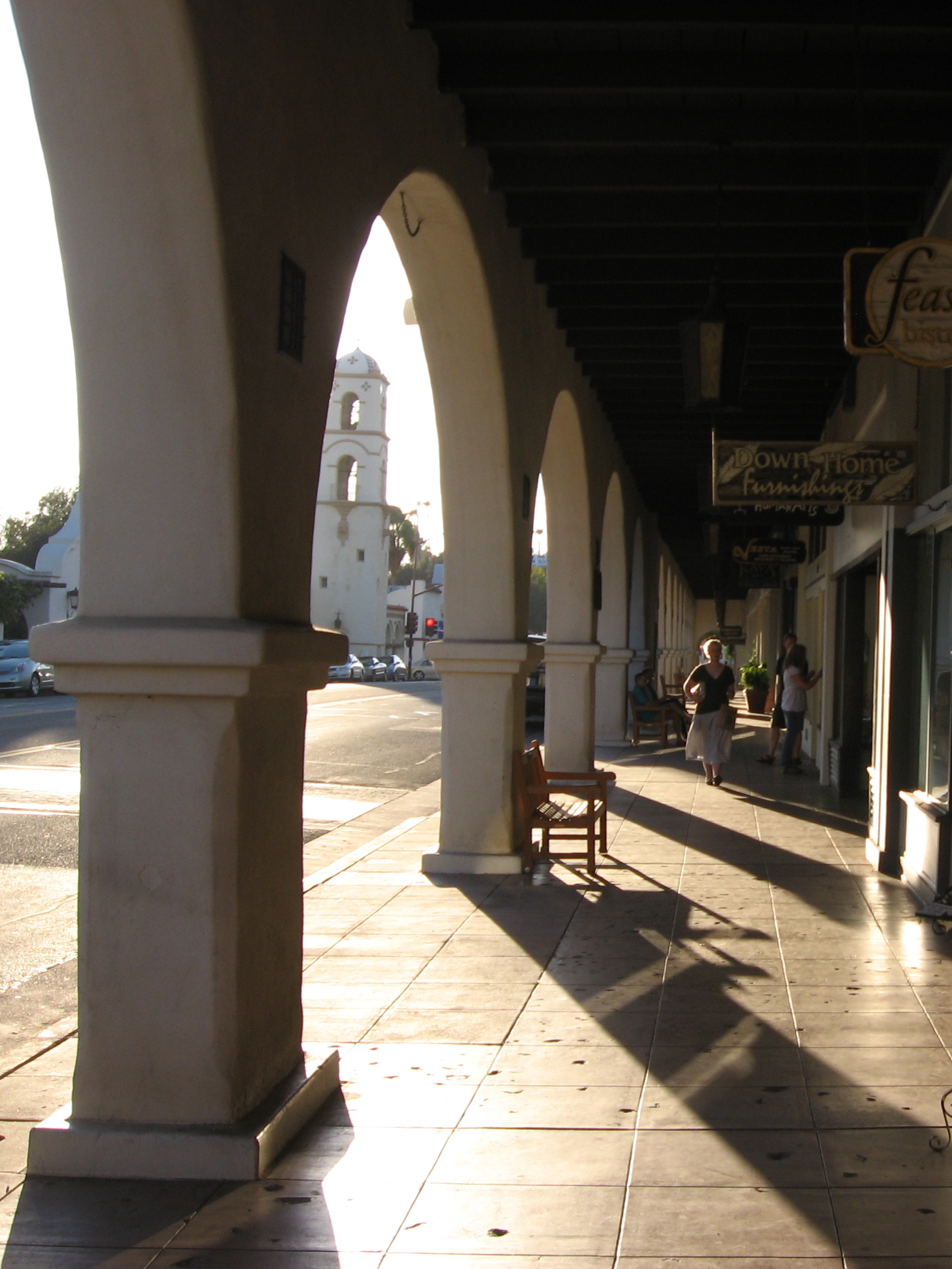
Ojai is a small city nestled in the Ojai Valley of Ventura County, California, with a population of roughly 8,000 residents. Tucked behind the Topatopa Mountains and surrounded by oak woodland and chaparral, the town has long been known as a wellness and creative-arts retreat, drawing visitors with its Spanish colonial revival architecture, a compact downtown of galleries and tasting rooms, and the famous "pink moment," when the setting sun paints the eastern ridgeline a soft rose color. It serves as a gateway to the surrounding Los Padres National Forest and lies about 80 miles northwest of downtown Los Angeles, roughly a ninety-minute drive in light traffic.
Just beyond the town limits, Los Padres National Forest wraps around the valley and offers some of Southern California's most scenic backcountry. Hikers can follow the Pratt Trail up into the mountains, while drivers and cyclists take in the dramatic Sespe Creek corridor and the high meadows above the valley. Forest access points are typically within fifteen to thirty minutes of downtown Ojai, and the high country opens up quickly as the road climbs out of town.
A few miles west of the city, Lake Casitas provides a quieter alternative to the coastal beaches. The reservoir and its surrounding park offer fishing, pedal-boating, picnicking, and a campground, all set against the dry, oak-studged hills that define inland Ventura County. Most of the lake's recreation areas are about a fifteen-minute drive from the center of Ojai, making it a popular day trip for families looking to escape the summer heat.
To the south, the city of Ventura lies about twenty minutes down Highway 33, where visitors can reach the Pacific Ocean, the Ventura Pier, and a stretch of surfing-friendly coastline. The San Buenaventura Mission, a compact historic downtown, and an active harbor give the larger city a different tempo, and many Ojai guests pair a quiet valley stay with a coastal afternoon. In the opposite direction, Santa Barbara is roughly an hour's drive west along Highway 150 and US-101, opening up its waterfront, historic state street, and the wine country of the Santa Ynez Valley beyond.
Ojai works well as a base for short-term rentals because it sits at the meeting point of mountains, forest, lake, and coast, while still feeling like a destination in its own right. The town is small, photogenic, and easy to explore on foot, and within an hour's drive guests can be in the high country, at the ocean, or in a larger city. That combination of serenity and range, paired with year-round mild weather and a strong reputation as a wellness destination, gives the valley broad appeal for couples, families, and small groups looking to slow down without disconnecting from the rest of Southern California.
Want to know if a property in Ojai is a good investment?
Enter an address to get instant revenue potential and comps.