
El Centro, California
Want to see how El Centro compares to other top cities in California? Explore all city regulations in California. →
El Centro, CA
Challenging To Investors
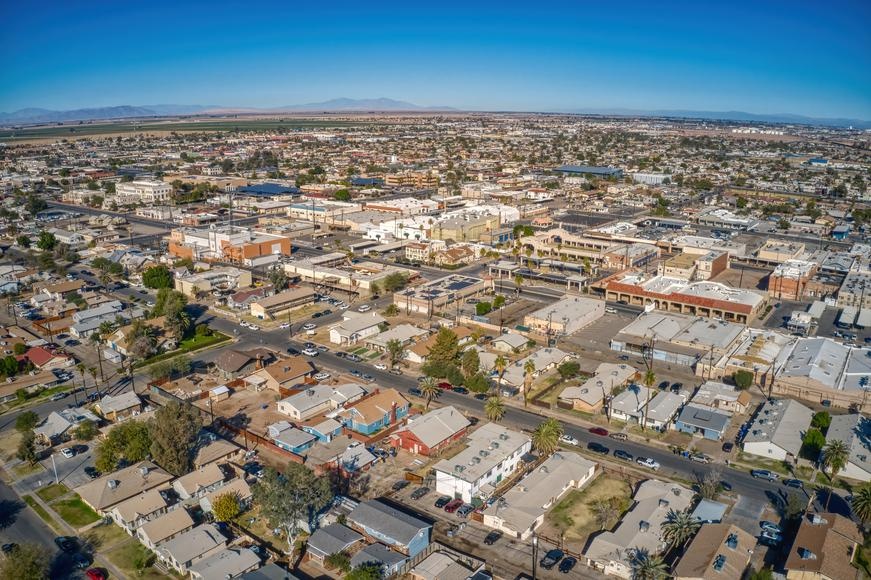
STR Regulations for El Centro, California
El Centro, CA Short-Term Rental (STR) Guide for Investors
Overview: Are STRs allowed in El Centro, CA?
Short‑term rentals (i.e., rentals of fewer than 30 days) are not explicitly banned or specifically permitted in the City of El Centro in the materials provided. Given California law, STRs are generally allowed in residential zones unless a city adopts a ban or stricter rules. In the absence of a city-specific prohibition in the provided sources, a prudent interpretation is that STRs are permitted in El Centro, subject to zoning consistency, state fire/safety/health rules, and local business/tax requirements that a landlord must verify and comply with before opening.
- California state law (AB 3182) restricts the use of rent‑stabilized units for short‑term rentals; rent control does not apply in El Centro (no local rent stabilization ordinance), so this particular prohibition does not affect most properties locally.
- Cities may establish their own licensing/permitting, taxes (transient occupancy taxes), posting and operating standards, host limits, and enforcement mechanisms. The City of El Centro may have adopted local measures; confirm directly with the City.
Bottom line: STRs are likely allowed in El Centro, but you must confirm local zoning and any city-imposed licensing, taxes, or operating rules before launching.
What do Airbnb hosts actually earn in El Centro?
El Centro hosts earn a median $12,266/year with $85 ADR and 54% occupancy.
Top performers pull in $23,383+ per year.
See the full El Centro market breakdownHow to Start a Short-Term Rental Business in El Centro
- Confirm zoning and allowed uses
- Review the property’s zoning. Residential zones typically allow single‑family and multi‑family residential uses. Hotels/motels are allowed only in specific commercial zones. If your property is in a general residential zone and you plan to operate an STR, confirm that transient lodging is an allowed use or is treated equivalently under any local ordinances.
- If the unit is part of a homeowners’ association (HOA), obtain and review the HOA rules, as they may prohibit or restrict STRs.
- Secure and document lawful occupancy
- Determine the property’s legal maximum occupancy (based on local code and square footage) and any parking requirements for residential uses.
- For any short-term lodging arrangement that is owner-occupied (e.g., a single room in the host’s primary residence), confirm state and local health and safety rules applicable to “owner‑occupied lodging” or “transient rentals.”
- Comply with state fire and life safety requirements
- Install adequate smoke detectors and carbon monoxide alarms per California fire/life safety codes (typically in all sleeping rooms and common areas).
- Maintain clear egress routes and emergency exits. If the property is part of a multi‑unit building, coordinate with building management on compliance.
- If serving travelers in an STR or B&B setting, you may need to meet additional fire and accessibility provisions in multifamily or nontransient hotels; consult the local fire authority and city building department for exact applicability to your property and lodging type.
- Manage health, sanitation, and building code items
- Provide safe cooking, refrigeration, and sanitation facilities.
- For lodging in multifamily buildings or communal settings, there may be additional health and sanitation rules. Discuss intended use and occupancy with the Imperial County Public Health Department where relevant.
- Register for tax obligations and obtain any local license/permit
- Register for a California sales and use tax permit (if you sell taxable goods or services in connection with the lodging).
- Obtain a local business license/registration if required by the City.
- Enroll in transient occupancy tax (TOT) collection and remittance; in many California cities, lodging operators collect TOT from guests and remit to the city. Confirm whether El Centro imposes TOT and the current rate. Some jurisdictions adopt rates in the 8–12% range; treat this as a general range only and verify the local TOT rate with the City.
- Obtain any required local STR permit/registration, notice postings, or certification. In the absence of city-specific details in the provided documents, contact the City to confirm requirements, fees, and approval steps.
- Establish contracts, policies, and communications
- Use short‑term rental or lodging agreements stating occupancy limits, guest conduct, quiet hours, parking, and occupancy taxes.
- Publish and maintain a House Rules/Safety Guide with emergency contacts, local ordinances, and tenant guidelines.
- Use professional platforms legally
- If listing on short‑term rental platforms (e.g., Airbnb, VRBO), confirm that your jurisdiction permits such listings and that your property meets any platform compliance rules, including local licensing or tax registration.
- Ensure your account shows the correct license/permit number and any required disclosures if mandated locally.
- Maintain compliance and prepare for inspections
- Keep records of licenses/permits, TOT remittances, guest logs, and safety inspections.
- Be responsive to guest and neighbor concerns and local code enforcement.
Required Documents, Permits, Licenses, and Guidelines (Typical Checklist)
Because city-specific permitting documents were not included in the provided materials, the following checklist reflects state requirements and typical local business steps used in California jurisdictions:
-
Property documentation
- Property deed or lease authorizing STR use.
- Zoning verification and, if in an HOA, written HOA rule confirmation.
-
Safety and health
- Installed and inspected smoke/CO detectors.
- Egress plans and emergency procedures posted.
- Fire extinguisher(s) as appropriate.
- Health and sanitation confirmation for cooking/sanitation.
-
State business tax registrations
- California Department of Tax and Fee Administration (CDTFA) sales and use tax permit (if applicable to taxable items/services connected to lodging).
-
Local business and lodging taxes
- City of El Centro business license/registration (if required).
- Transient occupancy tax (TOT) registration and compliance.
- If transient lodging is not a permitted use in a given residential zone, a change or conditional use approval may be required (confirm with Community Development).
-
Insurance and contracts
- Appropriate landlord/STR insurance coverage for liability and property damage.
- Short‑term lodging agreements and House Rules/Safety Guide.
-
Platform listings and disclosures
- Platform listing compliance and inclusion of any city-issued license/permit number if required.
Specific Regulations: City (El Centro), County (Imperial), and State (California)
-
State (California)
- Fire/life safety and CO alarm standards; building code compliance applicable to residential and lodging uses.
- SB 3182: Restricts STR use of rent‑stabilized units; El Centro does not have a local rent stabilization ordinance, so this provision is generally inapplicable locally.
- Accessibility: Multi‑family properties may have accessibility requirements depending on use classification (owner‑occupied lodging vs. hotel/motel). Confirm with the building department and fire authority.
- Taxes: If the STR sells taxable items or provides taxable services (e.g., parking, food), a CDTFA sales/use tax permit may be needed. If the STR is a “transient lodging” business, it may be subject to local TOT.
-
Imperial County
- County health and safety enforcement for lodging can apply depending on property type and use; coordinate with the Public Health Department on sanitation and lodging health standards, especially for non‑transient hotel/motel compliance and multifamily lodging operations.
-
City of El Centro
- Housing and zoning codes: Residential zones allow housing; hotels/motels are limited to commercial zones. The City has expanded emergency shelter and transitional/supportive housing allowances by‑right across zones to meet State mandates. As of the provided documents, there is no explicit city-wide prohibition or permit framework for STRs cited.
- Occupancy and parking: Residential off‑street parking standards apply; confirm whether parking requirements vary by lodging type.
- Transient lodging and business licensing: Confirm whether the City requires any local permit/registration for STRs and collects TOT, and any posting or safety requirements. The City’s Community Development Department will have zoning jurisdiction and staff who can advise.
Contact Information (Phone, Email, Website)
City of El Centro – Community Development Department
- Address: 1275 W. Main Street, El Centro, CA 92243
- Phone: (760) 337-4540
- Website: www.cityofelcentro.org (services, planning/zoning, business licensing)
- Notes: For zoning/land use and potential STR/hosting questions.
City of El Centro – Finance/Tax Administration
- Notes: Confirm transient occupancy tax requirements and reporting. Use the city website for Finance/Tax contacts or call (760) 337-4540.
Imperial County – Public Health Department
- Notes: For lodging-related health and sanitation questions or inspections.
California Department of Tax and Fee Administration (CDTFA)
- Website: www.cdtfa.ca.gov
- Notes: For sales/use tax permits and reporting.
Links to Source Pages
- City of El Centro Housing Element (2021–2029): www.hcd.ca.gov/housing-elements/docs/el-centro-6th-adopted021822.pdf
Disclaimer The provided sources do not include a city‑issued STR ordinance, business license application, or TOT compliance forms for El Centro. STR regulations, tax rates, and permitting requirements can change. Before operating, confirm with the City of El Centro (Community Development and Finance/Tax departments) and applicable county/state agencies. This guide is intended as a practical starting point and is not legal advice.
Next step
Found a property in El Centro?
Paste any address and get estimated revenue, cash-on-cash return, and comparable STR performance in under 5 minutes. 3 free analyses per day.
Free brief
Get the free El Centro STR Investment Brief
Revenue data, top neighborhoods, seasonal trends, and the key regulations for El Centro, California in one email.
El Centro
Market Saturation Score
Photos of El Centro


Overview of El Centro
El Centro sits in the southeastern corner of California as the county seat of Imperial County, a sun-baked agricultural hub of roughly 44,000 residents in the heart of the Imperial Valley. The city has a working, blue-collar character rooted in farming, cross-border commerce, and the steady rhythm of small-town desert life, and it serves as the principal gateway between Southern California and the Mexican border city of Mexicali. Lying approximately 120 miles east of San Diego and a little over 200 miles southeast of Los Angeles, El Centro blends agricultural traditions with the cultural spillover of its international neighbor, making it a practical stopover for travelers heading deeper into the desert Southwest or south of the border.
One of the most iconic landmarks within a short drive is Salvation Mountain, Leonard Knight's vibrant folk-art tribute painted across a clay hillside near the community of Niland, about 60 miles north of El Centro. The colorful installation, with its "God Is Love" message and rainbow-striped dome, draws photographers, road-trippers, and curious travelers from around the world and pairs naturally with a visit to the nearby Salton Sea, California's largest inland body of water and a famously otherworldly stop along the historic Highway 111 corridor.
To the northwest of El Centro, roughly two hours by car, Anza-Borrego Desert State Park offers a sweeping contrast to the flat farmland of the Imperial Valley. The park spans more than 600,000 acres of badlands, palm oases, and springtime wildflower blooms, with hiking trails, slot canyons, and the popular metal sculptures of Galleta Meadows scattered across the desert floor.
Closer to the city itself, the Algodones Sand Dunes, also known as the Imperial Sand Dunes, rise just east of El Centro and stretch for roughly 45 miles along the U.S.–Mexico border. Managed largely by the Bureau of Land Management, the dunes attract off-highway vehicle riders, campers, and photographers during the cooler months, and they give El Centro a built-in audience of weekend visitors looking for desert recreation.
For short-term rental investors, El Centro's appeal rests on a combination of cross-border traffic, regional events at the Imperial Valley Expo, and its strategic position between several of Southern California's most unusual outdoor destinations. The city's affordable real estate, year-round warm climate, and proximity to the Salton Sea, the sand dunes, and the Mexican border give it a steady stream of visitors whose itineraries extend well beyond a single overnight stay.
Want to know if a property in El Centro is a good investment?
Enter an address to get instant revenue potential and comps.