
California City, California
Want to see how California City compares to other top cities in California? Explore all city regulations in California. →
California City, CA
Generally Investor Friendly
STR Regulations for California City, California
Yes—short-term rentals (STRs) are allowed in California City, California, under statewide rules and typical county-level requirements. California does not have a statewide STR ban, and most jurisdictions in the state allow STRs with local permitting, taxes, and compliance conditions. Because the provided materials do not include city-specific restrictions for California City, this guide defaults to the statewide framework and Kern County (the county that encompasses California City) for practical investor-facing requirements and contacts.
Explicitly, there is no evidence in the provided content of a local prohibition on STRs in California City. However, investors must follow California’s general rules and Kern County’s procedures (or the city’s, if later published).
Key implications for investors:
- Operate legally: obtain a business registration, STR permit (if required), and a Transient Occupancy Tax (TOT) certificate.
- Comply with health and safety standards and local performance rules (noise, occupancy, parking, etc.).
- Pay applicable taxes and renew your license/registration annually.
Source: statewide guidance and local California law overview from the provided content.
How to Start an STR Business in California City, CA
Because there are no city-specific rules provided for California City, the most reliable pathway is to follow California’s standard STR onboarding process and Kern County’s typical requirements:
- Verify zoning eligibility and unit type
- Confirm the property is a lawful residential dwelling in a zone that allows STRs. Note: Accessory Dwelling Units (ADUs) are sometimes restricted in California jurisdictions; if your unit is an ADU, check whether STR use is allowed before listing.
- Exclude hotels, motels, bed and breakfasts, and timeshares from consideration under California’s STR definition.
- Register your business
- Most California cities/counties require a business registration (no need to form an LLC, but you must have a tax entity to pay taxes).
- Obtain a TOT certificate and number
- Apply for a Transient Occupancy Tax certificate from the local tax authority (often the city finance/tax office or the county). Many listing platforms collect and remit TOT on behalf of hosts; confirm whether this applies to your jurisdiction.
- Pay TOT monthly or quarterly on gross rental income. The TOT rate varies locally—typically 10% to 15% in many California jurisdictions.
- Licensing and permitting
- STR permits or licenses are required by most California counties and cities. The process commonly includes:
- Permit application with property details and host/agent contact information.
- Safety inspection (smoke/CO detectors, fire extinguishers, address/posting).
- Fee payment (usually a few hundred dollars annually).
- License validity is commonly 1 year; renew prior to expiration.
- Safety and operational standards
- Ensure compliance with health and safety codes, Good Neighbor policies, occupancy limits, quiet hours, trash management, parking rules, and nuisance prevention.
- Many jurisdictions require an exterior placard with license number, contact info, and occupancy limits.
- Consider STR insurance (property damage, general liability, loss of rental income).
- Advertising and display requirements
- Include the TOT certificate number, permit/license number, and your local contact in all advertisements and listings.
- Post city/county-issued notices inside the unit (occupancy, quiet hours, parking, local contact).
- Renewals and ongoing compliance
- Renew your STR license annually; keep detailed records for at least 3 years.
- File TOT reports and pay TOT on schedule; file federal/state taxes on STR income and applicable deductions.
Source: state-level STR requirements and common local practices (from provided content).
What do Airbnb hosts actually earn in California City?
California City hosts earn a median $25,288/year with $162 ADR and 62% occupancy.
Top performers pull in $29,582+ per year.
See the full California City market breakdownRequired Documents, Permits, Licenses, and Guidelines
Based on common California practice and the provided state guidance, typical documents and steps include:
- Business registration or tax certificate
- Transient Occupancy Tax (TOT) certificate/number and confirmation of registration
- County or city STR permit/license (non-transferable, tied to host/property)
- Safety inspection approval (fire extinguishers, smoke/CO detectors, address posting)
- Proof of ownership or long-term lease authorization
- Owner ID (driver’s license) and contact information
- Local contact person information (24/7 availability in many jurisdictions)
- Site plan (optional for some cities), parking plan, and evidence of trash service
- Acknowledgement of local performance standards (noise, occupancy, Good Neighbor policy)
- Exterior signage and interior notices (as required by jurisdiction)
- STR insurance policy (recommended; some jurisdictions require minimum coverage)
- Documentation showing compliance with zoning (no deed/HOA restrictions limiting STR use)
Source: statewide document list and licensing guidance (from provided content).
Regulations Specific to California City, Kern County, and California
Because the provided materials do not include city-specific STR rules for California City, the following presents the statewide context plus likely county-level requirements.
California (State)
- Definition: A short-term rental is a residential dwelling or portion thereof rented for 30 consecutive days or less. Hotels, motels, bed and breakfasts, and timeshares are excluded (per SB-60 of 2021, as summarized in the provided content).
- Statewide licensing: None. Permits/licenses are issued by cities or counties.
- Taxes:
- Transient Occupancy Tax (TOT): Local rate; most cities/counties apply 10%–15%.
- Business taxes and Tourism Business Improvement District (TBID) assessments (often 1%) may apply.
- STR income is taxable at federal and state levels.
- Deductible business expenses include depreciation, property taxes, mortgage interest, insurance, furnishings, management, advertising, utilities, cleaning, maintenance, and professional fees.
Kern County (County that includes California City)
- Most Kern County jurisdictions require:
- County STR permit and local contact
- TOT registration and monthly remittance
- Safety compliance (smoke/CO alarms, fire extinguisher, posting requirements)
- Operational standards (parking, noise, trash, occupancy, advertisement requirements)
- Confirm current Kern County STR rules and permit contacts directly via county links provided in this guide.
California City (City)
- No city-specific STR ordinance was provided. Investors should:
- Check the California City website (planning, finance, or community development) for a current STR program or zoning policy.
- Align with county STR rules if the city does not have a separate STR permit process.
- Confirm TOT collection/remittance requirements—Kern County’s tax rate and reporting are relevant.
Source: statewide definitions and typical compliance framework (from provided content).
Contact Information
For specific STR guidance, permits, and taxes related to California City and Kern County, contact the authorities below. Always verify the latest policies, as regulations and contacts can change.
Kern County—Short-Term Rental Program and TOT
- Website (STR Program): www.kerncounty.com/residents/temporary-rental
- Kern County Finance Department—Transient Occupancy Tax (TOT) and Business Tax
- TOT Payment/Forms: www.kerncounty.com/forms/temporary-rental-payment
- Phone (Finance—TOT/Business Tax): 661-868-6300
- Email (Finance—TOT/Business Tax): TOT@kerncounty.com
- Address: Kern County Finance Department, 1115 Truxtun Avenue, Bakersfield, CA 93301
City of California City
- Official Website: www.california-city.com/
- City Hall: 760-375-8000
- Address: 2100 California City Blvd, California City, CA 93505
- Note: If the city maintains an STR ordinance or separate STR contact, the Finance/Community Development department pages will list the most current details.
Note: Many listing platforms collect and remit TOT on behalf of hosts in participating jurisdictions. If your county/city participates, the platform may be your default collector; confirm enrollment and reporting responsibilities directly with the tax authority.
Links to Source Pages (IMPORTANT)
- Kern County—Short-Term Rental Program and TOT: www.kerncounty.com/residents/temporary-rental
- Kern County—Transient Occupancy Tax Payment/Forms: www.kerncounty.com/forms/temporary-rental-payment
- California—State Definition of Short-Term Rentals (SB-60, 2021; summarized in the provided content)
- City of California City—Official Website: www.california-city.com/
Investor Notes and Best Practices
- Confirm zoning and whether your unit type (including ADUs) is eligible for STR use in California City.
- If the city lacks its own STR process, follow Kern County’s rules; obtain the county’s STR permit and TOT number before listing.
- Budget for annual license fees, inspections, and TOT remittance; keep meticulous records for renewals and audits.
- Maintain liability insurance and implement operational standards (Good Neighbor policy, occupancy limits, parking, noise, trash) to avoid fines and nuisance issues.
- Place required notices and signage; ensure a 24/7 local contact is available to respond to complaints.
- Monitor city/county updates—California jurisdictions revise STR rules periodically; stay informed to remain compliant.
This guide is based solely on the content provided. If California City issues a separate STR ordinance or updates its processes, obtain the latest official guidance from the city or county and adjust your compliance plan accordingly.
Next step
Found a property in California City?
Paste any address and get estimated revenue, cash-on-cash return, and comparable STR performance in under 5 minutes. 3 free analyses per day.
Free brief
Get the free California City STR Investment Brief
Revenue data, top neighborhoods, seasonal trends, and the key regulations for California City, California in one email.
California City
Market Saturation Score
Photos of California City



Overview of California City
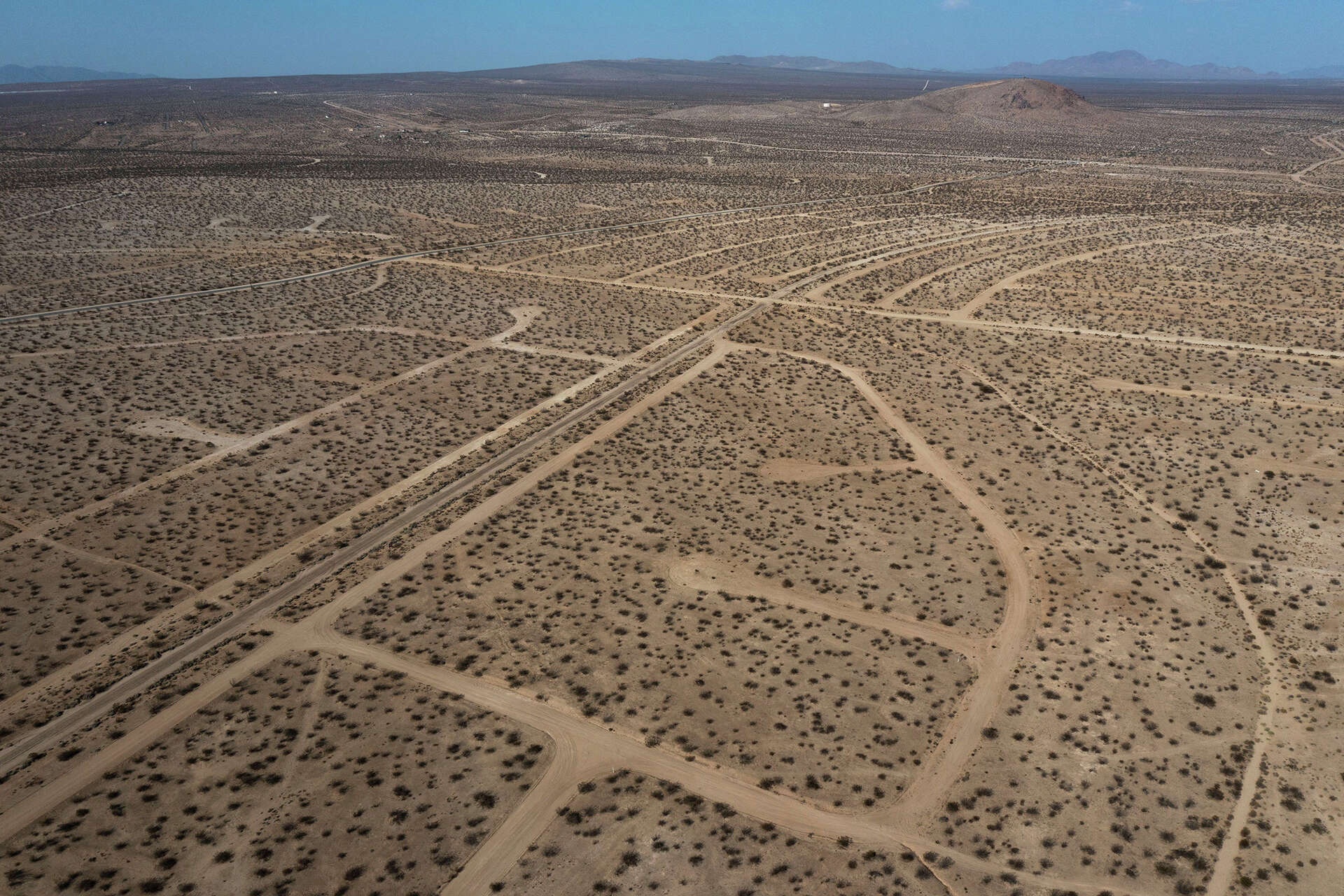
California City is a small, planned community in Kern County, California, set in the high desert of the western Mojave. Incorporated in 1965, the city has a population of roughly 14,000 and is known for its wide streets, big lots, and a quiet, sun-drenched character that contrasts with the dense urban centers closer to the coast. It serves as a useful base for travelers exploring the eastern Sierra, the Tehachapi Mountains, and the wider desert region, and it sits about 100 miles northeast of Los Angeles, making it a reachable stopover for those coming from the south, while Bakersfield lies roughly 70 miles to the northwest.
One of the city's most distinctive features is Central Park, a sprawling municipal park at the heart of town that includes one of the largest man-made lakes in the region, along with playgrounds, sports fields, and walking paths. It functions as the green and blue core of an otherwise arid setting and is what most residents and visitors first picture when thinking of California City. The park itself sits within the city, essentially at the doorstep of any local stay.
A short drive north brings visitors to Red Rock Canyon State Park, roughly 25 miles up State Route 14. The park is known for its vivid sandstone cliffs, eroded gullies, and stands of Joshua trees, and it offers camping, hiking, and a striking contrast to the flat desert floor that California City itself sits on. It is one of the more photographed state parks in California and a popular stop for travelers heading further north into the Sierra.
To the south, the Mojave Air and Space Port anchors the small town of Mojave, about 30 miles from California City. The facility is well known as a center for aerospace testing and aircraft storage, and it gives the surrounding desert a distinctly aviation-themed character that filters through California City as well. Nearby, the broader Antelope Valley and the western approaches to Death Valley National Park unfold to the east, offering wide-open desert driving routes that are popular with road-trippers.
California City appeals to short-term-rental investors and guests because it combines genuine small-town quiet with surprisingly convenient access to a wide variety of landscapes. Visitors can base themselves within a comfortable drive of red-rock canyons, high-desert lakes, mountain forests, and aerospace landmarks, all while enjoying the kind of affordability and space that is hard to find closer to the coast. For travelers who want a desert base that still feels lived-in rather than remote, the city occupies a useful middle ground.
Want to know if a property in California City is a good investment?
Enter an address to get instant revenue potential and comps.