
Springfield, West Virginia
Want to see how Springfield compares to other top cities in West Virginia? Explore all city regulations in West Virginia. →
Springfield, WV
Very Investor Friendly
STR Regulations for Springfield, West Virginia
Overview: Are Short-Term Rentals Allowed in Springfield, WV?
Short-term rentals (rentals of fewer than 30 days) are permitted in West Virginia and in Springfield, WV, absent any Springfield-specific STR ordinance. Under state law, municipalities can regulate STRs, but Springfield’s local rules are not present in the provided sources. Accordingly, investors may operate STRs in Springfield subject to standard state-level requirements (notably sales and lodging taxes) and general local ordinances such as zoning, building, life-safety, noise, and parking. Investors must also verify HOA covenants and any future local rules before listing.
This guide focuses on the requirements that clearly apply to Springfield, WV and to West Virginia, based exclusively on the provided content. If no city-specific rule is provided for Springfield, WV, this guide relies on statewide frameworks for West Virginia.
Reference for statewide allowances and regulatory posture: RedAwning directory article (WV overview; municipal variability; lodging taxes; permitting/zoning; insurance/safety; enforcement risk).
What do Airbnb hosts actually earn in Springfield?
Springfield hosts earn a median $27,435/year with $157 ADR and 57% occupancy.
Top performers pull in $44,437+ per year.
See the full Springfield market breakdownHow to Start an STR Business in Springfield, WV
- Confirm legal status of the property and use:
- Verify zoning compliance with the City of Springfield and the County. Absent Springfield-specific STR rules, treat the STR as a residential use unless informed otherwise by local authorities.
- Review any HOA/POA covenants; STRs are often restricted by private agreements and are enforceable privately even if not regulated by the city.
- Secure appropriate insurance:
- Obtain short-term rental insurance (or a rider to a homeowners or dwelling policy) that covers premises liability and property damage. Statewide guidance emphasizes this requirement for remote ski, mountain, and storm-prone properties.
- Register and license:
- Obtain a local business license/registration from the City of Springfield (contact City Hall). This is a typical local requirement for operating a business and is standard practice even if no Springfield-specific STR ordinance exists.
- Collect and remit taxes:
- West Virginia sales tax is 6%. Local option taxes can raise the combined rate to approximately 7%; confirm the exact local rate with the City or County.
- WV municipal lodging taxes are common (approximately 1%–5% additional). Confirm whether Springfield imposes a municipal lodging tax and at what rate. If not, still prepare to collect sales tax and any applicable county lodging taxes if adopted by Mineral County.
- Airbnb/Vrbo generally collect and remit lodging taxes automatically; verify your platform’s compliance and your obligation to collect and remit sales tax directly if needed.
- Prepare the unit for safe operation:
- Install and maintain smoke detectors, carbon monoxide alarms, and any safety measures required by the International Property Maintenance Code (IPMC) and West Virginia Fire Code. Ensure egress, handrails, and electrical/gas safety are code-compliant.
- Post required notices in the STR unit (if and when adopted locally, these are typical best practices):
- Responsible party contact information; certificate/license numbers (if applicable); noise restrictions; parking rules; trash schedule; prohibition on event-only rentals.
- Launch marketing and operations:
- List on major OTAs (Airbnb, Vrbo, Booking.com). Keep accurate, legal descriptions. Do not advertise properties in violation of zoning or HOA covenants. Maintain responsive hosting and professional cleaning standards to protect your listing and avoid enforcement.
Required Documents, Permits, Licenses, and Guidelines
Absent Springfield-specific STR permits in the provided sources, investors should prepare for the following at minimum:
- Business registration/license:
- Obtain a City business license/registration from Springfield City Hall before operating.
- Taxes:
- Collect and remit West Virginia sales tax (6% base). Confirm local rates in Springfield/Mineral County. Confirm municipal lodging taxes if adopted in Springfield.
- Insurance and safety:
- Maintain STR-specific insurance; ensure compliance with smoke/CO alarms, electrical/gas safety, and IPMC/WV Fire Code provisions. If you use third-party platforms for bookings and guest screening, keep those records.
- HOA/deed restrictions:
- If a development prohibits transient rentals, do not operate an STR. Private agreements are enforceable.
- State-level legal considerations:
- Operating without compliance can lead to fines, forced listing removal, or legal disputes.
Specific Regulations for Short-Term Rentals (City, County, State)
- Springfield, WV:
- No Springfield-specific STR ordinance or permitting scheme is present in the provided sources. Investors must comply with general local requirements (zoning, business licensing, building/life-safety, noise, parking).
- Treat STRs as standard residential uses unless the City or County provides a specific ruling.
- County (Mineral County, WV):
- No county-specific STR rules are in the provided sources. County-level taxes may apply if the county has adopted a lodging tax; confirm directly with the County Commission or Assessor’s office.
- State of West Virginia:
- Municipalities can regulate STRs, so rules may vary by city/county. The state’s base sales tax is 6%; with local option taxes, the total can be around 7%. Municipal lodging taxes often add roughly 1%–5%. Safety/insurance requirements are emphasized for STRs, including detectors and property maintenance. Violations of local rules or HOA covenants can result in fines, listing removal, or legal action.
Contacts (Local Authority in Charge of STRs)
Because the provided content does not include official Springfield or Mineral County contacts, the following information is presented as a starting point. Investors should confirm the correct departments and contacts directly.
- City of Springfield (WV)
- Mailing address: 349 Caesar Street, Springfield, WV 26763
- Phone: Not provided in the sources; confirm with City Hall.
- Website/email: Not provided; use general City Hall contact if available.
- Responsible for: Local business licensing/registration; zoning confirmation; building/life-safety complaints.
- Mineral County (WV)
- County Commission/Assessor’s Office
- Mailing address: Not provided; confirm county seat contact information directly.
- Phone/email: Not provided in the sources.
- Responsible for: Property assessment and any county-level lodging tax or regulations.
Note: The State-level directory underscores that rules are local. If no Springfield-specific STR authority is designated, investors should initially engage City Hall for licensing and zoning.
Key Links to Source Pages (Where Available)
- West Virginia STR regulatory context and statewide best practices: RedAwning management directory article. This source discusses municipal variability, permits/zoning, taxes, insurance/safety, and enforcement risks for WV STRs:
Important Limitations
- The provided search results do not contain Springfield, WV-specific STR ordinances, permits, or local contact details.
- The Springfield, MO 2019 STR ordinance is not applicable to Springfield, WV; it is referenced here solely to demonstrate a contrasting city that has adopted specific STR rules.
- The WV page does not provide Mineral County or Springfield contact information.
Investors must verify current local rules, taxes, and contacts directly with City Hall and the County before listing.
Next step
Found a property in Springfield?
Paste any address and get estimated revenue, cash-on-cash return, and comparable STR performance in under 5 minutes. 3 free analyses per day.
Free brief
Get the free Springfield STR Investment Brief
Revenue data, top neighborhoods, seasonal trends, and the key regulations for Springfield, West Virginia in one email.
Springfield
Market Saturation Score
Photos of Springfield


Overview of Springfield
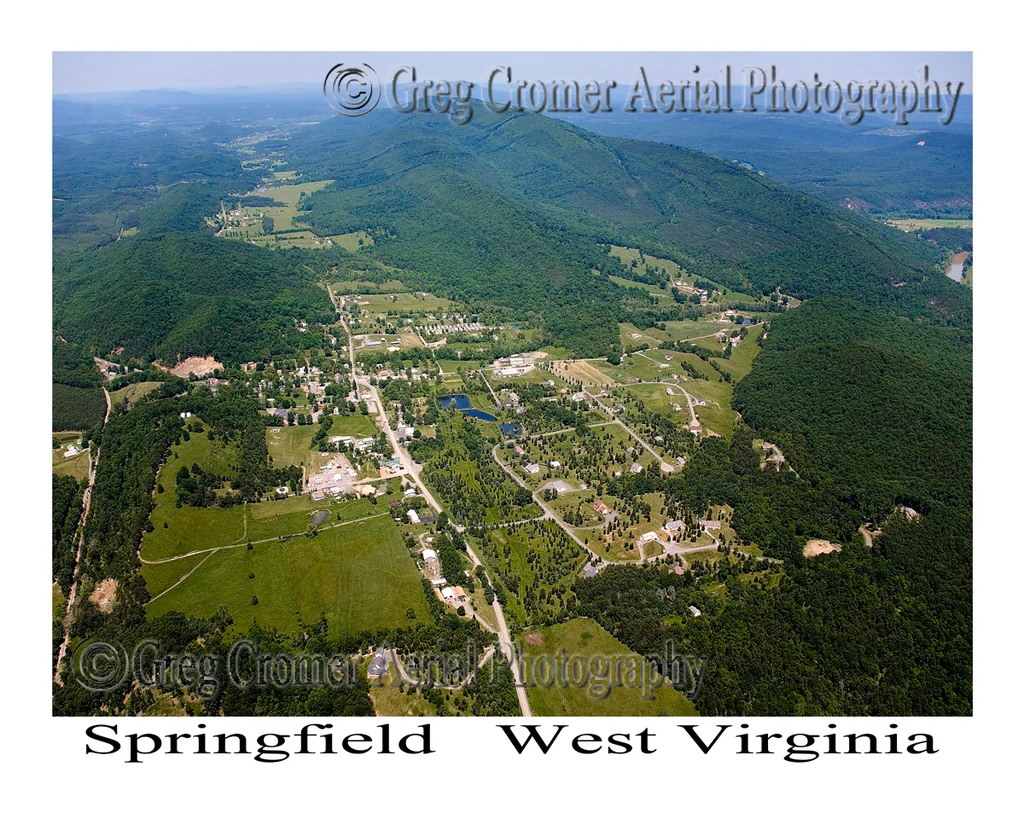
Springfield is a small unincorporated community in Hampshire County, West Virginia, tucked into the rolling hills of the state's Eastern Panhandle along the South Branch of the Potomac River. With only a few hundred residents, the community has the unhurried, rural feel that defines much of the river valley, and it serves as a quiet gateway to outdoor recreation, Civil War-era history, and some of West Virginia's most unusual natural features. Springfield sits approximately thirty miles south of Cumberland, Maryland, and about fifty miles west of Winchester, Virginia, putting it within an easy weekend's reach of the Washington, D.C., metropolitan area.
Just a short drive from Springfield, Ice Mountain Preserve protects one of the most distinctive natural sites in the Mid-Atlantic. Maintained by The Nature Conservancy, the preserve features rare ice vents and a sprawling talus slope that holds cold air year-round, creating a microclimate that shelters several plant species found nowhere else in the region at this latitude. Short hiking trails wind through the property, giving visitors a chance to experience this unusual landscape up close.
The South Branch Potomac River itself is one of the area's chief draws, winding past Springfield and offering paddlers, anglers, and scenic drivers a taste of classic Appalachian river country. Its calm stretches and gentle riffles have long attracted canoe and kayak trips, while the surrounding hardwood forests make the corridor especially beautiful in fall. Travelers can follow the river south toward Petersburg or simply enjoy the back roads that thread through the valley.
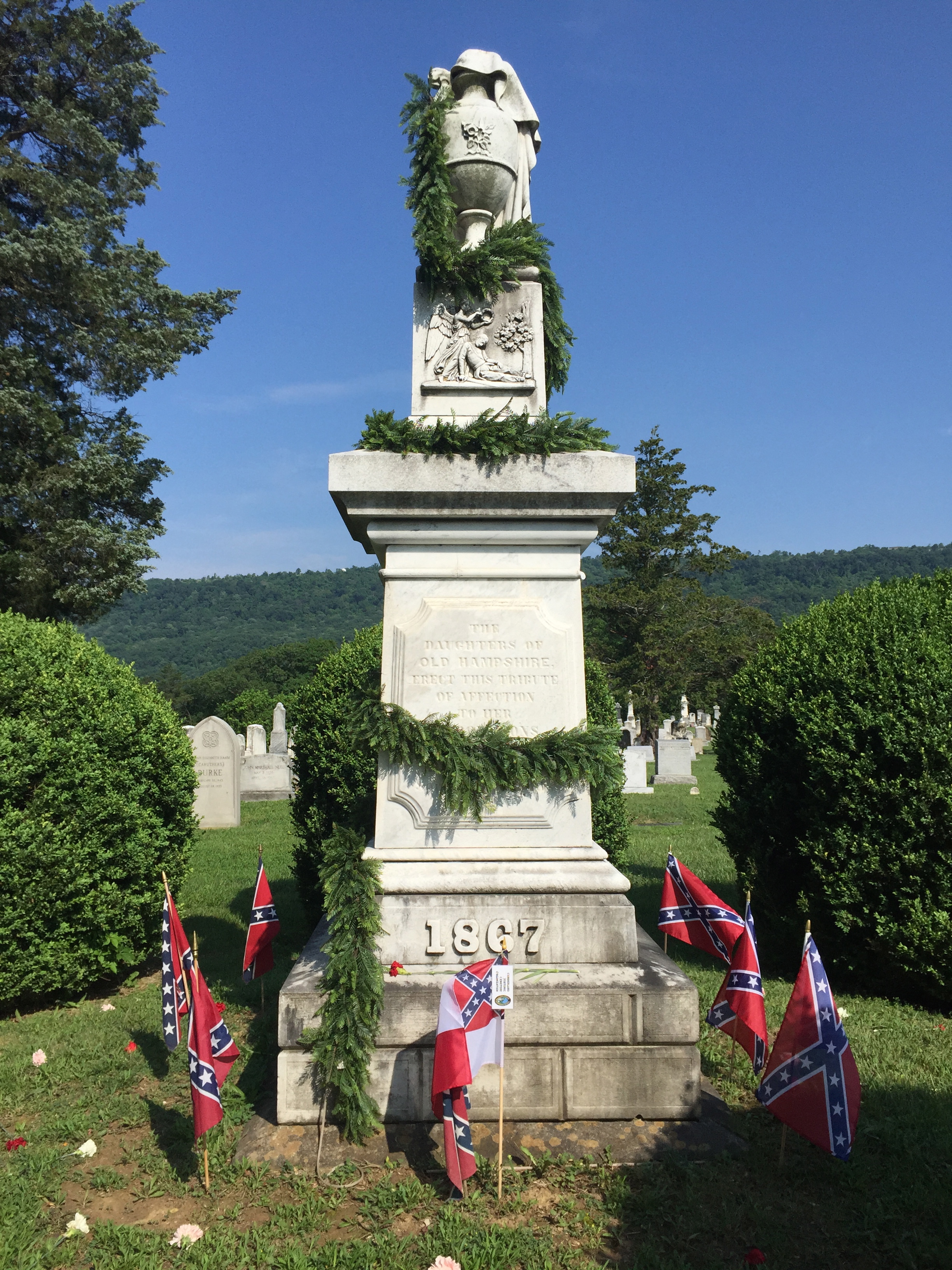
About fifteen minutes north of Springfield, the town of Romney serves as the seat of Hampshire County and one of West Virginia's oldest communities. Its small downtown is anchored by the Old Hampshire Courthouse and a handful of locally owned shops and restaurants. Romney's Civil War history is notable — the town changed hands between Union and Confederate forces dozens of times during the conflict, and a number of historic markers and buildings reflect that turbulent past.
For travelers willing to make a longer day trip, the broader Hampshire and Hardy county area offers additional outdoor options, including Lost River State Park in neighboring Hardy County, where hiking trails, picnic areas, and a historic lodge welcome visitors year-round. Together, these nearby attractions make Springfield a compelling base for travelers who want to experience West Virginia's quieter side — a place where river valleys, Civil War lore, and unusual natural wonders combine into a peaceful country escape.
Want to know if a property in Springfield is a good investment?
Enter an address to get instant revenue potential and comps.