
Lost City, West Virginia
Want to see how Lost City compares to other top cities in West Virginia? Explore all city regulations in West Virginia. →
Lost City, WV
Generally Investor Friendly
STR Regulations for Lost City, West Virginia
Overview: Are Short-Term Rentals Allowed in Lost City, West Virginia?
Yes, short-term rentals are explicitly allowed in Lost City, West Virginia. The content confirms that Lost City does not have specific local laws prohibiting short-term rental operations, making them permissible under current regulations. However, hosts must comply with applicable state-level regulations, county requirements, and general business laws to operate legally and avoid penalties.
What do Airbnb hosts actually earn in Lost City?
Lost City hosts earn a median $35,376/year with $221 ADR and 50% occupancy.
Top performers pull in $58,171+ per year.
See the full Lost City market breakdownHow to Start a Short-Term Rental Business in Lost City
Step 1: Market Assessment and Property Preparation
- Evaluate Property Suitability: Lost City offers opportunities for various accommodation types including cabins, cottages, farmhouses, and glamping options
- Seasonal Considerations: Peak seasons extend from late spring through summer and into fall, driven by outdoor tourism and proximity to George Washington National Forest
- Essential Amenities: Focus on outdoor spaces (decks, fire pits), modern comforts (Wi-Fi, fully equipped kitchens), and rustic charm that appeals to nature enthusiasts
Step 2: Legal Compliance Foundation
- Business Registration: Obtain a business registration certificate from the West Virginia State Tax Department for each physical rental location
- Application Process: Complete the West Virginia New Business Registration Application (WV Bus-App)
- Required Fees: Pay the current fee of $30 per location
- Business Entity Verification: Verify whether your business activities necessitate registering as a business entity with the state
Step 3: Tax Registration and Setup
- State Sales Tax Registration: Register for sales tax collection and remittance through the business registration process
- Local Tax Identification: Determine applicable local occupancy taxes for your specific location within Lost City
- Platform Registration: If using Airbnb, Vrbo, or similar platforms, understand their tax collection processes versus direct booking responsibilities
Required Documents, Permits, Licenses, and Guidelines
State-Level Requirements
- West Virginia Business Registration Certificate (Primary requirement)
- Sales Tax Registration (Included with business registration)
- Federal Tax ID (if applicable for business structure)
County-Level Considerations
- Hardy County Compliance: Verify any county-specific requirements for short-term rentals
- Local Business License: Check with Hardy County clerk's office for any county-level business licensing requirements
Municipal Requirements
- Municipal Business License: If property is within specific municipal boundaries within Lost City, obtain appropriate business license
- Zoning Compliance: Verify property zoning allows short-term rental operations
Additional Documentation
- Insurance Documentation: Obtain appropriate short-term rental insurance coverage
- Safety Compliance Records: Maintain documentation of safety equipment (smoke detectors, carbon monoxide detectors, fire extinguishers)
- HOA Documentation: If applicable, obtain written permission from homeowners associations
Specific Regulations for Short-Term Rentals
State-Level Regulations (West Virginia)
Tax Obligations
- State Sales Tax: Must collect and remit 6% West Virginia sales and use tax on all short-term rentals
- Local Hotel Occupancy Tax: Collect and remit local hotel occupancy tax, which varies by location but is typically between 0-6% of listing price
- Platform vs. Direct Bookings: Major platforms (Airbnb, Vrbo) often collect taxes automatically for platform-mediated bookings, but hosts remain responsible for direct bookings
Definition and Scope
- Short-Term Rental Definition: Residential properties offered for less than 30 consecutive days
- Compliance Requirements: Must comply with the same standards as hotels, motels, and B&Bs
Safety and Health Standards
- Smoke Detectors: Required in all sleeping areas and on each level
- Carbon Monoxide Detectors: Required in properties with fuel-burning appliances
- Fire Extinguishers: Recommended and may be required by local ordinances
- Emergency Planning: Maintain clear emergency exit plans and communication
County-Level Regulations (Hardy County)
- Zoning Compliance: Ensure property zoning permits short-term rental operations
- Building Standards: Comply with all applicable building and safety codes
- Permit Requirements: Verify any Hardy County-specific permit requirements
Local Considerations
- No City-Specific Ordinances: Lost City currently lacks specific local short-term rental ordinances
- HOA Restrictions: If property is part of an HOA, additional restrictions may apply
- Community Impact: Be mindful of local community concerns and housing market impacts
Operational Guidelines
- Quiet Hours: Implement quiet hour policies and communicate them clearly to guests
- Waste Management: Establish proper trash collection and recycling procedures
- Parking: Ensure adequate parking arrangements for guests
- Guest Communication: Maintain efficient communication channels due to the rural nature of the area
Tax Compliance and Remittance
State Tax Collection
- Registration Required: Must register with West Virginia State Tax Department
- Collection Obligations: Collect 6% state sales tax from all short-term rental guests
- Remittance Process: File regular tax returns with the West Virginia State Tax Department
Local Tax Considerations
- Local Hotel Occupancy Tax: Varies by location, typically 0-6% of booking cost
- Municipal Taxes: Check with local authorities for specific municipal tax requirements
- Platform Integration: Some jurisdictions have agreements with major platforms for automated tax collection
Exemptions
- Long-Term Stays: Rentals exceeding 30 days are typically exempt from lodging taxes
- Government Rentals: Rentals to certain government entities and nonprofits may be exempt
- Documentation: Maintain exemption certificates when applicable
Insurance and Safety Requirements
Insurance Considerations
- Standard Homeowner Policies: Typically inadequate for short-term rental activities
- Commercial Coverage: Consider commercial liability insurance covering short-term rental operations
- Platform Coverage: Understand limitations of platform-provided insurance (AirCover, etc.)
- Gap Coverage: Ensure coverage for direct bookings not covered by platforms
Health Department Considerations
- Primary Residence: If operating from your primary residence, may not require Health Department approval
- Commercial Operations: If operating from non-primary residence, may need Health Department lodging facility approval
- Commercial Insurance: Often required alongside Health Department approval
Contact Information for Local Authority
West Virginia State Tax Department
- Phone: Contact the Business Registration Division
- Website: West Virginia State Tax Department business registration portal
- Purpose: Business registration, tax account setup, compliance questions
Hardy County Government
- County Clerk's Office: Contact for county-level business licensing requirements
- Building Department: Verify building code compliance and permit requirements
- Purpose: County-specific regulations and permits
Local Municipal Authorities (if applicable)
- Municipal Clerk's Office: For properties within incorporated areas
- Business Licensing Department: For local business license requirements
- Purpose: Municipal-level compliance and licensing
Source Links
- RedAwning Market Overview - Lost City, WV
- Checkmate Rentals - Lost City, WV
- Proper Insurance - West Virginia STR Regulations
- Steadily - West Virginia Short-Term Rental Laws
Additional Investment Considerations
Market Performance
- Occupancy Rates: Average 55% occupancy rate in Lost City area
- Revenue Potential: Average monthly revenue of $26,835 with daily rate of $220
- Growth Trend: Active listings increased by 8% in the last year
Property Types in Demand
- Entire Homes: 93% of listings are entire homes
- Cabins and Cottages: High demand for rustic accommodations
- Modern Amenities: Essential amenities include Wi-Fi, parking, heating, and kitchens
Seasonal Strategy
- Peak Season: Summer and fall offer highest occupancy and revenue
- Pricing Strategy: Implement seasonal pricing to maximize revenue
- Maintenance Planning: Account for rural maintenance challenges with reliable local contacts
This guide provides a comprehensive framework for legally and successfully operating a short-term rental in Lost City, West Virginia, while ensuring full compliance with applicable regulations and maximizing investment potential.
Next step
Found a property in Lost City?
Paste any address and get estimated revenue, cash-on-cash return, and comparable STR performance in under 5 minutes. 3 free analyses per day.
Free brief
Get the free Lost City STR Investment Brief
Revenue data, top neighborhoods, seasonal trends, and the key regulations for Lost City, West Virginia in one email.
Lost City
Market Saturation Score
Photos of Lost City

Overview of Lost City
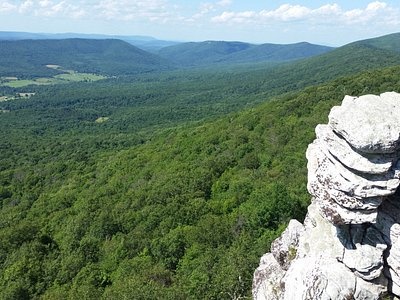
Lost City is a small unincorporated community nestled in the Appalachian ridges of Hardy County, in the Potomac Highlands of eastern West Virginia. With only a few hundred residents, the community has a quiet, rural character defined by rolling farmland, forested hollows, and the small river valleys typical of the region. It takes its name from the nearby Lost River, a waterway that famously disappears underground for several miles before resurfacing as the headwaters of the Cacapon River. The village functions largely as a gateway to some of the most unspoiled outdoor country in the Mountain State, sitting roughly 100 miles west of the Washington, D.C., metro area and about 60 miles from Winchester, Virginia, in a direction that quickly trades the bustle of the mid-Atlantic for the gentle pace of the highlands.
Just a few minutes from Lost City, Lost River State Park offers a quintessentially West Virginia mix of forest trails, picnic areas, and a small network of historic cabins. The park is best known for the spot where the Lost River slips into a sinkhole and vanishes, reappearing miles downstream. Beyond the cave, the park threads hiking paths through mixed hardwood and pine, and includes a Depression-era lodge and cabins that have been welcoming visitors for generations. It functions as the natural anchor for travelers who want to experience the area without straying far from a rental base.
A short drive to the west, Smoke Hole Canyon carves a serpentine path through the Allegheny Front along the South Branch Potomac River. Long a favorite of trout anglers and backcountry paddlers, the canyon is laced with limestone caverns, sheer palisades, and remote campsites that can be reached only by road or by river. The area falls within the Monongahela National Forest, and visitors can expect to find both developed put-in points and wilder stretches where the road simply ends and the woods take over. Its relative obscurity, even among West Virginians, is part of its appeal for guests seeking solitude.
Further afield, Seneca Rocks rises roughly 40 miles to the southwest in Pendleton County, its jagged Tuscarora sandstone formation one of the most recognizable landmarks in the eastern United States. The site is a pilgrimage for rock climbers, who come to test themselves on its exposed technical routes, while casual visitors can enjoy a paved overlook, a short trail to the base, and an adjacent visitor center. Together with the surrounding Spruce Knob–Seneca Rocks National Recreation Area, it gives travelers a full day of mountain scenery within easy reach of Lost City.
The combination of small-town quiet, dramatic river and mountain geography, and proximity to multiple state and national recreation areas makes Lost City a quietly compelling base for a short-term rental. Visitors who choose to stay here trade the crowds of more famous Appalachian destinations for a sense of being tucked into the mountains themselves, with the Lost River, Smoke Hole Canyon, and Seneca Rocks all close enough for a long day trip and rewarding enough to bring guests back season after season.
Want to know if a property in Lost City is a good investment?
Enter an address to get instant revenue potential and comps.