
Huntington, West Virginia
Want to see how Huntington compares to other top cities in West Virginia? Explore all city regulations in West Virginia. →
Huntington, WV
Generally Investor Friendly
STR Regulations for Huntington, West Virginia
Overview: STR Allowance Status in Huntington
Yes, short-term rentals ARE allowed in Huntington, West Virginia, but with important caveats and regulatory framework. The city operates under a unique regulatory approach where short-term rentals (defined as rentals under 30 days) are actually exempt from the residential rental registry requirements that apply to longer-term rentals. However, STR operators must still comply with general business licensing, safety standards, and tax obligations.
Huntington's approach is notably more permissive than some other West Virginia cities like Charleston and Morgantown, which have implemented specific STR licensing systems. Instead, Huntington treats short-term rentals through standard business regulatory channels rather than specialized vacation rental ordinances.
What do Airbnb hosts actually earn in Huntington?
Huntington hosts earn a median $21,422/year with $116 ADR and 69% occupancy.
Top performers pull in $29,934+ per year.
See the full Huntington market breakdownHow to Start a Short-Term Rental Business in Huntington
1. Research and Planning Phase
Before acquiring or converting property for STR use in Huntington, conduct thorough due diligence:
- Verify zoning compliance: Confirm short-term rentals are permitted in your target neighborhood through the Planning & Zoning office
- Review HOA restrictions: Check homeowners association bylaws, as these may contain prohibitions even where city regulations allow STRs
- Analyze market demand: Leverage data from platforms like Airbnb and Vrbo to understand local occupancy rates and pricing strategies
- Assess property suitability: Ensure your property meets safety standards and can accommodate short-term rental operations
2. Business Structure and Registration
- Obtain West Virginia Business Registration Certificate: Register through www.business4wv.com before conducting any business activities
- Choose business structure: Consider LLC formation for liability protection and tax advantages
- Obtain EIN: Secure federal employer identification number for tax reporting purposes
3. Local Licensing and Permits
- Huntington Business License: Required for all business activities within city limits ($20 annual fee)
- Certificate of Occupancy: May be required for new buildings or changes in occupancy/use ($75 inspection fee)
- Home Occupation Permit: If operating from residential property
4. Safety and Compliance Preparation
- Conduct safety inspection: Ensure property meets all applicable building, electrical, plumbing, and fire safety codes
- Install required safety equipment: Smoke detectors, carbon monoxide detectors, fire extinguishers, emergency exit lighting
- Establish local management: Designate local contact person for emergency response and compliance issues
5. Tax Registration and Setup
- West Virginia State Tax Department: Register for sales tax collection (6% state rate)
- Cabell County/Wayne County: Register for any local occupancy taxes
- Set up accounting system: Implement tracking for rental income, expenses, and tax obligations
Required Documents, Permits, Licenses, and Guidelines
Essential Licensing and Registration Documents
Business Registration Requirements:
- West Virginia Business Registration Certificate
- Huntington Business License Application
- Federal EIN (Employer Identification Number)
- Property ownership documentation (deed or property tax statement)
Safety and Compliance Documentation:
- Safety inspection certificates from city inspectors
- Insurance certificates (general liability coverage minimum $1 million recommended)
- Fire department approval letters
- Building, electrical, and plumbing compliance certificates
Operational Documentation:
- Local contact person information and authorization
- Guest registration and record-keeping systems
- Emergency response procedures and contact information
- Property management agreements (if using professional management)
Property Standards and Safety Requirements
Fire Safety Requirements:
- Smoke detectors in every bedroom and common areas (excluding kitchens)
- Carbon monoxide detectors in residences with fuel-burning appliances or attached garages
- Fire extinguishers accessible on each floor
- Emergency exit lighting and clearly marked escape routes
Building and Structural Standards:
- Visible address numbers on building exterior
- Handrails on all stairways
- Properly operating egress doors and bedroom windows
- Structural soundness and weather-tightness
Electrical System Compliance:
- No overloaded circuits or damaged insulation
- GFCI outlets within 6 feet of water sources
- Proper enclosure for breakable light bulbs
- Electrical service adequate for residential use
- 3-foot clearance around electrical equipment
Plumbing and Mechanical Standards:
- Exhaust fans in bathrooms without operable windows
- Hot water (minimum 110°F) and cold water to all fixtures
- Adequate heating system (gas ventless heaters cannot be primary heat source)
- Proper ventilation for all gas appliances
- Water heater disconnect accessibility
Specific Regulations for Huntington, Cabell County, and West Virginia
City of Huntington Regulations
Business Licensing Requirements:
- Annual business license fee: $20
- License expires June 30th each year
- Must display license number in all advertising and listings
- Quarterly Business & Occupation (B&O) tax filings required
- City Service Fee: $5 per week per employee working within city limits
Zoning and Land Use:
- Short-term rentals permitted in most zoning districts with proper business licensing
- No specific density restrictions for STRs (unlike some WV cities)
- Downtown entertainment districts and tourism zones offer more flexible operating environments
- Residential neighborhood compatibility standards apply
Occupancy and Operational Limits:
- Maximum occupancy determined by bedroom count and safety capacity
- Standard residential parking requirements apply
- Noise ordinances apply (quiet hours 10 PM - 8 AM typically enforced)
- Local contact person required for emergency response
Cabell County Regulations
County-Level Oversight:
- County health department oversight for sanitation standards
- Property tax assessments based on residential classification (not typically changed by STR use)
- Sheriff's office response to noise and disturbance complaints
- County fire marshal jurisdiction for larger properties
West Virginia State Regulations
State Tax Framework:
- 6% state sales tax on short-term rental bookings under 30 days
- Monthly tax filing requirements even during periods of zero occupancy
- Income subject to federal and state income tax
- Business registration required through State Tax Department
State Building and Safety Codes:
- National Electrical Code (NEC) 2020 compliance
- International Residential Code (IRC) 2018 standards
- International Plumbing Code (IPC) 2018 requirements
- West Virginia State Code applicable standards
Preemption and Local Authority:
- No state preemption of local STR regulations
- Cities and counties maintain broad authority to regulate
- Ongoing legislative consideration of statewide STR framework
- Current trend toward local control and customization
Contact Information for Local STR Authorities
City of Huntington - Primary Contacts
Business Licensing and Tax Collection:
- Finance Department
- Phone: (304) 696-5540
- Email: finance@huntingtonwv.gov
- Address: 800 5th Ave, Room 103, Huntington, WV 25701
- Mailing: P.O. Box 1659, Huntington, WV 25717
Planning and Zoning Department:
- Phone: (304) 696-5540
- Email: planningdept@huntingtonwv.gov
- Hours: Monday-Friday, 8:00 AM - 5:00 PM
Housing and Rental Inspections:
- Housing Inspection Division
- Phone: (304) 696-5540
- Email: housinginspection@huntingtonwv.gov
Inspection Department Contacts
Building Inspector:
- Todd Darst
- Phone: (304) 696-5540 ext. 2205
- Email: darstt@huntingtonwv.gov
Electrical Inspector:
- Joey Black
- Phone: (304) 696-5540 ext. 2206
- Email: blackl@huntingtonwv.gov
Plumbing Inspector:
- Chris Johnson
- Phone: (304) 696-5540 ext. 2210
- Email: johnsonc@huntingtonwv.gov
Fire Marshal:
- Alan Roby
- Phone: (304) 696-5950
- Email: robya@huntingtonwv.gov
State-Level Contacts
West Virginia State Tax Department:
- Phone: (304) 558-0393
- Website: tax.wv.gov
- Online registration: business4wv.com
Cabell County Assessor:
- Phone: (304) 526-9625
- Address: 1001 6th Avenue, Huntington, WV 25701
Source Pages and Additional Resources
Primary Regulatory Documents
- City of Huntington Rental Registry Packet (2025): https://www.cityofhuntington.com/assets/pdf/Rental_Registry_Packet_City_of_Huntington_Fillable_2025.pdf
- Huntington Municipal Code: Available at cityofhuntington.com
- West Virginia State Tax Department: https://tax.wv.gov/
Industry Analysis and Market Research
- RedAwning STR Regulations Guide: https://www.redawning.com/pm/post/west-virginia-short-term-rental-laws
- Checkmate Rentals Overview: https://www.checkmaterentals.com/blog/west-virginia-short-term-rental-rules
- Summer Vacation Rental Management Guide: https://www.gosummer.com/vacation-rental-management/huntington-west-virginia
Local Government Resources
- City of Huntington Official Website: https://www.huntingtonwv.gov/
- Planning & Zoning Department: Contact planningdept@huntingtonwv.gov
- Business License Application: Available online at cityofhuntington.com
Professional Services and Industry Resources
- West Virginia Realtors Association: https://www.wvrealtors.com/
- Huntington Regional Chamber of Commerce: https://www.huntingtonchamber.org/
- Cabell County Convention and Visitors Bureau: https://www.cabellcountytourism.com/
Important Note for Investors: While Huntington currently maintains a relatively permissive regulatory environment for short-term rentals, the landscape is evolving. City officials have indicated ongoing review of STR regulations, and changes could be implemented to address neighborhood concerns or revenue generation. Stay connected with city government communications and consider joining local investor groups to monitor regulatory developments that could impact your investment strategy.
Next step
Found a property in Huntington?
Paste any address and get estimated revenue, cash-on-cash return, and comparable STR performance in under 5 minutes. 3 free analyses per day.
Free brief
Get the free Huntington STR Investment Brief
Revenue data, top neighborhoods, seasonal trends, and the key regulations for Huntington, West Virginia in one email.
Huntington
Market Saturation Score
Photos of Huntington


Overview of Huntington
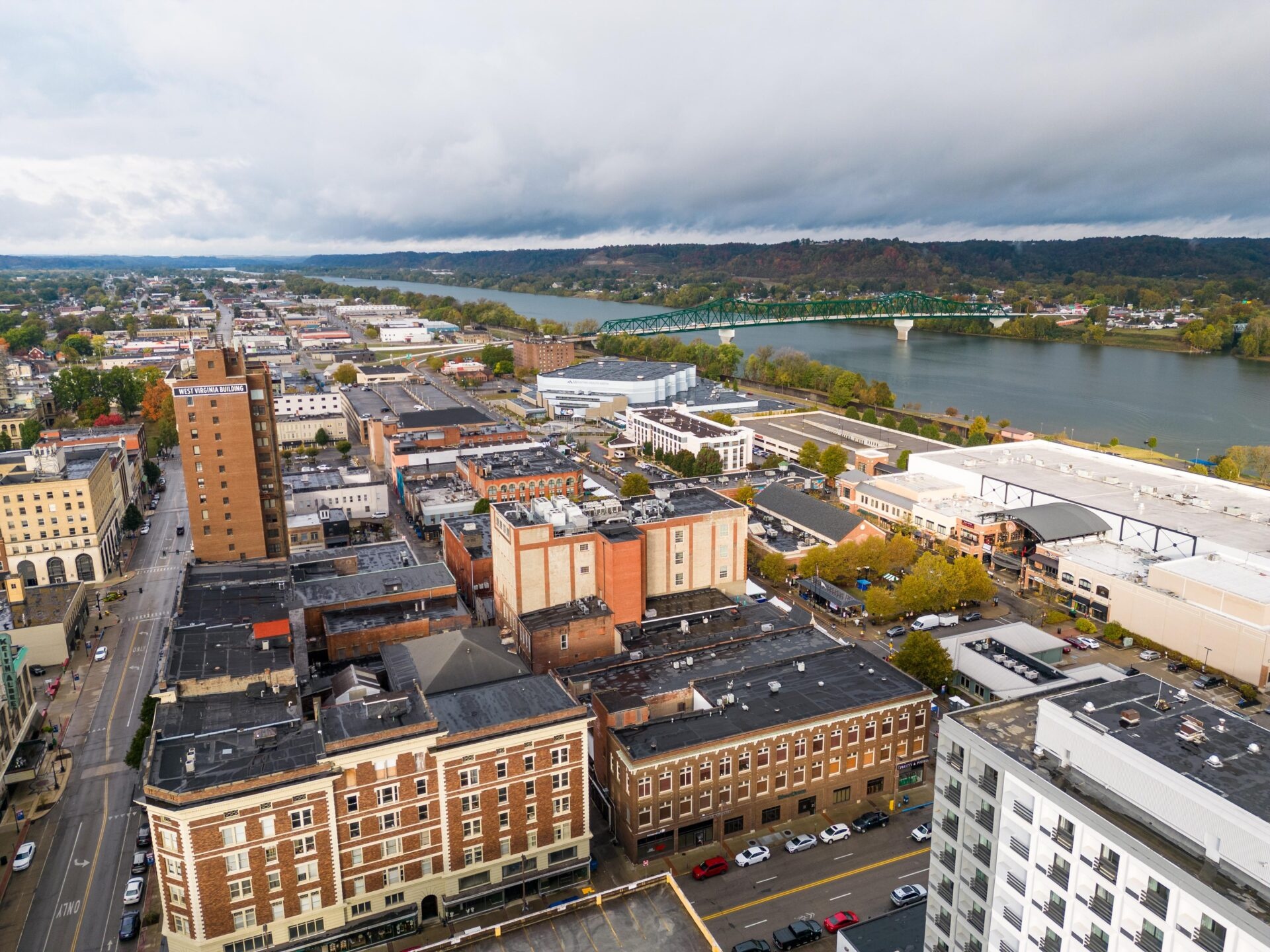
Huntington sits in western West Virginia at the confluence of the Ohio and Guyandotte rivers in Cabell County. With a city population of roughly 46,000, it is the second-largest city in the state, and its character is shaped by its riverfront location, its college-town energy from Marshall University, and a strong industrial heritage tied to the old C&O Railway. The city serves as a regional hub for the Tri-State area where West Virginia, Ohio, and Kentucky meet, and as a gateway to the rolling hills, state parks, and small historic towns of the Appalachian foothills. Charleston, the state capital and nearest major city, is about 50 miles to the east.
Marshall University is one of the city's defining institutions, both academically and culturally. Founded in 1837, the university brings a steady rhythm of students, sports, and events to the downtown area, and its football team, the Thundering Herd, has a passionate regional following. Visitors can stroll the campus, catch a game at Joan C. Edwards Stadium, or time their trip to one of the homecoming or commencement weekends that bring extra visitors to the city.
For a change of pace, Ritter Park offers a leafy escape near the heart of Huntington. Designed in the early twentieth century, the park is known for its walking trails, a small amphitheater that hosts free summer concerts, and a long-standing rose garden. Its whimsical pink elephant sculpture is a local landmark that has charmed generations of visitors and is a popular photo stop for first-time guests.
Just east of the city in the small town of Milton, the Blenko Glass Company has been producing hand-blown glass since 1893, and its visitor center welcomes guests to watch glassblowers at work and browse the colorful wares. The factory is a popular stop for travelers interested in Appalachian craft traditions, and the short drive makes it an easy half-day excursion from Huntington.
A bit farther afield, Chief Logan State Park, about an hour south, spreads across the heavily forested ridges of southern West Virginia and includes a wildlife center, a swimming complex, hiking trails, and a lodge. The park offers a comfortable introduction to the Appalachian outdoors and pairs well with a longer stay in the area.
With its riverfront setting, walkable downtown, college-town atmosphere, and proximity to outdoor destinations in every direction, Huntington makes a comfortable base for short-term rentals. Guests can spend their days exploring Marshall University events and the chili-parlor dining tradition the city is known for, then drive out to nearby state parks, glass factories, and historic river towns, all while staying in a community with a distinct Appalachian identity.
Want to know if a property in Huntington is a good investment?
Enter an address to get instant revenue potential and comps.