
Kirkland, Washington
Want to see how Kirkland compares to other top cities in Washington? Explore all city regulations in Washington. →
Kirkland, WA
Challenging To Investors
STR Regulations for Kirkland, Washington
Overview: Are Short-Term Rentals Allowed in Kirkland, WA?
Short-term rentals ARE ALLOWED in Kirkland, WA, but under strict regulations that prioritize owner-occupied properties. The City Council adopted Ordinance O-4607 in October 2017, specifically regulating short-term rentals as rentals lasting fewer than 30 days. The ordinance primarily applies to single-family residences, while multifamily residences are governed by individual complex rules. Kirkland requires business licenses for all commercial rental transactions, and the regulations emphasize owner-occupancy as a core requirement for short-term rental operations.
What do Airbnb hosts actually earn in Kirkland?
Kirkland hosts earn a median $38,254/year with $199 ADR and 76% occupancy.
Top performers pull in $51,969+ per year.
See the full Kirkland market breakdownHow to Start a Short-Term Rental Business in Kirkland
Starting a short-term rental business in Kirkland follows a structured process with multiple compliance steps:
-
Verify Property Eligibility: Ensure your property meets the primary residence requirement (owner or authorized agent must occupy the property as primary residence for at least 245 days per year)
-
State Registration: Register with the Washington State Department of Revenue to obtain a state business license
-
City Licensing: Apply for a City of Kirkland business license through the online business licensing portal or by completing the hand-delivered application form
-
Documentation Completion: Fill out and sign the mandatory short-term rental declaration form
-
Property Manager Assignment: Identify a property manager living within 15 miles for times when neither owner nor authorized agent occupies the property
-
Tax Registration: Set up lodging tax payments to the State of Washington
Required Documents, Permits, Licenses, and Guidelines
State Requirements:
- Washington State Department of Revenue business registration
- State business license
City Requirements:
- City of Kirkland business license application
- Completed and signed Short-Term Rental Declaration form (PDF)
- Documentation of property manager living within 15 miles
Compliance Documentation:
- Proof of primary residence occupancy (245+ days annually)
- Property manager identification and contact information
- Business license fee payment ($230 annually for most short-term rentals)
- Lodging tax registration and payment setup
Special Situations:
- Detached Accessory Dwelling Unit (ADU) registration
- Multifamily complex compliance verification
- Condo/Homeowners Association rule compliance verification
Specific Regulations for Short-Term Rentals
Primary Residence Requirements
Owner-Occupied Continuous Living: Properties where the owner or authorized agent lives continuously as primary residence have no day limitations but cannot exceed two short-term rentals at any one time.
245-Day Minimum Occupancy: Properties where owner or authorized agent occupies property for at least 245 days (but not continuously) are limited to 120 days of short-term rentals per year, with mandatory property manager identification during absences.
Non-Qualifying Properties: Properties that don't meet the 245-day occupancy requirement cannot operate as short-term rentals but may operate as long-term rentals (30+ days).
Parking Requirements
Short-term rental properties must provide one parking stall per short-term rental. If permanent residents live in the dwelling unit, two additional parking stalls are required. Parking can be provided in garages, driveways, or as legal on-street parking immediately adjacent to the dwelling unit, following the same requirements as bed and breakfast establishments.
Business License Fees
- Standard Fee: $230 annually ($100 base fee + $130 Regulatory License fee per employee, minimum one employee)
- Low Revenue Option: $50 annually for businesses with gross receipts under $20,000
- New Business Incentive: First-year exemption from the Regulatory License fee
Tax Obligations
State Lodging Tax: Required for all short-term rentals, payable to Washington State Department of Revenue. Some platforms like Airbnb collect and remit these taxes on behalf of hosts, while others require direct payment by the property owner.
City Business Tax: Kirkland charges no Business and Occupation tax.
Property-Specific Regulations
Accessory Dwelling Units (ADUs): Detached ADUs can be rented as short-term rentals after obtaining proper state and city business licenses, subject to the same occupancy requirements as primary structures.
Multifamily Properties: Generally governed by individual complex rules, with city short-term rental requirements typically not applying to condominiums and similar multifamily settings.
Authorized Agents: Must be identified on the city license application and meet the same occupancy requirements as owners when serving in this capacity.
Contact Information for Local Authority
City Hall
- Address: 123 5th Ave, Kirkland, Washington 98033
- Phone: 425-587-3000
Police Department
- Address: 11750 NE 118th Street, Kirkland, Washington 98034
- Phone: 425-587-3400
- Emergency: 9-1-1
Municipal Court
- Address: 11740 NE 118th Street, Kirkland, Washington 98034
- Phone: 425-587-3160
TTY Relay Service: 711
Online Complaint Portal: Available through the city's "Our Kirkland" portal for non-emergency enforcement requests
Links to Source Pages
Important Note: This guide reflects regulations as of the provided content. Short-term rental regulations can change, and investors should verify current requirements with the City of Kirkland before making investment decisions. The city may analyze compliance levels and reach out to unlicensed operators, with potential penalties including license revocation, nuisance actions, or misdemeanor charges for operating without proper licensing.
Next step
Found a property in Kirkland?
Paste any address and get estimated revenue, cash-on-cash return, and comparable STR performance in under 5 minutes. 3 free analyses per day.
Free brief
Get the free Kirkland STR Investment Brief
Revenue data, top neighborhoods, seasonal trends, and the key regulations for Kirkland, Washington in one email.
Kirkland
Market Saturation Score
Photos of Kirkland


Overview of Kirkland
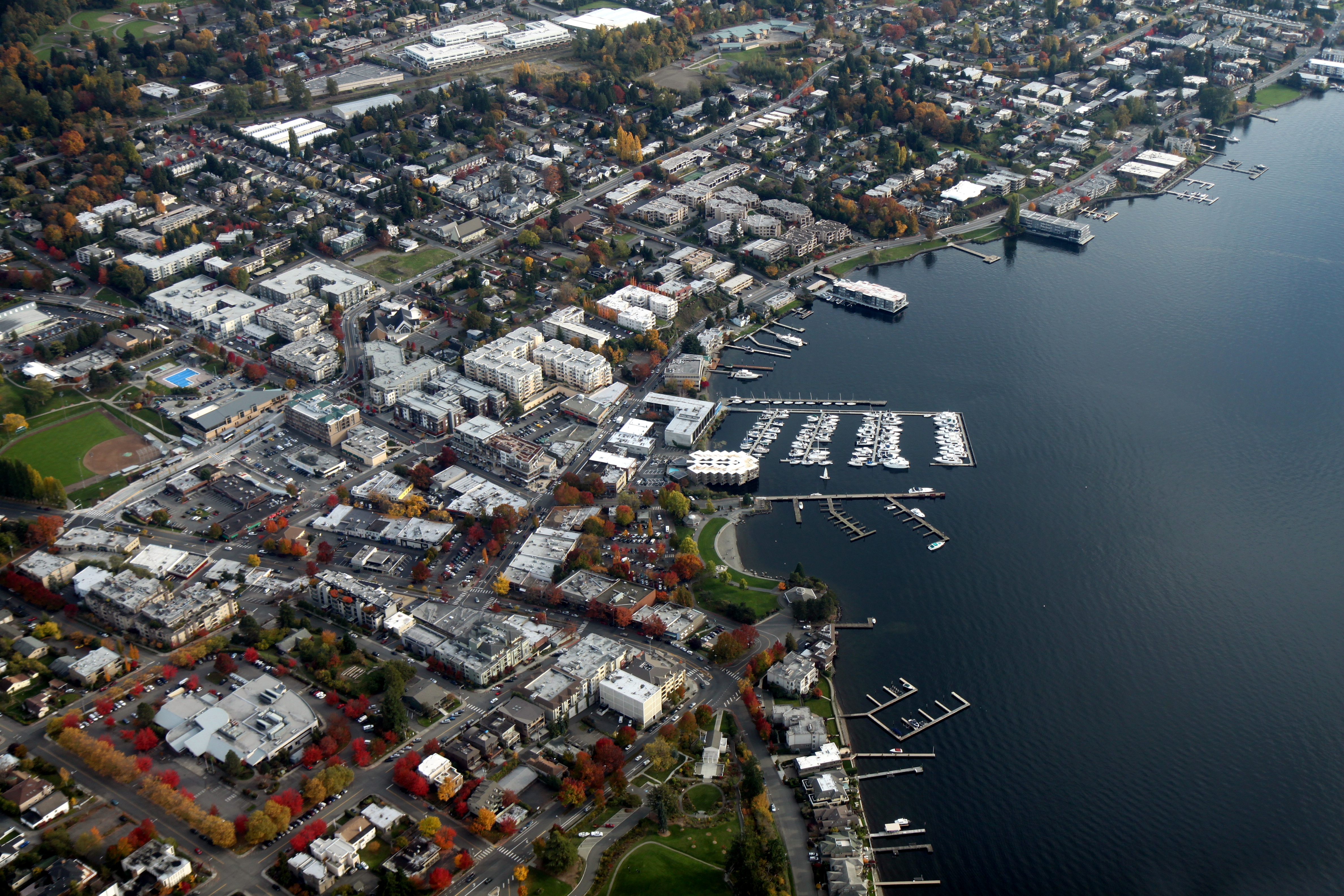
Kirkland is a waterfront city in King County, Washington, situated on the eastern shore of Lake Washington just across the water from Seattle. With a population of roughly 93,000, it functions as one of the more established suburban cities on Seattle's Eastside, known for its lively downtown waterfront, lakeside parks, and an easygoing blend of small-city charm and metropolitan convenience. It serves as a comfortable base for visitors who want to explore Seattle without staying directly in the city, and as a gateway to the wineries of Woodinville, the tech campuses of the Eastside, and the broader Puget Sound region. Downtown Seattle is about five miles to the west across Lake Washington, typically a 15- to 25-minute drive depending on traffic and which of the two floating bridges a traveler takes.
The heart of Kirkland is its downtown waterfront, a walkable stretch of parks, restaurants, art galleries, and public art along the lake. Marina Park anchors the north end with views back toward Seattle's skyline and is a popular spot for evening strolls. Most of the city's visitor amenities are clustered within a short walk of the waterfront core, which makes the area feel compact and navigable on foot.
Just to the northeast, the Sammamish River Trail and the Cross Kirkland Corridor offer miles of paved walking and biking paths that connect Kirkland to neighboring Redmond and beyond. The corridors are popular with locals and visitors alike for leisurely rides and runs through low-key suburban scenery, and they tie into a wider regional trail network used for commuting and recreation.
A short drive east, about ten to fifteen minutes, brings visitors to Woodinville, a small town that has become one of the Pacific Northwest's most concentrated wine-tasting destinations. Dozens of wineries operate tasting rooms in the area, anchored by the historic Chateau Ste. Michelle estate, and the town draws weekend visitors from across the Seattle metro.
To the west, Seattle is reachable in roughly twenty minutes via the Interstate 90 or State Route 520 bridges. From Kirkland, day trips into the city are straightforward, and visitors can return to a quieter, more residential setting at the end of the day. The neighboring city of Bellevue, just a few miles to the south, adds shopping, dining, and additional urban amenities to the mix.
Kirkland is a compelling base for short-term rentals because it offers a softer, more residential alternative to staying in Seattle while keeping the city within an easy commute. The combination of lake views, walkable downtown, regional trail access, and proximity to both Seattle and Woodinville's wine country gives the city broad appeal to leisure travelers, business visitors working on the Eastside, and families looking for space and outdoor access during a Puget Sound stay.
Want to know if a property in Kirkland is a good investment?
Enter an address to get instant revenue potential and comps.