
Troy, Vermont
Want to see how Troy compares to other top cities in Vermont? Explore all city regulations in Vermont. →
Troy, VT
Generally Investor Friendly
STR Regulations for Troy, Vermont
Short-Term Rental Investment Guide: Troy, Vermont
Executive Overview: Are Short-Term Rentals Allowed in Troy, VT?
Short-term rentals are explicitly allowed in Troy, Vermont. Troy permits short-term rental operations through its zoning framework, which recognizes lodging facilities and bed & breakfasts as conditional uses in multiple zoning districts. Additionally, Vermont state law explicitly defines and regulates short-term rentals, requiring compliance with tax obligations and registration requirements.
The regulatory environment operates on two levels: (1) Vermont state regulations that apply statewide and define short-term rental requirements, and (2) local Troy zoning bylaws that determine where lodging operations can be located. Investors must comply with both state tax requirements and local land use regulations.
What do Airbnb hosts actually earn in Troy?
Troy hosts earn a median $35,600/year with $347 ADR and 52% occupancy.
Top performers pull in $50,050+ per year.
See the full Troy market breakdownHow to Start a Short-Term Rental Business in Troy, VT
Step 1: Determine Your Property's Zoning Classification
Before establishing a short-term rental, verify that your property is located in a zoning district that permits lodging facilities. According to Troy's Zoning Bylaw, lodging operations are allowed as conditional uses in:
Rural District:
- Lodging Facility (conditional use)
- Bed & Breakfast (conditional use)
Village District:
- Lodging Facility (conditional use)
- Bed & Breakfast (conditional use)
Commercial-Residential District:
- Lodging Facility (conditional use)
- Bed & Breakfast (conditional use)
Industrial District:
- No specific lodging provisions listed
Step 2: Secure Zoning Approval
Since lodging facilities and bed & breakfasts are conditional uses in Troy, you must:
- Submit to Administrative Review by the Zoning Administrator
- Apply for Conditional Use Review by the Board of Adjustment
- Attend a public hearing with proper notice
- Demonstrate compliance with Troy's performance standards and district objectives
Step 3: Comply with State Tax and Registration Requirements
Register with Vermont Department of Taxes if:
- Renting independently (off-platform), regardless of rental volume
- Your property requires a lodging license (3+ rooms or food prepared onsite)
- You have rental income from multiple properties
Platform Users: If you rent exclusively through online platforms, the platform handles tax collection and registration. However, you must still report rental income on your Vermont tax return.
Step 4: Obtain Required Permits and Licenses
Zoning Permits:
- Zoning permit from Zoning Administrator (valid for 2 years)
- Site plan approval from Planning Commission
- Conditional use approval from Board of Adjustment
- Posting permit on property within 24 hours of issuance
Potential Health Department Licensing:
- Required if operating 3+ guest rooms
- Required if preparing food for guests onsite
- Contact Vermont Department of Health for licensing details
Required Documents, Permits, Licenses, and Guidelines
Municipal Requirements
Zoning Application Package:
- Complete zoning permit application
- Site plan showing property dimensions, existing/proposed structures, setbacks, water/wastewater systems
- Sketch plan (minimum 8.5" x 11", drawn to scale)
- Application fees as set by Troy Selectboard
- Proof of conditional use approval from Board of Adjustment
- Vacation rental business plan (recommended)
Site Plan Requirements:
- Property boundaries and dimensions
- Location and footprint of all structures (existing and proposed)
- Driveways, access points, and parking areas
- Utilities (water, wastewater, easements)
- Setbacks from property boundaries, roads, surface waters
- Snow removal/storage areas
Conditional Use Review Documentation:
- Detailed description of proposed operation
- Traffic impact analysis
- Parking provisions
- Water/wastewater capacity verification
- Neighborhood compatibility assessment
- Business operations plan
State Requirements
Tax Registration:
- Business tax account registration with Vermont Department of Taxes (if required)
- Meals and Rooms Tax registration (Form MRT-441)
- Federal EIN (if operating as business entity)
Compliance Documentation:
- Property deed or lease agreement
- Insurance documentation
- Health department license (if applicable)
- Vermont Personal Income Tax registration for reporting rental income
Specific Regulations for Short-Term Rentals
State-Level Regulations (Vermont)
Definition and Scope: Short-term rentals are defined as "a furnished house, condominium, or other dwelling room or self-contained dwelling unit rented to the transient, traveling, or vacationing public for a period of fewer than 30 consecutive days and for more than 14 days per calendar year."
Tax Obligations (effective August 1, 2024):
- 3% short-term rental surcharge (new)
- 9% Vermont rooms tax
- 1% local option tax (if applicable - check with Troy)
- All taxes remitted using Form MRT-441, Meals and Rooms Tax Return
Filing Requirements:
- Electronic filing required for businesses remitting the surcharge
- Returns due monthly (due 25th of following month)
- Use myVTax online system for filing and payment
Income Reporting:
- All rental income subject to Vermont Personal Income Tax
- Report on state tax returns even if using platforms
Licensing Requirements:
- Lodging establishments with 3+ rooms require health department license
- Properties where food is prepared onsite require health department license
- Short-term rentals with 2 or fewer rooms and no food service don't need lodging licenses
Municipal Regulations (Troy, Vermont)
Zoning Compliance:
- Must be located in Rural, Village, or Commercial-Residential district
- Subject to conditional use review in all districts
- Must comply with district-specific dimensional requirements
Dimensional Standards by District:
Rural District:
- Minimum lot area: 1 acre
- Frontage: 125 feet
- Setbacks: 40' front, 25' side, 25' rear
Village District:
- Lot area varies by classification (12,500-40,000 sq ft)
- Frontage: 100 feet
- Setbacks: 30' front, 20' side, 20' rear
Commercial-Residential District:
- Minimum lot area: 1 acre
- Frontage: 150 feet
- Setbacks: 50' front, 25' side, 25' rear
Performance Standards:
- Noise cannot exceed 70 decibels at property line
- No smoke exceeding Ringlemann Chart No. 2
- No noxious gases that endanger health or comfort
- No vibration creating displacement of 0.002 inches
- No glare that impairs driver vision
- No fire, explosion, or safety hazards
- Wastewater must comply with state regulations
Accessory Dwelling Units:
- Permitted if owner-occupied single-family dwelling
- Maximum 50% of habitable floor area (up to 1,500 sq ft)
- Must have independent living facilities
- Subject to wastewater capacity requirements
Home Occupation Provisions:
- Must be clearly incidental and secondary to residential use
- Conducted by family members plus up to 2 non-family employees
- No traffic generation uncharacteristic of neighborhood
- Exterior signs limited to 4 square feet
Parking Requirements
- 2 spaces per single dwelling unit
- 1 space per accessory dwelling unit
- 1.5 spaces per unit of multi-unit dwelling
- Off-street parking required for all other uses (determined through site plan review)
Contact Information
Troy Municipal Contacts
Zoning Administrator
- Address: Troy Town Clerk's Office (official zoning map location)
- Contact through Troy Town Clerk for current Zoning Administrator information
Troy Town Clerk
- Phone: Contact through Vermont Municipal Directory
- Address: Town of Troy, Vermont
Planning Commission
- Appointed by Selectboard
- 5-7 members
- Contact through Town Clerk for current members
Board of Adjustment
- Handles conditional use reviews, appeals, variances
- May consist of Planning Commission members until separate board appointed
State Contacts
Vermont Department of Taxes
- Commissioner Bill Shouldice
- Deputy Commissioner Rebecca Sameroff
- Phone: 802-828-2505
- Taxpayer Services: 802-828-2865
- Hours: Monday, Tuesday, Thursday, Friday, 7:45 AM - 4:30 PM
- Website: tax.vermont.gov
- Address: 133 State Street, Montpelier, VT 05602
- Online filing: www.myvtax.vermont.gov
Vermont Department of Health
- Lodging Establishments Program
- Website: healthvermont.gov
- Phone: Contact through department directory
Important Considerations for STR Operators
County-Level Information
Troy is located in Orleans County. The provided content doesn't include specific county-level short-term rental regulations. Investors should contact Orleans County officials to verify if additional county requirements exist.
Seasonal Considerations
- Vermont has distinct seasonal tourism patterns
- Winter sports season (December-March) and summer tourism (June-September) create peak demand
- Plan for snow removal and winter maintenance requirements
- Property insurance should account for seasonal vacancy periods
Regulatory Updates
- Troy Zoning Bylaw was last updated in October 2010
- Vermont short-term rental surcharge took effect August 1, 2024
- Regular monitoring of municipal and state regulatory changes is essential
- Contact town officials annually to verify current requirements
Best Practices for Compliance
- Maintain detailed records of all rental income and expenses
- Keep copies of all permits, licenses, and approvals on-site
- Establish relationships with local officials for ongoing guidance
- Consider joining local business associations for networking
- Work with local attorneys familiar with Vermont property law
Source Links
- Vermont Department of Taxes - Short-Term Rentals
- Troy Zoning Bylaw (October 18, 2010)
- Act 183 of 2024 - Short-Term Rental Surcharge
- Vermont Department of Health - Lodging Establishments
- Vermont Local Option Tax Information
- Getting Started with Meals and Rooms Tax
- Vermont Personal Income Tax Information
Disclaimer: This guide is based on the provided content as of the date of creation. Regulations may have changed. Always verify current requirements with local authorities and legal counsel before making investment decisions.
Next step
Found a property in Troy?
Paste any address and get estimated revenue, cash-on-cash return, and comparable STR performance in under 5 minutes. 3 free analyses per day.
Free brief
Get the free Troy STR Investment Brief
Revenue data, top neighborhoods, seasonal trends, and the key regulations for Troy, Vermont in one email.
Troy
Market Saturation Score
Photos of Troy

Overview of Troy
Troy is a small rural town in Orleans County in Vermont's remote Northeast Kingdom, with a population of approximately 1,700 residents. Tucked into the rolling hills and forests of northern Vermont, the town has the quiet, woodsy character that defines much of this corner of New England, with a modest village center surrounded by farmland, sugar woods, and the foothills of the Green Mountains. It serves as a peaceful gateway to the Jay Peak area, one of the region's biggest year-round draws, and sits roughly 90 miles northeast of Burlington, Vermont's largest city. The Canadian border at the north end of the state is also only a short drive away, giving the area an international flavor that distinguishes it from the rest of Vermont.
Just a short drive north of Troy, Jay Peak Resort anchors much of the area's tourism economy. The mountain draws skiers and snowboarders in winter with its well-known snowfall and glade skiing, and in the warmer months it shifts to mountain biking, hiking, and the indoor water park at the resort base. The drive from Troy's village center to the resort is roughly twenty minutes along local roads, making the town a feasible base for visitors who prefer quieter, more affordable lodging over staying directly on the mountain.
A short drive east brings visitors to Newport, the shire town of Orleans County, which sits on the southern shore of Lake Memphremagog. The lake, a long glacial body of water that stretches north across the border into Quebec, is popular for fishing, kayaking, paddleboarding, and scenic boat cruises during the summer months. Newport's small waterfront, with its restaurants, marina, and public park, offers a relaxed day-trip destination about fifteen to twenty minutes from Troy.
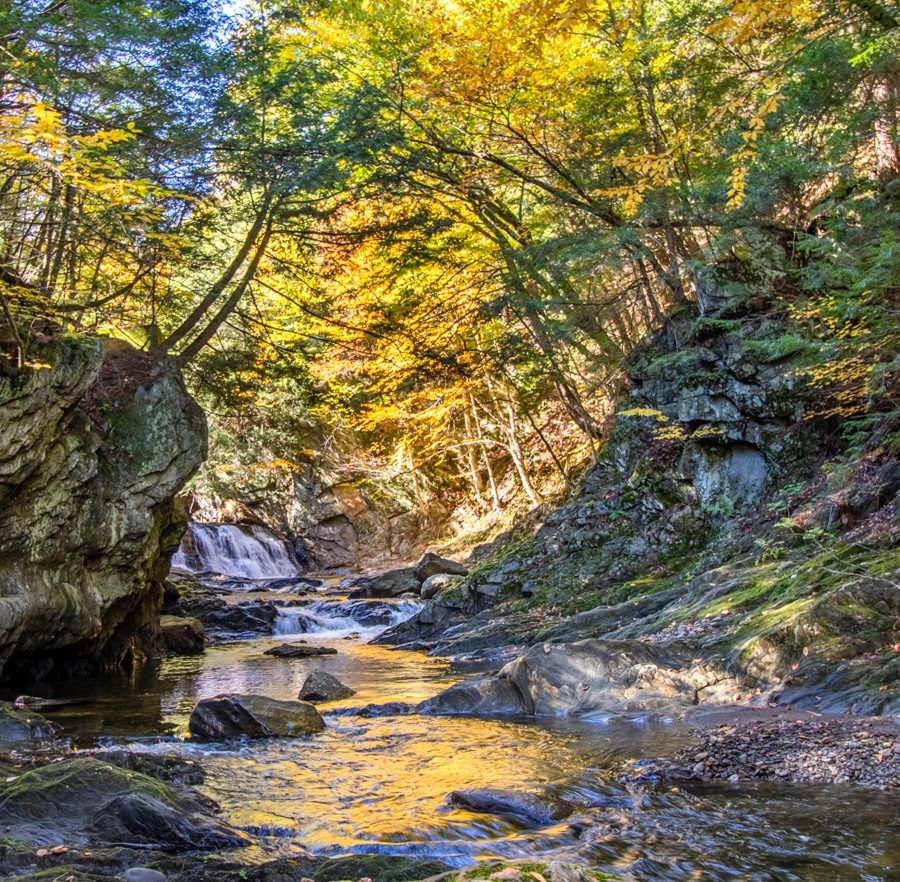
The surrounding landscape is itself a major draw, with thousands of acres of state and private forest laced with hiking, snowmobile, and cross-country ski trails. The region is also well known for its wildlife viewing, with opportunities to spot moose, deer, and migratory birds, particularly in the early morning and evening hours. Quiet backroads, small swimming holes, and working farmland offer the kind of low-key exploration that visitors to the Northeast Kingdom often seek out.
Troy's combination of small-town quiet, proximity to Jay Peak, easy access to Lake Memphremagog, and a landscape defined by forest, mountain, and water makes it a natural fit for short-term rentals aimed at travelers who want a genuine rural Vermont experience. Visitors can return from a day on the slopes or the lake to a peaceful community well off the main tourist track, which is exactly the appeal that draws so many guests to the Northeast Kingdom in the first place.
Want to know if a property in Troy is a good investment?
Enter an address to get instant revenue potential and comps.