
Island Pond, Vermont
Want to see how Island Pond compares to other top cities in Vermont? Explore all city regulations in Vermont. →
Island Pond, VT
Generally Investor Friendly
STR Regulations for Island Pond, Vermont
Overview: Are Short-Term Rentals Allowed in Island Pond, VT?
Yes, short-term rentals are allowed in Island Pond, Vermont. The town permits short-term rental operations, though investors must comply with both state-level Vermont regulations and local zoning requirements. Island Pond operates under Vermont's broader permissive regulatory framework for short-term rentals, making it an accessible market for vacation rental investors. However, property owners must navigate tax obligations, potential permit requirements, and health and safety standards to operate legally.
What do Airbnb hosts actually earn in Island Pond?
Island Pond hosts earn a median $15,116/year with $221 ADR and 37% occupancy.
Top performers pull in $23,761+ per year.
See the full Island Pond market breakdownHow to Start a Short-Term Rental Business in Island Pond
Starting a short-term rental business in Island Pond requires following a systematic approach that addresses both regulatory compliance and market positioning:
1. Market Research and Property Acquisition
Begin by analyzing Island Pond's unique market dynamics. The town attracts outdoor enthusiasts due to its proximity to Brighton State Park, the Clyde River, and extensive hiking trails. Properties that emphasize lakefront views, trail access, or proximity to winter sports facilities command premium rates. The market experiences significant seasonality, with peak demand during fall foliage season and summer months, while winter demand focuses on snowmobiling and ice fishing activities.
2. Regulatory Compliance Setup
Before accepting bookings, ensure full compliance with Vermont state requirements and any local regulations. Register with the Vermont Department of Taxes to collect and remit the required meals and rooms tax. Verify whether Island Pond requires additional permits for short-term rental operations, as the town may classify these as commercial uses requiring permits.
3. Property Preparation and Safety Compliance
Equip your property with required safety features including smoke detectors and carbon monoxide detectors. Given Island Pond's rural character and harsh winter conditions, ensure adequate heating systems, proper insulation, and emergency maintenance procedures. Properties that blend rustic charm with modern conveniences tend to perform better in this market.
4. Professional Management Considerations
Consider whether to self-manage or hire professional property management services. Island Pond's seasonal nature requires dynamic pricing strategies and responsive guest service. Professional managers typically charge 25-30% of revenue but provide essential services including pricing optimization, guest communication, and emergency maintenance that local guests expect.
Required Documents, Permits, Licenses, and Guidelines
State-Level Requirements (Vermont)
Vermont Department of Taxes Registration
- Requirement: All short-term rental hosts must register with the Vermont Department of Taxes
- Tax Obligation: Collect and remit 9% Rooms and Meals Tax on all bookings under 30 days
- Filing Frequency: Monthly remittance required
- Process: Register online through the Vermont Department of Taxes portal
- Compliance Note: Operators remain ultimately responsible for tax compliance regardless of platform collection
Meals and Rooms Tax Details
- Applies to all bookings shorter than 30 days
- 9% tax rate on total rental charges
- Monthly filing and payment required
- Bookings of 30 days or longer generally exempt from meals and rooms tax
Local Requirements (Island Pond)
Potential Permit Requirements
- Status: Island Pond may classify short-term rentals as commercial use requiring permits
- Investigation Needed: Contact local zoning authorities to verify specific permit requirements
- Zoning Compliance: Ensure property is zoned for short-term rental operations
- Variations: Requirements may vary based on property location and zoning district
Health and Safety Standards
- Smoke Detectors: Required in all sleeping areas and common areas
- Carbon Monoxide Detectors: Required in properties with fuel-burning appliances
- Safety Standards: Properties must meet basic habitability standards for transient occupancy
- Winter Preparedness: Properties must maintain adequate heating and winter weather readiness
Specific Regulations: City, County, and State Level
State Regulations (Vermont)
Tax Framework Vermont maintains a straightforward tax structure for short-term rentals, requiring registration and 9% meals and rooms tax collection on bookings under 30 days. The state has increased enforcement in recent years, making compliance essential to avoid penalties and back-tax assessments.
Regulatory Philosophy Vermont generally maintains a permissive approach to short-term rentals compared to neighboring states, with most regulations focusing on tax collection rather than operational restrictions.
County Level (Essex County)
Limited County-Specific Regulations The provided content does not specify Essex County-level regulations for short-term rentals. Island Pond operates within Essex County, but county regulations appear minimal compared to state requirements.
Local Level (Island Pond)
Zoning Considerations Short-term rentals in Island Pond may be subject to local zoning classifications that determine whether rental operations are permitted in specific areas. Some properties may require zoning permits or conditional use approvals to operate legally.
Commercial Use Classification Island Pond may classify short-term rentals as commercial uses, triggering permit requirements and potential additional compliance obligations. This classification affects both zoning compliance and tax treatment.
Varying Requirements Local requirements can vary by specific location within Island Pond, making it essential to verify regulations for your particular property before beginning operations.
Contact Information for Local Authority
Note: The provided content does not include specific contact information for Island Pond's local authority responsible for short-term rentals. Based on Vermont's municipal structure, contact the following entities:
Island Pond Town Administration
- Contact Purpose: Zoning permits, local registration requirements, compliance questions
- Research Needed: Obtain current contact information through Essex County directory or Vermont Municipal League
Vermont Department of Taxes
- Phone: (802) 828-2551
- Website: tax.vermont.gov
- Purpose: State tax registration, meals and rooms tax compliance, filing assistance
Essex County Planning and Zoning
- Purpose: Zoning verification, permit requirements, land use compliance
- Research Needed: Obtain current contact information
Recommendation: Contact the Island Pond town offices directly to identify the specific department or official responsible for short-term rental oversight and obtain current contact information.
Links to Source Pages
Primary Sources
- Vermont Short-Term Rental Regulations: www.gosummer.com/vacation-rental-management/island-pond-vermont
- Vermont Market Analysis: www.steadily.com/blog/top-short-term-rental-markets-vermont
- Vermont Department of Taxes: tax.vermont.gov (registration portal)
Research Recommendations
- Municipal Research: Contact Island Pond town offices for local ordinance documentation
- County Resources: Essex County planning department for zoning regulations
- State Resources: Vermont Agency of Commerce and Community Development for tourism and business licensing information
Investment Considerations for Island Pond Market
Market Positioning Island Pond's appeal centers on outdoor recreation and natural beauty, with properties featuring lakefront access, trail proximity, and rustic charm commanding premium rates. The market responds well to properties that emphasize outdoor amenities and authentic Vermont experiences.
Seasonal Dynamics Summer and fall represent peak revenue periods, while winter demand focuses on snowmobiling and winter sports. Properties must optimize pricing strategies to maximize revenue during peak seasons while maintaining competitiveness during slower periods.
Operational Challenges Island Pond's rural location and seasonal weather conditions require robust maintenance protocols and reliable local service providers. The market's small-town character means reputation management and neighbor relations significantly impact long-term success.
Regulatory Monitoring Stay informed about evolving regulations at both state and local levels. Vermont's permissive approach may change as municipalities address housing affordability and neighborhood character concerns.
This guide provides foundational information for Island Pond short-term rental investment based on available sources. Given the limited local regulatory detail in the provided content, investors should conduct additional research with local authorities to ensure complete compliance before beginning operations.
Next step
Found a property in Island Pond?
Paste any address and get estimated revenue, cash-on-cash return, and comparable STR performance in under 5 minutes. 3 free analyses per day.
Free brief
Get the free Island Pond STR Investment Brief
Revenue data, top neighborhoods, seasonal trends, and the key regulations for Island Pond, Vermont in one email.
Island Pond
Market Saturation Score
Photos of Island Pond


Overview of Island Pond
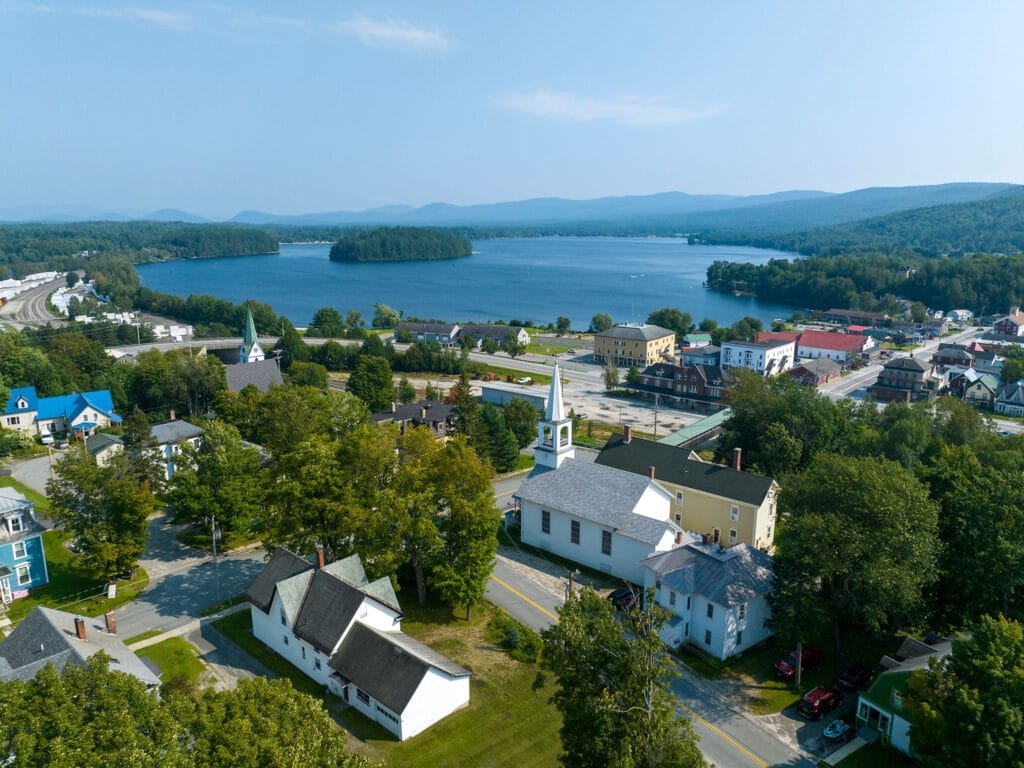
Island Pond is a small village in the town of Brighton, in Essex County in Vermont's remote and rural Northeast Kingdom. With a population of roughly 800 residents, it is one of the northernmost communities in the state, sitting only a few miles from the Canadian border. The village takes its name from a small island in the middle of the local lake, and its economy and identity have long been tied to forestry, the railroad, and outdoor recreation. Island Pond has the feel of a quiet, weathered New England town, with a walkable historic downtown of Victorian-era buildings left over from its nineteenth-century lumber and railroading boom. It serves as a gateway to the surrounding lakes, forests, and mountains of the Northeast Kingdom, and it sits roughly 90 miles northeast of Montpelier, the state capital, and about 100 miles from Burlington.
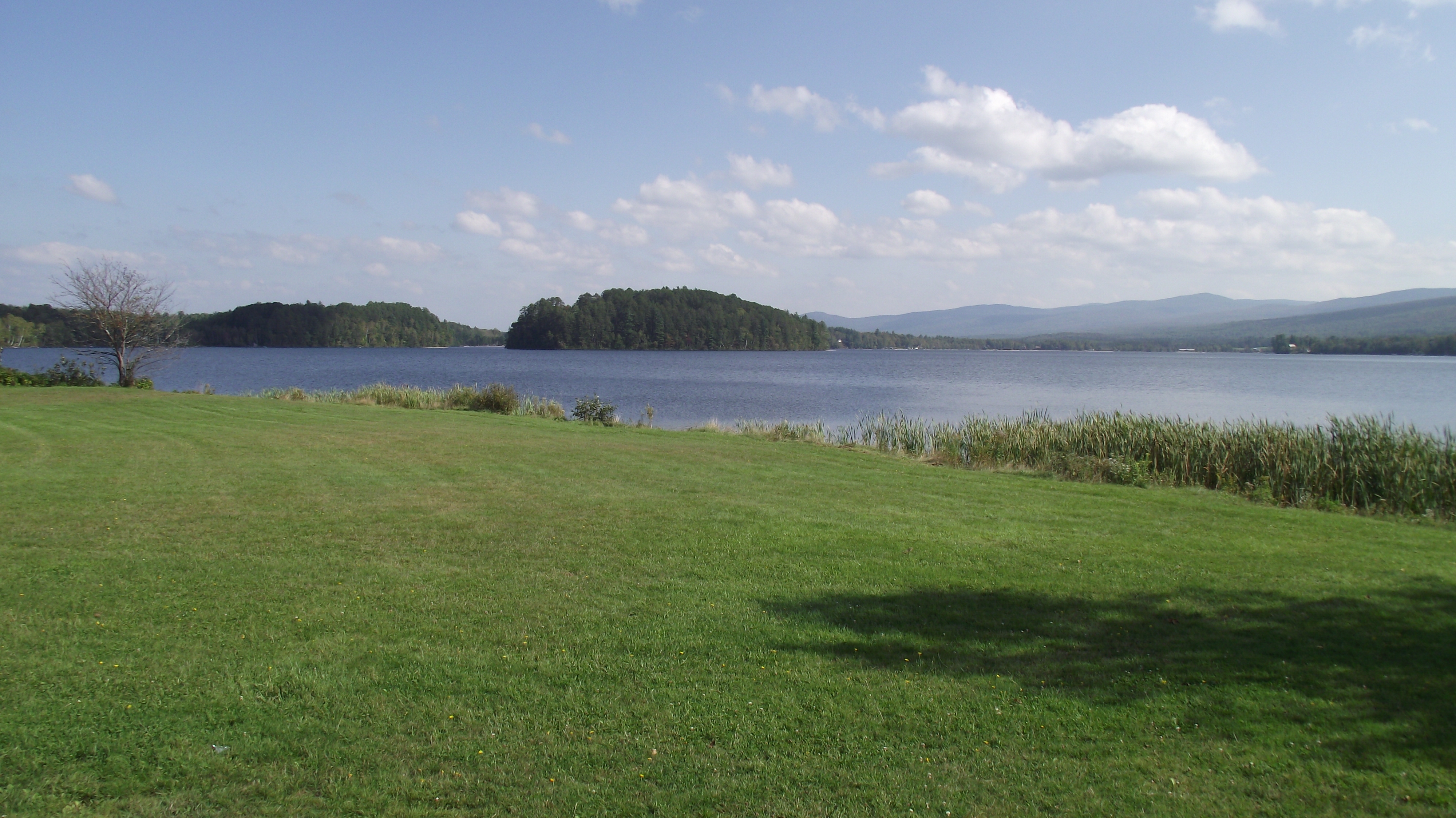
The defining natural feature of the area is Seymour Lake, a long, deep lake on whose shore the village sits, with a small wooded island near its center that gives the community its name. The lake draws anglers, paddlers, and swimmers in summer, and is known for cold-water fishing, including landlocked salmon and lake trout. Cabins, public boat launches, and quiet coves line much of its shoreline, making it the visual and recreational centerpiece of the community.
Just south of the village, Brighton State Park offers a more rustic alternative to the lake, with tent and lean-to sites, a small swimming area on Spectacle Pond, and miles of hiking and mountain biking trails through hardwood and conifer forest. The park is only a few minutes' drive from downtown Island Pond, and it provides an easy entry point for visitors who want a more structured camping or day-use experience in the surrounding woods.
The village itself is also a destination for railroad history. Island Pond was once a major divisional point on the Grand Trunk Railway and later the Canadian Pacific, and the legacy of that era is still visible in the wide rail corridor, the former station buildings, and the surviving cluster of nineteenth-century commercial architecture along the main street. Today the rail line still sees freight traffic, and railfans visit the area to watch trains pass through the long, lake-level straightaway that has drawn photographers for generations.
For short-term rental owners, Island Pond offers a particular combination that is increasingly hard to find in New England: genuine seclusion, a defined four-season recreation economy, a recognizable identity tied to a large lake and a historic village, and proximity to the Canadian border that brings cross-border travelers and seasonal visitors. Guests tend to be outdoor-oriented families, anglers, snowmobilers, ATVers, and leaf-peepers, all of whom value a quiet base with space to park trailers and access trail networks. That mix of remoteness, scenery, and a small but real set of nearby attractions makes Island Pond a steady, if low-key, year-round rental market.
Want to know if a property in Island Pond is a good investment?
Enter an address to get instant revenue potential and comps.