
Waynesboro, Virginia
Want to see how Waynesboro compares to other top cities in Virginia? Explore all city regulations in Virginia. →
Waynesboro, VA
Generally Investor Friendly
STR Regulations for Waynesboro, Virginia
Overview: Are Short-Term Rentals Allowed in Waynesboro, VA?
Yes, short-term rentals are explicitly allowed in Waynesboro, Virginia. The city treats short-term rentals as a permitted use across zoning districts with specific operational standards. Waynesboro operates under a "rental friendly" framework where both short-term residential rentals and homestays are permitted uses, subject to city registration, tax obligations, and compliance with building and zoning requirements.
Key Points:
- Short-term rentals are allowable in any zoning district
- A 6% transient lodging tax applies to all rentals under 30 consecutive days
- Registration is mandatory before operation
- Owner-occupied and non-owner-occupied properties have different regulatory pathways
What do Airbnb hosts actually earn in Waynesboro?
Waynesboro hosts earn a median $32,247/year with $161 ADR and 55% occupancy.
Top performers pull in $51,700+ per year.
See the full Waynesboro market breakdownHow to Start a Short-Term Rental Business in Waynesboro
Step-by-Step Process
Step 1: Property Verification
- Confirm zoning compliance for your specific property
- Review any homeowners' association (HOA) or condo association restrictions
- Verify that your property can legally be used for short-term rentals under existing covenants
Step 2: Registration Requirements
- Register with the city according to City Code Section 78-131
- Obtain business license from Commissioner of the Revenue
- Secure certificate of occupancy from building code official
Step 3: Tax Setup
- Establish transient lodging tax account with Commissioner of the Revenue
- Set up Virginia retail sales tax account if applicable
- Obtain meals tax registration if offering food services
Step 4: Safety and Compliance
- Install required safety equipment (smoke detectors, CO detectors, fire extinguisher)
- Ensure compliance with Virginia Uniform Building Code
- Post occupancy limits and house rules
Step 5: Platform Setup
- Register with booking platforms (Airbnb, VRBO, etc.)
- Understand which entity (platform or host) will collect and remit taxes
- Set up record-keeping systems
Business Structure Considerations
- Determine whether to operate as individual, LLC, or other business entity
- Consider separate banking and accounting for STR operations
- Evaluate insurance needs and coverage options
Required Documents, Permits, Licenses, and Guidelines
Mandatory Documentation
City-Level Requirements:
- Registration Certificate - Filed under City Code Section 78-131
- City Business License - Or written statement from Commissioner of Revenue confirming no license required
- Tax Payment Proof - Evidence of payment of taxes required by City Code Section 78-126
- Certificate of Occupancy - Written indication from building code official confirming compliance with applicable building codes
Safety and Compliance Documents:
- Safety Equipment Verification - Documentation of working smoke detectors, carbon monoxide detectors, and fire extinguishers
- Building Code Compliance Certificate - Confirmation of Virginia Uniform Building Code adherence
Operational Documentation:
- Property Insurance - Verification of coverage (standard homeowners policies typically exclude STR activity)
- Emergency Contact Information - Posted in rental property
- Occupancy Limit Documentation - Clear posting of maximum guest limits
- House Rules - Comprehensive rules for guest conduct and property use
Optional but Recommended Documentation
- Guest liability waivers
- Professional cleaning protocols
- Maintenance and inspection schedules
- Guest communication templates
Specific Regulations for Short-Term Rentals
Zoning and Use Standards
Property Type Limitations:
- One party per legal dwelling unit per 24-hour period maximum
- Properties offering multiple spaces under separate contracts are classified as Bed & Breakfast or Inn operations
- Bed & Breakfast/Inn operations are subject to separate use standards and zone restrictions
Exterior Regulations:
- No exterior signage permitted for homestays or short-term rentals
- No visible evidence from exterior that dwelling is used for non-residential purposes
- Property must appear as standard residential dwelling from street view
Operational Restrictions:
- No food preparation or service to guests by owner, agent, or contractors
- This restriction applies to both homestays and short-term residential rentals
Building and Safety Requirements
Mandatory Safety Equipment:
- Working smoke detectors in all sleeping areas and common areas
- Carbon monoxide detectors where required by building code
- Fire extinguisher accessible to overnight guests at all times
- All equipment must be accessible and functional
Building Code Compliance:
- Must comply with applicable version of Virginia Uniform Building Code
- Determined by City's Building Code Official
- Subject to periodic inspections with reasonable advance written notice (at least once annually)
Tax and Financial Regulations
Transient Lodging Tax:
- 6% tax rate on rental charges for stays under 30 consecutive days
- Tax applies to gross receipts including any platform fees passed through to guests
- Monthly filing and payment required
Virginia State Sales Tax:
- Approximately 5.3% combined base rate for lodging and related taxable charges
- May be collected by platforms under new state regulations
Meals Tax (if applicable):
- 6% tax rate if selling prepared food or meal services
- Additional to applicable state sales tax
- Requires separate registration and filings
Tenant Stay Duration Rules
30-Day Threshold:
- Stays of 30 consecutive days or longer are not considered transient
- Properly documented long-term stays are exempt from transient lodging tax
- Requires signed leases for proper documentation
- Hosts must maintain documentation to support tax exemptions
Platform and Intermediary Rules
Booking Platform Obligations:
- State law (2025) treats many booking platforms as retailers for tax collection
- Platforms may be required to collect and remit local lodging taxes
- Monthly reports required with property addresses and gross receipts
- Platforms must submit address-level data to local tax authorities
Host Responsibilities:
- Must obtain monthly statements showing property address and gross receipts
- Verify which taxes platforms collect and remit
- Submit required attestations if using platforms for tax collection
- 12-month attestation period for platform-only operations
Violation and Enforcement
Permit Revocation Triggers:
- Multiple violations (more than three occasions) of applicable laws within calendar year
- Failure to maintain compliance with operational regulations
- Willful noncompliance with tax obligations
Penalties for Noncompliance:
- Late filing penalties and interest on tax obligations
- Class 3 misdemeanor charges for willful noncompliance
- Loss of operating authority for remainder of calendar year plus entire following year
- Civil and criminal liability for violations
Private Property Considerations
HOA and Condominium Rules:
- City regulations do not supersede private covenants and restrictions
- Property owners' association rules still apply
- Condominium instruments and cooperative agreements remain enforceable
- Existing recorded declarations and covenants continue to govern property use
Contact Information for Local Authority
Primary Contacts
Commissioner of the Revenue
- Handles business licensing and tax account setup
- Primary Contact for:
- Business license applications
- Transient lodging tax registrations
- Meals tax registrations
- Tax filing guidance and forms
- Waynesboro City Website: www.waynesboro.va.us
- Specific Department: Commissioner of the Revenue - Link to department
City Hall / Main Municipal Contacts
- City of Waynesboro, Virginia
- Main Phone: Contact through city website
- Address: City Hall, Waynesboro, VA
- Website: www.waynesboro.va.us
Building Code Official
- Handles certificate of occupancy and building compliance
- Building Resources: Waynesboro building resources
- Primary Contact for:
- Certificate of occupancy applications
- Building code compliance questions
- Safety equipment requirements
- Inspection scheduling
Secondary Contacts
Zoning Administrator
- Primary Contact for:
- Zoning compliance verification
- Permit revocation proceedings
- Operational compliance questions
- Located at: City Hall / Planning Department
City Attorney's Office
- Primary Contact for:
- Legal interpretation questions
- Enforcement proceedings
- Regulatory compliance guidance
Tax Filing and Forms
Meals & Lodging Tax Division
- Tax Forms and Information: Meals & Lodging Tax page
- Primary Contact for:
- Monthly tax filing requirements
- Form downloads and instructions
- Penalty and interest questions
Local Government Resources
- City Ordinances: City Council documents
- Planning Commission: Meeting materials and updates
Emergency and Enforcement
Code Enforcement
- Handles violations of city ordinances
- Primary contact for reporting non-compliant operations
Police Department (for emergencies)
- Emergency: 911
- Non-emergency: Contact through city channels
Key Source Links and References
Primary Regulatory Documents
Waynesboro Zoning Ordinance Amendment (2019)
- Chapter 98, Articles 2, 4, and 10 amendments
- Key Content: Operational standards, definitions, registration requirements
City Ordinance - Transient Lodging Tax
- Original city ordinance
- Key Content: Tax rates, collection requirements, filing obligations
Updated Ordinance Reference
- City code updates
- Key Content: Definitions, tax obligations, regulatory framework
State-Level Regulatory References
Virginia Code Authority
- Virginia Code Title 15.2, Subtitle II
- Key Content: State authorization for local STR regulation
2025 State Tax Changes (HB2383)
- Virginia House Bill 2383, 2025 Acts
- Key Content: Platform tax collection requirements, intermediary obligations
Virginia Tax Bulletin
- Virginia Tax Bulletin 22-12
- Key Content: State sales tax rates for lodging (approximately 5.3%)
Local Government Departments
Commissioner of the Revenue
- Official page
- Primary contact for: Business licensing, tax account setup
Meals & Lodging Tax Information
- Tax information page
- Primary contact for: Tax forms, filing requirements, payment procedures
Building and Development
- Building resources archive
- Primary contact for: Building codes, inspections, occupancy certificates
Recent Updates and Compliance
August 2025 Tax Code Updates
- Citizen Portal AI summary
- Key Content: Recent amendments to align with state changes
Industry Resources and Analysis
The Griggs Group Analysis
- Complete guide and analysis
- Key Content: Practical implementation guidance, tax calculations, operational checklist
Industry Overview
- Carriage House STR reference
- Key Content: General market overview, "rental friendly" designation
Important Compliance Notes for Investors
Critical Timing Requirements
- Registration must be completed before first booking
- Monthly tax filings due by the 20th of the month following collection
- Annual inspections occur with reasonable advance written notice
- Two-year minimum record retention period
Risk Mitigation
- Verify HOA/condo approval before purchase or conversion
- Obtain appropriate insurance coverage (standard homeowners policies typically exclude STR activity)
- Maintain detailed financial records for all transactions
- Document all 30+ day stays with signed leases for tax exemption purposes
Best Practices
- Use professional accounting software for tax preparation
- Establish relationships with local tax authorities for guidance
- Consider professional property management for compliance consistency
- Regular review of ordinance updates and regulatory changes
This guide provides comprehensive information for short-term rental investment in Waynesboro, VA. Given the complexity of regulations and potential for frequent updates, investors should consult directly with local authorities before making investment decisions or beginning operations.
Next step
Found a property in Waynesboro?
Paste any address and get estimated revenue, cash-on-cash return, and comparable STR performance in under 5 minutes. 3 free analyses per day.
Free brief
Get the free Waynesboro STR Investment Brief
Revenue data, top neighborhoods, seasonal trends, and the key regulations for Waynesboro, Virginia in one email.
Waynesboro
Market Saturation Score
Photos of Waynesboro


Overview of Waynesboro
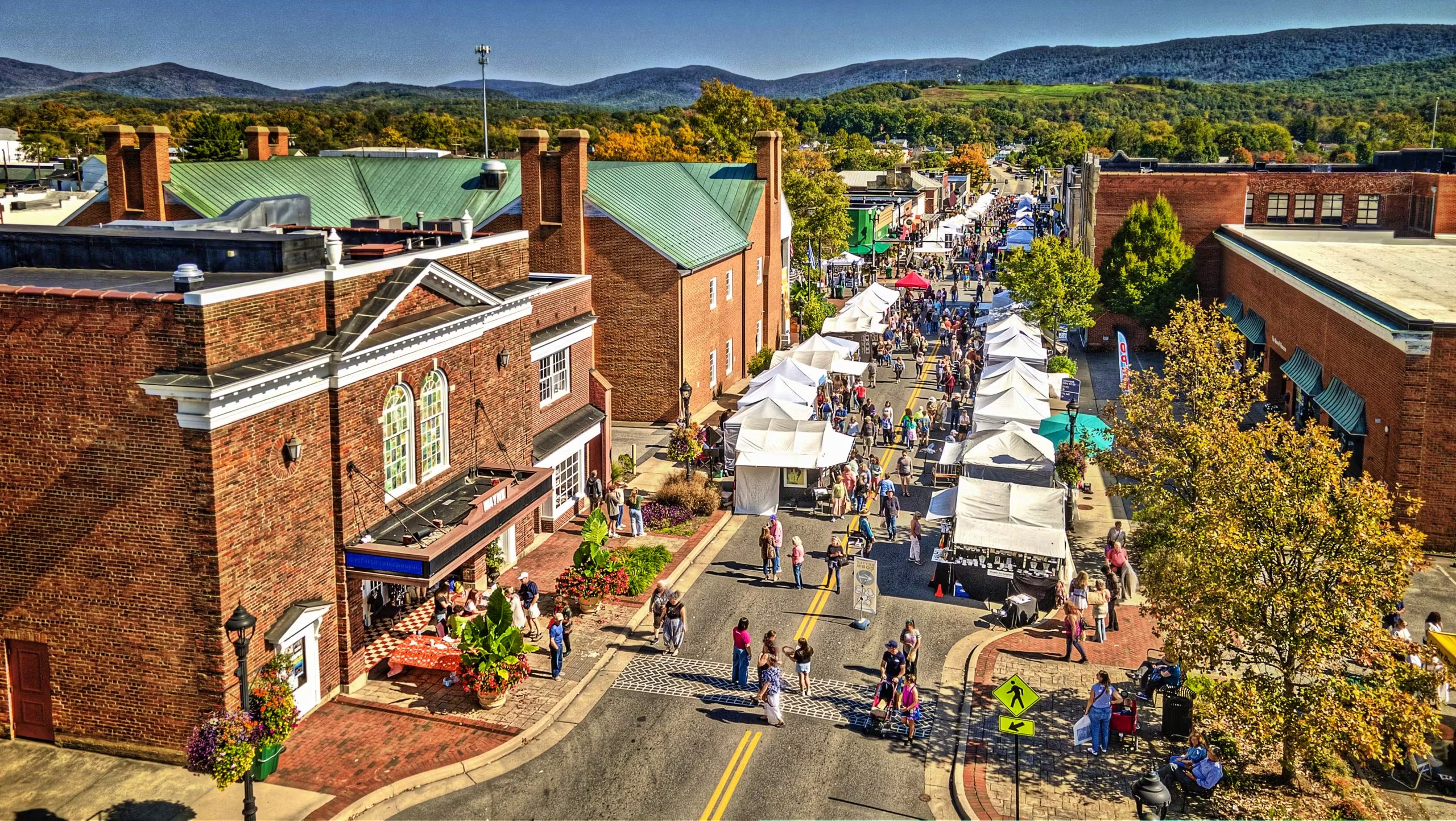
Waynesboro is an independent city in the Shenandoah Valley of Virginia, nestled at the base of the Blue Ridge Mountains where Interstates 64 and 81 meet. With a population of roughly 22,000 residents, it carries the feel of a small, walkable mountain town while serving as one of the primary eastern gateways to the Blue Ridge Parkway, Skyline Drive, and Shenandoah National Park. The city is approximately 30 miles west of Charlottesville and roughly 150 miles southwest of Washington, D.C., placing it within easy weekend reach of a large share of the Mid-Atlantic population. Locally, Waynesboro is known for its outdoor access, a revitalizing downtown along the South River, and its proximity to the Appalachian Trail, which crosses the Blue Ridge just south of the city at Rockfish Gap.
Just minutes from the city center, Shenandoah National Park begins at the Rockfish Gap entrance, where Skyline Drive climbs into the Blue Ridge and threads northward through more than 100 miles of forested ridge line. Visitors can reach the trailhead in about 10 minutes from downtown Waynesboro, making it convenient for day hikers, leaf-peepers in autumn, and travelers seeking panoramic mountain overlooks. The southern section of the park includes the scenic Afton Mountain area and a network of waterfalls, with the popular Humpback Rocks and the immediate Rockfish Gap area drawing steady visitors year-round. Shenandoah National Park anchors the region's identity as an outdoor destination.
Sharing the same Rockfish Gap junction just south of town, the Blue Ridge Parkway extends southward toward the Great Smoky Mountains and is a major draw for scenic driving, cycling, and photography. From Waynesboro, travelers can be on the parkway in roughly 10 minutes, accessing overlooks, picnic areas, and trailheads without the heavier traffic experienced further south. The parkway is one of the most visited units in the National Park Service and pairs naturally with a Shenandoah itinerary, since the two roads meet at this same gap. Blue Ridge Parkway is a perennial favorite for travelers seeking a slower, more contemplative mountain experience.
A short drive north of Waynesboro, in the small town of Grottoes, Grand Caverns is one of the oldest continuously operating show caves in the United States, known for its unusual "shield" formations and a heritage traced back to the 1800s. About 15 minutes from Waynesboro, it is a family-friendly stop that complements the outdoor and scenic attractions surrounding the city, and the surrounding park offers additional walking trails along the South River.
Waynesboro's appeal as a short-term rental base lies in this balance of small-town character and immediate access to major natural attractions. Guests can spend a day driving Skyline Drive, hiking into the Blue Ridge, exploring a historic cavern, or wandering the locally owned shops and breweries of downtown, all without long drives or crowded resort corridors. For owners, the city offers a recognizable regional identity, a year-round calendar shaped by leaf season, scenic drives, and trail tourism, and steady demand from travelers exploring the heart of the Blue Ridge.
Want to know if a property in Waynesboro is a good investment?
Enter an address to get instant revenue potential and comps.