
Gainesville, Virginia
Want to see how Gainesville compares to other top cities in Virginia? Explore all city regulations in Virginia. →
Gainesville, VA
Very Investor Friendly
STR Regulations for Gainesville, Virginia
Overview (explicit)
- Are STRs allowed in Gainesville, VA? Yes. Virginia state law allows short-term rentals (rentals of fewer than 30 days) statewide, including in Gainesville (Prince William County). There are no city-level STR prohibitions or licensing requirements identified in the provided materials. Investors may operate a traditional B&B, short-stay unit, or a hosted room-rental model.
Important caveat
- No city- or county-specific STR ordinances for Gainesville/Prince William County were included in the provided content. To avoid compliance surprises, verify Prince William County’s zoning, HOA/covenants, building, fire, and any local permitting rules before operating. See “Regulatory Authority and Contacts” for contact points.
How to start a short-term rental business in this market
- Structure the business and comply with state law
- Choose an entity (e.g., LLC) for asset protection and banking separation.
- If renting a portion of your home (hosted STR), Virginia’s Accommodation Intermediaries law treats hosted rentals differently than whole-unit rentals. Plan operations accordingly.
- Anticipate landlord-tenant exposures; invest in appropriate insurance and understand that short stays may void certain lease protections.
- Collect and remit required taxes (Transients Occupancy Tax, or TOT)
- Virginia localities may levy a Transient Occupancy Tax (TOT). Prince William County applies such a tax to lodging.
- Hosts are generally responsible for collecting and remitting TOT from guests and filing periodic returns.
- Platforms that act as “accommodation intermediaries” (e.g., Airbnb, Vrbo) must collect and remit TOT in certain jurisdictions, but you remain responsible for overall compliance. Virginia localities also have reporting obligations for intermediaries regarding property addresses and gross receipts.
- Insurance and safety
- Secure short-term rental appropriate liability and property coverage.
- Confirm that zoning and HOA/covenants allow transient rentals; many planned communities limit hotel-like uses. Even where state law is permissive, private restrictions can effectively prohibit STRs.
- Listing and guest screening
- Comply with Virginia Fair Housing laws when screening guests; avoid discriminatory criteria.
- Implement house rules to reduce disturbances and protect your property.
- Ongoing compliance
- Monitor legislative updates and any county-level policy changes that affect taxes or reporting.
- Maintain records for taxes, guest logs, and communications.
Required documents, permits, licenses, and guidelines
- Business registration and tax IDs (as required).
- Virginia Sales Tax and Employer Withholding registrations (if you have employees or sell taxable goods/services).
- Transient Occupancy Tax registration and filings with the taxing locality (Prince William County). Frequency depends on your volume; consult the Tax Administration.
- Insurance policies appropriate for STR operations (liability and property).
- Evidence of compliance with any HOA/covenants or community rules that apply to the property.
- Guest records as reasonably needed for tax and safety purposes.
- If your unit is not owner-occupied and is treated as lodging, you must comply with lodging-related codes (e.g., building, fire, health). Confirm requirements with Prince William County building/fire officials.
Regulatory framework: city, county, and state
- City (Gainesville, VA): No city-specific STR rules were identified in the provided content. State law permits STRs; however, local zoning, HOA/covenants, or other overlays may apply.
- County (Prince William County):
- TOT applies to transient lodging; hosts/intermediaries must collect and remit.
- TOT administration and reporting (including accommodation intermediary reporting) are county-level tax administration functions.
- County zoning and life-safety codes (building, fire) control the lawful use of structures for lodging.
- Commonwealth of Virginia:
- Accommodation Intermediaries and TOT framework:
- Intermediaries must collect and remit TOT in certain local jurisdictions and provide addresses and gross receipts to localities as required by Virginia law.
- Local governments have required address/receipt reporting; intermediaries have disputed this in some jurisdictions on privacy/Fourth Amendment grounds.
- Virginia localities continue to enforce tax compliance, and the law contemplates both host- and intermediary-based tax collection.
- Legislative context:
- Pending or active bills (2024 General Assembly session) include proposals that would restrict localities from requiring certain new permits (special exception/special use/conditional use) for owner-occupied STRs at a primary residence, create a state STR registry, and mandate local allowance of accessory dwelling units (ADUs) in single-family districts without a special use permit.
- Airbnb represents a large share of Virginia STRs and has historically disputed required address/receipt sharing with localities; courts may ultimately resolve these disputes.
- Minimum stay:
- Virginia sets no statewide minimum stay. Rentals under 30 days are generally permissible where zoning/laws allow.
- Accommodation Intermediaries and TOT framework:
Regulatory authority and contacts (Prince William County)
-
Transient Occupancy Tax (TOT) and local tax administration
- Phone: (703) 792-6000
- TTY: 711
- Website: Prince William County Tax Administration – Transient Occupancy Tax (see Source 4)
- Address: 1 County Complex Court, Prince William, VA 22192
- Notes: TOT returns, registrations, and compliance questions are handled by the Tax Administration.
-
Zoning and land use questions
- Contact Prince William County Zoning Administration for zoning uses, buffers, and whether lodging is a permitted use on your parcel.
- Phone: (703) 792-7615 (general county line)
- Website: Zoning Administration (see PWC Departments & Agencies directory)
-
Building and life safety (verify compliance before operating)
- Contact Prince William County Building Development for permits, inspections, and safety code questions.
- Phone: (703) 792-7615 (general county line)
-
If your property is in an HOA or planned community
- Many HOAs prohibit or restrict transient rentals. Review covenants and contact your association’s legal counsel before operating.
- Law firm guidance on HOAs and STRs: Rees Broome, PC (see Source 3)
Staying ahead of legislative changes
- Monitor General Assembly actions on owner-occupied STR permits, statewide registry, and ADUs (see Source 2). If enacted, these laws can preempt or reshape local requirements.
- Expect continued scrutiny of intermediary reporting and tax compliance.
Source pages (as provided)
- InsideNoVa article on Virginia bills affecting STR regulation: www.insidenova.com/headlines/virginia-senate-considers-bill-to-limit-some-local-authority-to-regulate-short-term-rentals/article_00fd90ab-2ba3-52b4-bc68-f635e8d02c25.html
- Community Associations Newsletter (Rees Broome) on STRs in community associations (DC Metro, includes Gainesville, VA office context): reesbroome.com/sites/default/files/2019-01/Community%20Associations%20%E2%80%8BNewsletter%20February%202018%20Air%20BNB%20-%20The%20Short-Term%20Rental%20Debate%20Rages%20On%E2%80%A6%20By-%20Kathleen%20N.%20Machado%20and%20Tiffany%20N.%20Williams.pdf
- Prince William County Transient Occupancy Tax page: www.pwcva.gov/department/tax-administration/transient-occupancy-tax/
- (Optional) Florida STR overview for contrast (not directly applicable to Gainesville, VA): www.staygainesville.com/investing-in-gainesville-vacation-rentals-airbnb-2025
Disclaimer
- This guide is based solely on the provided content. It is not legal or tax advice. Verify requirements with Prince William County and the Virginia Department of Taxation or your advisors before operating.
What do Airbnb hosts actually earn in Gainesville?
Gainesville hosts earn a median $32,347/year with $169 ADR and 72% occupancy.
Top performers pull in $46,152+ per year.
See the full Gainesville market breakdownNext step
Found a property in Gainesville?
Paste any address and get estimated revenue, cash-on-cash return, and comparable STR performance in under 5 minutes. 3 free analyses per day.
Free brief
Get the free Gainesville STR Investment Brief
Revenue data, top neighborhoods, seasonal trends, and the key regulations for Gainesville, Virginia in one email.
Gainesville
Market Saturation Score
Photos of Gainesville


Overview of Gainesville
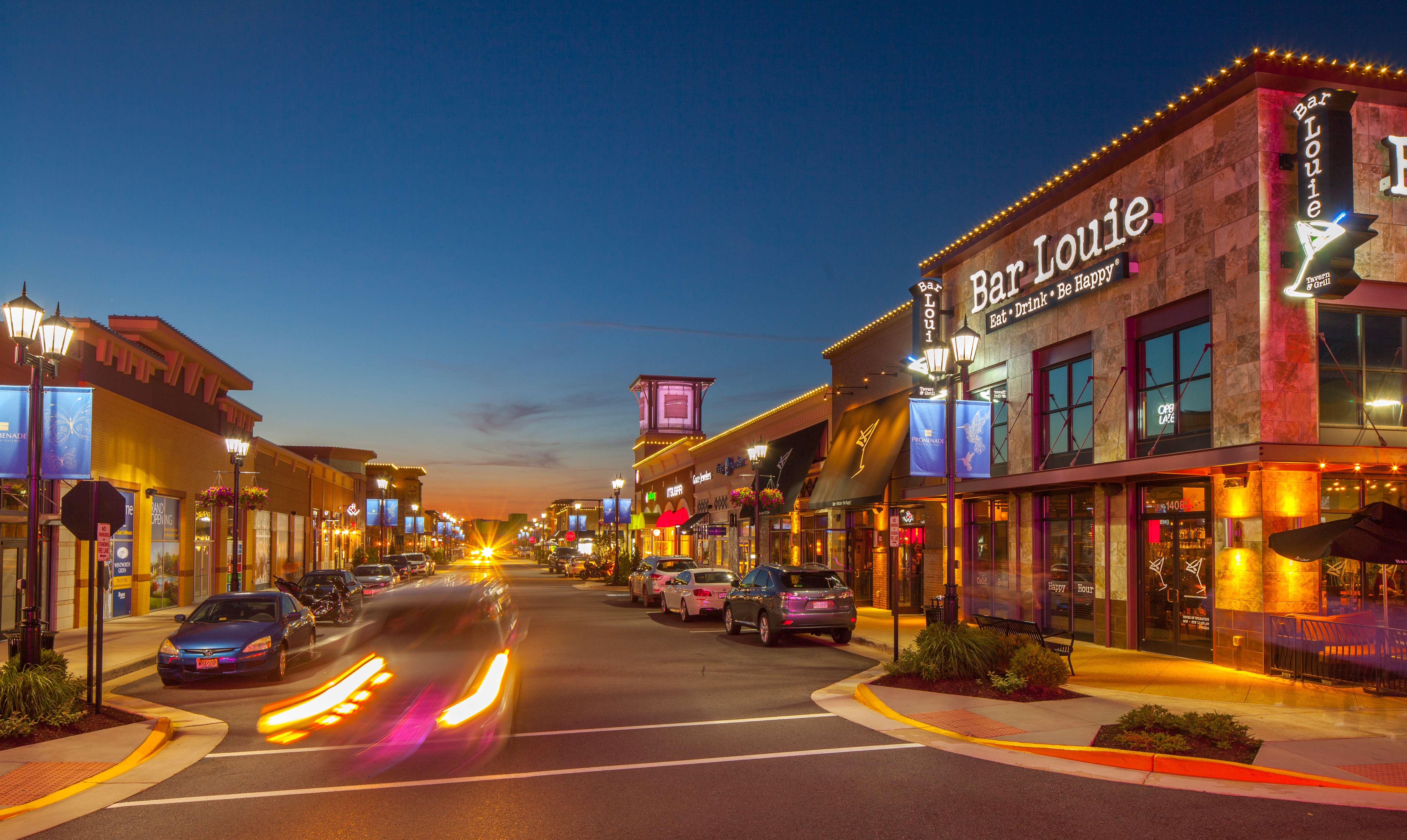
Gainesville is a census-designated place in Prince William County in Northern Virginia, situated roughly 40 miles southwest of Washington, D.C. With a population of approximately 17,000, it functions as a commercial and residential hub for the western end of Prince William County, blending suburban subdivisions with the rolling countryside that signals the start of Virginia's Piedmont and a gateway to the Blue Ridge foothills and Virginia wine country. Its position along the I-66 and US-29 corridor makes it a practical home base for travelers exploring both the DC metro area and the landscapes to its west.
Just a short drive east of Gainesville, the Manassas National Battlefield Park preserves the sites of two pivotal Civil War engagements, the First and Second Battles of Bull Run. Visitors can walk or drive through open fields, woodlands, and a restored stone farmhouse while interpretive trails and a visitor center explain the campaigns of 1861 and 1862. From central Gainesville, the park's Henry Hill Visitor Center is roughly 10 to 15 minutes away, making it an easy half-day stop for history-minded guests.
West of town, the terrain rises toward Sky Meadows State Park, a roughly 1,800-acre park in the Blue Ridge foothills offering more than 20 miles of trails, the historic Mount Bleak House, and broad views of the Shenandoah Valley. About 35 to 40 minutes' drive west of Gainesville, it provides hiking, horseback riding, and dark-sky stargazing that contrast sharply with the suburban pace of the DC area.
A bit further afield, Shenandoah National Park draws visitors with the 105-mile Skyline Drive and access to a long stretch of the Appalachian Trail. The park's Front Royal entrance is approximately 75 minutes from Gainesville via I-66 and US-340, and the Thornton Gap entrance near Syria, Virginia, is a similar drive. From a Gainesville rental, day trips to waterfall hikes, scenic overlooks, and the small towns of Luray and Sperryville are all within reach.
Gainesville itself sits amid a growing cluster of vineyards, cideries, and farm-to-table venues that define this stretch of the Virginia Piedmont, while neighboring Haymarket, just a few minutes north, retains a small-town main street of 19th-century storefronts and antique shops. The area's layered appeal is what makes it work for short-term rentals: a quiet, amenity-rich suburb where guests can step from a suburban shopping center into a Civil War battlefield, a state-park trail system, or a weekend of wine touring in a single afternoon, all while remaining within a reasonable drive of the nation's capital.
Want to know if a property in Gainesville is a good investment?
Enter an address to get instant revenue potential and comps.