
Clifton, Virginia
Want to see how Clifton compares to other top cities in Virginia? Explore all city regulations in Virginia. →
Clifton, VA
Challenging To Investors
Local STR Agent
Local STR Agent
STR Regulations for Clifton, Virginia
Overview: Are Short-Term Rentals Allowed in Clifton, VA?
Short-term rentals are allowed in Clifton, VA, but with important jurisdictional caveats. Clifton is an incorporated town within Fairfax County, Virginia. While Fairfax County has established comprehensive short-term lodging regulations, the county's ordinance explicitly does not apply to the incorporated towns of Clifton, Herndon, and Vienna. This means that short-term rental operations in Clifton are governed by a different regulatory framework than unincorporated Fairfax County.
Key Point: The Fairfax County short-term lodging ordinance (effective October 1, 2018) that allows STL operations with permits does not extend to Clifton's town limits. Investors must consult with Clifton town authorities for specific local regulations, or default to Virginia state-level requirements.
What do Airbnb hosts actually earn in Clifton?
Clifton hosts earn a median $23,870/year with $155 ADR and 50% occupancy.
Top performers pull in $26,441+ per year.
See the full Clifton market breakdownHow to Start a Short-Term Rental Business in Clifton, VA
Step 1: Determine Applicable Jurisdiction
Since Fairfax County's regulations don't apply to Clifton, you have two primary pathways:
Option A: Contact Clifton Town Authorities
- Identify the specific regulatory requirements for the Town of Clifton
- Obtain any local permits, licenses, or registrations required by the town
- Ensure compliance with any town-specific zoning or land use restrictions
Option B: Default to Virginia State Regulations
- Operate under Virginia state law framework for short-term rentals
- Comply with state-level taxation requirements
- Follow applicable state health and safety standards
Step 2: Property Assessment
- Verify that your property is suitable for short-term rental use
- Confirm zoning compliance for rental activities
- Assess property insurance implications
- Ensure adequate parking and access
Step 3: Business Registration (State Level)
- Register your business with Virginia authorities if applicable
- Obtain necessary business licenses
- Set up proper accounting and tax compliance systems
Step 4: Tax Registration
- Register for Virginia state tax obligations
- Set up systems for collecting and remitting transient occupancy taxes
- File for any applicable business licenses or permits
Required Documents, Permits, Licenses, and Guidelines
Fairfax County Requirements (For Reference)
While not directly applicable to Clifton, understanding Fairfax County's requirements provides insight into regional standards:
Required for County STL Permit:
- Short-Term Lodging application via PLUS portal
- $270 application fee
- Property owner permission letter (if applicant is tenant)
- Authorized agent letter and designation
- Two forms of permanent residency documentation
- Utility bills demonstrating residence
Life Safety Requirements:
- Working multi-purpose fire extinguisher
- Interconnected smoke detectors
- Carbon monoxide detectors (when applicable)
- Posted exit pathway plans in sleeping rooms
- Designated off-street parking space
Virginia State Requirements
Business Registration:
- Certificate of registration for short-term rental businesses (Virginia Code § 58.1-3510.5)
- Business Professional and Occupational License (BPOL) if gross receipts exceed $10,000 annually
Tax Obligations:
- Transient Occupancy Tax collection and remittance
- State business tax compliance
Property Classification:
- Short-term rental property classification for tax purposes (Virginia Code § 58.1-3510.4)
Specific Regulations: City, County, and State Level
Town of Clifton
Current Status: No specific short-term rental regulations were identified in the provided content. Investors should contact Clifton Town officials directly for local requirements.
Fairfax County (Surrounding Jurisdiction)
For properties outside Clifton town limits but within Fairfax County:
Permitted Uses:
- STL allowed as accessory use in residential zoning districts
- Permitted in single-family homes, townhouses, condos, manufactured homes, and apartments
Operational Limits:
- Maximum 60 nights per calendar year
- Maximum 6 adult guests per night
- One rental contract per night
- Must be primary residence (185+ days per year)
- No events or commercial activities permitted
Prohibited Locations:
- Detached accessory structures
- Accessory living units
- Temporary family health care structures
- Affordable dwelling units
- Workforce dwelling units
Permit Requirements:
- Administrative permit required from Zoning Administrator
- 2-year permit validity
- Application via PLUS portal
- $270 fee
- Authorized agent designation required
Virginia State Regulations
Tax Framework (Virginia Code § 58.1-3510.4):
- Short-term rental property classified separately for tax purposes
- Governing bodies may tax short-term rental property or impose separate taxes
- Business classification based on percentage of gross receipts from short-term rentals
Business Definition:
- 80% of gross receipts from rentals of 92 days or less for standard property
- 60% of gross receipts from rentals of 270 days or less for heavy equipment property
Tax Collection:
- Accommodation intermediaries/hosting platforms must collect and remit transient occupancy taxes
- Monthly remittance to local tax authorities required
Contact Information for Local Authority
Fairfax County (For Reference and County Properties)
Zoning Administrator:
- Phone: 703-222-1082 (TTY 711)
- Email: dpdzoningpermits@fairfaxcounty.gov
- Address: 12055 Government Center Parkway, Suite 250, Fairfax, VA 22035
- Hours: Monday-Friday, 8:00 AM - 4:00 PM
Department of Code Compliance (Enforcement):
- Phone: 703-324-1300
- Email: DCCCodeComplianceE-mail@fairfaxcounty.gov
Department of Tax Administration:
- Phone: 703-324-8234
- Email: dtappdbusiness@fairfaxcounty.gov
PLUS System Support:
- Phone: 703-324-2222
- Email: PLUSSupport@FairfaxCounty.gov
- Hours: Monday-Friday, 8:00 AM - 4:00 PM
Town of Clifton
Contact Information Not Provided: Specific contact information for Clifton town authorities was not available in the provided content. Investors should contact the Town of Clifton directly to determine local regulatory requirements.
Recommended Actions:
- Contact Town Clerk or Planning Department for zoning and permit information
- Verify whether the town has adopted specific short-term rental ordinances
- Confirm tax collection and remittance requirements
- Check for any local business license requirements
Links to Source Pages
Fairfax County Short-Term Lodging Information:
- Main page: www.fairfaxcounty.gov/planning-development/zoning/short-term-property-rentals
- FAQs: www.fairfaxcounty.gov/planning-development/zoning/short-term-property-rentals/faqs
- Informational Flyer: www.fairfaxcounty.gov/planning-development/sites/planning-development/files/assets/documents/zoning%20ordinance/short-termrentals/stl-flyer.pdf
- PLUS Application Portal: plus.fairfaxcounty.gov/CitizenAccess/Welcome.aspx
Virginia State Regulations:
- Virginia Code § 58.1-3510.4: law.lis.virginia.gov/vacode/title58.1/chapter35/section58.1-3510.4/
Important Notes for STR Investors
-
Jurisdictional Clarity: The primary challenge in Clifton is determining the exact regulatory framework. While Fairfax County provides detailed regulations, they don't apply within Clifton town limits.
-
Due Diligence Required: Given the lack of specific Clifton regulations in the provided content, investors should conduct direct outreach to town authorities before proceeding.
-
State Law Compliance: Regardless of local regulations, investors must comply with Virginia state requirements for taxation, business registration, and property classification.
-
Insurance Considerations: Notify your insurance provider of your intended short-term rental use, as standard homeowners' policies may not cover commercial rental activities.
-
HOA/COA Compliance: Check for any restrictive covenants or homeowners' association rules that may prohibit short-term rentals, as Virginia law prohibits localities from requiring HOA consent but doesn't invalidate private covenants.
This guide provides the foundation for short-term rental investment in Clifton, Virginia, but investors should verify all local requirements with appropriate town authorities before commencing operations.
Next step
Found a property in Clifton?
Paste any address and get estimated revenue, cash-on-cash return, and comparable STR performance in under 5 minutes. 3 free analyses per day.
Free brief
Get the free Clifton STR Investment Brief
Revenue data, top neighborhoods, seasonal trends, and the key regulations for Clifton, Virginia in one email.
Clifton
Market Saturation Score
Photos of Clifton


Overview of Clifton
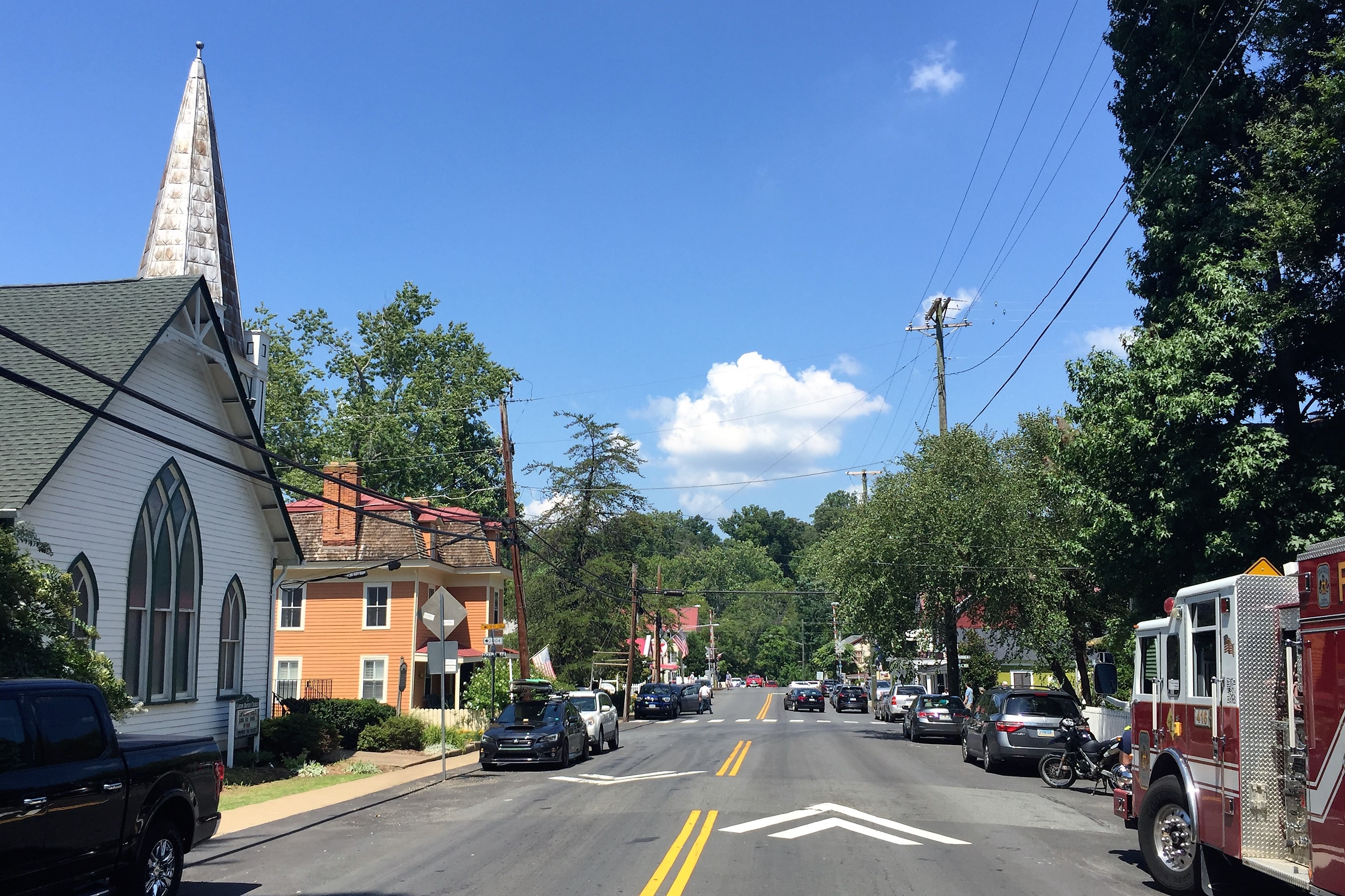
Clifton is an incorporated town located in southwestern Fairfax County, Virginia, United States, with a population of 243 at the time of the 2020 census.Incorporated by the General Assembly on March 9, 1902, Clifton is one of only three towns in the county, the other two being the much more populous Vienna and Herndon. Clifton's history begins pre-colonially, when the area was used as hunting grounds by the local Dogue Native American tribe. A railroad siding was constructed here during the Civil War, and the area became titled as Devereux Station. A nearby neighborhood on the outskirts of the Clifton ZIP code has this name. Development of a village at the siding began in 1868 when a railroad depot, named "Clifton Station", was constructed. Unlike most areas in Northern Virginia, the land around Clifton is far less built up than nearby areas, especially to its east and southwest. This was out of the worry that overdevelopment near Bull Run and the Occoquan River would be environmentally damaging to the Occoquan Reservoir. Consequently, as development edged near the area in the late 1970s and early 1980s, an ordinance was enacted stating that only one building could be placed on 5-acre (2.0 ha) parcels that have not already been divided. Today, the southern and eastern portions of the area are heavily forested, with single-family homes, while the northern area has become equestrian areas.
Want to know if a property in Clifton is a good investment?
Enter an address to get instant revenue potential and comps.