
Chincoteague Island, Virginia
Want to see how Chincoteague Island compares to other top cities in Virginia? Explore all city regulations in Virginia. →
Chincoteague Island, VA
Very Investor Friendly
STR Regulations for Chincoteague Island, Virginia
Overview: Are Short-Term Rentals Allowed?
Yes—short‑term rentals (STRs) are explicitly permitted in the Town of Chincoteague Island, Virginia. The town allows STR operations provided you obtain the required business license, comply with local zoning and building regulations, and fulfill state and local tax obligations. Because Chincoteague Island is located within Accomack County, some properties may also need county‑level approvals (e.g., Special Use Permit), depending on the specific zoning, location, and use characteristics of the parcel.
Key takeaway for investors: Chincoteague is a STR‑friendly jurisdiction with clear licensing, taxation, and zoning frameworks. However, success hinges on verifying zoning compatibility up front, securing the proper permits, and maintaining diligent tax compliance (including state and local transient occupancy taxes).
What do Airbnb hosts actually earn in Chincoteague Island?
Chincoteague Island hosts earn a median $35,929/year with $265 ADR and 59% occupancy.
Top performers pull in $46,279+ per year.
See the full Chincoteague Island market breakdownHow to Start a Short-Term Rental Business in Chincoteague Island
The following roadmap reflects the town’s ordinance structure and the practical steps successful operators use to launch and sustain compliant STRs.
Step 1: Confirm Zoning and Property Eligibility
- Verify the property’s zoning in the Town of Chincoteague (Residential R‑1/R‑2/R‑3, Commercial C‑1/C‑2, Agricultural A, etc.).
- Confirm that short‑term rental use is allowed “by right,” requires a Special Use Permit (SUP), or is prohibited under the district’s use table. Zoning is administered at the town level; county overlays and environmental constraints can also apply.
- Contact the Town of Chincoteague Administration (Building and Zoning) before acquiring or leasing a property to confirm use permissions, setbacks, parking, and any pending code changes.
Step 2: Secure Town-Level Authorization
- Obtain a Town of Chincoteague business license for STR operations. This is a prerequisite for any rental activity that provides lodging to transients for fewer than 30 consecutive days.
- If your zoning or use type requires it, obtain a Special Use Permit from Accomack County. County zoning and land use standards can apply alongside town rules, especially for nonconforming structures or unique parcel characteristics.
- Complete any required building, health, fire safety, and environmental reviews. Properties with wells or septic systems must demonstrate approvals from the Virginia Department of Health and compliance with local on‑site wastewater regulations.
Step 3: Tax Registration and Compliance Setup
- Register with the Virginia Department of Taxation for state transient occupancy tax (TOT) and any applicable sales/use tax obligations associated with lodging services.
- Set up tax remittance systems for:
- State of Virginia Transient Occupancy Tax (generally 5% of the room charge).
- Town of Chincoteague Transient Occupancy Tax (amount set by town ordinance; confirm current rate with the Town Treasurer).
- Accomack County Transient Occupancy Tax (if applicable to your location).
- Establish internal controls for monthly filing, accurate recordkeeping, and audit‑ready documentation.
Step 4: Implement Safety and Operational Standards
- Install and maintain life‑safety equipment: smoke detectors in all bedrooms and common areas, carbon monoxide detectors near fuel‑burning appliances, fire extinguishers on each level, and posted emergency egress plans.
- Address flood zone compliance (Flood Damage Prevention, Chapter 30 of the Town Code), especially for waterfront or low‑lying parcels. Elevated utilities, sealed electrical, and appropriate materials are common expectations.
- Create a Good Neighbor Policy and guest guide. Include quiet hours, occupancy limits, parking rules, trash/recycling procedures, wildlife interaction rules (especially for Chincoteague ponies), and beach/dune protection guidelines.
Step 5: Launch, Market, and Operate
- Launch listings on major platforms (Airbnb, VRBO, Booking.com) with transparent house rules and pricing that reflects Chincoteague’s seasonal demand patterns.
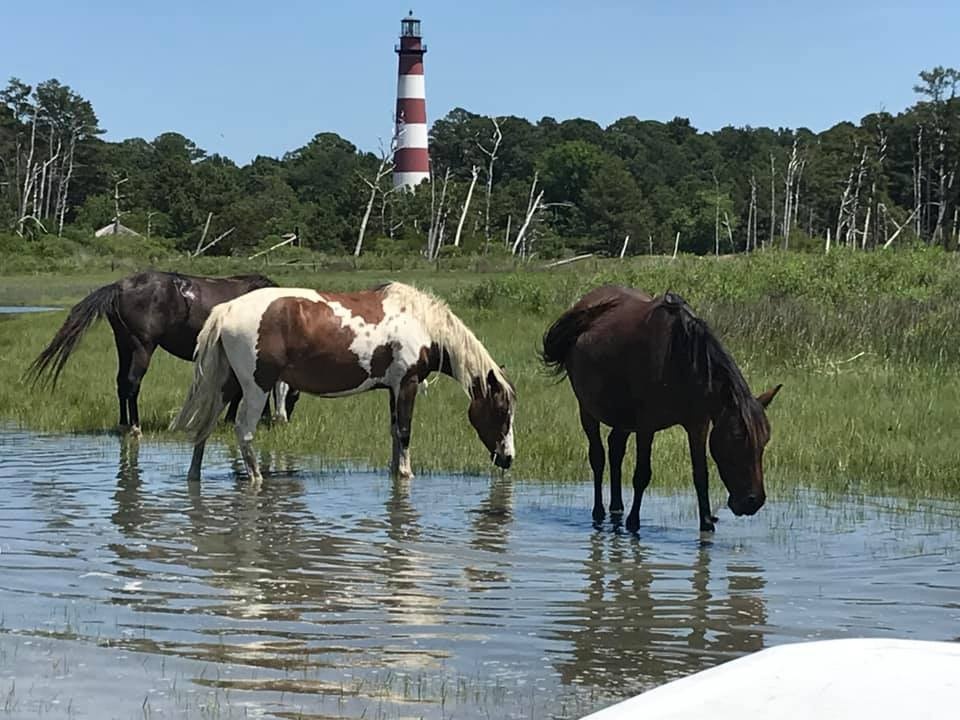
- Coordinate professional photography and staging to emphasize island amenities—pony viewing, beaches, Assateague Lighthouse, kayaking, and seafood experiences.
- Establish cleaning protocols, preventive maintenance schedules, and a responsive local support plan for guest issues.
Step 6: Ongoing Compliance Management
- Renew the business license annually and maintain any required permits.
- File and remit TOT monthly; keep detailed records of gross receipts, taxes collected, and remittances.
- Monitor town and county code updates, especially on taxation, zoning, and environmental rules (e.g., storm water, wetlands, erosion/sediment control).
- Maintain good neighbor relations to minimize complaints and reduce enforcement risk.
Required Documents, Permits, Licenses, and Guidelines
The following checklists reflect the layered requirements that typically apply to STRs operating within Chincoteague Island (town rules) and Accomack County (when applicable). Always verify current requirements with the town and county before investing.
Town of Chincoteague—Core Requirements
- Business License (Town)
- Initial application and annual renewal required.
- Applications typically reviewed by the Building and Zoning Department.
- Each separate STR property location must be registered.
- Fee structure is based on gross receipts; confirm current rates with the Town Treasurer/Administration.
- Transient Occupancy Tax Registration
- Register to collect and remit town TOT.
- File monthly; confirm rate and due dates with the Town Treasurer.
- Zoning Compliance
- Confirm allowed use and any special conditions (e.g., occupancy limits, parking, setbacks) in the specific zoning district.
- Building/Fire Safety
- Comply with Virginia Uniform Statewide Building Code and local fire prevention ordinances (Chapters 14 and 26).
- Maintain required safety devices and egress plans.
- Flood Zone Management
- Comply with Chapter 30 of the Town Code (Flood Damage Prevention), including elevation, materials, and utility standards in flood-prone areas.
Accomack County—When Applicable
- Special Use Permit (SUP)
- Required if the zoning or use characteristics of the property make a SUP necessary (verify with Accomack County Planning and Zoning).
- Health Department Approvals
- Required for properties served by wells or septic systems; maintain current inspections and certifications.
- Building Permits and Inspections
- Needed for any structural alterations, additions, or significant renovations.
- Environmental Permits/Standards
- Adhere to county erosion and sediment control standards (Chapter 22 of the Town Code references environmental controls), storm water management, and coastal protections where applicable.
State of Virginia—Core Requirements
- Virginia Transient Occupancy Tax
- Generally 5% of the room charge; hosts collect and remit to the state.
- Registration with the Virginia Department of Taxation is required.
- Business Registration
- STRs constitute a business activity; confirm whether separate state business registration is required for your entity type and activity scope.
Operational Documentation and Insurance
- Liability Insurance Policy (recommended minimum $1,000,000 coverage).
- Good Neighbor Policy and written guest rules.
- Local emergency contact and 24/7 guest support plan.
- Property maintenance and cleaning standard operating procedures.
Key Ordinances to Review
- Chapter 54 (Taxation), Article IV (Transient Occupancy Tax).
- Chapter 30 (Floods/Floodplain Management).
- Chapter 22 (Environment; Noise and Nuisance provisions).
- Chapter 14 (Buildings and Building Regulations).
- Chapter 26 (Fire Prevention and Protection).
Specific Regulations for Short-Term Rentals
Town of Chincoteague
- Business licensing for STRs is required and enforced through the Building and Zoning Department.
- Zoning compliance is mandatory; use tables and development standards differ by district (Residential R‑1/R‑2/R‑3, Commercial C‑1/C‑2, Agricultural A).
- Noise, nuisance, and environmental rules apply to guest conduct and property maintenance.
- Flood zone standards govern construction, elevation, and utility protections in sensitive areas.
- Transient Occupancy Tax is collected and remitted under town ordinance; confirm the current rate and filing schedule with the Town Treasurer.
Accomack County
- Special Use Permit requirements may apply depending on property location and use type.
- Health Department approvals are required for properties with wells/septic systems.
- Environmental protections, erosion/sediment control, and storm water management apply to land‑disturbing activities and coastal parcels.
Commonwealth of Virginia
- State Transient Occupancy Tax (generally 5% of room charges) must be collected and remitted to the Virginia Department of Taxation.
- State building, fire, and safety codes apply; STRs must meet Virginia Uniform Statewide Building Code standards.
- Hosts are responsible for accurate tax collection, reporting, and remittance, including maintaining auditable records.
Seasonal Considerations
- Peak season runs late spring through summer, with demand surges around the annual Pony Swim and related events.
- Off‑season (late fall and winter) presents lower demand; dynamic pricing and extended‑stay strategies can help stabilize revenue.
- Weather and storm events can affect operations and insurance requirements; flood preparedness is essential.
Contact Information (Phone, Email, Website)
Use these direct contacts to verify zoning, permits, taxation, and county approvals before committing to a property.
Town of Chincoteague Administration
- Phone: (757) 336‑3175
- Website: chincoteague-va.gov
- Address: 6150 Community Drive, Chincoteague, VA 23336
- Office Hours: Monday–Friday, 8:00 AM – 5:00 PM
- Purpose: Business licenses, zoning verification, local TOT, town code questions.
Accomack County
- Phone: (757) 787‑5700
- Website: www.co.accomack.va.us
- Address: 23296 Courthouse Avenue, Accomac, VA 23301
- Purpose: Special Use Permits, health department approvals, county zoning.
Virginia Department of Taxation
- Phone: (804) 367‑8031
- Website: www.tax.virginia.gov
- Purpose: State TOT registration, filing, compliance, and guidance.
Chincoteague Chamber of Commerce
- Phone: (757) 336‑6161
- Website: www.chincoteaguechamber.com
- Purpose: Local market insights, tourism resources, and community events.
Links to Source Pages
- STR Profit Map Regulations (Virginia/Chincoteague Island): www.strprofitmap.com/regulations/VA/chincoteague-island
- GoSummer—Chincoteague Island Vacation Rental Management Guide: www.gosummer.com/vacation-rental-management/chincoteague-island-virginia
- The Offer Sheet—Chincoteague Island STR Regulations: local.theoffersheet.com/legal/chincoteague-island-va/
- Town of Chincoteague Official Website: chincoteague-va.gov
- The Code of the Town of Chincoteague, Virginia (2010): chincoteague-va.gov/wp-content/uploads/2014/03/town-code2010.pdf
Practical Compliance Notes for Investors
- Confirm zoning before purchase. Ask the town whether STRs are permitted “by right,” require a SUP, or are prohibited under the applicable district.
- File taxes monthly. State TOT (generally 5%) and local TOT must be remitted; reconciliation between platform‑collected taxes and your total obligation is your responsibility.
- Keep excellent records. Maintain detailed financial ledgers, guest registration data, tax filings, permits, and inspection reports.
- Respect environmental constraints. Chincoteague’s coastal ecosystem requires strict compliance with flood, erosion/sediment control, storm water, and wildlife interaction policies.
- Maintain a proactive Good Neighbor Program. Clear house rules and responsive operations reduce complaints and minimize enforcement exposure.
Regulatory Verification and Professional Guidance
Short‑term rental regulations evolve. Always verify the current state and local requirements with the Town of Chincoteague Administration, Accomack County Planning and Zoning, and the Virginia Department of Taxation before investing or operating. Consider engaging local legal and tax professionals familiar with Virginia’s lodging tax framework and town ordinances.
This guide reflects publicly available sources as of 2025 and is intended to inform investors and operators. It is not a substitute for legal advice or personalized tax counsel.
Next step
Found a property in Chincoteague Island?
Paste any address and get estimated revenue, cash-on-cash return, and comparable STR performance in under 5 minutes. 3 free analyses per day.
Free brief
Get the free Chincoteague Island STR Investment Brief
Revenue data, top neighborhoods, seasonal trends, and the key regulations for Chincoteague Island, Virginia in one email.
Chincoteague Island
Market Saturation Score
Photos of Chincoteague Island


Overview of Chincoteague Island
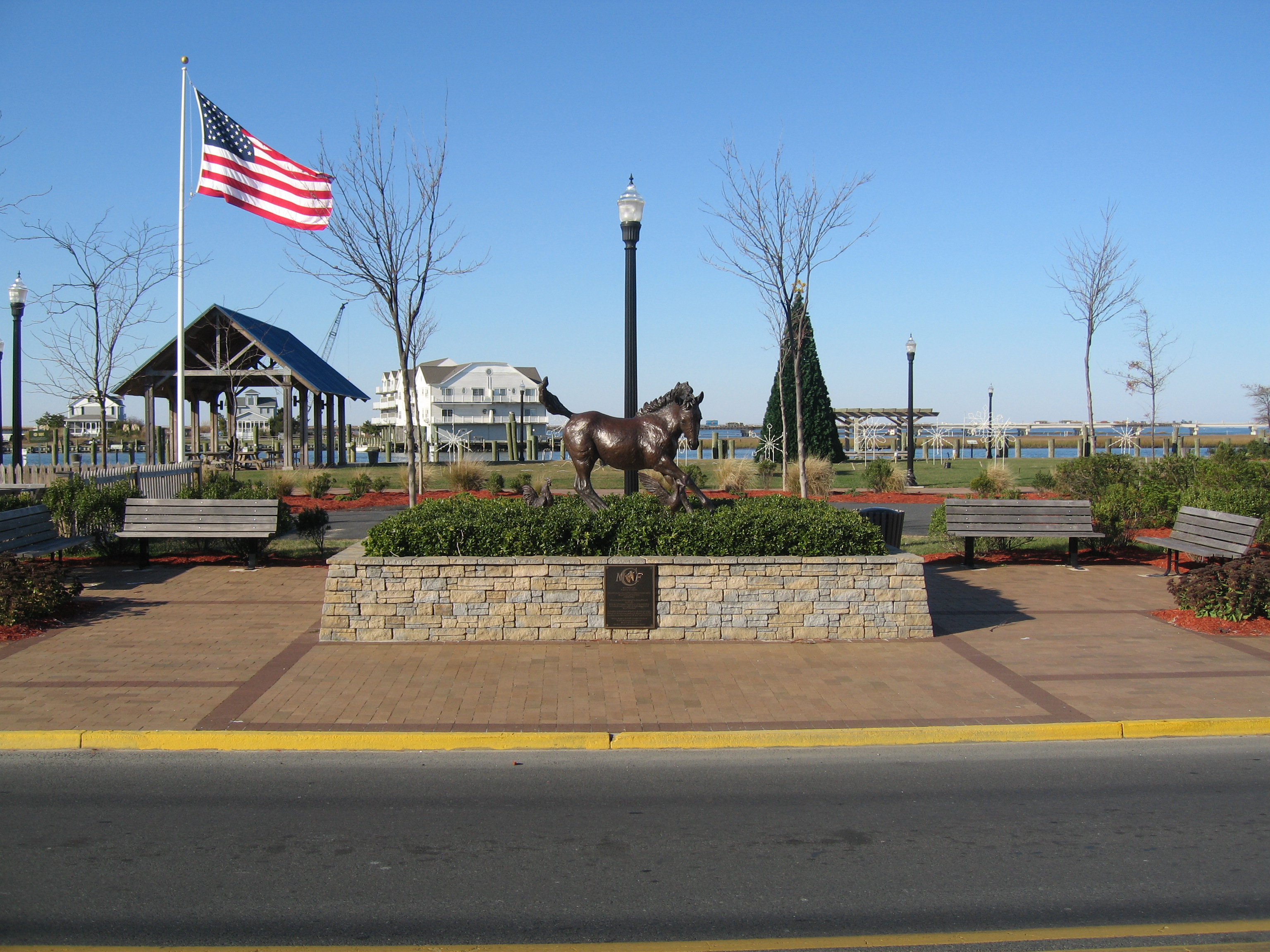
Chincoteague Island is a small, low-key barrier-island town in Accomack County, Virginia, on the state's Eastern Shore. With a year-round population of roughly 2,900, the town has a quiet, salty character shaped by its working waterfront, seafood shacks, and decades of vacation traditions. It is best known for its wild ponies and as the gateway to Assateague Island, and it sits about 100 miles northeast of the Norfolk-Virginia Beach metro area, at the southern tip of the Delmarva Peninsula.
The biggest draw is the Chincoteague National Wildlife Refuge, which occupies much of the southern end of Assateague Island just across the channel from town. Managed by the U.S. Fish and Wildlife Service, the refuge protects beach, dune, salt marsh, and maritime forest habitat that supports migratory birds, Delmarva fox squirrels, and the famous wild ponies. Visitors can drive the short distance from the town landing, bike the refuge's loop trails, or walk the boardwalk out to the Atlantic beach.
A short drive south of town, the Assateague Island National Seashore continues down the barrier island into Maryland. The national seashore offers surf fishing, crabbing, and lifeguarded swimming in the summer, plus the chance to spot the wild ponies from the road or on foot. The annual Pony Swim, held each July, draws visitors from across the country to watch the herd cross the channel from Assateague to Chincoteague during the penning and auction.
Back in town, a small museum housed in a 19th-century sea captain's home on Main Street chronicles the island's maritime, fishing, and pony heritage with period rooms and memorabilia. A few blocks away, the modest downtown along Main and Church streets is a low-rise collection of seafood restaurants, fudge shops, and tackle stores that keeps a steady summer pace. North of the island, the small Eastern Shore towns of Accomac and Onancock offer a quieter counterpoint with old country stores, a historic theater, and harbor views along the bayside.
The combination of refuge, beach, wild ponies, and small-town character makes Chincoteague a natural fit for short-term rental operators looking to serve beach-going families, birders, and the steady summer crowd drawn to the annual pony events.
Want to know if a property in Chincoteague Island is a good investment?
Enter an address to get instant revenue potential and comps.