
Spring City, Utah
Want to see how Spring City compares to other top cities in Utah? Explore all city regulations in Utah. →
Spring City, UT
Challenging To Investors
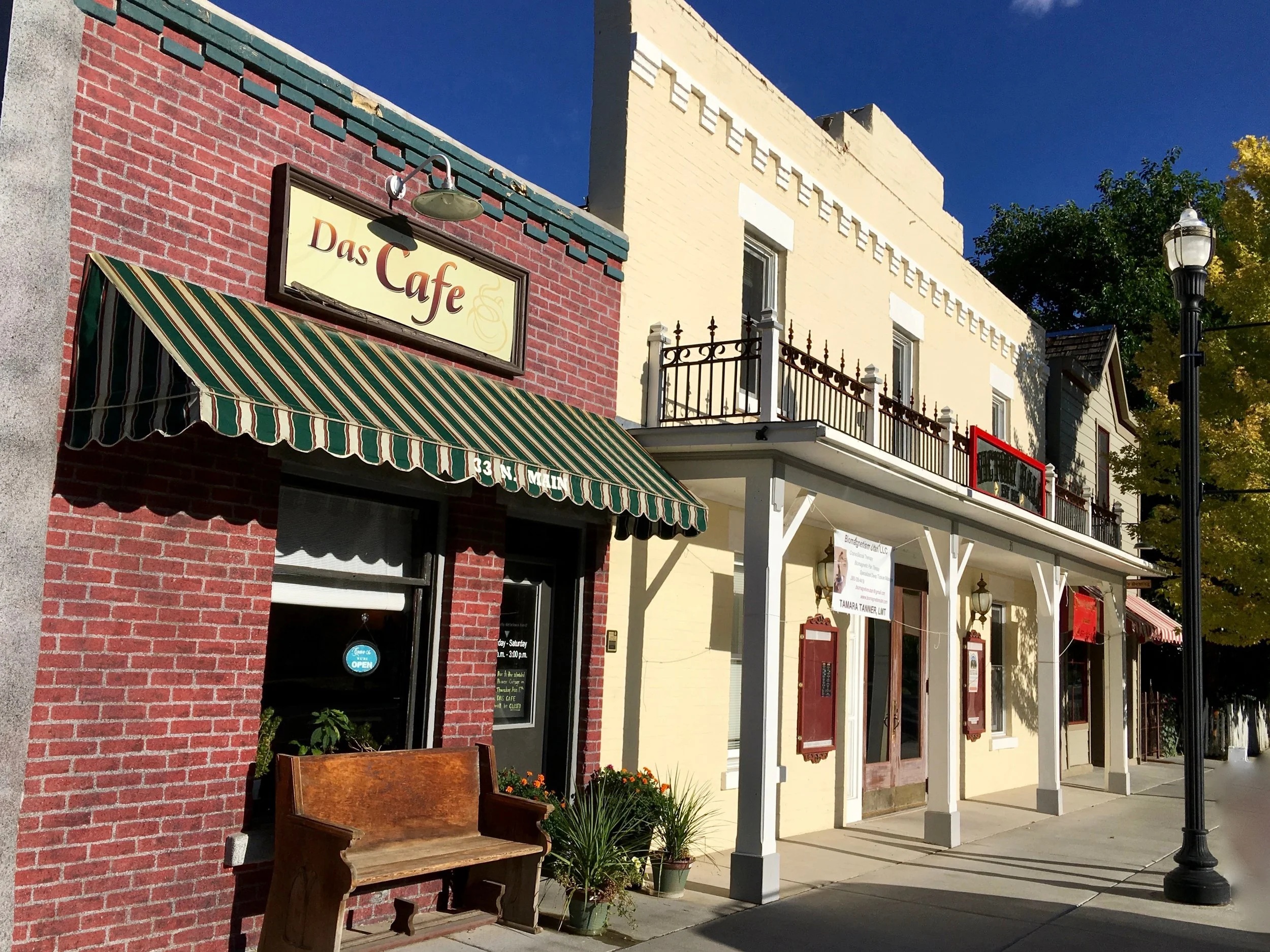
STR Regulations for Spring City, Utah
Overview
- Are short-term rentals (STRs) allowed in Spring City, UT? Yes, but only in limited forms and subject to clear conditions. Spring City permits short-term rentals of guest houses and bed-and-breakfast (B&B) operations; there is no provision allowing short-term rentals of primary single-family residences. Both guest house STRs and B&Bs require a business license/conditional use permit, compliance with applicable building, health, and zoning codes, and payment of the transient room occupancy tax. City code continues to evolve; the city is updating zoning ordinances to reflect recent state legislation and is making its code “more friendly to businesses,” with additional changes anticipated.
How to start a short-term rental business in this market
- Determine your structure type
- Guest house (detached): Allowed on the same lot as a primary single-family home, limited to 625 sq ft, and must use the same utility services as the main home. A business license/conditional use permit is required to rent the guest house on a short-term basis.
- Bed-and-breakfast (B&B): Allowed as a conditional use in specified zones (notably in the R-MF multifamily residential zone), with conditions including room limits and food-handling compliance.
- Obtain required approvals
- Zoning permit (if adding or converting structures) and, thereafter, county building permit.
- Business license/conditional use permit for guest house STR or B&B (as applicable).
- Prepare for compliance
- Ensure property meets setbacks, utility, health, and historic district requirements (where applicable).
- Comply with all building codes and nuisance/visibility regulations.
- If the property falls within the Main Street Historic District (overlay), obtain a certificate of review from the Historic Preservation Subcommittee before building permits.
- Operate and maintain
- Meet ongoing obligations: transient room occupancy tax, possible state tax ID, and adherence to all zoning and nuisance standards.
- Plan for sewer hookup if within 300 feet of city main lines; otherwise secure septic system permit from the Central Utah Public Health Department.
Required documents, permits, licenses, and guidelines
- Core city forms and processes
- Spring City Forms & Fees page (for zoning permits and related forms; forms are posted on the city website).
- Spring City Business License Application (PDF; see “Business License Application” linked via the city code/business regulations page).
- Step-by-step application process (as summarized in the city FAQs)
- Zoning Permit (Spring City): Required for new structures or additions; submitted to the City Office for review/approval by the Zoning Administrator. Submit a complete application with required documentation; irregularities may trigger Planning & Zoning Commission review or appeal to the Board of Adjustment.
- Building Permit (Sanpete County): After city zoning approval, obtain the county building permit. County rules may include HUD standards for manufactured/modular homes and health/safety codes.
- Business License/Conditional Use Permit (Spring City): For STRs, the city requires a home business license (even if in a commercial zone) and a conditional use permit. The city circulates your application to adjacent neighbors via registered mail with return receipt; there is a two-week neighbor response period before any final action.
- Historic District Review (if applicable): If your property lies within the Main Street Historic District overlay, meet with the Historic Preservation Subcommittee to obtain a certificate of review before proceeding with building permits. The Subcommittee is advisory but its certificate is required to move forward.
- Utility and health prerequisites
- Sewer hookup is mandatory if the closest property line is within 300 feet of a city sewer main line; otherwise, a septic permit through Central Utah Public Health Department is required.
- All occupied residential units must have garbage collection services at residents’ expense.
- Tax and compliance
- Transient Room Occupancy Tax applies to B&Bs and short-term rental operations (rate not specified in provided materials).
- State food-handling requirements apply to B&Bs; hotels/lodging ordinances may also apply.
- State tax ID may be required depending on the business model and services.
Specific regulations for short-term rentals in this city, county, and state
- City of Spring City (municipal code and FAQ)
- Allowed STR forms:
- Guest houses (detached) may be rented short-term with a business license/conditional use permit. Detached guest houses are limited to 625 sq ft and must share utilities with the main home.
- Bed-and-breakfast (B&B) operations are allowed as a conditional use subject to conditions (room limits, food-handling, transient room tax, home business license, and state tax ID as required).
- Primary residence STRs: Not allowed. City code maintains low-density, single-family residential character; row or apartment houses are prohibited.
- Multi-family zone (R-MF): Permits attached single- and multi-family dwellings (duplexes, triplexes, townhomes, apartments) with detailed density and dimensional standards; B&Bs are allowed as conditional uses; short-term rentals are referenced as a conditional use category within R-MF, but the city’s general STR policy remains to allow only guest houses and B&Bs in residential zones.
- Historic District overlay: Main Street Historic District properties require a certificate of review from the Historic Preservation Subcommittee before permits are issued.
- Setbacks and dimensions: Corner lots have 30-foot front setbacks; side yards minimum 10 feet; rear yards minimum 30–32 feet; accessory structures have specific setbacks (including reduced setbacks for “Small Lots” that are ≤0.45 acres and legally grandfathered). Structures ≤200 sq ft require a zoning permit with no fee; larger accessory structures require a standard zoning permit.
- Height and visibility: Max structure height 45 feet; visibility barriers must comply with height and location standards; fences/walls ≤8 feet unless otherwise authorized; sight lines at intersections must remain unobstructed.
- Sewer and utilities: City sewer hookup required if within 300 feet of main line; otherwise septic via Central Utah Public Health Department. All occupied units must have garbage collection.
- Drainage: Two percent grade drainage for 25 feet around each structure; stormwater must be retained on-site or drained naturally without flooding or polluting adjacent properties.
- Guest house limit: No more than one guest house (detached or internal) per buildable lot in any zone.
- Code updates: City is modifying code to be more business-friendly and to accommodate 2023 state legislative changes affecting guest homes and rental apartments. Code amendments may alter how certain accessory or rental arrangements are treated.
- Allowed STR forms:
- Sanpete County (state of Utah)
- Building permits, inspections, and safety codes are administered at the county level; manufactured/modular homes must meet HUD standards (post-June 1976), be placed on a permanent foundation, and meet health, fire, and safety codes. Mobile homes are only allowed in the R-3 mobile home park zone.
- Septic systems are permitted through the Central Utah Public Health Department when city sewer is not available.
- State of Utah (selected highlights relevant to STRs)
- 5 kW cap on interconnected power generation (grid-tied or off-grid) until the city updates its policy; power generation requires approval by the city power department, Planning & Zoning Commission, City Council, and Sanpete County prior to installation.
- State law requires sewer hookup if the city sewer main is within 300 feet of your property line, overriding septic in such cases.
Contact information (phone, email, website where available)
- Spring City Office/Zoning Administrator: Spring City offices handle zoning permits and business licenses; contact the City Office during business hours for zoning and licensing inquiries. Specific phone/email not provided in the materials.
- Spring City Planning & Zoning Commission: Reviews conditional use permits; irregular zoning permit applications may be escalated for Commission review.
- Spring City Board of Adjustment: Handles appeals of Planning & Zoning Commission decisions.
- Spring City Historic Preservation Subcommittee: Provides advisory review and issues the certificate of review required for projects within the Main Street Historic District.
- Sanpete County Building Department: Administers building permits after city zoning approval.
- Central Utah Public Health Department: Issues septic permits for properties beyond 300 feet of city sewer.
- Spring City Justice Court: Handles code violations and citations.
Links to source pages
- Spring City official website: springcityutah.gov/
- Spring City Municipal Code: springcityutah.gov/code/
- Spring City Planning & Zoning Commission: springcityutah.gov/planning-zoning-commission/
- Spring City FAQs (permit processes, guest house/B&B STR rules, utilities, etc.): springcityutah.gov/faqs/
- Spring City Forms & Fees (zoning permits, business license application): springcityutah.gov/spring-city-forms/
- Utah Division of Water Rights – Rainwater Harvesting (state rules): waterrights.utah.gov/forms/rainwater.asp
Operational notes and practical implications for investors
- Guest house STRs are the most straightforward path to STR income in Spring City given current rules. Ensure the unit is ≤625 sq ft, shares utilities with the main home, and is supported by a proper zoning permit and county building permit.
- B&B operations require conditional use approval, robust compliance with food safety rules, and adherence to transient room tax obligations. B&B room limits and operational standards are codified in the R-MF zone conditional use provisions.
- Properties within the Main Street Historic District need early engagement with the Historic Preservation Subcommittee; the certificate of review is a prerequisite to building permits.
- Utility constraints matter: city sewer hookup is mandatory where available; on-site septic is only permissible beyond 300 feet. Factor utility extension and connection costs into acquisition and development plans.
- The city is actively updating its code to reflect state legislative changes and to be more business-friendly, so additional STR-related provisions may emerge. Monitor city channels for ordinance updates and any new online forms or fee schedules.
What do Airbnb hosts actually earn in Spring City?
Spring City hosts earn a median $17,090/year with $144 ADR and 36% occupancy.
Top performers pull in $23,717+ per year.
See the full Spring City market breakdownNext step
Found a property in Spring City?
Paste any address and get estimated revenue, cash-on-cash return, and comparable STR performance in under 5 minutes. 3 free analyses per day.
Free brief
Get the free Spring City STR Investment Brief
Revenue data, top neighborhoods, seasonal trends, and the key regulations for Spring City, Utah in one email.
Spring City
Market Saturation Score
Photos of Spring City


Overview of Spring City
Spring City is a small historic community in Sanpete County, in the heart of central Utah, with a population of roughly 1,000 residents. Tucked into the Sanpete Valley between the Wasatch Plateau to the west and the Gunnison Plateau to the east, the town has a quiet, well-preserved pioneer character, with restored 19th-century brick and stone buildings lining its streets. Spring City appeals to visitors looking for a peaceful rural base from which to explore central Utah's high country and historic settlements, and it sits about 140 miles south of Salt Lake City and roughly 80 miles south of Provo.
The nearby Manti-La Sal National Forest offers some of the region's most rewarding outdoor recreation, with the closest forested canyons and trailheads a short drive east of town. Across the seasons the forest draws hikers, anglers, campers, and, in winter, cross-country skiers and snowmobilers, with elevations climbing well over 10,000 feet in the higher ranges. From Spring City, the main access roads into the forest are reached in roughly 30 to 45 minutes.
To the southwest, Yuba State Park centers on a popular reservoir known for warm-weather swimming, boating, and fishing, as well as shoreline camping. The park sits about 40 miles from Spring City and offers a different landscape from the surrounding mountains, with rolling high-desert hills framing the water. It tends to be busiest in summer but remains a useful complement to the cooler mountain outings.
A short drive north, the town of Manti is best known for the Manti Utah Temple, an imposing pioneer-era sandstone landmark that anchors the town's historic center. Manti has long hosted a well-attended outdoor summer pageant, drawing visitors from across the region. Ephraim, a few miles further north, is home to Snow College and a lively small-town main street. Both towns are within about 15 miles of Spring City and are easy half-day excursions.
Spring City's appeal as a short-term-rental base lies in its combination of small-town quiet, genuine 19th-century architecture, and quick access to a wide spread of central Utah's outdoor and cultural offerings. Travelers who want cooler mountain air, reservoir days, and historic small-town atmosphere without the crowds of the Wasatch Front will find the town a practical and unhurried home base.
Want to know if a property in Spring City is a good investment?
Enter an address to get instant revenue potential and comps.