
Mountain Home, Utah
Want to see how Mountain Home compares to other top cities in Utah? Explore all city regulations in Utah. →
Mountain Home, UT
Challenging To Investors
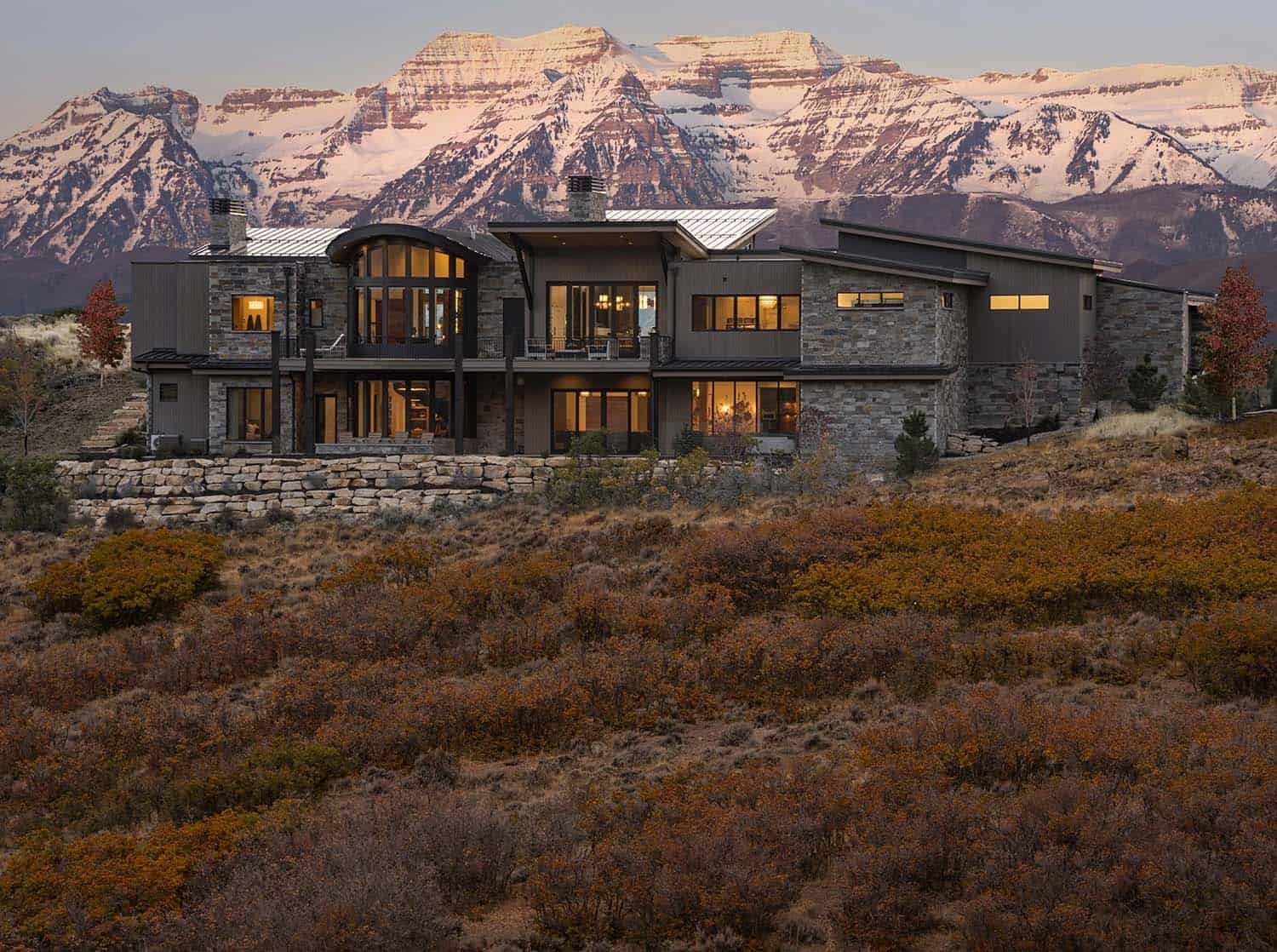
STR Regulations for Mountain Home, Utah
Short-Term Rental Investor Guide for Mountain Home, Utah (Based on Available Utah Regulations)
Overview: Are Short-Term Rentals Allowed in Mountain Home, UT?
Utah state law does not prohibit short-term rentals, but allows local municipalities to regulate them. However, no specific information about Mountain Home's STR regulations was found in the provided sources. Investors should contact Mountain Home city officials directly to confirm whether STRs are permitted and what local regulations may apply.
At the state level, Utah has specific protections for STR operators: under 2017 state legislation, municipalities cannot prohibit individuals from listing or offering STRs on STR websites, nor can they punish operators solely for listing or offering STRs online. However, cities can still require compliance with local ordinances and enforce business license requirements.
What do Airbnb hosts actually earn in Mountain Home?
Mountain Home hosts earn a median $13,562/year with $225 ADR and 32% occupancy.
Top performers pull in $19,540+ per year.
See the full Mountain Home market breakdownHow to Start a Short-Term Rental Business in Utah (State-Level Requirements)
-
Business Structure: Consider forming a legal business entity (LLC) through the Utah Division of Corporations and Commercial Code if desired for liability protection and tax purposes.
-
Tax Registration: Register with the Utah State Tax Commission to obtain necessary tax accounts, even if platforms like Airbnb or Vrbo handle tax collection.
-
Local Compliance: Check with Mountain Home city officials for:
- Business license requirements
- Zoning compliance (ensure STR use is permitted in your property's zone)
- Safety inspection requirements
- Occupancy limits or restrictions
-
Platform Registration: List your property on STR platforms (Airbnb, Vrbo, etc.), ensuring compliance with all requirements.
Required Documents, Permits, Licenses, and Guidelines
State-Level Requirements:
- Utah State Tax ID Number: Required for tax collection and remittance
- Sales Tax Registration: If platforms don't automatically handle tax collection
- Transient Room Tax Registration: If applicable to your location
Local Requirements (Mountain Home):
Note: Specific Mountain Home requirements are not available in provided sources. Contact city officials for:
- Business license application
- STR permit (if required)
- Safety inspection certificates
- Zoning approval documentation
Recommended Documentation:
- Property insurance with STR coverage
- Local property management agreement (if required)
- Emergency contact information for guests
- House rules and policies
Utah State-Level STR Regulations
Definition and Tax Framework:
- Short-Term Rental Definition: Generally defined as rental of residential dwelling for periods less than 31 consecutive days
- Transient Room Tax (TRT): Tax paid by guests staying fewer than 30 days
- Municipalities may impose up to 1% TRT
- Counties may impose up to 4.25% TRT
- Resort Community Tax: Cities/towns with transient room capacity ≥66% of permanent population may impose up to 1% additional sales tax
Tax Obligations:
- State Sales Tax: 4.85% base rate (may be higher with local option taxes)
- Local Transient Room Taxes: Vary by municipality and county
- Resort Taxes: Apply in designated resort communities
State Protections and Limitations:
- Listing Protection: Cannot prohibit online STR listings
- Compliance Enforcement: Can require registration, permits, and business licenses
- Educational Outreach: Cities may contact operators about compliance requirements
- Violation Enforcement: Can fine operators for local ordinance violations
Local Authority Contact Information
For Mountain Home, Utah, specific information is not available in provided sources. Contact:
Mountain Home City Hall
- Phone: [Contact city directly - number not provided in sources]
- Email: [Contact city directly - email not provided in sources]
- Website: [Check city website directly]
For Utah state-level STR questions:
- Utah State Tax Commission: (801) 297-2200
- Utah Division of Corporations and Commercial Code: Contact through Utah.gov
For planning and development guidance:
- Utah Community Development Office: community@utah.gov, (801) 468-0133
Key Utah Municipal STR Examples (For Reference)
While not applicable to Mountain Home, these examples show typical Utah STR regulations:
Park City:
- Nightly Rental License required
- State sales tax ID required
- Zoning compliance mandatory
- Additional resort taxes
Moab:
- Business license required
- Safety inspections mandatory
- Violations treated as Class A misdemeanor
- Additional nightly rental license fees
Kanab:
- Local property manager required (must reside within 1-hour travel time)
- 24/7 availability requirements
Source Links
- Utah Short-Term Rental Regulations Overview: www.redawning.com/pm/post/utah-short-term-rental-laws
- Utah STR Policy & Best Practices Guide: luau.utah.gov/wp-content/uploads/Short-Term-Rentals-Guide-2-2023-Update-WEB.pdf
- Summit County STR News: www.kpcw.org/summit-county/2025-07-01/summit-county-may-update-short-term-rental-rules-before-end-of-year
- Utah STR Investment Guide: rangerealtyco.com/blog/what-to-look-for-when-buying-vacation-or-short-term-rentals
Critical Next Steps for Mountain Home Investors
- Direct Contact: Immediately contact Mountain Home city officials to obtain current STR regulations
- Zoning Verification: Confirm STR use is permitted in your property's zoning district
- License Requirements: Obtain all necessary business licenses and permits
- Tax Registration: Complete state and local tax registrations
- Insurance Review: Ensure adequate property and liability coverage
- HOA Check: Verify no homeowner association restrictions apply
Important Disclaimer: This guide is based solely on the provided sources and does not include Mountain Home-specific regulations. Mountain Home may have its own ordinances not covered in these materials. Direct verification with local authorities is essential before investing or operating an STR in Mountain Home, Utah.
Next step
Found a property in Mountain Home?
Paste any address and get estimated revenue, cash-on-cash return, and comparable STR performance in under 5 minutes. 3 free analyses per day.
Free brief
Get the free Mountain Home STR Investment Brief
Revenue data, top neighborhoods, seasonal trends, and the key regulations for Mountain Home, Utah in one email.
Mountain Home
Market Saturation Score
Photos of Mountain Home

Overview of Mountain Home
Mountain Home is an unincorporated community in central Duchesne County, Utah, United States, adjacent to the Uintah and Ouray Indian Reservation.
Want to know if a property in Mountain Home is a good investment?
Enter an address to get instant revenue potential and comps.