
Rosebud, Texas
Want to see how Rosebud compares to other top cities in Texas? Explore all city regulations in Texas. →
Rosebud, TX
Generally Investor Friendly
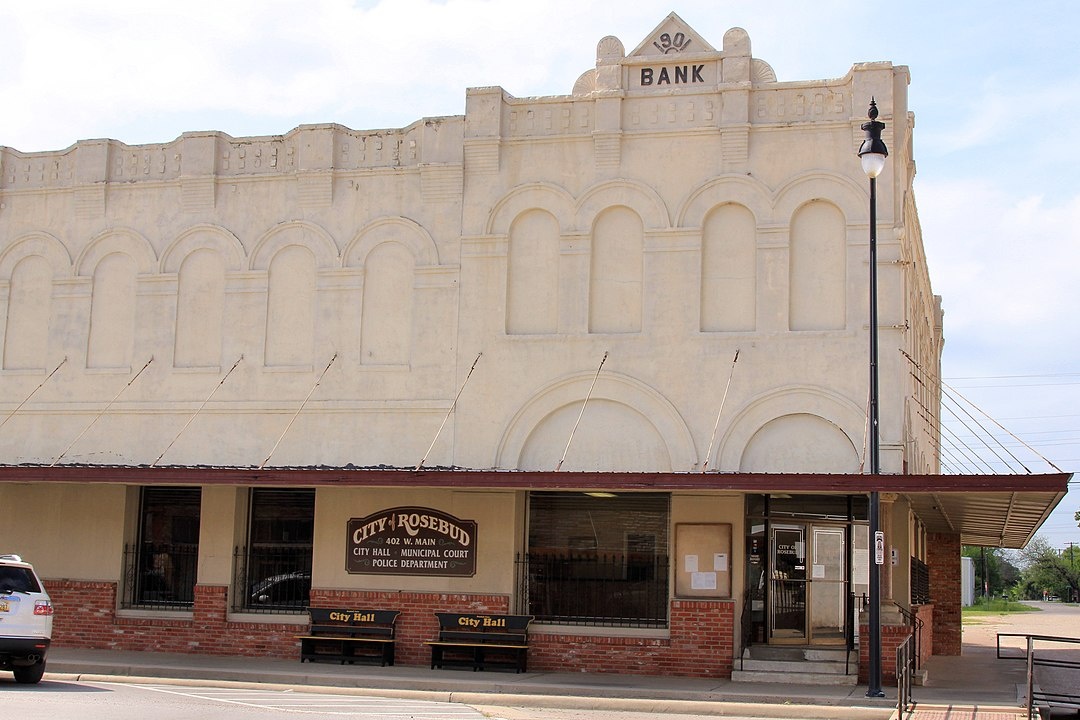
STR Regulations for Rosebud, Texas
Overview: Are short-term rentals allowed in Rosebud, TX?
- Short-term rentals are permitted in Texas under state law; there is no statewide prohibition on STRs. You can operate a STR in Texas provided you comply with applicable taxes (state hotel occupancy tax and local hotel tax where applicable) and general laws.
- City-level information for Rosebud, TX: The provided sources do not contain Rosebud-specific regulations or a city STR ordinance. Treat this as “no explicit city STR ordinance found.” You should still verify with Falls County and any homeowners’ association or deed restrictions.
- Falls County-level information: Falls County is largely rural and does not publish an STR-specific ordinance in the provided sources; operate under Texas state requirements and general county permitting/health rules (e.g., septic, building permits).
- For ADU context (useful if your STR is in an accessory dwelling): Texas has no statewide ADU policy; ADUs are governed locally. Bell County (which neighbors Falls) indicates no county ADU ordinance; other counties vary by municipality. This is included to contextualize ADU-backed STRs in nearby markets.
References:
- Zook Cabins “ADU Regulations in Texas” page (general ADU context and county overview)
- External Texas resources (state-level STR and tax requirements)
How to start a short-term rental business in this market (Rosebud/Falls County)
Step-by-step process (based on the provided sources and Texas state requirements):
-
Verify zoning and legality of STR use
- Confirm no restrictive covenants or HOA rules prohibit STRs on your property.
- Ensure the structure can be legally used for overnight lodging (complies with building, health, and safety standards).
- In unincorporated Falls County, STRs are not prohibited by county-level code per the provided sources; operate under state law and general permitting requirements.
-
Secure necessary building and development authorizations
- Obtain a building permit if constructing or significantly renovating an STR unit; comply with the International Residential Code (IRC) and local inspections.
- If the STR is an ADU (e.g., accessory structure converted to lodging), ADU rules are local; Texas has no statewide ADU framework.
-
Register for hotel occupancy tax (HOT)
- Register with the Texas Comptroller for state HOT (6.25% for most jurisdictions).
- If operating in a city or ETJ that levies local hotel occupancy tax (e.g., certain nearby municipalities), register with that local entity and remit local HOT.
- Collect and remit both state and applicable local HOT from your guests, and file returns as required.
- Note: Hospitality and short-term rental platforms (Airbnb, VRBO) typically collect and remit state and local HOT on your behalf; confirm their processes and your obligations.
-
Comply with health and safety requirements
- Provide working smoke alarms, carbon monoxide detectors where applicable, fire extinguishers, and clearly posted egress instructions.
- If using septic, confirm compliance with county health department standards.
- Provide guest emergency information (local emergency contacts, utilities shutoff locations).
-
Establish operational policies
- Publish house rules covering occupancy, quiet hours, parking, smoking, pets, and trash/recycling.
- Set a maximum occupancy consistent with your home’s systems and local standards.
- Consider insurance coverage appropriate for STR operations.
-
Go to market and maintain compliance
- List your property on platforms (Airbnb, VRBO), ensuring accurate occupancy tax collection.
- File periodic HOT returns (state and, if applicable, local).
- Maintain records (reservations, guest counts, tax remittances, communications, and safety logs).
What do Airbnb hosts actually earn in Rosebud?
Rosebud hosts earn a median $11,043/year with $91 ADR and 46% occupancy.
Top performers pull in $16,421+ per year.
See the full Rosebud market breakdownRequired documents, permits, licenses, and guidelines
Based on the provided sources and Texas state requirements:
- State-level requirements
- Hotel Occupancy Tax registration with the Texas Comptroller (for state HOT).
- Monthly/quarterly HOT filings and remittances (state and any applicable local HOT).
- County-level requirements (Falls County, as reflected by the sources)
- Building permits and inspections for new construction, significant alterations, or ADU conversion.
- Health/sanitation compliance (septic systems and any county health permits).
- Comply with county floodplain and subdivision rules if applicable.
- City-level (Rosebud): No STR-specific documents or licenses identified in the provided sources; verify with city or county contacts if any local ordinances exist.
- Operational policies and safety
- Written house rules, emergency procedures, occupancy limits, and safety equipment inventories.
For ADU conversions
- Texas has no statewide ADU ordinance; ADU rules are local.
- For nearby Bell County (illustrative): Bell County does not regulate ADUs at the county level; municipalities may impose their own rules (e.g., Killeen, Temple). Confirm local rules if your STR is in an ADU or accessory structure.
Specific regulations for short-term rentals: Rosebud (City), Falls County (County), and Texas (State)
City of Rosebud
- The provided sources do not contain Rosebud-specific STR regulations; assume operation under state law unless the city adopts an ordinance.
Falls County
- The sources do not list county-level STR licensing or rental registration ordinances. The county generally does not publish ADU ordinances; operate under state requirements and general building/health permitting.
Texas (State-level)
- Hotel Occupancy Tax (HOT): 6.25% state tax applies to short-term rentals; file returns with the Texas Comptroller. Some municipalities also levy local HOT; confirm applicable local rates and registration.
- No statewide STR licensing ban; Texas takes a local-control approach to STRs.
- Safety standards: Homes used for lodging must meet IRC standards; provide smoke alarms, CO detectors where required, and fire safety equipment.
- ADU context: No statewide ADU policy; ADUs are governed by local jurisdictions.
Contact information (phone, email, website where available)
Falls County
- Texas Comptroller (state HOT registration and filing): Online portal and instructions available at comptroller.texas.gov/taxes/hotel-occupancy-tax; contact via the Comptroller’s office (main number available on the website).
- Falls County Clerk (general county information): Contact via Falls County’s official website (fallsclerk.us or falls.texas.gov; the provided sources do not list a specific phone/email).
- Falls County Health Department (septic/environmental health): Contact via county health office (specific phone/email not provided in the sources).
- City of Rosebud (city hall or city secretary): City-level STR rules not identified in the sources; phone/email not provided.
Links to source pages (IMPORTANT)
-
ADU Regulations in Texas: The Complete Guide (Zook Cabins)
-
Texas Hotel Occupancy Tax program (Texas Comptroller)
Actionable next steps specific to Rosebud and Falls County:
- Verify no HOA/deed restrictions; check city and county for any new STR or ADU ordinances before converting an ADU to STR use.
- Register with the Texas Comptroller and, if applicable, any local HOT authority.
- Obtain building and health permits as needed; confirm septic compliance.
- Implement safety equipment and publish clear guest policies.
Next step
Found a property in Rosebud?
Paste any address and get estimated revenue, cash-on-cash return, and comparable STR performance in under 5 minutes. 3 free analyses per day.
Free brief
Get the free Rosebud STR Investment Brief
Revenue data, top neighborhoods, seasonal trends, and the key regulations for Rosebud, Texas in one email.
Rosebud
Market Saturation Score
Photos of Rosebud


Overview of Rosebud
Rosebud is a small city in Falls County, in the heart of central Texas, with a population of approximately 1,300 residents. The town sits within the rolling Blackland Prairie, a region long defined by cotton farming, wide skies, and the quiet rhythms of rural Texas life. Roughly 40 miles southeast of Waco and about 35 miles northeast of Temple, Rosebud offers travelers a peaceful stop between two of central Texas's busiest corridors, with easy access to the larger cultural and recreational amenities of the I-35 region. Though modest in size, the community carries the kind of understated, small-town character that appeals to visitors looking to slow down and experience the area away from the crowds.
Waco, the nearest major city, is one of the most popular destinations in central Texas and a frequent day trip for visitors staying in surrounding communities. The city is best known for Magnolia Market at the Silos, the home base of Chip and Joanna Gaines, which has become a major draw for fans of design, food, and the network's television shows. Beyond Magnolia, Waco offers a walkable downtown along the Brazos River, an active food and brewery scene, and a string of cultural institutions, including the Texas Ranger Hall of Fame and Museum and the campus of Baylor University. The drive from Rosebud to downtown Waco typically takes around 50 minutes via US-77 and I-35.
Just a few miles west of Rosebud, the Brazos River carves through the central Texas landscape, providing a natural focus for fishing, paddling, and quiet riverside outings. In Waco itself, the river is bordered by Cameron Park, a large municipal space with miles of hiking and biking trails, bluffs overlooking the water, and a zoo. Anglers and outdoor enthusiasts in the Rosebud area can also find several smaller public access points and lake spots scattered through Falls County and the surrounding region.
To the west, Cameron serves as the county seat of Falls County and offers a glimpse of older Texas history, with a compact downtown, the Falls County Courthouse, and a few locally loved cafes and shops. A short drive in the other direction puts visitors within reach of Temple and the broader Killeen–Temple metro area, where additional dining, medical facilities, and the cultural offerings of central Texas are easily found.
For short-term rental owners and guests alike, Rosebud's appeal lies in its affordability, its quiet rural setting, and its convenient position between two of central Texas's most visited cities. Travelers who want to experience Waco's attractions, the Brazos River corridor, and the slower pace of the Blackland Prairie can do so without the higher nightly rates of staying in the city itself, making the town a practical and restful base for exploring the region.
Want to know if a property in Rosebud is a good investment?
Enter an address to get instant revenue potential and comps.