
Paducah, Texas
Want to see how Paducah compares to other top cities in Texas? Explore all city regulations in Texas. →
Paducah, TX
Irrelevant
STR Regulations for Paducah, Texas
Important Note on Location
The provided content confirms that Paducah is a city in Kentucky, not Texas. There is no mention of a Paducah in Texas in the sources. Therefore, this guide will provide information relevant to Texas state-level regulations, as this is the only relevant context for "Paducah, Texas" from the provided materials. If a specific city named Paducah exists in Texas, it was not covered in the provided research.
Short-Term Rental (STR) Regulations in Texas: A Guide for Investors
Overview:
- Short-term rentals are allowed in Texas. The state operates under a principle of "local control," meaning that state law does not explicitly prohibit short-term rentals. However, the legality, requirements, and restrictions are governed primarily by local ordinances at the city or county level.
- Texas has no statewide short-term rental permit or license. Unlike some states, Texas does not have a centralized STR registration system. Investors must check the specific rules of the county and the municipality where the property is located.
- Key State-Level Consideration: Property Taxes. Unlike traditional long-term rentals, which may have tax implications, STR income is typically reported as ordinary income for federal tax purposes. Investors should consult a tax professional for detailed advice.
How to Start a Short-Term Rental Business in Texas
- Market Research & Viability: Analyze your target market. Is the area a tourist destination? Are there events that draw crowds? Look at competitors on platforms like Airbnb and VRBO to understand pricing and occupancy rates.
- Secure Financing & Property: Purchase or finance a property suitable for an STR. Consider factors like location, property type, and local regulations.
- Legal Compliance (The Crucial Step):
- Determine the Governing Jurisdiction: Is the property inside a city limit or in an unincorporated area of the county? This dictates which local rules apply.
- Review Local Ordinances: This is the most critical step. Check the city or county website for zoning ordinances, STR regulations, and permit requirements. Failure to comply can result in fines and legal action.
- Homeowners' Association (HOA) Rules: If the property is in an HOA, review the covenants, conditions, and restrictions (CC&Rs) to ensure STRs are permitted.
- Obtain Permits/Licenses (if required by local law): See the section below for details on common requirements.
- Property Preparation & Management: Furnish and equip the property to meet guest expectations. Decide whether to manage the property yourself or hire a property management company.
- List Your Property: Create compelling listings on STR platforms (Airbnb, VRBO, Booking.com, etc.).
- Ongoing Compliance: Continuously monitor local laws for changes and fulfill ongoing obligations like tax remittances.
Required Documents, Permits, Licenses, and Guidelines
Texas state law does not mandate specific permits for STRs. However, local municipalities often do. The requirements vary widely but may include:
- Short-Term Rental (STR) Permit/License: A common requirement in cities like Austin, Dallas, and Galveston. This is usually an annual license that must be displayed.
- Certificate of Occupancy (CO): Some jurisdictions may require a CO specifically for STR use, ensuring the property meets safety standards.
- Sales Tax Permit: If you are running a business in Texas, you are likely required to collect and remit state and local sales taxes. This is a common and crucial requirement for STR operators. You can register for a Texas Sales Tax Permit through the Texas Comptroller's Office.
- Registration with Platforms: Platforms like Airbnb often require hosts to provide a tax ID and comply with local laws before listing.
Common Guidelines from Local Ordinances (Examples from the provided Texas ADU content):
- Owner-Occupancy Requirements: Some cities, like Dallas (Travis County), limit STR use of ADUs to 30 days per year if built after a certain date.
- Safety Standards: Properties must often meet basic safety standards, such as having functioning smoke detectors and carbon monoxide detectors.
- Occupancy Limits: Local fire codes may dictate the maximum number of guests allowed.
Specific Regulations for Short-Term Rentals in Texas
Since regulations are local, the most important rules will be found in the city or county code. Here are some common regulatory themes found across Texas jurisdictions:
- Zoning Designations: STRs are typically only allowed in certain zoning districts (e.g., residential, commercial). They are often prohibited in planned unit developments (PUDs) or specific neighborhoods without a permit.
- Prohibition on " Parties Houses": Many ordinances aim to prevent nuisances like loud parties. There may be strict penalties for noise violations or other disturbances.
- Minimum Stay Requirements: Some areas, like Galveston, may have a minimum stay requirement (e.g., no rentals for fewer than 30 days) to curb full-time STR use.
- Business Licensing and Taxes: As mentioned, a local STR license and the collection/remittance of state and local sales taxes are frequent requirements.
- Advertising Restrictions: Rules may specify that any advertisement for an STR must include the local permit number.
Contact Information for Local Authorities
Since Paducah, Texas, does not appear to be a recognized municipality, you should contact the authorities for the relevant county.
-
For State-Level Sales Tax Information (Crucial for all STRs in Texas):
- Texas Comptroller of Public Accounts
- Website: https://comptroller.texas.gov/
- Phone: 1-800-252-5555
-
For County-Level Zoning and Permitting Information (Example for a county in Texas):
- McLennan County (for context, based on provided data):
- Website: https://www.mclennan.gov/
- Phone: (254) 757-5000
Always contact the specific city or county where your property is located. Search for "City of [Your City] Planning Department" or "County [Your County] Texas Permits" to find the correct authority.
Links to Source Pages
- Texas ADU Regulations (General Context): ADU Regulations in Texas
- Texas Comptroller (Sales Tax Information): Texas Comptroller of Public Accounts
Conclusion: The Texas STR landscape is defined by local rules. Success hinges on diligent research and compliance at the city or county level. Always verify the specific regulations for your property's location before investing.
What do Airbnb hosts actually earn in Paducah?
Paducah hosts earn a median $12,277/year with $135 ADR and 57% occupancy.
Top performers pull in $26,024+ per year.
See the full Paducah market breakdownNext step
Found a property in Paducah?
Paste any address and get estimated revenue, cash-on-cash return, and comparable STR performance in under 5 minutes. 3 free analyses per day.
Free brief
Get the free Paducah STR Investment Brief
Revenue data, top neighborhoods, seasonal trends, and the key regulations for Paducah, Texas in one email.
Paducah
Market Saturation Score
Photos of Paducah


Overview of Paducah
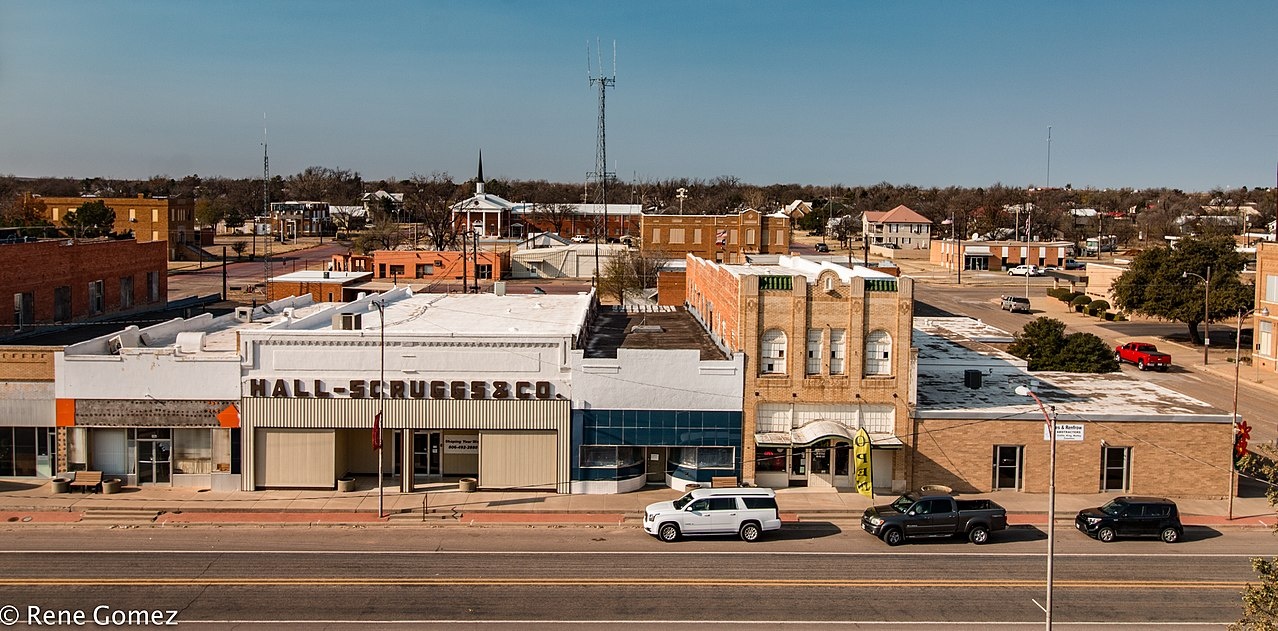
Paducah is a small city serving as the county seat of Cottle County in the rolling agricultural plains of the Texas Panhandle region. With a population of roughly 1,100 residents, the community has the quiet, tight-knit character typical of rural West Texas towns, surrounded by cotton fields, cattle ranches, and wide-open skies. The town has historically served as a regional hub for the surrounding ranching and farming community, and today it remains a waypoint for travelers exploring the lightly populated landscape between Lubbock and Wichita Falls. Paducah sits about 100 miles northeast of Lubbock and roughly 90 miles west of Wichita Falls, placing it within a few hours' drive of the larger amenities of those cities while retaining its unhurried rural atmosphere. It is best known as a gateway to the rugged scenery of the eastern Caprock Escarpment and the historical ranching lands of the Red River region.
Roughly 30 to 40 minutes to the west of Paducah lies Caprock Canyons State Park, a striking expanse of red-rock canyons, mesas, and prairie that marks the northern edge of the Llano Estacado. The park is home to the official Texas State Bison Herd, descended from animals once protected by rancher Charles Goodnight, and it offers hiking, camping, horseback riding, and mountain biking trails that draw visitors from across the region. Its dramatic cliffs and wildflower-covered slopes provide a memorable contrast to the flat farmland that surrounds Paducah and make it the area's marquee outdoor attraction.
About 20 miles to the west, the small town of Matador offers a glimpse into the area's ranching heritage. Matador was the historic headquarters of the Matador Cattle Company, one of the great nineteenth-century Texas ranching operations, and the town's preserved downtown and local museum provide a tangible link to the cattle-drive era. Visitors passing through the area often stop to explore this quieter piece of Texas history before continuing on to the canyons or back toward the Panhandle.
For travelers seeking a slower pace, the broad rural landscape around Paducah itself rewards visitors interested in stargazing, birdwatching, and scenic drives through working ranch country. The town's quiet main streets, county courthouse, and surrounding agricultural vistas offer an authentic slice of small-town Texas that has become increasingly rare in the broader state.
Paducah is a compelling base for short-term rentals primarily because of its proximity to Caprock Canyons State Park and the broader Caprock region, which attract outdoor enthusiasts, photographers, and history-minded travelers who often struggle to find convenient lodging in such a sparsely populated area. Its position between Lubbock and Wichita Falls also makes it a practical overnight stop for road-trippers crossing the Panhandle, while the authentic rural character of the town offers guests a distinctive alternative to the chain hotels of larger Texas cities. For owners, the combination of limited local accommodation options and a steady trickle of visitors to the surrounding natural and historical attractions creates an inviting niche for a well-placed short-term rental.
Want to know if a property in Paducah is a good investment?
Enter an address to get instant revenue potential and comps.