
La Porte, Texas
Want to see how La Porte compares to other top cities in Texas? Explore all city regulations in Texas. →
La Porte, TX
Very Investor Friendly
STR Regulations for La Porte, Texas
Overview: Are Short-Term Rentals Allowed in La Porte, TX?
EXPLICIT ANSWER: Short-term rentals are currently allowed in La Porte, TX without specific municipal regulation.
The City of La Porte explicitly states: "The City of La Porte does not currently regulate short-term rentals but is considering a short-term rental (STR) ordinance." This means investors can currently operate STRs without city-issued permits or licenses, though this regulatory landscape may change as the city develops its ordinance.
What do Airbnb hosts actually earn in La Porte?
La Porte hosts earn a median $27,688/year with $150 ADR and 67% occupancy.
Top performers pull in $40,442+ per year.
See the full La Porte market breakdownHow to Start a Short-Term Rental Business in La Porte
Step 1: Property Zoning Verification
Before purchasing or converting property for STR use, verify zoning compliance:
- Check the City's Zoning Map
- Use the GIS Web App to view zoning districts
- Refer to Sec. 106-331. - Table A, Residential Uses for permitted residential uses
Step 2: Federal and State Compliance
- Obtain appropriate business licenses
- Comply with Texas hotel occupancy tax requirements (6% state rate)
- Obtain Harris County hotel occupancy tax permits if applicable
- Ensure property insurance coverage for STR operations
Step 3: Home Occupation Considerations
- Review Section 106-749 - Home occupation regulations
- Ensure STR operations comply with home-based business rules
Required Documents, Permits, Licenses, and Guidelines
Currently Required:
- Business Registration: Basic Texas business registration if operating as formal entity
- Hotel Occupancy Tax Registration: Texas Comptroller registration for state HOT collection
- Harris County Registration: County-level tax collection registration if applicable
- Property Insurance: Comprehensive coverage for STR operations
Potentially Required in Future:
- City STR registration/permit (when ordinance is adopted)
- Property inspections (may be required under future ordinance)
- Additional zoning compliance documentation
Zoning Compliance Documents:
- Zoning verification letter (available via planning@laportetx.gov)
- Property surveys and deed restrictions
- Compliance with residential area requirements (Sec. 106-333)
Specific Regulations: City, County, and State Level
City of La Porte (Current Status):
- No specific STR regulations currently in place
- City is actively considering STR ordinance development
- General zoning compliance required under Chapter 106 - Zoning
- Home occupation rules may apply (Sec. 106-749)
Harris County Level:
- Hotel occupancy tax collection required (2% county rate)
- Property tax compliance
- Building code compliance through county systems
State of Texas Level:
- Hotel Occupancy Tax: 6% state rate
- Business licensing requirements
- Texas Property Code compliance
- Consumer protection requirements
Potential Future City Regulations:
Based on the city's consideration of regulations, potential future requirements may include:
- STR registration/permitting system
- Property inspection requirements
- Occupancy limits
- Safety compliance standards
- Nuisance and noise regulations
- Density restrictions in residential areas
Contact Information for Local Authorities
Planning Department (Zoning Verification):
- Email: planning@laportetx.gov
- Phone: 281-470-5020
- Services: Zoning verification, development applications, planning consultation
City Main Contact:
- Address: 604 W Fairmont Parkway, La Porte, TX 77571
- Phone: 281-470-5020
- Website: laportetx.gov
State-Level Contacts:
- Texas Comptroller (Hotel Occupancy Tax): Online registration at comptroller.texas.gov
- Harris County Tax Assessor: For county hotel occupancy tax
Important Notes for STR Investors
Regulatory Risk:
The city is actively considering STR regulations, which could impact operations. Investors should:
- Monitor city council meetings and planning department updates
- Prepare for potential compliance costs
- Consider the impact of future regulations on investment returns
Compliance Priorities:
- Current Focus: Tax compliance and zoning adherence
- Future Planning: Prepare for potential permit/inspection requirements
- Community Relations: Maintain good neighbor relations to support positive regulatory development
Recommended Actions:
- Subscribe to city meeting agendas at laportetx.gov/778/Agendas-Minutes
- Participate in public comment periods when regulations are proposed
- Work with local real estate and legal professionals familiar with La Porte regulations
Source Links
- City of La Porte STR FAQ - Primary source confirming no current STR regulation
- La Porte Zoning Map - Property zoning verification
- GIS Zoning Application - Interactive zoning lookup
- City Council Agendas & Minutes - Monitoring future STR discussions
- Chapter 106 Zoning Ordinance - Comprehensive zoning regulations
Disclaimer: This guide is based on available information as of the content review date. Given that La Porte is actively considering STR regulations, investors should verify current requirements with local authorities before making investment decisions.
Next step
Found a property in La Porte?
Paste any address and get estimated revenue, cash-on-cash return, and comparable STR performance in under 5 minutes. 3 free analyses per day.
Free brief
Get the free La Porte STR Investment Brief
Revenue data, top neighborhoods, seasonal trends, and the key regulations for La Porte, Texas in one email.
La Porte
Market Saturation Score
Photos of La Porte

Overview of La Porte
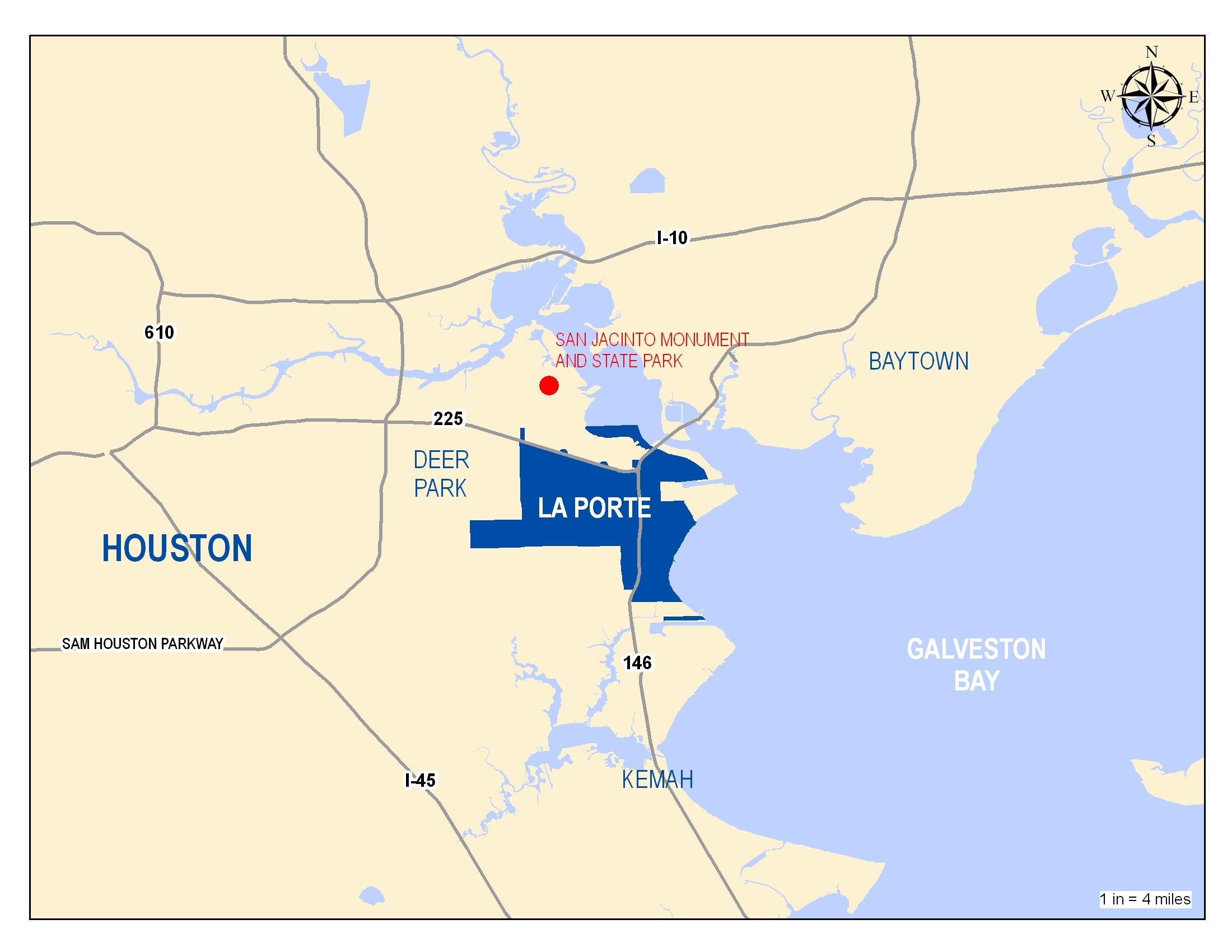
La Porte sits on the western shore of Galveston Bay in Harris County, Texas, roughly 25 miles southeast of downtown Houston. With a population of approximately 36,000, the city has a quiet, water-oriented character shaped by its bayfront location, its long industrial history tied to the ship channel, and its proximity to one of the most important historic sites in Texas. Travelers and vacationers who stay here are typically drawn by the fishing, birding, and sailing on Galveston Bay, by the museums and monuments just outside town, and by the convenience of using La Porte as an affordable base for excursions into Houston or down the coast toward Galveston.
A short drive east of the city, the San Jacinto Battleground State Historic Site preserves the ground where Sam Houston's army won the decisive 1836 battle that secured Texas independence from Mexico. Visitors can climb the San Jacinto Monument, the tallest stone-column war memorial in the world and a dramatic sight along the Houston Ship Channel, and explore the on-site museum. The site is also home to the Battleship Texas State Historic Site, where the last surviving dreadnought-class battleship to serve in both world wars is being preserved. Together, these adjacent attractions make the area east of La Porte one of the most visited heritage destinations in the region.
Closer in, Sylvan Beach Park is La Porte's own bayfront playground, featuring a sandy stretch of Galveston Bay, a historic pavilion, a fishing pier, playgrounds, and event space that hosts concerts and festivals through the warmer months. The compact, walkable park gives the city a small-resort feel on summer weekends and offers one of the more pleasant free beaches within an easy drive of central Houston.
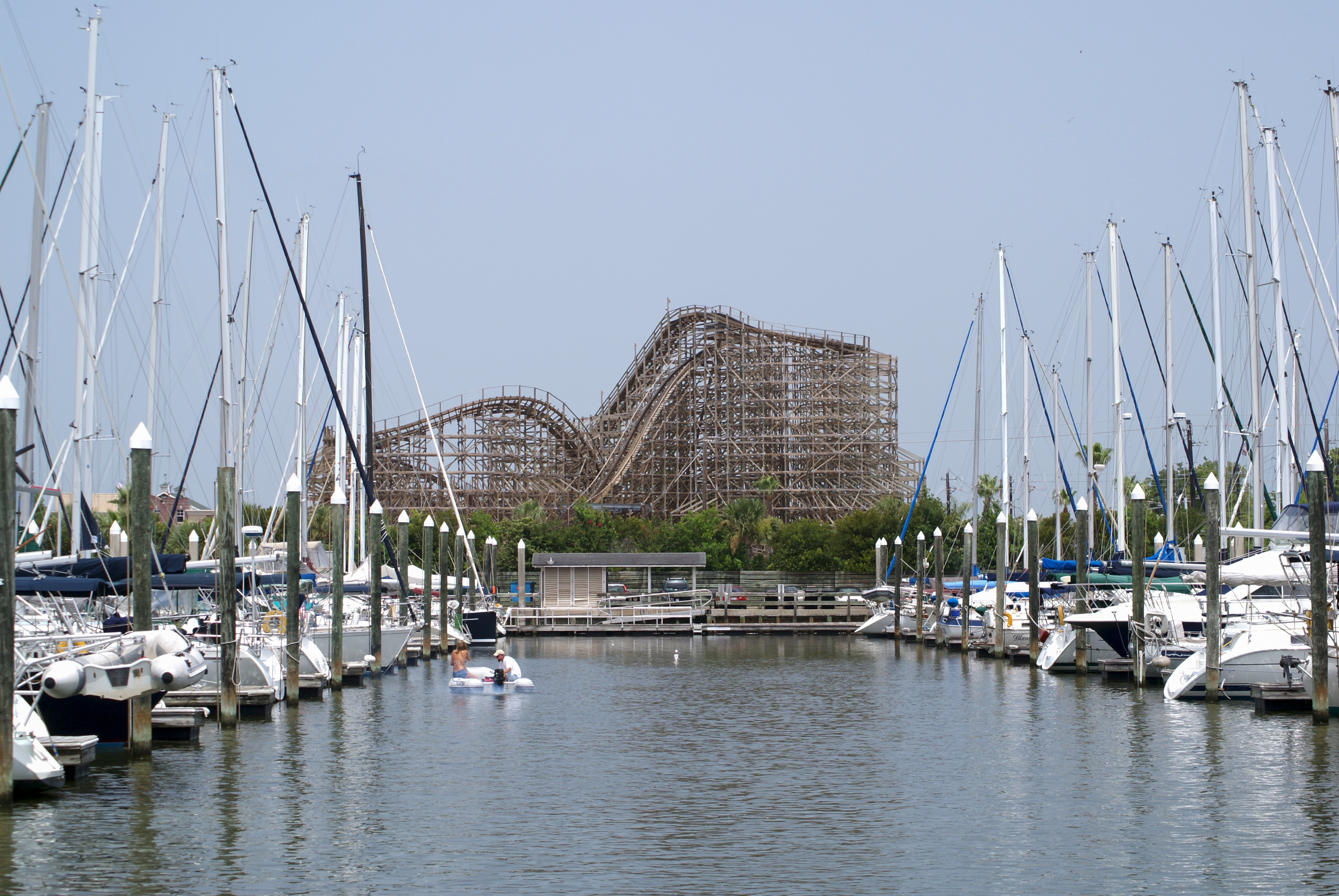
To the south, the waterfront entertainment district of Kemah Boardwalk sits roughly 15 minutes down the road along the channel, pairing amusement rides, restaurants, and marina-side dining with a family-friendly atmosphere that pairs naturally with a bay-area stay. A short drive farther brings guests to Galveston Island and its beaches, historic districts, and Moody Gardens, making La Porte a practical jumping-off point for travelers who want to mix a quieter residential setting with the larger Gulf Coast attractions.
Together, the bayfront access, the weight of Texas history at San Jacinto, and the easy reach of Houston and Galveston give La Porte a varied appeal. For short-term-rental owners, the city offers proximity to marquee destinations without the premium pricing of the coast itself, drawing history-minded visitors, families heading to the bay, and business travelers working along the ship channel.
Want to know if a property in La Porte is a good investment?
Enter an address to get instant revenue potential and comps.