
Cuero, Texas
Want to see how Cuero compares to other top cities in Texas? Explore all city regulations in Texas. →
Cuero, TX
Very Investor Friendly
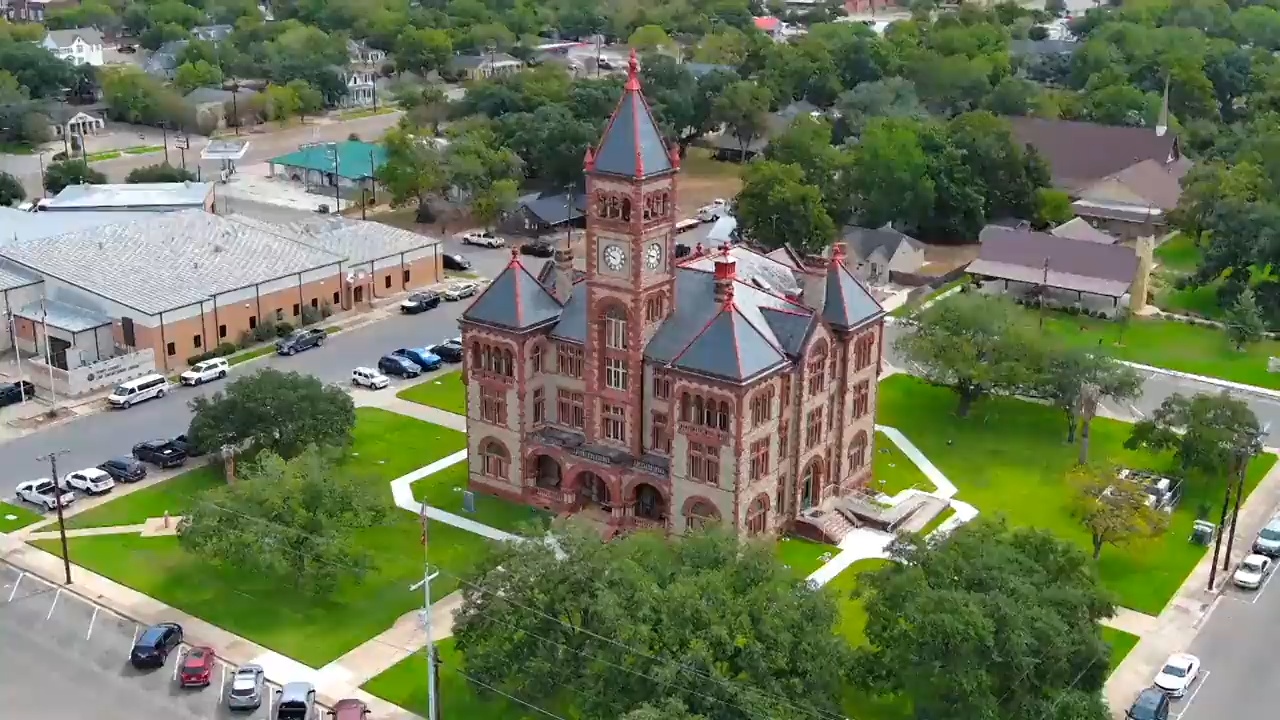
STR Regulations for Cuero, Texas
Overview: Are short-term rentals allowed in Cuero, TX?
Short-term rentals are allowed in Cuero. City zoning recognizes “Overnight Accommodations,” a use category that expressly includes “short-term rental” for stays of less than 20 hours. This means a dwelling unit can be operated as a short-term rental if the property is located in a zoning district where “Overnight Accommodations” is a permitted, limited, conditional, or temporary use, and all other code requirements (e.g., building, safety, parking, lighting) are satisfied. There are no city-specific STR permits or licensing requirements identified in the provided code, so investors must comply with general zoning, building, fire/life-safety, and state-level tax obligations. A 2018 Texas hospitality association update confirms that Texas communities regulate STRs via local ordinances and hotel occupancy tax collection, and the City of Cuero’s code does not publish an STR-specific registration or taxation program for STRs.
What do Airbnb hosts actually earn in Cuero?
Cuero hosts earn a median $28,332/year with $212 ADR and 47% occupancy.
Top performers pull in $44,400+ per year.
See the full Cuero market breakdownMarket entry: How to start a short-term rental business in Cuero, TX
- Confirm zoning feasibility
- Identify the subject parcel’s zoning district and the status of “Overnight Accommodations” in that district.
- If the use is permitted or limited, proceed; if conditional, prepare for a conditional use permit process and a public hearing; if prohibited, consider alternative districts or sites.
- Check overlay districts, historic designations, or corridor standards that may add restrictions on intensity, building form, or architectural standards.
- Validate site capacity and site standards
- Ensure the principal building or accessory dwelling unit (ADU) is served by adequate utilities and meets all development standards (setbacks, building coverage, open space ratio where applicable, parking, and lighting controls).
- Verify floodplain constraints if the parcel is within Special Flood Hazard Areas (Zones A, AE, AO, VE, etc.). Elevated construction, floodproofing, and drainage/obstruction rules apply.
- Obtain occupancy and building approvals
- Short-term rentals occupy the same physical buildings as residential uses, but the commercial nature of transient lodging can trigger commercial life-safety standards. If the Building Official determines the use must comply with commercial codes or inspections, be prepared to complete a commercial plan review and inspections.
- For any ADU, follow the ADU standards in the Unified Development Code (UDC).
- Apply for a Certificate of Occupancy if required to confirm legal compliance for the intended use.
- Meet state tax and reporting requirements
- Register for a Texas Sales Tax Permit with the Texas Comptroller to collect and remit the Texas Hotel Occupancy Tax (state rate 6%) and any applicable local hotel occupancy taxes (the city or county may impose additional taxes).
- Implement a transient guest reporting and remittance process. Collect taxes at booking or checkout, keep detailed records, and remit to the Comptroller on the prescribed schedule.
- Prepare operating procedures
- Publish guest rules regarding occupancy limits, quiet hours, parking, trash, and exterior lighting compliance (cut-off fixtures).
- Establish turnover standards that maintain neighborhood compatibility, including appropriate waste management and noise controls.
- Confirm financing and insurance arrangements appropriate for a commercial lodging operation.
Required documents, permits, licenses, and guidelines
- Zoning entitlement (as applicable)
- If “Overnight Accommodations” is a conditional use in the parcel’s district, submit a Conditional Use Permit application, with documentation supporting compatibility (parking plan, lighting controls, trash management, guest policies).
- If in a limited or permitted status, follow standard building and development permits.
- Building and occupancy
- Building Permit and commercial plan review (if life-safety code compliance is required for transient lodging).
- Certificate of Occupancy confirming legal compliance for the use.
- Texas state tax permits
- Texas Sales Tax Permit (Comptroller) to collect state and local hotel occupancy taxes.
- Set up remittance accounts with the Comptroller and any applicable local hotel occupancy tax programs.
- Operating guidelines
- Guest policies (occupancy, noise, parking).
- Trash and recycling plan (including scheduled pickup and container placement to avoid obstruction).
- Lighting plan demonstrating compliance with cut-off fixture standards for outdoor luminaires.
- Floodplain procedures if in a Special Flood Hazard Area (post-flood warnings, secure floatable materials, evacuation protocol).
City, county, and state regulations relevant to STRs in Cuero, TX
- City (Cuero) zoning and use
- “Overnight Accommodations” is explicitly defined to include short-term rental stays under 20 hours, and is categorized by use type (permitted, limited, conditional, temporary, prohibited) in each district.
- “Accessory Dwelling Units” (ADUs) are a distinct use and must comply with ADU standards; ADUs may be used as short-term rentals if zoning allows and standards are met.
- “Multi-family” excludes boarding houses, dormitories, fraternities, sororities, and overnight accommodations; do not rely on multi-family zoning for STRs unless “Overnight Accommodations” is explicitly permitted in that district.
- Building and site standards
- Development standards (setbacks, building coverage, open space ratio, parking, signage, lighting) apply.
- “Cut-off Fixture” requirements limit glare and direct light; exterior lighting must be shielded and cut off at less than 90 degrees.
- Floodplain Management and Flood Damage Prevention rules apply to parcels within Special Flood Hazard Areas; elevated construction, floodproofing, and obstruction prevention are required.
- Subdivision and platting rules ensure legal lots of record and street connectivity; ensure the parcel is lawfully created before operation.
- County (DeWitt County) and state (Texas)
- Texas Hotel Occupancy Tax applies statewide at 6%. Short-term rental operators must register with the Comptroller and remit state (and applicable local) hotel occupancy taxes.
- Texas state code references are incorporated in the UDC (e.g., Health and Safety Code chapters for certain uses; Occupations Code chapters for industrialized housing and manufactured housing). If commercial lodging standards apply, expect references to state life-safety and accessibility requirements.
- The Texas Hotel & Lodging Association’s 2018 STR update notes that Texas cities manage STRs through local ordinances, inspections, and hotel occupancy tax collection—reinforcing the importance of verifying municipal rules before operating.
Contact information (local authority in charge of STRs and related offices)
- City of Cuero – Planning & Development Department (Building Official/Zoning)
- Phone: 361-275-3476
- Email: planning@cityofcuero.com
- Address: 2300 N Esplanade St, Cuero, TX 77954
- City of Cuero – City Secretary (permits/records intake)
- Phone: 361-275-3476
- Address: 2300 N Esplanade St, Cuero, TX 77954
- Texas Comptroller – Tax Permits (Hotel Occupancy Tax)
- Phone: 1-800-252-5555
- Website: comptroller.texas.gov/taxes/hotel/
- Texas Hotel & Lodging Association (industry support)
- Phone: 512-474-2996
- Email: thla@texaslodging.com
- Address: 1701 West Avenue, Austin, TX 78701
- Website: texaslodging.com
Key source pages
- Cuero Unified Development Code (definitions and use classifications, floodplain management, lighting standards): online.encodeplus.com/regs/cuero-tx/export2doc.aspx?pdf=1&tocid=006.001
- Texas Hotel & Lodging Association – Short-Term Rental (STR) Update 2018: texaslodging.com/short-term-rental-str-update-2018/
- Texas Comptroller – Hotel Occupancy Tax information: comptroller.texas.gov/taxes/hotel/
Next step
Found a property in Cuero?
Paste any address and get estimated revenue, cash-on-cash return, and comparable STR performance in under 5 minutes. 3 free analyses per day.
Free brief
Get the free Cuero STR Investment Brief
Revenue data, top neighborhoods, seasonal trends, and the key regulations for Cuero, Texas in one email.
Cuero
Market Saturation Score
Photos of Cuero


Overview of Cuero
Cuero is a small, tradition-rich city in South Texas, serving as the county seat of DeWitt County. With a population of roughly 8,000 residents, the community carries a relaxed, rural character shaped by long-standing agricultural roots and an unhurried small-town pace. It is best known regionally for its annual Turkeyfest celebration, which honors the area's heritage as one of the state's historic turkey-producing regions. Cuero sits about 80 miles southeast of San Antonio, the nearest major metropolitan area, placing it within an easy drive of both the Alamo City and the rolling ranch country of the Gulf Coast plain.
The city itself is anchored by Cuero Municipal Park, a leafy green space along the Guadalupe River that hosts the Turkeyfest each October and offers a peaceful setting for visitors throughout the rest of the year. The park's riverfront location makes it a popular gathering spot for fishing, picnicking, and casual walks, reflecting the easygoing outdoor lifestyle that defines much of the surrounding region. Beyond the park, the DeWitt County countryside rolls with open ranchland, bluebonnet and wildflower fields in spring, and quiet country roads that draw cyclists, birders, and weekend hunters looking for a slower slice of Texas.
About 35 miles south of Cuero, the historic town of Goliad offers a rich day trip for visitors interested in early Texas history. Goliad State Park and the adjoining Mission Espíritu Santo preserve one of the most significant Spanish colonial sites in the state, where guests can tour restored mission ruins, visit a living history farm, and learn about the area's role in the Texas independence movement. The park's setting along the San Antonio River also lends itself to camping, hiking, and paddling in the cooler months.
To the northeast, the larger city of Victoria lies roughly 30 miles away, adding shopping, dining, and a small regional airport within easy reach of Cuero. Closer to home, the Guadalupe River itself winds past the city and offers several public access points for kayaking, canoeing, and bank fishing, particularly from late spring through early fall. With its blend of small-town heritage, river recreation, and proximity to San Antonio, Victoria, and the Coastal Bend, Cuero is a quietly appealing base for short-term rental guests seeking an authentic, off-the-beaten-path corner of South Texas.
Want to know if a property in Cuero is a good investment?
Enter an address to get instant revenue potential and comps.