
Brownfield, Texas
Want to see how Brownfield compares to other top cities in Texas? Explore all city regulations in Texas. →
Brownfield, TX
Generally Investor Friendly
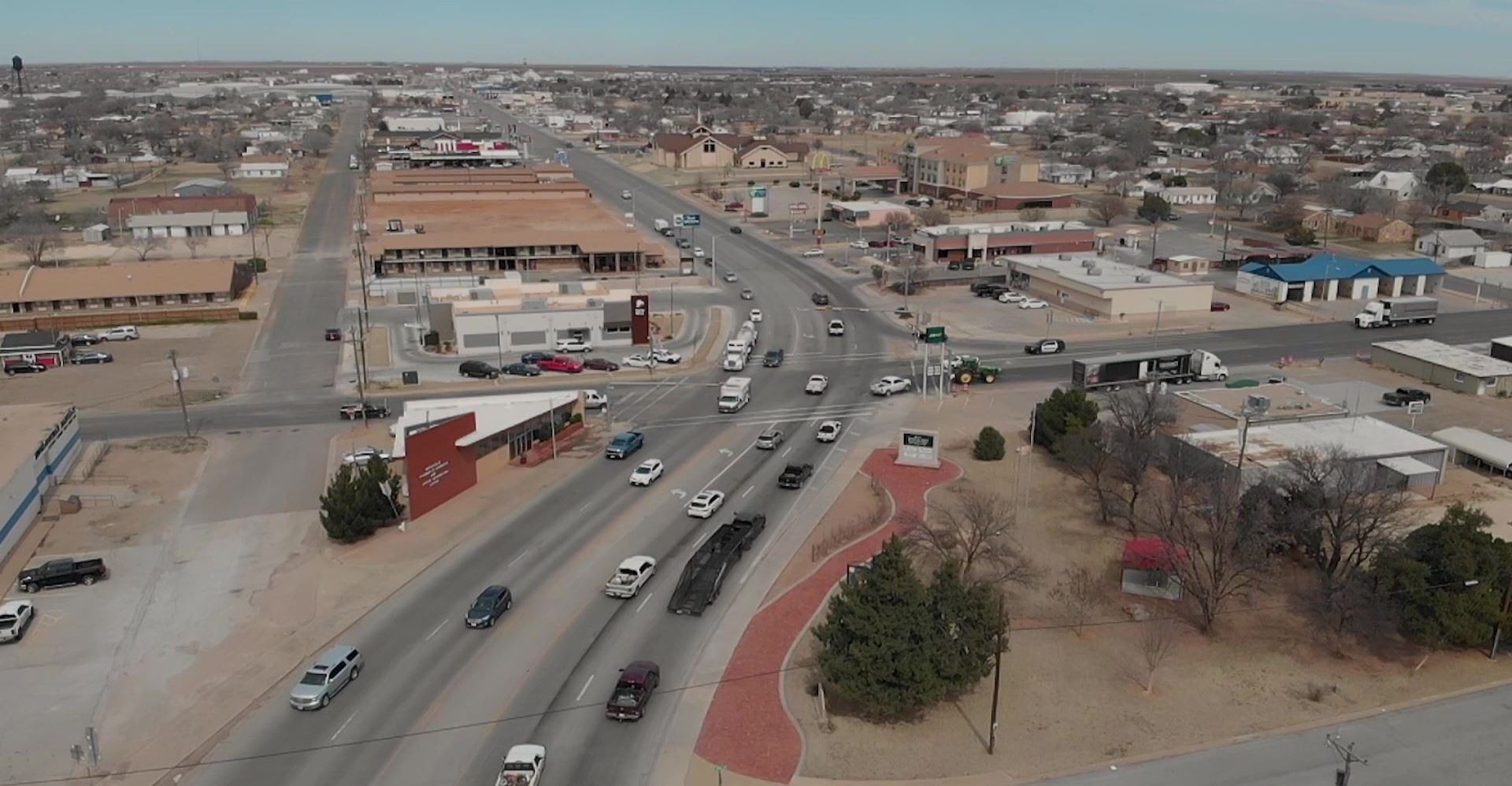
STR Regulations for Brownfield, Texas
Below is a comprehensive, investor-focused guide to short-term rentals (STRs) in the City of Brownfield, Texas, grounded entirely in the official code materials you provided. It answers whether STRs are allowed, how to start one, what permits or licenses are required, what specific rules apply, and who to contact. Where local STR-specific rules are not codified, applicable Texas state-level regulations and administrative paths are provided.
Note on scope: This guide focuses on Brownfield (city-level) and Terry County (county-level) regulations. If no city- or county-specific STR provisions are identified in the code, the default position is that standard zoning and use regulations apply, and state-level rules (e.g., taxation and occupancy) govern STR operations.
Overview: Are Short-Term Rentals Allowed in Brownfield?
- Bed & Breakfast (B&B) operations are explicitly allowed in Brownfield, but only as a Special Use (City Council approval) in most residential districts, and as a Conditional Use (Planning Commission approval) in C-1 (Local Commercial). In C-2 (General Commercial), C-3 (Heavy Commercial), and M-1 (Light Manufacturing), B&Bs are an Allowed Use.
- The term “short-term rental” does not appear in the provided Brownfield Zoning Ordinance, nor do we see a dedicated STR ordinance (e.g., registration, caps, occupancy caps, or hosting platform requirements). Accordingly:
- Investor-owned, non-owner-occupied STRs that do not qualify as B&Bs are not expressly addressed. In the absence of an STR-specific ordinance, such uses would be evaluated under the general zoning framework and the city’s development review procedures.
- Given that “Bed & Breakfast” is the only explicitly recognized accommodation use category, investors considering non-B&B STRs should initiate a formal zoning determination or seek appropriate approvals (e.g., Special Use or Conditional Use) to lawfully operate.
- The City’s development procedures (special use, conditional use, variance) provide pathways to approve uses that may not be explicitly listed but can be authorized through discretionary review.
- State-level rules—particularly taxation (hotel occupancy tax and state sales tax), safety, and occupancy—apply to STR operations in Brownfield.
Bottom line: Bed & Breakfast lodging is explicitly allowed with approvals (primarily a Special Use in residential districts). Other STR models require a case-by-case zoning determination or a formal application (Special Use or Conditional Use) to determine compliance.
What do Airbnb hosts actually earn in Brownfield?
Brownfield hosts earn a median $34,211/year with $195 ADR and 50% occupancy.
Top performers pull in $36,147+ per year.
See the full Brownfield market breakdownHow to Start a Short-Term Rental Business in This Market
- Confirm the property’s zoning district and permitted uses
- Obtain the Official Zoning Map or request a written zoning determination from the Building Inspector.
- Identify whether your parcel is in a district where a B&B is Allowed (C-2, C-3, M-1), Conditional (C-1), or requires a Special Use (R&E, R-1, R-2, R-3, R-G).
- Determine the approval pathway
- If your use is a B&B:
- In R&E, R-1, R-2, R-3, or R-G districts: apply for a Special Use (City Council review) per Sec. 208.
- In C-1: apply for a Conditional Use (Planning Commission review) per Sec. 207.
- In C-2, C-3, M-1: proceed as an Allowed Use (subject to development standards and building permits).
- If your STR model is not a B&B:
- Request a written interpretation from the Building Inspector (Sec. 205) to determine if the use is permitted, requires a Special Use or Conditional Use, or is not allowed.
- If interpretation is unfavorable, pursue a Special Use or Conditional Use application where a plausible fit exists (e.g., lodging in a district where accommodation uses are administratively compatible).
- If your use is a B&B:
- Prepare and submit development approvals
- Submit a complete application, site plan (if required), fee, and supporting materials. Follow the published/mailed notice requirements for public hearings where applicable (Sec. 201).
- Special Use (Sec. 208): Planning Commission hearing with recommendation, followed by City Council hearing and decision.
- Conditional Use (Sec. 207): Planning Commission hearing and decision; appeal to City Council available within 10 days.
- Obtain building and related permits
- After approvals, submit for a building permit (Sec. 211) and any temporary certificates of occupancy or special event permits if relevant.
- Ensure compliance with building and fire codes for sleeping accommodations (state-level health and safety standards apply).
- Tax registration and compliance
- Register with the Texas Comptroller for state sales tax if required; consult the Terry County Tax Assessor-Collector and Brownfield City Secretary regarding local hotel/motel tax registration (if applicable).
- Implement revenue collection and remittance for applicable state/local taxes.
- Operate under conditions and monitor compliance
- If a Special Use or Conditional Use is granted, operate strictly within imposed conditions (hours, parking, screening, etc.).
- Maintain records and any required posted permits. Be responsive to inspections and code enforcement inquiries.
Required Documents, Permits, Licenses, and Guidelines
Permits and approvals required depend on the zoning district and the specific STR model. Key approvals include:
- Zoning Determination/Interpretation (Sec. 205)
- Written interpretation request to the Building Inspector to clarify whether a proposed STR use is permitted, or requires Special Use/Conditional Use approval.
- Special Use Permit (Sec. 208)
- Required in R&E, R-1, R-2, R-3, R-G districts for Bed & Breakfast.
- Application requires a site plan and statement addressing specific use requirements in Articles 3–5 (where applicable).
- Planning Commission review and recommendation; City Council holds a public hearing and approves/denies (with possible 3/4 vote thresholds for protests).
- Conditional Use Permit (Sec. 207)
- Required in C-1 for Bed & Breakfast.
- Application requires a site plan; Planning Commission reviews and decides; appeal to City Council is available.
- Building Permit and Certificate of Occupancy (Sec. 211)
- Required before construction or conversion to lodging use; must demonstrate compliance with all City Codes (including building and fire codes).
- Temporary Certificates of Occupancy and Special Event Permits (Sec. 204)
- May be required for certain short-term events or temporary structures; not typically needed for ongoing STR operations, but relevant if special events occur on STR premises.
- Administrative Adjustments (Sec. 203)
- If development standards (e.g., setbacks, parking surfacing) create hardships, seek administrative adjustments from the Building Inspector.
Licensing and Tax Registration (likely state/local, if applicable):
- Texas state sales tax registration (if selling taxable accommodations).
- Hotel/motel tax registration (local, if adopted by the city or county).
- Compliance with Texas Health and Safety Code (lodging safety and occupancy).
- Business licenses (if the city or county requires).
Guidelines and Standards:
- Adhere to the city’s general development standards (Articles 4–5), off-street parking (Sec. 511), urban design, and any conditions imposed by the City Council or Planning Commission.
- Demonstrate land-use compatibility, appropriate ingress/egress, parking, buffering/screening, and compliance with fire/life safety codes.
Specific Regulations for Short-Term Rentals (City, County, and State)
City-Level Regulations (Brownfield):
- Bed & Breakfast is the only explicitly recognized lodging category. It is:
- Special Use in residential districts (R&E, R-1, R-2, R-3, R-G).
- Conditional Use in C-1 (Local Commercial).
- Allowed Use in C-2, C-3, and M-1 (with compliance to all other standards).
- Approval pathways:
- Special Use (City Council): Sec. 208 procedures—Planning Commission recommendation; City Council public hearing; conditions may be imposed; expiration tied to building permit timelines.
- Conditional Use (Planning Commission): Sec. 207 procedures—public hearing; approval criteria (impacts, compatibility, environmental effects, community need, development patterns); appeal to City Council.
- General development compliance:
- Uses must comply with dimensional standards, parking, screening, and other Article 4–5 provisions (including Off-Street Parking Standards, Sec. 511).
- Special Uses and Conditional Uses may have additional conditions (hours of operation, size/bulk controls, buffers, traffic/parking arrangements).
- Appeals and Variances:
- Variances are available for dimensional relief but cannot authorize prohibited uses or materially contradict the zoning purpose (Sec. 206).
- Appeals of administrative decisions go to the Zoning Board of Adjustment; Planning Commission and City Council handle appeals of their respective decisions (Sec. 212).
- Interpretation and Special Events:
- Written interpretations of zoning text/map by the Building Inspector (Sec. 205).
- Special Events (Types 1 and 2) permits (Sec. 204) are for temporary uses and not intended for ongoing lodging operations.
County-Level Regulations (Terry County):
- The provided materials do not contain a separate, county-level STR ordinance for Terry County. Accordingly, county-specific STR registration, caps, or occupancy rules are not identified.
- In unincorporated Terry County, STR operations are governed by county zoning (if any) and state law. Investors should confirm county zoning status and permitting with Terry County officials.
State-Level Regulations (Texas):
- State sales tax and local hotel/motel tax may apply to short-term lodging; registration and remittance are required through the Texas Comptroller and relevant local authorities.
- Health and Safety Code standards govern lodging safety and occupancy; ensure compliance with fire and building codes.
- Local Government Code provisions may apply to specific types of short-term rentals (e.g., mobile or certain temporary accommodations); verify applicability with local authorities if such models are contemplated.
- State law does not preempt local zoning authority; Brownfield retains discretion to permit or condition lodging uses through its zoning processes.
Key takeaways for investors:
- Absent a dedicated STR ordinance, Brownfield’s zoning processes and standards govern lodging uses, with B&B as the primary, explicitly recognized category.
- Compliance with building and fire codes, parking and site standards, and imposed conditions is mandatory.
- State-level tax and safety rules apply regardless of local zoning classifications.
Contact Information (Phone, Email, Website)
Note: The provided content does not include specific phone numbers, emails, or direct contact details for the City of Brownfield or Terry County. Contact the following offices directly to obtain current information:
City of Brownfield (General Contacts):
- City Secretary’s Office: Primary point of contact for City Council records, public hearing notices, and general municipal inquiries. Phone: [Contact city directly for current number].
- Building Inspector: Administers zoning interpretations, building permits, administrative adjustments, special event permits, and planning support. Phone: [Contact city directly for current number].
- Planning Commission: Reviews Conditional Uses, Special Uses (recommendation), and major site plans. Meeting agendas and staff reports are typically available through the City Secretary and Building Inspector.
Terry County:
- Terry County Tax Assessor-Collector: For hotel/motel tax and local tax questions, if applicable. Phone: [Contact county directly for current number].
- County Clerk: For zoning or permitting inquiries in unincorporated areas. Phone: [Contact county directly for current number].
Recommended initial outreach:
- Request the current Official Zoning Map and any published STR-related guidance.
- Ask for the latest application forms and fee schedules for Special Use/Conditional Use permits.
- Confirm whether Brownfield or Terry County has adopted a local hotel/motel tax and obtain registration procedures.
Links to Source Pages
- Brownfield Code of Ordinances — Zoning (Chapter 14, Exhibit A): www.ci.brownfield.tx.us/documentcenter/view/134
This document contains all zoning districts, the use table, development review procedures, special use and conditional use processes, variances, appeals, administrative adjustments, and interpretive authority referenced in this guide.
Practical Next Steps for STR Investors in Brownfield
- Determine zoning and the appropriate pathway:
- If you intend to operate a Bed & Breakfast, follow the Special Use process in residential districts or Conditional Use in C-1; in C-2/C-3/M-1, proceed as an Allowed Use with standard permits.
- If you seek a non-B&B STR model, request a formal zoning interpretation from the Building Inspector; if unfavorable, evaluate the feasibility of a Special Use or Conditional Use application.
- Pre-application engagement:
- Request a pre-application meeting (Sec. 201) with the Building Inspector to clarify requirements, fees, and timelines.
- Prepare a complete application:
- Include a site plan, narrative addressing compatibility and impacts, and respond to approval criteria under Sec. 207 (Conditional Use) or Sec. 208 (Special Use).
- Build and operate in compliance:
- Obtain building permits and certificates of occupancy; adhere to all conditions of approval.
- Taxes and registrations:
- Register for state sales tax (Texas Comptroller) and any local hotel/motel tax; maintain compliance with ongoing remittance and reporting.
- Monitor and renew:
- Track condition compliance and expiration timelines (e.g., building permit acquisition within 12 months of Special/Conditional Use approval, with possible extension).
This structured approach ensures you align with Brownfield’s zoning framework, capitalize on explicitly allowed lodging pathways (B&B), and remain compliant with applicable state-level requirements, all while managing risk through proper approvals and documentation.
Next step
Found a property in Brownfield?
Paste any address and get estimated revenue, cash-on-cash return, and comparable STR performance in under 5 minutes. 3 free analyses per day.
Free brief
Get the free Brownfield STR Investment Brief
Revenue data, top neighborhoods, seasonal trends, and the key regulations for Brownfield, Texas in one email.
Brownfield
Market Saturation Score
Photos of Brownfield

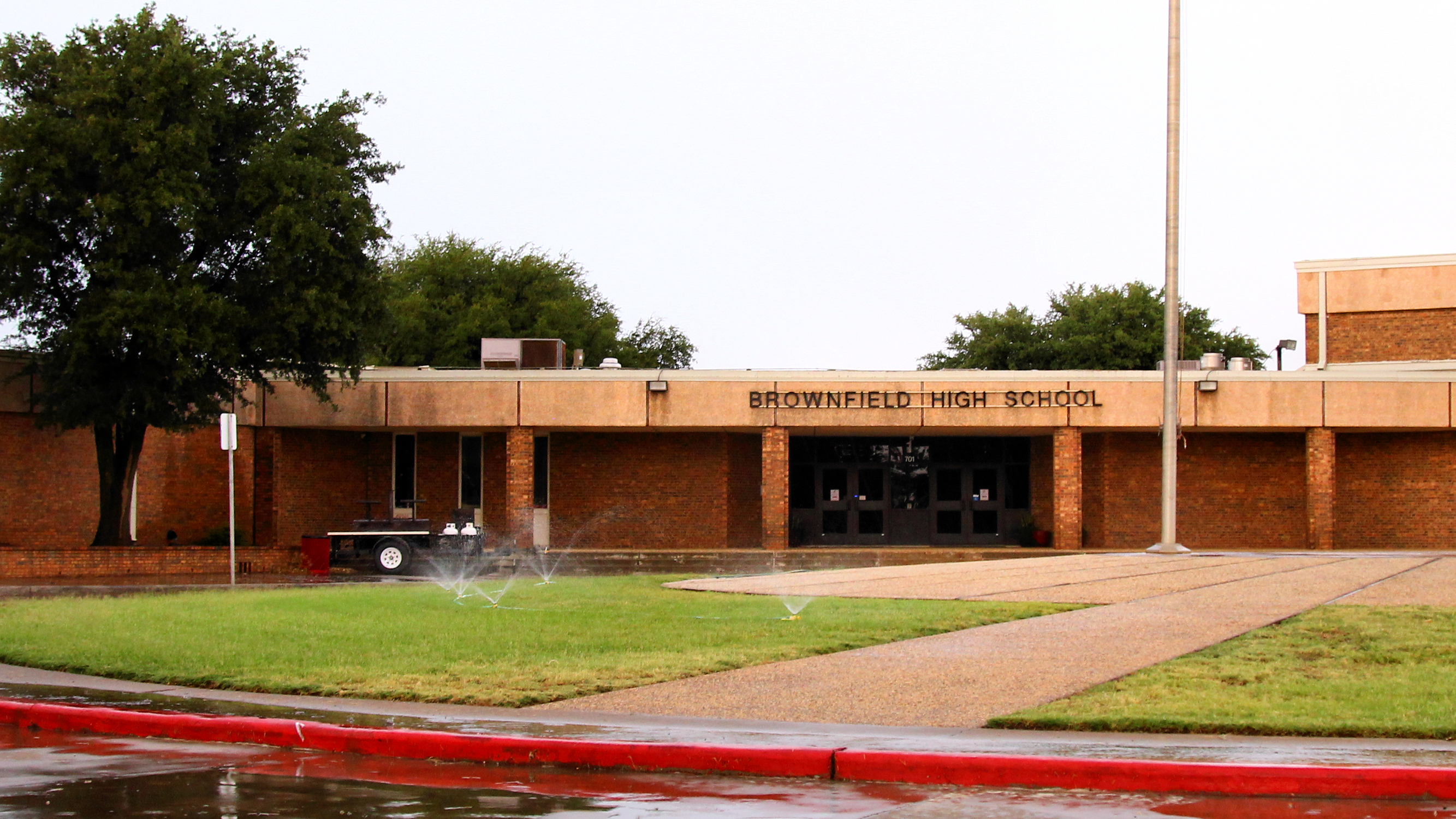

Overview of Brownfield
Brownfield is a small West Texas city that serves as the county seat of Terry County, with a population of approximately 8,500 residents. Set on the flat, wide-open landscape of the Llano Estacado in the South Plains region, the town has a quiet, agricultural character rooted in cotton, peanut, and grape farming. It is widely recognized as the heart of one of Texas's most productive grape-growing areas, a heritage that gives the community a distinct identity and ties it to the broader Texas High Plains wine scene. Brownfield is about 40 miles southwest of Lubbock, the nearest major city and the cultural and commercial hub of the region.
The surrounding countryside of the Llano Estacado offers wide skies and big-country vistas that draw visitors passing through or stopping for a night while traveling between West Texas destinations. The flat-topped mesa stretches for hundreds of miles, and the rural roads around Brownfield are popular with cyclists, stargazers, and travelers exploring the open ranchland. Its position on the caprock also places it within easy reach of a number of outdoor escapes in the South Plains.
About 40 minutes to the northeast, Lubbock offers a full menu of attractions, including the Buddy Holly Center, a museum and performing-arts venue that celebrates the city's most famous native son alongside the broader story of West Texas music. Nearby, the National Ranching Heritage Center preserves the history of ranching in the region through historic structures and interpretive exhibits on the Texas Tech campus. The campus itself, home to Texas Tech University, adds a college-town energy to the broader area, with sports events, museums, and cultural programming that draw visitors year-round.
A bit further afield, the South Plains hold several lakes and recreation areas that appeal to outdoor visitors, with fishing and boating opportunities within an easy drive of Brownfield. Travelers interested in the region's viticulture can also explore the High Plains American Viticultural Area, where a growing number of wineries and tasting rooms showcase the same terroir that has made the area's grapes so prized by Texas winemakers. Brownfield's location places it within reasonable range of these destinations while still feeling a comfortable remove from the busier city.
For short-term-rental owners and guests, Brownfield offers an appealing combination of small-town West Texas charm, agricultural heritage, and convenient access to the larger amenities of Lubbock and the broader Llano Estacado. Its position as a service center for the surrounding ranch and farm country, paired with its proximity to the High Plains wine trail and the cultural offerings of Lubbock, gives the town a natural appeal for travelers seeking an authentic, off-the-beaten-path West Texas stay.
Want to know if a property in Brownfield is a good investment?
Enter an address to get instant revenue potential and comps.