
Austin, Texas
Want to see how Austin compares to other top cities in Texas? Explore all city regulations in Texas. →
Austin, TX
Challenging To Investors
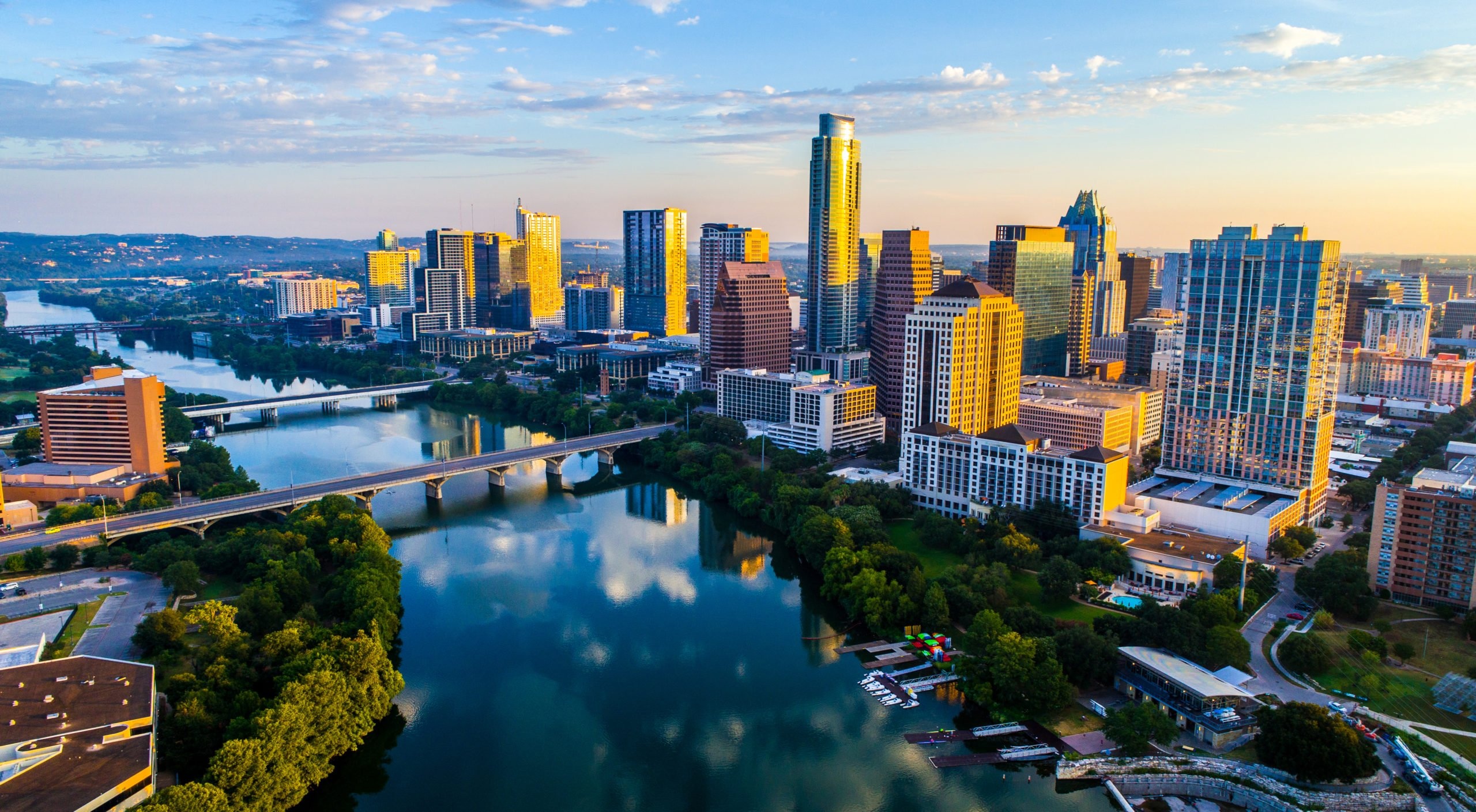
STR Regulations for Austin, Texas
Overview: Are Short-Term Rentals Allowed in Austin, TX?
YES, short-term rentals are explicitly allowed in Austin, Texas. The city permits STR operations in all residential areas, provided the property owner or operator obtains a valid license from Austin Development Services. As of the latest updates, Austin maintains an open licensing framework while implementing stricter enforcement mechanisms to ensure compliance and reduce nuisance issues.
Austin currently has approximately 2,400 licensed STR properties, but industry data suggests there may be significantly more unlicensed operations (AirDNA reports nearly 15,000 active listings in the Austin area). The city has adopted a business-licensing approach rather than zoning restrictions, making STRs broadly permissible across residential neighborhoods with proper licensing and adherence to operational standards.
What do Airbnb hosts actually earn in Austin?
Austin hosts earn a median $31,549/year with $187 ADR and 61% occupancy.
Top performers pull in $49,763+ per year.
See the full Austin market breakdownHow to Start a Short-Term Rental Business in Austin
Step-by-Step Process:
- Property Assessment: Verify the property is in an eligible location and meets safety standards
- License Application: Apply through the Austin Development Services portal at austintexas.gov/services/apply-short-term-rental-license
- Account Creation: Log in or create an account in the AB+C Portal
- Application Completion: Follow the detailed steps to submit your application
- Payment Processing: Pay the associated fees (currently around $800 upfront)
- Platform Registration: Once licensed, register with platforms like Airbnb and include your license number in all advertisements
Key Eligibility Requirements:
- Ownership/Leasing: Property owners can apply directly; renters may apply with written landlord permission
- Safety Compliance: Properties must meet local safety standards and codes
- Zoning Compliance: STRs are permitted in all residential areas with valid licensing
- Tax Registration: Must be prepared to collect and remit Hotel Occupancy Tax
Required Documents, Permits, Licenses, and Guidelines
Primary License Requirements:
- Annual STR License: Required for all STR operations, issued by Austin Development Services
- Hotel Occupancy Tax Registration: State and local tax registration for rental income collection
- Proof of Ownership or Lease: Documentation showing legal right to operate the property
- Safety Inspections: May be required depending on property type and local requirements
- Liability Insurance: Strongly recommended for operational protection
Operational Guidelines:
- Occupancy Definition: STRs are defined as rentals for less than 30 consecutive days
- License Display: Must include city-issued license number in all advertisements
- Record Keeping: Maintain records of all rentals, guests, and financial transactions
- Tax Collection: Collect Hotel Occupancy Tax on all qualifying rentals
- Platform Compliance: Ensure platforms have your license information for proper listing
Specific Regulations for Short-Term Rentals
City-Level Regulations (Austin):
Licensing and Operations:
- Annual Licensing: STRs must be licensed through Austin Development Services
- Business Model Shift: As of October 1, 2025, STRs are regulated under Title 4 (business regulations) rather than the Land Development Code
- Renewal Requirements: Annual license renewal with updated documentation and compliance verification
Property-Specific Limits:
- Multi-Unit Properties:
- Properties with 3+ units on a single lot: Maximum 2 units may operate as STRs
- Apartment complexes: Up to 10% of total units may be STRs
- Mixed-use buildings: Up to 25% of units may be STRs
- Geographic Separation: Individual hosts cannot operate STRs within 1,000 feet of each other
- Multiple Residences: Multiple residences on a single lot may be listed, subject to overall limits
Platform Requirements:
- License Number Display: Platforms must include city license numbers in all advertisements
- Unlicensed Property Removal: Platforms must remove unlicensed listings at city request
- Tax Collection: As of April 1, 2025, platforms collect Hotel Occupancy Tax directly from hosts
- Compliance Documentation: Platforms must provide quarterly tax documentation to the city
Tenant Rights:
- Renter Eligibility: Tenants can obtain STR licenses if their lease permits short-term rentals
- Landlord Permission: Written consent required for renter-operated STRs
State-Level Regulations (Texas):
- Hotel Occupancy Tax: State tax applies to STR rentals (currently 6% statewide)
- Local Tax Collection: Local jurisdictions may impose additional hotel occupancy taxes
- Platform Agreements: Major platforms like Airbnb have tax collection agreements with Texas cities
Enforcement and Penalties:
- Unlicensed Operation: Significant fines and platform removal for unlicensed properties
- Violation Penalties: $500 per day fines for both hosts and platforms for regulatory violations
- Compliance Timeline: Unlicensed STRs had until July to obtain licenses before platform removal
- Nuisance Enforcement: Additional penalties for noise, trash, and neighborhood disturbance issues
Contact Information for Local STR Authorities
Austin Development Services Department:
- Phone: 512-974-9144
- Email: STRlicensing@austintexas.gov
- Website: austintexas.gov/department/short-term-rentals
- Application Portal: austintexas.gov/services/apply-short-term-rental-license
- 3-1-1 Service: For non-emergency issues and complaints
Additional Resources:
- Code Compliance: austintexas.gov/code
- AB+C Portal: abc.austintexas.gov (for license applications)
- Short-Term Rental Homepage: austintexas.gov/department/license-my-short-term-rental
Implementation Timeline and Future Changes
Key Effective Dates:
- April 1, 2025: Platform-based Hotel Occupancy Tax collection began
- July 2025: Deadline for existing unlicensed STRs to obtain licenses
- October 1, 2025: New business regulation framework takes effect
- July 1, 2026: Most new operational rules and platform requirements become effective
Fee Structure:
- Current Application Fee: Approximately $800 upfront
- Annual Renewal: Fees for license renewal (amount to be determined)
- Future Adjustments: City staff working to streamline application process and potentially reduce fees
Source Links and Documentation
Primary Official Sources:
- Austin City Council STR Code Amendments - Official city announcement of regulatory changes
- Apply for STR License - Official application portal and requirements
- Short-Term Rentals Homepage - Central resource for STR information
News Coverage and Analysis:
- KUT: Austin STR Rules Changes - Detailed coverage of new regulations
- Austin American-Statesman: Council Approves STR Rules - Comprehensive regulatory analysis
Platform Resources:
- Airbnb Austin Guidelines - Platform-specific compliance requirements and host resources
Municipal Code:
- Austin City Code - STR Regulations - Legal framework and detailed code requirements
Tax Information:
- Texas Hotel Occupancy Tax - State-level tax requirements and collection procedures
This guide provides the essential framework for understanding and operating a compliant STR business in Austin, Texas. Investors should regularly check official city resources for updates to regulations, fees, and operational requirements as the city continues to refine its STR oversight framework.
Next step
Found a property in Austin?
Paste any address and get estimated revenue, cash-on-cash return, and comparable STR performance in under 5 minutes. 3 free analyses per day.
Free brief
Get the free Austin STR Investment Brief
Revenue data, top neighborhoods, seasonal trends, and the key regulations for Austin, Texas in one email.
Austin
Market Saturation Score
Photos of Austin



Overview of Austin
Austin is the capital of Texas and the seat of Travis County, with a city population of roughly one million and a metropolitan area of more than two million residents. Set in the rolling hills of central Texas along the Balcones Escarpment, the city carries a distinctive blend of state-government formality, university-town energy from the University of Texas, and a famously creative live-music and food scene. Austin is widely known as the "Live Music Capital of the World" and as a major hub for technology and creative industries, drawing year-round visitors to its festivals, restaurants, and outdoor spaces. It also serves as a gateway to the Texas Hill Country, with its wineries, swimming holes, and small towns. The nearest major city is San Antonio, located about 80 miles to the southwest along Interstate 35.
Downtown Austin centers on the Texas State Capitol, a granite Renaissance Revival building completed in 1888 and surrounded by roughly 22 acres of grounds. Visitors can tour the interior for free, and the surrounding streets lead to Congress Avenue, where the boutique shops, restaurants, and food trucks of the South Congress district extend just south of the river. About a ten-minute walk from the Capitol, the Sixth Street historic district fills with bars, music venues, and restored Victorian storefronts, particularly lively in the evenings and during major events.
Just southwest of downtown, Zilker Park and its 358 acres sit along the north shore of Lady Bird Lake, a reservoir of the Colorado River that runs through the heart of the city. Within the park, Barton Springs Pool is a beloved three-acre spring-fed pool that stays around 68 to 70 degrees year-round and is reachable from central Austin in roughly ten to fifteen minutes by car. Together the lake, park, and pool anchor much of the city's outdoor recreation, including the Butler Hike-and-Bike Trail that loops around the downtown waterfront.
About 25 miles west of the city, Hamilton Pool Preserve is a natural grotto and swimming hole where a 50-foot waterfall spills into a jade-green pool beneath an overhanging limestone shelf. The preserve is typically reached in roughly 40 to 50 minutes by car and is a popular day trip in the warmer months, though reservations are generally required. To the northwest, Lake Travis stretches more than 60 miles along the Colorado River and offers boating, lakeside restaurants, and waterfront parks, with most public access points lying 30 to 45 minutes from downtown.
Austin's combination of a thriving urban core, a steady calendar of festivals and conferences, and immediate access to rivers, parks, and Hill Country escapes makes it a strong year-round base for short-term rentals. Visitors arrive for both the city's cultural pull and the outdoor experiences within an easy day trip, supporting demand across a wide range of property types.
Want to know if a property in Austin is a good investment?
Enter an address to get instant revenue potential and comps.