
Sneedville, Tennessee
Want to see how Sneedville compares to other top cities in Tennessee? Explore all city regulations in Tennessee. →
Sneedville, TN
Very Investor Friendly

STR Regulations for Sneedville, Tennessee
Executive overview
- Short‑term rentals are permitted in Tennessee and, by extension, Sneedville, provided you comply with state law (SB1086) and any local zoning or licensing rules. Tennessee does not preempt STRs; rather, municipalities and counties may regulate them, but not ban them outright.
- Sneedville itself does not appear to have a dedicated STR permit or license program in the materials provided. County‑wide ordinances specifically mentioning STRs were not located; the absence of a local permit requirement means investors should proceed under state rules and county/city business licensing, with careful zoning compliance.
How to start a short‑term rental business in Sneedville (step‑by‑step)
- Confirm zoning eligibility
- Sneedville does not publish an STR‑specific zoning map in the provided materials. Before purchasing or listing, verify that the property is allowed to function as a short‑term rental (i.e., not restricted by deed, HOA, or local zoning). Contact the city or county zoning administrator (see Contacts below). State law allows local governments to regulate STRs for health and safety and zoning consistency but may not prohibit them outright.
- Obtain business licenses
- County business license: Required from Hancock County. The online county site lists how to start a business, including license options and instructions. License categories commonly include “Tourist Home” for STR operators.
- City business license: Required from the City of Sneedville if operating within city limits.
- Fees are modest (often tens of dollars for each license). Bring identification, EIN, and property proof. Renew annually.
- Secure required insurance
- Liability insurance of at least $500,000 is required by Tennessee law (SB1086), unless the listing marketplace provides equivalent coverage. Many owners choose to obtain a standalone short‑term rental policy or endorse their homeowners policy.
- Prepare the property to code
- Safety devices: At minimum, smoke alarms and carbon monoxide detectors on habitable floors. Many jurisdictions also expect a fire extinguisher; confirm with local code officials during licensing. Local fire marshal inspections can be requested or may be triggered for certain structures.
- Implement standard operating controls
- Maximum occupancy: A common statewide and municipal standard is two guests per bedroom plus up to four additional guests, not to exceed 12 total. Follow this unless you receive written confirmation of local rules.
- Noise, parking, and trash: Operate in compliance with standard local ordinances (quiet hours, on‑site parking, and scheduled trash service).
- Taxes and accounting
- State sales tax: Collect and remit state and local sales tax (approximately 9.25%–9.75% combined).
- Lodging/occupancy taxes: Local room or lodging tax may apply; rates vary by jurisdiction. In the absence of a city or county rate published here, verify the current rate and registration with the county trustee or your CPA, and remit per local practice.
- Income taxes: Report STR income on federal and state returns. Track depreciation, maintenance, utilities, management, and supplies. Many owners engage a CPA familiar with Tennessee STRs.
Required documents, permits, and licenses
- Business licenses
- Hancock County business license (start at the county site or contact the trustee’s office).
- City of Sneedville business license (contact City Hall).
- STR safety requirements
- Liability insurance: $500,000 minimum (or marketplace equivalent coverage).
- Smoke alarms and carbon monoxide alarms at a minimum; fire extinguisher strongly recommended.
- Optional: local fire marshal inspection (contact Hancock County Fire Marshal).
- Zoning documentation
- Written confirmation that the intended STR use is permitted at the property address.
- Taxes
- Sales tax registration and filings with the Tennessee Department of Revenue.
- Lodging/occupancy tax registration/filings (local rate to be confirmed).
- Operating documents
- House rules, eviction policy for violations, emergency contact, and local contact person (required in many Tennessee jurisdictions even if a specific permit is not required).
Tennessee state‑level rules (apply unless local rules are stricter)
- Definition: A short‑term rental unit (STR) is any residential dwelling rented for fewer than 30 consecutive days, excluding hotels, tourist courts, and motels (Tennessee Short‑Term Rental Unit Act, SB1086).
- Insurance: Maintain liability coverage of at least $500,000 unless the listing marketplace provides equivalent coverage.
- Safety: At a minimum, smoke alarms and carbon monoxide alarms are required. Fire extinguishers are commonly expected and may be mandated locally or by lenders/insurance.
- Licensing: No statewide STR license. City/county business licenses and any local permits are required where applicable.
- Taxation: State and local sales taxes apply; lodging/occupancy taxes vary by local government.
- Zoning: Municipalities may regulate STRs for health, safety, and land use but may not prohibit them outright.
County and municipal context (Hancock County; City of Sneedville)
- No Sneedville‑specific STR ordinance or permit program was found in the provided materials. Operate under the state framework plus standard local business licensing and zoning.
- Typical local authority structure:
- City of Sneedville: Business licenses (city); zoning within city limits; building/fire code questions.
- Hancock County: Business licenses (county); zoning enforcement in unincorporated areas; taxes (county trustee); fire safety inspections as needed.
- If a local lodging/occupancy tax is in effect in Hancock County or the City of Sneedville, the county trustee administers room tax collections in many Tennessee counties; verify the current rate and your filing responsibilities.
Local authority contacts and official links
- City of Sneedville
- Phone: 423‑733‑2444
- Website (official): sneedville.tn.gov/
- Notes: Business licensing and zoning verification within city limits.
- Hancock County Government (official): www.hancockcountytn.gov/
- County Trustee (tax questions, lodging tax if applicable): 423‑733‑2550
- County Mayor’s Office (general administration, 423‑733‑4020): May route you to planning/zoning or the trustee.
- State resources
- Tennessee Department of Revenue (sales tax and business tax): www.tn.gov/revenue.html
- Short‑Term Rental Unit Act (SB1086): www.capitol.tn.gov/Bills/110/Bill/SB1086.pdf
- Reference materials
- Tennessee STR overview (GoSummer): www.gosummer.com/post/tennessee-short-term-rental-laws
- Granicus STR regulatory presentation (policy best practices): granicus.com/wp-content/uploads/2023/06/Slide-Deck-Jun-2023-Strategic-Regulations-Workshop-1.pdf
Implementation checklist
- Confirm zoning eligibility with the City of Sneedville or Hancock County planning.
- Obtain county and city business licenses; file for sales tax and any applicable lodging/occupancy tax.
- Place $500,000 liability coverage in force; confirm with your insurer that short‑term rental activities are covered.
- Install and test smoke and CO alarms; keep a fire extinguisher on site; document safety compliance.
- Publish house rules for occupancy, quiet hours, parking, and trash; display a local contact person and emergency information.
- Use a professional PMS and accounting setup to track taxes, fees, and compliance. Consider a cost‑segregation study for tax optimization.
- Maintain documentation: licenses, insurance, tax receipts, guest logs, and safety device inspections.
Investor takeaway
- Tennessee’s regulatory environment is broadly supportive of short‑term rentals, and Sneedville does not present a documented barrier to entry. Success hinges on proper licensing, tax compliance, and zoning verification. With the right location, insurance, and controls, an STR in or near Sneedville can be a viable addition to a Tennessee portfolio. Always verify current rates and requirements with the county trustee and City Hall before listing.
What do Airbnb hosts actually earn in Sneedville?
Sneedville hosts earn a median $18,333/year with $111 ADR and 51% occupancy.
Top performers pull in $23,142+ per year.
See the full Sneedville market breakdownNext step
Found a property in Sneedville?
Paste any address and get estimated revenue, cash-on-cash return, and comparable STR performance in under 5 minutes. 3 free analyses per day.
Free brief
Get the free Sneedville STR Investment Brief
Revenue data, top neighborhoods, seasonal trends, and the key regulations for Sneedville, Tennessee in one email.
Sneedville
Market Saturation Score
Photos of Sneedville

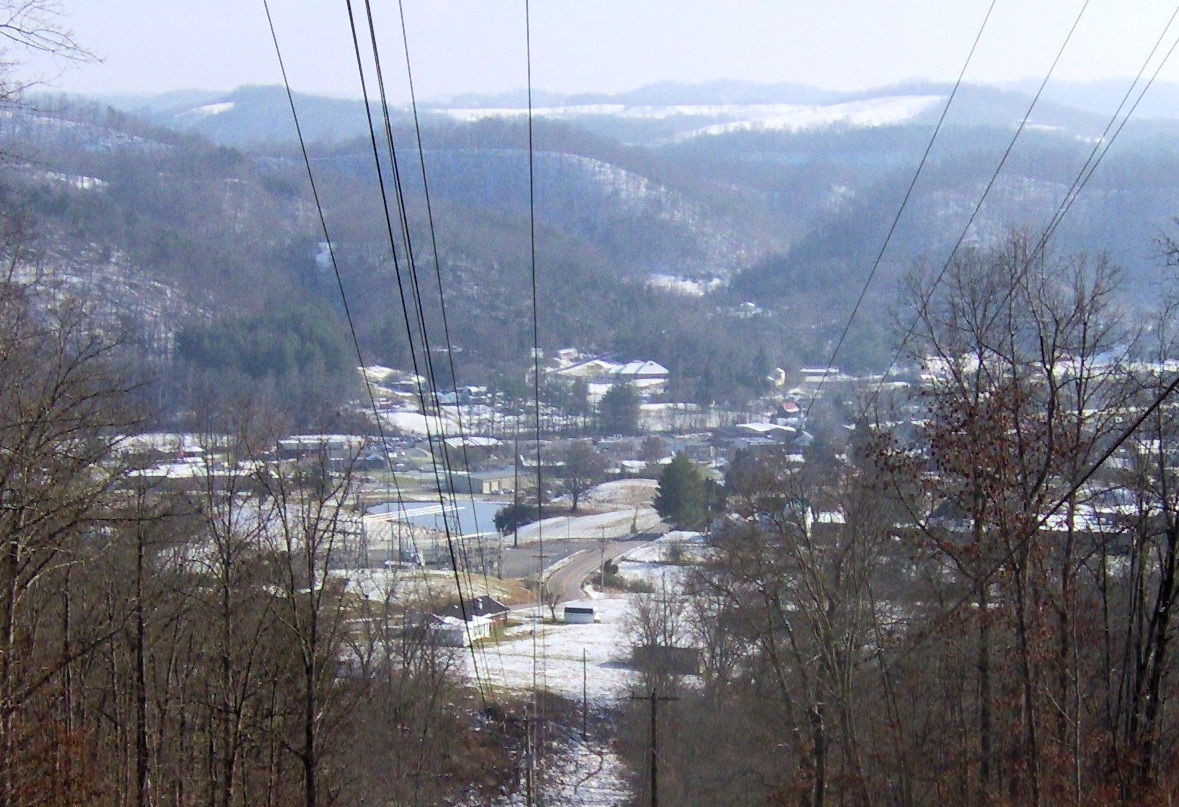
Overview of Sneedville
Sneedville is a small town in northeastern Tennessee, serving as the county seat of Hancock County, one of the state's most rural and least populated counties. With a population of approximately 1,300 residents, the town has a quiet, small-town Appalachian character and is best known as a gateway to outdoor recreation in the surrounding mountains and along the Clinch River. Sneedville sits roughly 65 miles northeast of Knoxville, the nearest major metropolitan area, placing it within reach of both the city and the tri-state region where Tennessee meets Kentucky and Virginia.
Approximately 30 miles to the north of Sneedville, Cumberland Gap National Historical Park spans the borders of Tennessee, Kentucky, and Virginia, preserving one of the most important passages through the Appalachian Mountains. The park offers miles of hiking trails, historic sites including the Hensley Settlement, and scenic overlooks that draw visitors interested in early American frontier history and the wilderness corridor that shaped westward expansion. The drive from Sneedville typically takes under an hour, making it a feasible day trip or overnight excursion.
The Clinch River winds through the countryside around Sneedville, and the broader watershed is recognized for its exceptional aquatic biodiversity and clean water. Anglers, paddlers, and nature lovers are drawn to the river and its tributaries, which flow through some of the most unspoiled stretches of the southern Appalachians. The surrounding hills and ridges also support hiking, hunting, and wildlife viewing in season, with the forested terrain offering a sense of solitude that has become increasingly rare in the eastern United States.
The town itself retains a traditional Appalachian feel, with historic structures, locally owned businesses, and a pace of life shaped by the surrounding hills and farmland. Visitors to the area often appreciate the dark night skies, the brilliant fall foliage, and the proximity to both Virginia and Kentucky borderlands, making it easy to explore a wide swath of the southern Appalachian region from a single base. Seasonal events, local diners, and rural scenery add to the appeal for travelers seeking an unhurried experience.
Sneedville makes a compelling base for short-term rentals thanks to its position in the heart of the southern Appalachians, its proximity to Cumberland Gap National Historical Park, and its access to the Clinch River and surrounding public lands. Travelers seeking an authentic, off-the-beaten-path Tennessee experience — with hiking, history, and quiet rural landscapes within easy reach — will find the town an inviting place to stay, particularly those drawn to the slower rhythms and natural beauty of Appalachian Tennessee.
Want to know if a property in Sneedville is a good investment?
Enter an address to get instant revenue potential and comps.