
Portland, Tennessee
Want to see how Portland compares to other top cities in Tennessee? Explore all city regulations in Tennessee. →
Portland, TN
Challenging To Investors

STR Regulations for Portland, Tennessee
Overview
- Are short-term rentals (STRs) allowed in Portland, TN? The provided content indicates Tennessee allows STRs, with requirements set at state and local levels. However, no Portland-specific ordinances or county-level (Sumner County) STR regulations are included in the provided data. In Tennessee, hosts must follow state rules and any applicable local requirements (which may include city or county permits, zoning, and business licenses).
- Scope: This guide covers Tennessee’s state-level STR framework and explains how to determine Portland-specific rules. Where Portland rules are unavailable, use state-level compliance, plus the steps and contacts needed to verify local requirements.
Important disclaimer: Regulations evolve. Always confirm requirements with the City of Portland and/or Sumner County and the Tennessee Department of Revenue before listing.
How to start a short-term rental business in this market
- Clarify the regulatory landscape
- State-level: Tennessee allows STRs but requires business licensing (city/county), a business tax registration (TR-006), and collection/remittance of sales tax and hotel occupancy tax.
- Local-level: Check whether Portland, TN has adopted STR zoning, permit types, or local business tax requirements. Sumner County may have additional zoning, safety, or tax obligations if the property is in unincorporated areas.
- Platform requirements: Airbnb/Vrbo typically require a local license/permit number and proof of compliance (including tax collection agreements).
- Decide on the rental model
- Owner-occupied (host lives on-site) versus non-owner-occupied (whole home rental).
- Consider that some Tennessee jurisdictions apply different rules or caps for non-owner-occupied units (e.g., Nashville limits new non-owner-occupied STRs to certain non-residential districts).
- Choose a compliant property location
- Verify the zoning allows STRs. Residential zoning in many Tennessee cities allows hosted STRs but may restrict or cap non-owner-occupied rentals.
- Confirm HOA or condo rules allow short-term rentals.
- Obtain the required business registrations and permits
- Business tax registration (Tennessee Form TR-006).
- City or county business license (often required annually).
- Any local STR permit/registration issued by the city or county (type and renewal cycle vary by jurisdiction).
- If in Portland: confirm whether an STR-specific permit or certificate is required before listing.
- Set up tax collection and remittance
- State sales tax and local sales tax (varies by jurisdiction).
- Hotel/motel (transient occupancy) tax (rate varies; some jurisdictions have automated collection agreements with platforms).
- Implement safety, occupancy, and operational standards
- Follow fire safety, occupancy, and good neighbor rules that apply to lodging.
- Keep records (guest logs, incident reports, tax filings) and maintain insurance.
- Go to market
- Display required license/permit numbers in listings.
- Finalize house rules (noise, parking, occupancy, events, trash).
- Confirm you have a local contact and emergency response plan.
What do Airbnb hosts actually earn in Portland?
Portland hosts earn a median $28,159/year with $154 ADR and 57% occupancy.
Top performers pull in $35,535+ per year.
See the full Portland market breakdownRequired documents, permits, licenses, and guidelines
State-level requirements (Tennessee)
- State business tax registration: Tennessee Department of Revenue Form TR-006 (must be filed before collecting state and local sales taxes).
- Hotel/motel (transient occupancy) tax registration and collection (platform agreements may be available in some jurisdictions).
- Local business license and tax registration (city/county).
- If the jurisdiction requires it: an STR-specific permit/registration number.
Common local requirements (often in Tennessee cities)
- Annual license/permit renewal.
- Safety and occupancy compliance (fire code, emergency information, max guests).
- Noise, parking, and trash rules.
- Local tax remittance (in addition to state).
- Good neighbor guide for guests.
- Platform listing compliance (display license/permit numbers).
Documentation checklist
- TR-006 confirmation.
- City/county business license (or tax receipt).
- Local STR permit/registration (if required).
- Insurance certificate showing required coverage.
- Floor plan and safety documentation (detectors, extinguishers).
- Contact info for a local responsible party.
Specific regulations for short-term rentals (state-level; city/county verification needed)
- Legal status: STRs are allowed under Tennessee law, subject to local zoning and permitting.
- Business licensing and taxes: Hosts must register for state and local business taxes (TR-006) and collect/remit state sales tax and hotel/motel tax as applicable. Some jurisdictions have platform tax agreements for automatic collection.
- Zoning and permitting: Portland may have adopted its own STR zoning and permitting rules. If not, county or state rules apply, and many Tennessee cities distinguish owner-occupied and non-owner-occupied properties (e.g., Nashville limits new non-owner-occupied STRs to certain non-residential districts).
- Safety and occupancy: Expect to meet fire safety, CO/smoke detector, occupancy limits, and guest information requirements.
- Platforms and listings: Airbnb/Vrbo require proof of compliance, including a local permit/license number, tax setup, and agreement to host rules.
- Insurance: Some Tennessee cities require liability coverage; confirm Portland or county requirements.
Note: No Portland-specific or Sumner County STR regulations were provided. Nashville is mentioned for context as an example of Tennessee city STR rules.
Contact information for the local authority (start here)
Portland, TN (City Hall)
- Phone: (615) 325-6776
- Email: Not provided in the provided content
- Website: www.portlandtn.com
- Departments to ask: City Recorder, Codes/Zoning, Finance/Tax and Licensing, Planning, Fire Marshal, Police
Sumner County, TN
- Phone: (615) 451-3200
- Email: Not provided in the provided content
- Website: sumnercountytn.gov
- Departments to ask: County Clerk/Revenue, Building and Codes, Planning & Zoning, Sheriff’s Office (for noise/nuisance)
Tennessee Department of Revenue (state business tax, hotel/motel tax)
- Phone: (615) 253-0600
- Email: Not provided in the provided content
- Website: www.tn.gov/revenue.html
Airbnb (platform compliance verification)
- Website: www.airbnb.com
Links to source pages
- Tennessee Department of Revenue: www.tn.gov/revenue.html
- City of Portland, TN (official site): www.portlandtn.com
- Sumner County, TN (official site): sumnercountytn.gov
- National League of Cities: Short-Term Rental Regulations: A Guide for Local Governments (PDF): www.nlc.org/wp-content/uploads/2022/05/Short-Term-Rental-Regulations.pdf
- Hostaway: Short-Term Rental Regulations in the USA (state overview, including Tennessee): www.hostaway.com/blog/short-term-rental-regulations-in-the-usa/
- iGMS: Airbnb Regulations by State (Tennessee): www.igms.com/airbnb-regulations-by-state/
- Airbnb compliance information: www.airbnb.com
Practical next steps for Portland, TN
- Call the City of Portland (Codes/Zoning, Finance/Tax) and Sumner County (Revenue/Clerk, Codes) to confirm:
- Whether a local STR permit/registration is required.
- Permitted zoning (owner-occupied vs. non-owner-occupied).
- Business license and local tax obligations.
- Fire safety, occupancy limits, and listing requirements.
- File TR-006 with the Tennessee Department of Revenue if not already done.
- Obtain the required city/county business license and any STR-specific permit.
- Set up automated tax collection through the platform (if available) and/or file monthly/quarterly returns as required.
- Publish your license/permit number on all listings and maintain compliance documentation.
Next step
Found a property in Portland?
Paste any address and get estimated revenue, cash-on-cash return, and comparable STR performance in under 5 minutes. 3 free analyses per day.
Free brief
Get the free Portland STR Investment Brief
Revenue data, top neighborhoods, seasonal trends, and the key regulations for Portland, Tennessee in one email.
Portland
Market Saturation Score
Photos of Portland
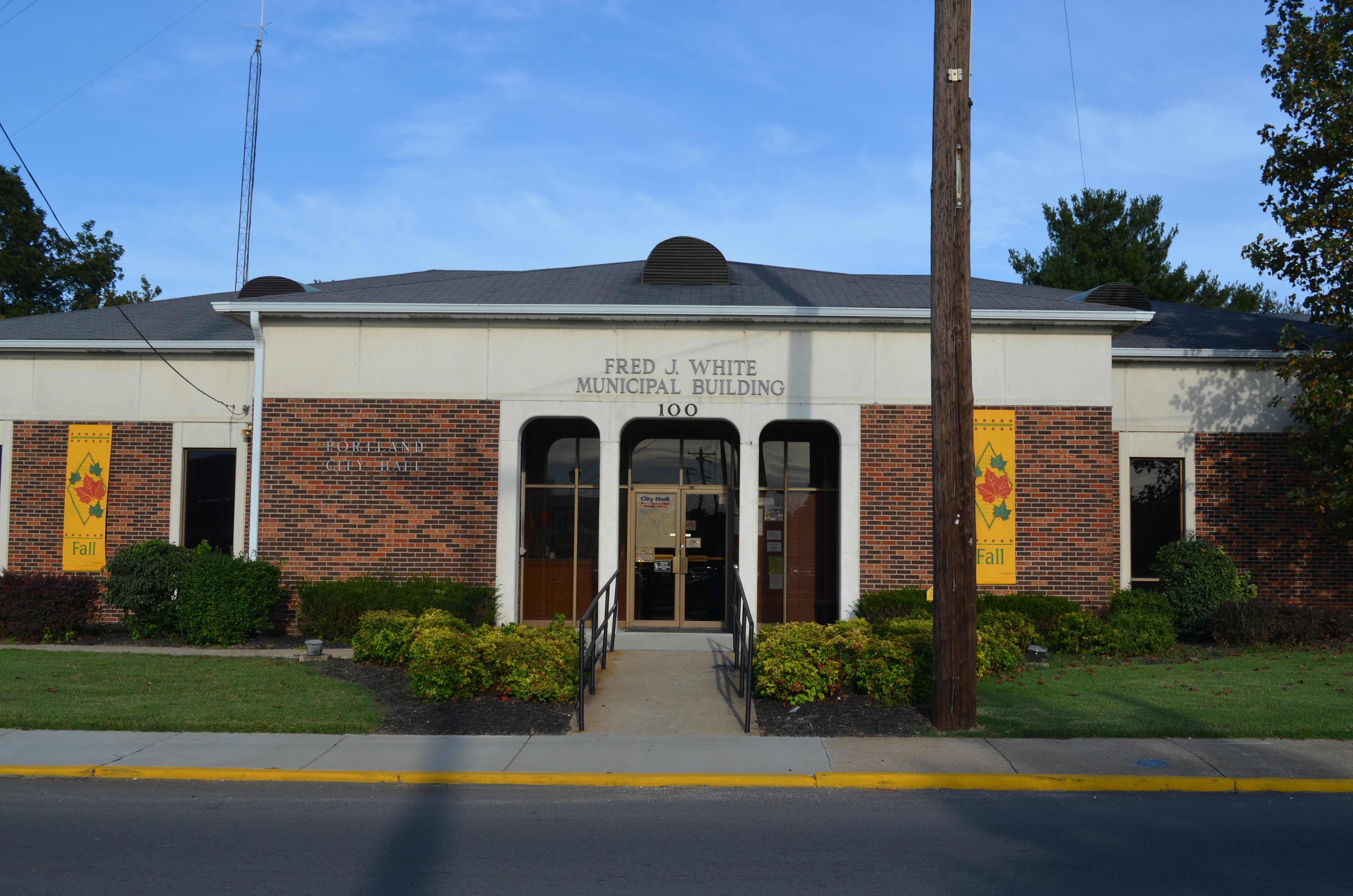

Overview of Portland
Portland is a small city in Sumner County in Middle Tennessee, with a population of approximately 12,000. The community has a quiet, rural-suburban character, surrounded by rolling farmland and the waters of Old Hickory Lake, a long reservoir on the Cumberland River. It serves as a friendly gateway to outdoor recreation in the northern Nashville metro area, and it sits about 30 to 35 miles northeast of Nashville, near the Kentucky state line.
One of the area's biggest draws is Old Hickory Lake, a sprawling impoundment of the Cumberland River that covers more than 22,000 acres. The lake is well known for fishing — including largemouth bass, smallmouth bass, crappie, and catfish — and offers numerous public access points for boating, kayaking, and swimming. Portland's portion of the lake is only a short drive from the city center, making it easy for visitors to spend a morning or an entire day on the water.
A short drive east of town brings visitors to Bledsoe Creek State Park, a 164-acre Tennessee state park tucked along the southern shoreline of Old Hickory Lake. The park features a campground with more than 50 sites, a swimming pool, a children's playground, hiking trails, and a marina with seasonal boat rentals, making it a popular weekend escape for families from across the region.
About 35 to 40 minutes southwest, Nashville anchors the region with the Country Music Hall of Fame, the Ryman Auditorium, the Grand Ole Opry, the honky-tonks along Broadway, and a deep bench of restaurants, museums, and live-music venues. Portland offers an affordable, low-key home base for travelers who want to enjoy the lake and country roads by day and still make the easy drive into Music City in the evening.
Portland's combination of small-town Tennessee character, lakeside recreation, and proximity to one of the country's most-visited urban destinations makes it a compelling base for short-term rentals. Visitors can spend mornings fishing or hiking at Bledsoe Creek, afternoons browsing small-town diners and antique shops, and evenings taking in the lights of downtown Nashville — all without paying the higher lodging costs of staying in the city itself. For owners, the appeal is a steady mix of lake-bound weekenders, Nashville-bound tourists seeking a quieter stay, and travelers exploring the broader Middle Tennessee and southern Kentucky countryside.
Want to know if a property in Portland is a good investment?
Enter an address to get instant revenue potential and comps.