
Lenoir City, Tennessee
Want to see how Lenoir City compares to other top cities in Tennessee? Explore all city regulations in Tennessee. →
Lenoir City, TN
Challenging To Investors
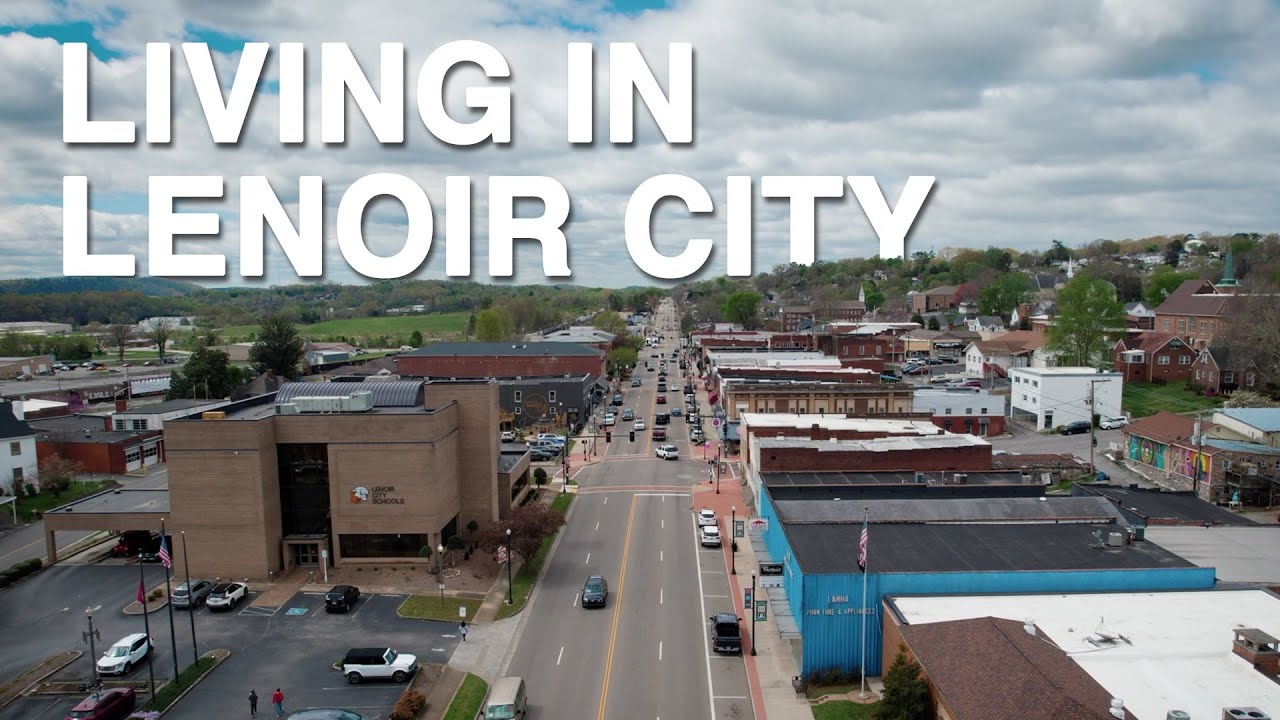
STR Regulations for Lenoir City, Tennessee
Overview
- STR status: Short‑term rentals (defined as dwelling units rented for fewer than 90 consecutive days) are not explicitly defined or authorized by Lenoir City’s current zoning ordinance. Lodging that is “transient” in nature is generally treated as commercial lodging (e.g., hotels, motels, tourist courts) and is restricted to commercial districts. Accessory residential use on upper floors of a commercial building in the C‑2 district is permitted. In practice, the viability of an STR in Lenoir City depends on zoning, district‑specific allowances, and (if applicable) Board of Zoning Appeals (BZA) approval for special exceptions.
- Practical implication: Operating a residential STR in R‑1, R‑2, R‑3, R‑1‑S, or O‑1 districts risks being found a prohibited lodging use unless you obtain a special exception or operate within a clearly authorized context (e.g., C‑2 upper‑floor accessory residential).
Zoning‑Based Pathway in Lenoir City
- Where lodging use is explicitly allowed:
- C‑2 (Central Business District): Residential use is permitted as an accessory use on any floor above the first (Section 11‑407(1)(s)). This can cover STRs conducted as “apartment‑style” lodging in commercial buildings, provided off‑street parking for the lodging activity is provided per Section 11‑308.
- C‑3 (Highway Commercial): “Motels and tourist courts” are a permitted use (Section 11‑408(1)(b)). Traditional single‑family or small‑multi‑unit residential STRs are not contemplated here.
- C‑4 (Interchange Commercial): Includes “tourist related activities” similar to C‑2 and C‑3 (Section 11‑412(1)(c)). STRs are not specifically mentioned; lodging that fits the “tourist” definition may be evaluated case‑by‑case.
- Where lodging use is likely not allowed without BZA approval:
- R‑1, R‑2, R‑3, R‑1‑S (all residential): Permitted principal uses are dwellings and customary home occupations; transient lodging is not enumerated. To operate an STR, you would likely need a special exception (if available for lodging‑type uses) or demonstrate compliance under a similar‑use standard, both subject to the BZA (Section 11‑806). The burden is on the applicant to show the use meets safeguards and conditions.
- Lodging‑related off‑street parking requirement:
- “Hotels, motels and other tourist accommodations” must provide not less than one (1) space per room to be rented plus one (1) additional space for each three (3) employees (Section 11‑308(1)(d)).
- Site plan and approvals:
- All commercial and residential complexes with more than four (4) units require site plan review and Planning Commission approval prior to building permits (Section 11‑312). If your STR is a simple single‑unit conversion in a conforming building, a full site plan may not be required, but it is at the Building Official’s discretion.
How to Start a Short‑Term Rental in This Market
- Verify zoning and permitted use pathway
- Confirm your parcel’s district on the City’s zoning map and contact the Building Official or Planning Commission to confirm whether an STR falls within permitted uses in that district. In R‑districts, plan to request a BZA special exception if you believe an STR qualifies under safeguards (Section 11‑806).
- If in C‑2, ensure your STR qualifies as accessory residential on a floor above the first (Section 11‑407(1)(s)) and confirm sufficient off‑street parking under Section 11‑308(1)(d) and 11‑308(5)(b) (minimum 10’ x 19’ space).
- If in C‑3/C‑4, ensure your lodging fits “motel/tourist court” or “tourist activity” definitions; otherwise, seek BZA review.
- Secure special exception (if required)
- If your STR is in a residential district or otherwise not expressly permitted, prepare a special exception application demonstrating:
- Conformance with district intent (e.g., protection of neighborhood character).
- Compliance with off‑street parking standards for lodging (Section 11‑308).
- Mitigation of externalities (noise, traffic, signage), as required by the BZA under safeguards and qualifying conditions.
- If your STR is in a residential district or otherwise not expressly permitted, prepare a special exception application demonstrating:
- Apply for business licensing (City/County)
- Obtain a Lenoir City business license (City Recorder; application required).
- Obtain Loudon County business license (County Clerk).
- Register for state taxes
- Tennessee business tax and sales tax registration through the TN Department of Revenue, as transient lodging is subject to state hotel occupancy tax and related state tax regimes (consulttn.gov/revenue).
- Design and layout compliance
- For lodging, meet off‑street parking ratios and design specs (Section 11‑308 and 11‑310 for loading where applicable).
- If commercial lodging is proposed with multiple units or site‑level changes, submit a site plan and obtain Planning Commission approval before building permits (Section 11‑312).
- Permitting and inspections
- Submit building permit application with necessary plans (including compliance with floodplain overlays, if applicable; Section 11‑411 is referenced).
- Coordinate utility approvals (Lenoir City Utilities Board, where applicable).
- Insurance and liability coverage
- Confirm property and casualty coverage appropriate for transient lodging operations.
- Operations setup
- Develop house rules that align with local standards (e.g., parking, trash, noise).
- Ensure safe egress, life safety, and electrical/plumbing systems are code‑
What do Airbnb hosts actually earn in Lenoir City?
Lenoir City hosts earn a median $27,257/year with $143 ADR and 70% occupancy.
Top performers pull in $46,053+ per year.
See the full Lenoir City market breakdownNext step
Found a property in Lenoir City?
Paste any address and get estimated revenue, cash-on-cash return, and comparable STR performance in under 5 minutes. 3 free analyses per day.
Free brief
Get the free Lenoir City STR Investment Brief
Revenue data, top neighborhoods, seasonal trends, and the key regulations for Lenoir City, Tennessee in one email.
Lenoir City
Market Saturation Score
Photos of Lenoir City


Overview of Lenoir City
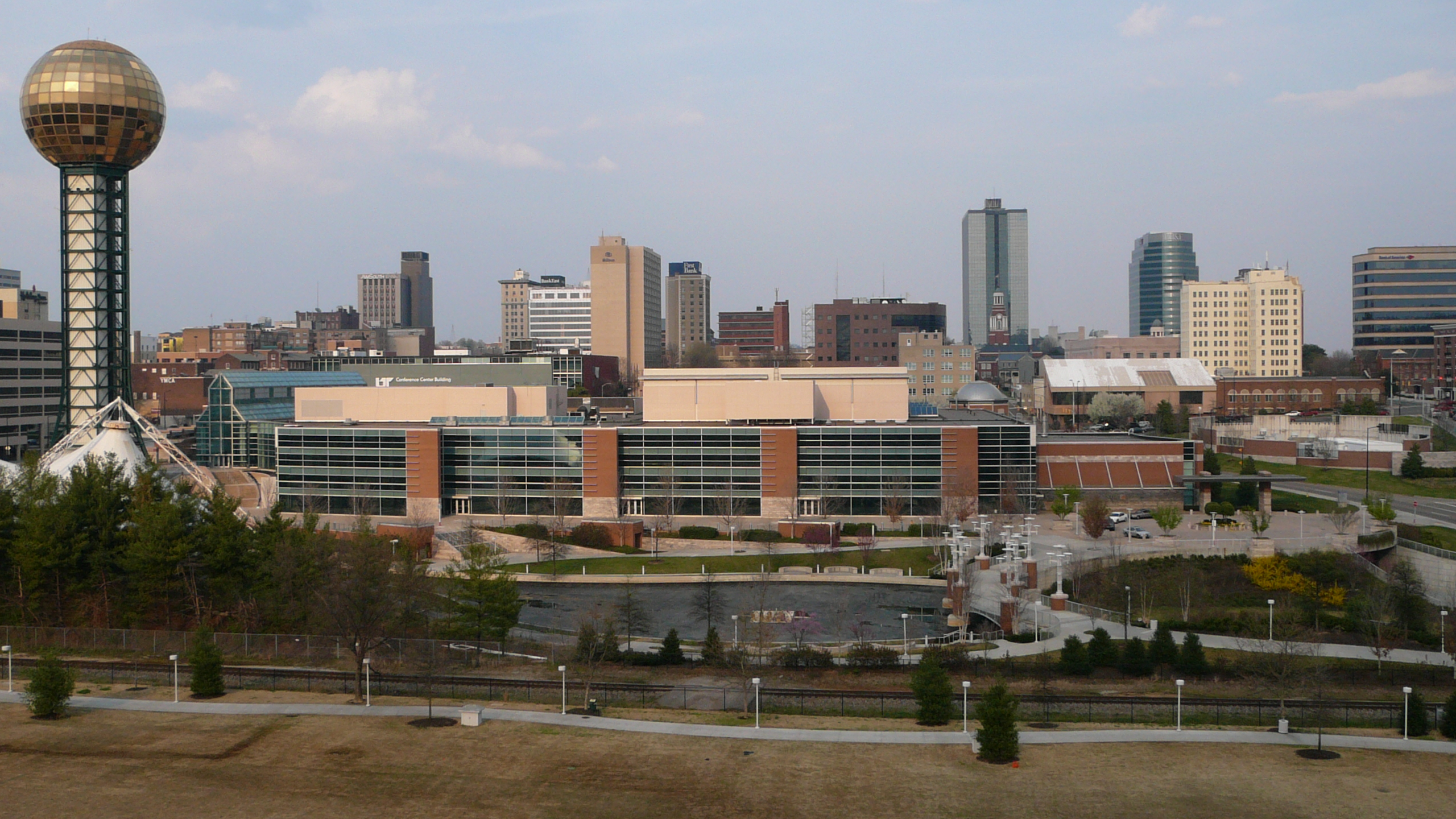
Lenoir City, Tennessee is a small city situated in Loudon County in the eastern part of the state, nestled between the Tennessee River and a chain of reservoirs managed by the Tennessee Valley Authority. The community has a population of approximately 9,000 to 10,000 residents and carries the relaxed, outdoorsy feel typical of the Tennessee lakes region, with a historic downtown, easy access to the water, and a steady flow of travelers along Interstate 75. Because of its position, Lenoir City serves as a convenient gateway to both the natural beauty of the southern Appalachians and the larger urban amenities of Knoxville, which lies about 25 to 30 miles to the northeast and is reachable in roughly a half-hour drive. It is also a useful base for visitors heading south toward Chattanooga or northward toward the Kentucky border.
Just a few miles south of the city sits Fort Loudoun State Historic Area, a reconstructed 18th-century British colonial fort that originally stood as one of the earliest European outposts in the region. The park includes a partial reconstruction of the fort, a small visitor center and museum, walking paths along the shoreline, and picnic facilities overlooking Tellico Lake. From Lenoir City, the drive typically takes around 10 to 15 minutes, making it an easy half-day stop for travelers interested in early frontier history.
The waters of Tellico Lake and the adjoining Fort Loudoun Lake wrap around the southern and eastern edges of the city, drawing boaters, anglers, and paddlers year-round. The lakes are well known for striped bass and other game fish, and their quiet coves and public ramps make them a defining feature of life in the area. Together, they form one of the most popular recreational waterway systems in eastern Tennessee, and visitors staying in Lenoir City are rarely more than a few minutes from a launch or marina.
Roughly an hour to the southeast lies Great Smoky Mountains National Park, the most visited national park in the country, with the Townsend and Foothills Parkway entrances reachable by a scenic drive through the foothills. Hiking, wildlife viewing, and the park's historic Appalachian communities make it a major draw for visitors year-round, and Lenoir City's position along I-75 makes it a natural overnight stop for travelers making the trip from the Midwest or the lower South.
Lenoir City offers short-term rental owners an appealing combination of small-town character, lake-based recreation, and proximity to two of Tennessee's biggest draws: the urban offerings of Knoxville and the natural spectacle of the Smokies. Its location along a major interstate corridor, paired with its setting among the TVA lakes, gives it broad year-round appeal for road trippers, anglers, and outdoor travelers.
Want to know if a property in Lenoir City is a good investment?
Enter an address to get instant revenue potential and comps.