
Lawrenceburg, Tennessee
Want to see how Lawrenceburg compares to other top cities in Tennessee? Explore all city regulations in Tennessee. →
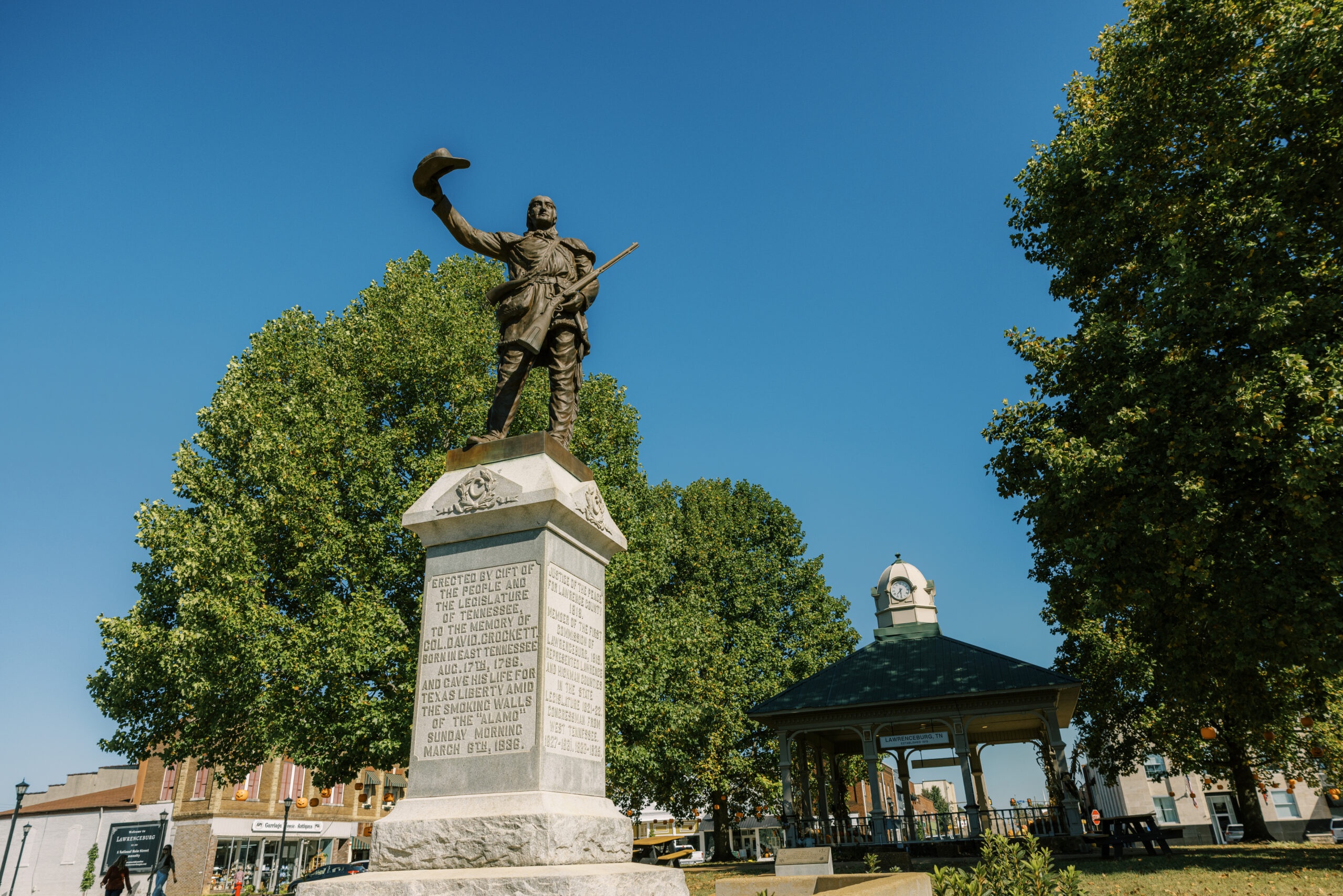
Lawrenceburg, TN
Generally Investor Friendly
STR Regulations for Lawrenceburg, Tennessee
Executive Summary and Overview
- Are short-term rentals (STRs) allowed in Lawrenceburg, TN? Yes. Short-term rentals—defined by city ordinance as occupancy for less than 30 continuous days—are permitted under the city’s hotel/motel tax framework. The city levies a 2.5% occupancy tax on transient stays and requires operators to collect, report, and remit the tax monthly. Lawrenceburg does not publish city-specific STR licensing or permitting requirements in the ordinances referenced. In the absence of a city licensing/permitting scheme, compliance still requires you to follow applicable state and local building, safety, and fire codes, and the local hotel/motel tax requirements.
- How to use this guide
This guide consolidates local rules (city and county where available), state-level requirements (where no city-specific rules exist), and practical steps to launch an STR in Lawrenceburg. Key references include:
- Lawrenceburg Zoning Ordinance (Ordinance No. 789, including recent R-4 amendments)
- Hotel/Motel Tax Ordinance (Ordinance 1394)
- Various adopted building and energy codes (Ordinances 1388, 1389)
- Historic Zoning Overlay (Ordinance 1367)
Key References
- Lawrenceburg Zoning Ordinance (Ordinance No. 789) — www.lawrenceburgtn.gov/DocumentCenter/View/567/Lawrenceburg-Zoning-Ordinance
- Ordinances Not Yet Codified — www.lawrenceburgtn.gov/DocumentCenter/View/701/ORDINANCES-NOT-YET-CODIFIED---YET-ARE-APPROVED-BY-COUNCIL
I. Allowed or Prohibited? Definition and Zoning Status of STRs Definition and Tax Classification
- Lawrenceburg’s hotel/motel tax ordinance defines a “hotel” broadly and includes “short-term rental units” within the definition of “Hotel.” A “transient” is any person who exercises occupancy for less than thirty (30) continuous days. Consequently, STRs are treated as lodging businesses subject to the city’s 2.5% occupancy tax.
- Reference: Ordinance 1394 (Hotel/Motel Tax), Exhibit A, definitions and tax sections.
Zoning: R-4 High-Density Residential and Potential STR Use
- The Lawrenceburg R-4 district permits multiple permanent residential forms (multi-family dwellings, townhouses, condominiums) and semi-permanent residential uses (boarding houses, rooming houses). STRs are not explicitly listed as a permitted or prohibited use in the ordinances provided.
- The R-4 ordinance explicitly states it does not regulate use within planned unit developments (PUDs) and indicates commercial activities “may be permitted where included as part of a planned development.” If your property is within a PUD, zoning interpretation and approvals may hinge on the PUD’s provisions.
- Use Classification: The Zoning Ordinance distinguishes permanent residential activities (monthly or longer stays) from semi-permanent residential (less-than-monthly stays, limited to less than 30% of units on the same zone lot). While this provision speaks to “semi-permanent” uses, an STR operating at full-time transient occupancy is more akin to a commercial lodging operation, typically classified as “Transient Habitation” in the broader commercial activity categories. Absent clear city STR rules, property owners should verify use with the Zoning Codes Officer/Building Inspector prior to conversion.
- Reference: Zoning Ordinance No. 789 and Ordinance 1381 (R-4 amendments).
Historic Zoning Overlay
- If the STR property lies within a designated Historic District or is a Historic Landmark, exterior alterations, signs, and certain site changes must be reviewed and approved by the Historic Zoning Commission, with a Certificate of Appropriateness required before work proceeds. This does not control use, only exterior design and alterations within the overlay boundaries.
- Reference: Ordinance 1367 (Historic Zoning Overlay District).
Local Registration or Licensing
- The city ordinances provided do not establish a city STR registration or licensing program. If the property is a new STR operation, you should verify with the City Recorder/Finance Director and the Building Inspector/Zoning Codes Officer whether any local business licensing applies beyond the hotel/motel tax filing.
II. How to Start a Short-Term Rental Business in Lawrenceburg Compliance Roadmap
-
Property Due Diligence
- Verify zoning: Confirm the R-4 district allowances, any overlay district (Historic), and whether the property is part of a PUD. Contact the Building Inspector/Zoning Codes Officer for interpretation.
- Building condition: Confirm compliance with adopted energy and residential codes (2018 IECC and applicable IRC exceptions) and any structural, fire, or safety requirements. Engage licensed professionals if needed.
- Parking and access: STRs must provide compliant off-street parking as required by the zoning ordinance. Ensure access does not create traffic safety issues.
-
Operational Readiness
- Room numbering: Ensure each sleeping room is numbered and doors clearly marked. This is required for lodging businesses under the city hotel/motel tax chapter.
- Guest register and records: Maintain a standard hotel register recording guest names, room numbers, and rental times; keep records for at least three years to support tax reporting and audits.
- Transient occupancy definition: Use the city’s 30-day threshold to classify guest stays and comply with tax obligations accordingly.
-
Tax Registration and Compliance
- Register for the hotel/motel tax: You are responsible for collecting a 2.5% occupancy tax from each transient stay and remitting it monthly.
- Monthly filing: File a tax return under oath with the City Recorder or Finance Director by the 20th of the month for the preceding month.
- Recordkeeping: Maintain all records supporting tax calculations for at least three years. The City Auditor may review filings and perform audits annually.
-
Historic Overlay Considerations (if applicable)
- If the property is in a Historic District or is a Historic Landmark, any exterior work that alters architectural features (including signage) requires a Certificate of Appropriateness from the Historic Zoning Commission. Plan timelines to accommodate commission review.
-
Management and Monitoring
- Monitor ordinances: Lawrenceburg periodically amends codes; track updates to the zoning ordinance and building codes.
- Financial compliance: Maintain internal controls to avoid delinquency; unpaid taxes accrue 12% annual interest plus 1% per month penalty.
III. Required Documents, Permits, Licenses, and Guidelines City-Level
- Hotel/Motel Tax Registration and Monthly Returns
- Obligation: Collect 2.5% occupancy tax on transient stays; remit to the City Recorder or Finance Director.
- Filing: Monthly return under oath due by the 20th for the preceding month.
- Records: Standard hotel register for guests; maintain all tax-related records for three years.
- Building and Safety Compliance
- Compliance required: 2018 International Energy Conservation Code (IECC) as adopted with exceptions; International Residential Code (IRC) as adopted with specific exceptions. Confirm any applicable building permits, inspections, or compliance reviews with the Building Inspector.
- Zoning Compliance
- Off-street parking requirements apply. Ensure off-street spaces, drives, and aisles meet zoning standards.
- For PUDs or overlay districts, coordinate with the Building Inspector/Zoning Codes Officer for applicable approvals.
- Room Numbering and Guest Register
- Rooms must be numbered; maintain guest registers as per hotel/motel tax chapter.
County/State-Level
- State-level regulations: Lawrenceburg’s ordinances do not provide city-specific STR licensing; state rules generally govern short-term rentals where local ordinances are silent. Confirm state registration, safety, and compliance requirements with the appropriate Tennessee authorities.
Note on Explicit STR Permitting/Licensing
- The city ordinances provided do not outline an explicit STR permit or license program separate from the hotel/motel tax chapter. If this changes, check with the City Recorder/Finance Director and the Building Inspector/Zoning Codes Officer for current requirements.
IV. Specific Regulations: City, County, and State City of Lawrenceburg
- Hotel/Motel Tax (Ordinance 1394)
- Tax rate: 2.5% of consideration charged for occupancy.
- Definitions: “Hotel” includes short-term rental units; “transient” means occupancy for less than 30 continuous days.
- Collection: Add tax to each invoice and collect from the transient at or after occupancy; remit monthly by the 20th.
- Reporting: Monthly return under oath to City Recorder or Finance Director; the auditor must audit operators at least annually; quarterly audit reporting to the Board of Mayor and Council.
- Prohibition on absorption: Operators may not advertise or state that the tax will be absorbed or refunded; it must be shown separately on the invoice.
- Penalties: Delinquent taxes accrue interest at 12% per annum and 1% per month penalty. Willful refusal to collect or remit is punishable by a fine not exceeding $50 per occurrence.
- Records: Keep all records for three years; maintain a standard hotel register with guest names, room numbers, and rental times.
- Historic Zoning Overlay (Ordinance 1367)
- Jurisdiction: Designated Historic Districts and Historic Landmarks.
- Review: Exterior alterations, demolitions, relocations, and new construction affecting exterior features require Certificate of Appropriateness from the Historic Zoning Commission.
- Appeals: Commission decisions may be appealed to a court of competent jurisdiction.
- Zoning (Ordinance No. 789; Ordinance 1381 amendments)
- R-4 district permits permanent residential (multi-family, townhouses, condominiums) and semi-permanent residential (boarding houses, rooming houses).
- Use control within PUDs is governed by the PUD’s provisions. If your STR is within a PUD, confirm allowable uses with zoning officials.
- Off-street parking and dimensional standards apply; off-street parking requirements are in Section 4.010.
- Building and Energy Codes (Ordinances 1388, 1389)
- Adopted: 2018 International Energy Conservation Code with specified exceptions; International Residential Code with specific exceptions (e.g., Section N1102.4.4 deleted; specific log wall footnotes for Zones 3 and 4).
- Room Numbering (hotel/motel tax chapter)
- Sleeping rooms must be numbered and marked conspicuously on doors; no duplicate numbers.
Lawrence County
- No county-specific STR licensing or occupancy rules are provided in the referenced documents. County-level health, safety, or fire codes may still apply and should be verified with the appropriate authorities.
State of Tennessee
- Where city ordinances are silent on STR licensing, state law governs. Confirm state registration, safety, and operating requirements with relevant Tennessee agencies. This guide focuses on city rules; state-level citations are not included in the provided content.
V. Contact Information
- City Recorder or Finance Director (Hotel/Motel Tax Collection and Administration)
- Website: www.lawrenceburgtn.gov
- Phone: Contact via city website or City Hall for current direct line.
- Email: Email contact not provided in referenced documents; use the city website’s contact options.
- Building Inspector/Zoning Codes Officer (Zoning, PUD, Building Code, Parking, Overlay Permitting)
- Website: www.lawrenceburgtn.gov
- Phone/Email: Not specified in the provided documents; contact via city website for current information.
- Historic Zoning Commission
- Applications for Certificate of Appropriateness are filed with the Building Inspector, who then notifies the Historic Zoning Commission.
- Phone/Email: Not specified in the provided documents; contact via city website or the Building Inspector’s office.
VI. Links to Source Pages
- Ordinances Not Yet Codified — www.lawrenceburgtn.gov/DocumentCenter/View/701/ORDINANCES-NOT-YET-CODIFIED---YET-ARE-APPROVED-BY-COUNCIL
- Lawrenceburg Zoning Ordinance — www.lawrenceburgtn.gov/DocumentCenter/View/567/Lawrenceburg-Zoning-Ordinance
Practical Compliance Checklist
- Confirm zoning status with the Building Inspector/Zoning Codes Officer.
- Maintain a standard hotel register; number each sleeping room.
- Register for hotel/motel tax; set up monthly filing and payment reminders.
- Collect 2.5% occupancy tax from guests and remit by the 20th of each month.
- Maintain records for at least three years to support tax audits.
- Comply with building, energy, and safety codes; obtain necessary building permits/approvals if alterations are proposed.
- If the property lies in a Historic District or is a Historic Landmark, obtain a Certificate of Appropriateness for any exterior changes.
- Provide compliant off-street parking and ensure safe access.
This guide reflects city ordinances currently published by Lawrenceburg. If you plan to list or operate an STR, verify the most current requirements with the City Recorder/Finance Director and the Building Inspector/Zoning Codes Officer.
What do Airbnb hosts actually earn in Lawrenceburg?
Lawrenceburg hosts earn a median $22,324/year with $120 ADR and 59% occupancy.
Top performers pull in $28,514+ per year.
See the full Lawrenceburg market breakdownNext step
Found a property in Lawrenceburg?
Paste any address and get estimated revenue, cash-on-cash return, and comparable STR performance in under 5 minutes. 3 free analyses per day.
Free brief
Get the free Lawrenceburg STR Investment Brief
Revenue data, top neighborhoods, seasonal trends, and the key regulations for Lawrenceburg, Tennessee in one email.
Lawrenceburg
Market Saturation Score
Photos of Lawrenceburg

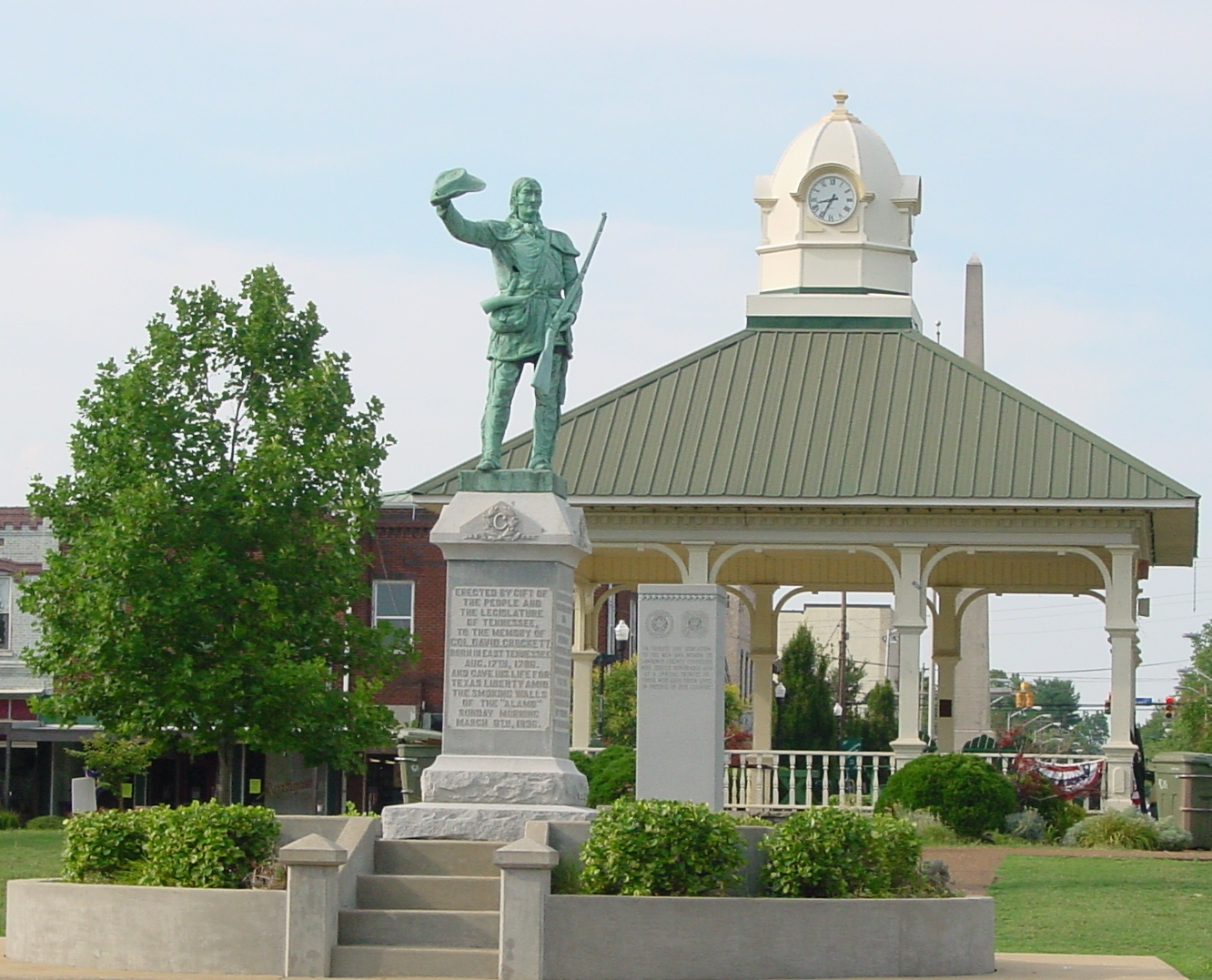
Overview of Lawrenceburg
Lawrenceburg is a small, friendly city in southern Middle Tennessee, serving as the county seat of Lawrence County. With a population of roughly 10,500 residents, it carries the relaxed pace of a traditional rural Tennessee community, surrounded by rolling farmland, hardwood forests, and the kind of locally owned diners and antique stores that give the South its quieter charm. The city has long been associated with country and gospel music traditions, and it sits along the Natchez Trace Parkway, making it a natural stopover for travelers exploring the historic corridor between Nashville and Natchez, Mississippi. Lawrenceburg lies about 85 miles southwest of Nashville, an easy drive of roughly an hour and a half via Interstate 65 and U.S. Highway 64.
A short distance south of the city square, David Crockett State Park offers nearly 1,400 acres of wooded recreation centered on a 40-acre lake. Visitors can rent pedal boats, fish for bass and catfish, hike shaded nature trails, or stay overnight in one of the park's historic cabins and campgrounds. The park is just minutes from downtown Lawrenceburg, making it a convenient anchor for guests who want both outdoor activity and small-town amenities within a short drive of one another.
Just outside the city, the Natchez Trace Parkway winds through Lawrence County as part of its 444-mile route from Nashville to Natchez. The parkway, managed by the National Park Service, is celebrated for its scenic driving, bicycling, and horseback riding, as well as short interpretive trails that highlight Cherokee history, early settlers, and the original trace used by travelers in the 18th and 19th centuries. Several access points and overlooks sit within a 20- to 30-minute drive of Lawrenceburg, giving visitors a full day of exploration without ever leaving the county.
About 30 minutes northwest of town, the Buffalo River has earned a reputation as one of Tennessee's premier paddling streams, drawing canoeists and kayakers during the warmer months for its gentle rapids and forested banks. Outfitters in the area offer rentals and shuttle services for half-day and full-day floats, and the river is also a popular spot for fishing and swimming. Visitors looking for a slower day often pair a Buffalo River trip with a stop at one of the Amish-operated produce stands and bakeries scattered along the rural roads, which have become a small but distinctive feature of the surrounding countryside.
Lawrenceburg makes a compelling base for short-term rentals because it offers a balance that few small Tennessee towns can match: genuine small-town character, a walkable historic square, and quick access to both a state park and a national parkway within minutes of the front door. Visitors can spend their mornings hiking or paddling, their afternoons browsing antique shops, and their evenings listening to live music at a local venue, all without the traffic and density of the larger tourist hubs. For travelers seeking an authentic slice of southern Middle Tennessee — or a quieter home base for exploring the Trace — Lawrenceburg delivers a relaxed, scenic, and surprisingly versatile stay.
Want to know if a property in Lawrenceburg is a good investment?
Enter an address to get instant revenue potential and comps.