
Miller, South Dakota
Want to see how Miller compares to other top cities in South Dakota? Explore all city regulations in South Dakota. →
Miller, SD
Very Investor Friendly
STR Regulations for Miller, South Dakota
Overview: Are STRs allowed in Miller, SD?
- Yes. Short‑term rentals are allowed in Miller, SD. There are no city‑specific STR ordinances, permits, or licensing rules identified in the provided materials. In the absence of local restrictions, operating an STR is governed by general state law and typical municipal business, zoning, and public‑health requirements.
- Because Miller is in Hand County, the default regulatory posture is set by South Dakota state statutes and local ordinances that apply to lodging, zoning, safety, and taxation rather than STR‑specific rules.
How to start an STR business in Miller, SD
- Confirm zoning and use: Verify that the property’s current zoning permits transient lodging or that a conditional use permit is obtainable if needed. Miller’s zoning and use‑type rules govern whether an STR is permitted “by right” or requires a special/conditional use approval.
- Select the property and operation model: Decide on owner‑occupied versus non‑owner‑occupied and the number of bedrooms/units. Ensure parking, access, and neighborhood compatibility. Consider common community concerns (noise, occupancy, traffic) and plan to mitigate them.
- Register the business and obtain required identifiers:
- South Dakota sales tax permit (if you will collect and remit sales tax and any applicable gross receipts/occupancy taxes).
- EIN from the IRS (for tax filings and banking).
- State business license (as applicable for lodging businesses).
- Set up tax collection and remittance: South Dakota imposes a statewide sales tax on lodging; municipalities may also levy a gross receipts or occupancy tax. Plan to collect and remit these taxes with the South Dakota Department of Revenue.
- Insurance and risk management: Obtain appropriate liability and property insurance for transient lodging. If the property is part of an HOA or subject to covenants, review and comply with rental restrictions.
- Guest screening and policies: Establish house rules and a responsible party/contact for neighbor and municipal communications. Consider quiet hours, occupancy limits, and parking arrangements to reduce nuisance issues.
- Operations and compliance: Maintain records of bookings, receipts, taxes collected/remitted, and guest communications. Respond promptly to neighbor concerns and municipal inquiries.
Required documents, permits, licenses, and guidelines (what you will likely need)
- Zoning/use approval
- Confirm allowed use in the relevant zoning district or apply for a conditional/special use permit if required for lodging.
- State sales tax/gross receipts compliance
- South Dakota sales tax permit and ongoing filings with the Department of Revenue.
- Collection/remittance of any municipal occupancy or gross receipts taxes, as applicable.
- Business registration
- State business license for lodging operations (if applicable).
- Fire/safety and health considerations
- Follow applicable life‑safety codes for lodging (e.g., smoke/CO detectors, fire extinguishers, posted emergency information, egress). Ensure plumbing, electrical, and waste systems are adequate for transient occupancy.
- Occupancy and parking
- Respect occupancy limits inherent to the structure and site. Provide or manage on‑site or off‑street parking to avoid neighborhood impacts.
- Records and taxes
- Maintain booking records, guest logs (where required), and tax filings for state and any municipal lodging taxes.
- Contracts and notices
- House rules, cancellation policy, and transparent rental terms consistent with South Dakota landlord‑tenant and consumer protection norms.
Specific regulations that may apply (state, county, city)
- State of South Dakota
- Sales tax on lodging applies statewide. Depending on local rules, a municipal gross receipts or occupancy tax may also apply.
- Lodging businesses should be properly licensed and compliant with state health/safety standards for transient accommodations.
- Hand County
- No county‑specific STR rules were identified in the provided content. County zoning and health ordinances may influence land use and sanitation requirements.
- City of Miller
- No city‑specific STR licensing, caps, or operating restrictions were identified in the provided content. As a result, standard zoning, public health, and business registration requirements govern STR operations.
Contact information (for the local authority in charge of STRs)
- City of Miller (City Hall)
- Phone: (605) 853‑2330
- Email: Not provided in the provided content
- Website: Not provided in the provided content
- Address: Not provided in the provided content
- Hand County (County Offices)
- Phone: Not provided in the provided content
- Email: Not provided in the provided content
- Website: Not provided in the provided content
- South Dakota Department of Revenue (for lodging/sales tax compliance)
- Phone: (605) 773‑3311
- Website: dor.sd.gov/
- Note: Use the Department’s lodging/sales tax resources to register, collect, and remit applicable taxes.
Links to source pages (if available)
- South Dakota Department of Revenue: dor.sd.gov/
- No specific Miller or Hand County STR pages were provided in the materials. If the city or county publishes zoning, business licensing, or STR guidance later, those pages should be added to this guide.
Operational considerations for STR investors in Miller
- Community relations: Even absent formal STR rules, maintaining good neighbor relations helps protect the investment. Consider a local contact or property manager and post quiet hours and occupancy limits.
- Capacity planning: Be realistic about demand and competition. Miller’s STR market may be seasonal; hotels and campgrounds in the broader region can influence occupancy and pricing.
- Safety and compliance: Ensure functioning smoke and CO detectors, fire extinguishers, clearly marked exits, and emergency contact information. Address septic/waste constraints where relevant.
Important caveats
- This guide reflects the provided content and general South Dakota regulatory context for lodging. Municipal or county rules may evolve. Confirm current zoning, permitting, and tax obligations with the City of Miller and the South Dakota Department of Revenue before starting operations.
What do Airbnb hosts actually earn in Miller?
Miller hosts earn a median $23,475/year with $135 ADR and 58% occupancy.
Top performers pull in $26,339+ per year.
See the full Miller market breakdownNext step
Found a property in Miller?
Paste any address and get estimated revenue, cash-on-cash return, and comparable STR performance in under 5 minutes. 3 free analyses per day.
Free brief
Get the free Miller STR Investment Brief
Revenue data, top neighborhoods, seasonal trends, and the key regulations for Miller, South Dakota in one email.
Miller
Market Saturation Score
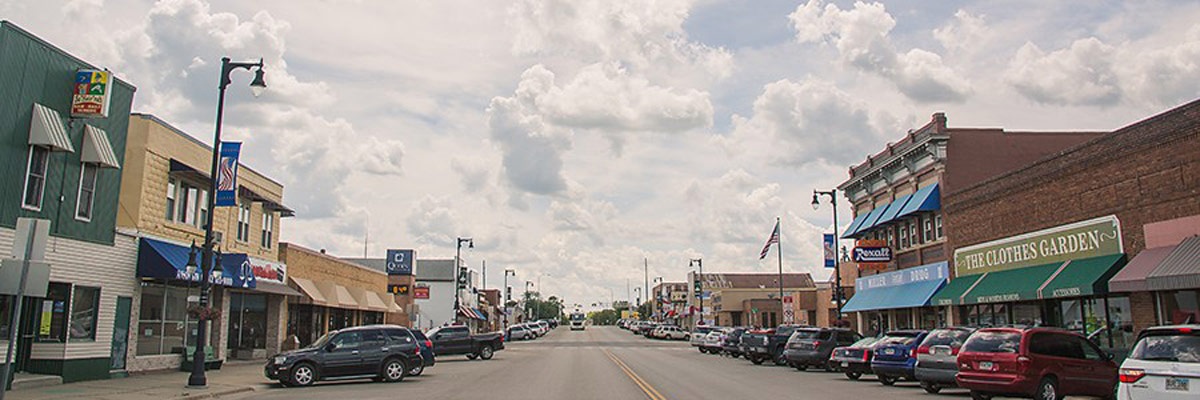
Photos of Miller
Overview of Miller
Miller is a small community in central South Dakota and the county seat of Hand County. With a population of approximately 1,300 residents, the town has the feel of a tight-knit rural community rooted in agriculture and the outdoors. It is best known as a base for pheasant hunting during the fall season and as a gateway to several prairie lakes and the broader landscape of central South Dakota. The nearest larger cities are Pierre, the state capital, located about 80 miles to the west, and Huron, roughly 60 miles to the east.
Just a short drive south of town, the Lake Thompson Recreation Area offers one of the region's most popular outdoor destinations. One of the largest natural lakes in South Dakota, Lake Thompson provides opportunities for fishing, boating, and camping, and it is a notable stop for birdwatchers drawn to the wetland habitat that surrounds the lake. The recreation area lies approximately 20 miles from Miller and serves as a key attraction for visitors looking to experience the prairie lake ecosystem up close.
The surrounding Hand County landscape, a mix of rolling prairie, cultivated cropland, and scattered wetlands, draws hunters from across the country each fall and winter. Pheasant, waterfowl, and deer seasons bring repeat visitors who use Miller as a base for guided hunts and self-guided public-land outings. The town's small inns, restaurants, and outfitters have long served this sporting crowd, and short-term rentals can extend that hospitality to families and groups traveling together.
To the west, the Missouri River reservoirs of Lake Oahe and Lake Sharpe offer larger-scale fishing and water recreation, while the capital city of Pierre provides riverfront amenities, dining, and services within roughly 90 minutes of Miller. Closer to home, the Hand County area is dotted with smaller public fishing lakes and wildlife management areas that reward visitors willing to explore the back roads.
Miller's combination of small-town character, central location between Huron and Pierre, easy access to Lake Thompson, and reputation as a destination for South Dakota's celebrated upland bird hunting makes it a natural base for short-term rental guests. Travelers seeking wide-open prairie landscapes, outdoor recreation, and a quieter alternative to the busier Black Hills region will find Miller an inviting and affordable home base for exploring the heart of the state.
Want to know if a property in Miller is a good investment?
Enter an address to get instant revenue potential and comps.