
Fort Mill, South Carolina
Want to see how Fort Mill compares to other top cities in South Carolina? Explore all city regulations in South Carolina. →
Fort Mill, SC
Generally Investor Friendly
Local STR Agent
Local STR Agent
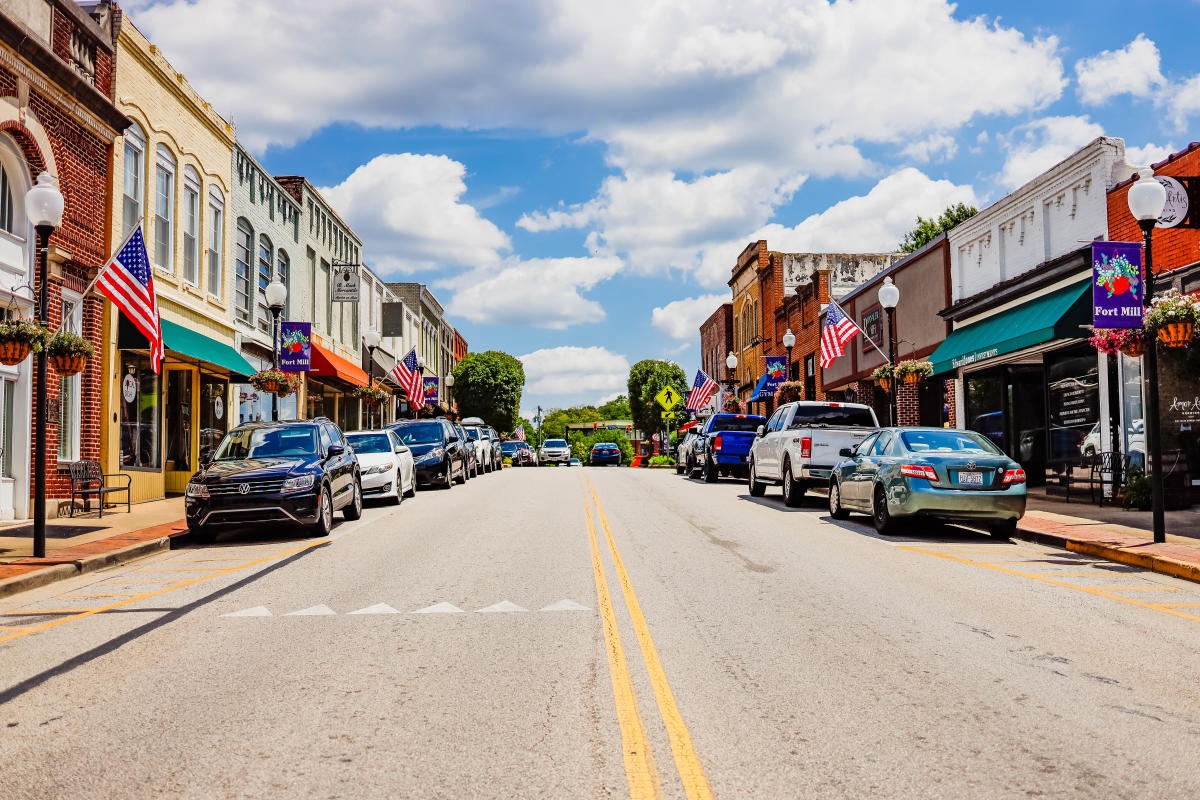
STR Regulations for Fort Mill, South Carolina
Executive overview: Are STRs allowed?
- Fort Mill, South Carolina does not operate a dedicated, townwide short‑term rental (STR) licensing program at this time. In practice, STRs are treated like any residential use and are allowed in residentially zoned areas subject to zoning, building and fire codes, and local taxes. You must comply with state and county/municipal tax obligations and any deed restrictions (e.g., HOA/COA covenants). Start by confirming your property’s zoning and whether you are inside or outside Fort Mill town limits; if inside Fort Mill limits, the 2% local hospitality tax applies only if you sell prepared food to guests. If outside Town limits (unincorporated York County), you are subject to the county’s 3% accommodations tax. At the state level, South Carolina imposes sales tax and accommodations tax on short‑term lodging, and you should confirm your combined rate via SCDOR. Many hosts incorrectly assume platform “collected taxes” cover all local taxes—often they do not. Verify which taxes your platform remits and register to remit any missing state and local taxes yourself. (See the taxation and local compliance sections below for filings and rates.)
How to start a short‑term rental business in Fort Mill
- Zoning and land‑use confirmation
- Confirm your address is inside Fort Mill town limits or in unincorporated York County (governing local taxes and contact points differ).
- Verify your property is in a zoning district that allows STR use as a residential rental. If you’re in a planned development or neighborhood with an HOA/COA, obtain and review covenants, articles, and rules to ensure STRs are permitted. Even if the Town allows STRs, the HOA can prohibit or restrict them.
- Contact the Planning/Zoning Department with any land‑use questions before listing.
- Business licensing
- Obtain a South Carolina Retail License (for collecting/remitting state and local taxes) if you accept direct payments from guests or if your platform/manager does not remit taxes on your behalf. If a marketplace facilitator collects and remits all required taxes, you may not need a Retail License—but confirm and retain documentation.
- Tax setup
- Register on MyDORWAY to file and remit South Carolina state sales tax and state accommodations tax, as applicable.
- If inside Fort Mill town limits and you sell prepared food to guests, set up Fort Mill’s 2% hospitality tax collection and remittance with the Town.
- If outside Town limits, the 3% York County accommodations tax applies to lodging and is paid to York County; if inside Fort Mill limits, verify any municipal lodging taxes and local tax remittance procedures.
- Determine your combined rate using state and local guidance, including the SCDOR accommodations tax page and York County’s accommodations tax FAQ.
- Platform and tax collection strategy
- If using platforms (Airbnb, Vrbo, etc.), check platform “taxes collected and remitted” for your exact address. Keep screenshots or monthly statements.
- If a platform does not collect all required state and local lodging taxes, you must register and remit them. South Carolina law defines marketplace facilitators’ responsibilities, but coverage is address‑specific. Do not assume a platform handles everything.
- Insurance and liability
- Standard homeowners or landlord policies generally exclude short‑term rental business activity. Obtain short‑term rental insurance that includes commercial general liability (CGL) for at least $1,000,000 per occurrence and coverage for property, contents, and business income. Several nearby municipalities explicitly require $1M CGL (e.g., Charleston), and insurance underwriters consider STRs commercial operations.
- Safety and property standards
- Life‑safety and building code standards apply. As a practical baseline (and as required by many nearby jurisdictions), maintain smoke detectors in every sleeping area and on each level, carbon monoxide detectors where fuel‑burning appliances exist, and a fully charged 2A:10BC fire extinguisher located per manufacturer guidance (e.g., within ~75 feet on each level). Verify specific local life‑safety requirements with the Town’s Building/Fire departments.
- Property preparation and listing
- Craft a guest manual with emergency contacts, house rules, and parking instructions.
- Consider noise‑monitoring or guest screening policies, especially in family neighborhoods, to minimize complaints and protect your operating status.
- Ensure compliance with HOA rules on occupancy, parking, and use of common areas.
Required documents, permits, licenses, and guidelines Licenses and permits
- South Carolina Retail License (if you collect/remit state/local taxes).
- Business license (Town or County, as applicable; confirm local requirements).
- Zoning/use verification (Town of Fort Mill Planning/Zoning Department if inside Town limits; York County Planning if outside Town limits).
- Tax accounts:
- MyDORWAY for South Carolina sales and accommodations taxes.
- Fort Mill hospitality tax account if you sell prepared foods (2% local hospitality tax).
- York County accommodations tax registration if you are outside Town limits (3% local accommodations tax).
- STR permit (if within a neighboring municipality that requires it, e.g., Rock Hill requires an annual STR permit for stays under 30 days). Fort Mill does not have a dedicated townwide STR permit at this time.
Insurance and safety
- Short‑term rental insurance policy with CGL at least $1,000,000 per occurrence.
- Smoke and CO detectors as required by applicable codes and the SCDHEC/ICC guidance for residential safety; confirm local Building/Fire standards.
Operational documents
- Guest manual with emergency contacts, house rules, parking rules, and STR permit/license number (if applicable).
- HOA/COA compliance documentation and approvals (if any).
- Tax records for all bookings, including platform statements and proof of remittance.
Specific regulations by jurisdiction City of Fort Mill (municipal)
- STR licensing: No dedicated townwide STR permit program currently. Confirm zoning/use with Planning before listing.
- Taxes:
- 2% local hospitality tax applies only if you sell prepared or modified foods to guests. Register and remit separately from lodging taxes.
- State sales tax (generally 5%) and state accommodations tax (generally 2%) apply to short‑term lodging. Confirm your combined rate using SCDOR guidance.
- Life‑safety: Building and fire codes apply. As a baseline, ensure functioning smoke and CO detectors, an adequate fire extinguisher (e.g., 2A:10BC), and overall safe conditions; coordinate with Building/Fire for local specifics.
- HOAs: Covenants and bylaws may restrict STRs, even if municipal law does not.
- Source: Fort Mill FAQ (Town website) for tax and contact information.
York County (for unincorporated areas and for local lodging taxes)
- If your property is outside Fort Mill town limits, you are subject to York County’s administration for local lodging taxes.
- York County imposes a 3% local accommodations tax on lodging in unincorporated areas; hotels/motels and similar operators remit to the County.
- Confirm registration requirements, filing deadlines, and reporting details with York County.
- Source: York County FAQ on local accommodations tax.
State of South Carolina
- Taxes:
- State sales tax (generally 5%) and state accommodations tax (generally 2%) apply to short‑term lodging. File using MyDORWAY.
- Local sales/use taxes may also apply depending on your address.
- Marketplace facilitator rules: Platforms may be required to collect and remit certain taxes, but coverage varies by address. Do not rely solely on a platform; verify which taxes are collected for your exact location.
- Insurance: Municipalities commonly require $1M liability insurance for STRs; the right coverage is commercial general liability (not personal or premises liability), since personal/-premises policies often exclude business activity.
- Source: SCDOR accommodations tax guidance; SC Code §12‑36‑71 (marketplace facilitator statute).
Neighboring city example (for context; not Fort Mill)
- Rock Hill, SC: Requires an annual STR permit for stays under 30 days, a business license, payment of local accommodations taxes, and compliance with zoning (max five bedrooms). Permit renewal is required. This illustrates how nearby municipalities implement stricter permitting; Fort Mill does not currently mirror this approach.
- Source: Rock Hill STR permits (official page).
Contact information (local authority and agencies) Town of Fort Mill (municipal)
- Phone: (803) 547‑2034
- Website: www.fortmillsc.gov/
- Zoning/Planning: Contact via Town main line or website. Confirm zoning compliance and whether municipal lodging taxes apply to your address.
- Hospitality tax (food sales): If you sell prepared food, contact the Town to register for remittance of the 2% hospitality tax and obtain filing instructions.
York County (local accommodations tax)
- Website: York County Government (FAQ page on local accommodations tax; confirm the 3% rate for lodging in unincorporated areas).
- For unincorporated properties: Register, file, and pay county accommodations taxes per County instructions.
South Carolina Department of Revenue (SCDOR)
- Phone: (844) 898‑8542
- Website: dor.sc.gov/tax/accommodations
- MyDORWAY portal: For online registration, filing, and payment of sales and accommodations taxes.
- Penalties/waivers: See SCDOR penalty waiver process if you have missed filings or payments; interest may still apply.
Legal references and source pages
- South Carolina Department of Revenue – Accommodations Tax: dor.sc.gov/tax/accommodations
- South Carolina Code §12‑36‑71 (Marketplace Facilitators): law.justia.com/codes/south-carolina/title-12/chapter-36/section-12-36-71/
- Fort Mill FAQ (Town website; hospitality tax and Town contacts): www.fortmillsc.gov/m/FAQ
- York County – Local Accommodations Tax FAQ (confirm 3% local rate and administration): www.yorkcountygov.com/FAQ.aspx?QID=364
- Rock Hill – Short‑Term Rental Permits (neighboring city example): www.cityofrockhill.com/departments/planning-and-development/permits-inspections/short-term-rental-permits
Practical checklist for Fort Mill STRs
- Confirm address status (inside/outside Town limits).
- Confirm zoning and obtain any HOA/COA approvals.
- Decide whether you need a Retail License; set up MyDORWAY if collecting/remitting.
- Identify which taxes your platform collects and which you must remit yourself.
- Establish hospitality tax handling for any prepared foods sold.
- Secure STR insurance with CGL $1M minimum and appropriate property/income coverage.
- Implement safety features and obtain local guidance on inspections if applicable.
- Build a guest manual and adopt noise/parking policies to mitigate complaints.
Important notes for investors
- The absence of a dedicated townwide STR permit in Fort Mill is not a blank check. Zoning, HOA rules, and life‑safety standards still govern operations.
- Verify combined tax rates and filing cadence via SCDOR and local authorities before you begin collecting from guests. Misclassifying taxes or assuming platform compliance can lead to assessments, penalties, and interest.
- Insurance gaps are common and costly. Only commercial general liability truly covers the business activity of an STR; personal or premises liability policies frequently exclude claims arising from paid guest stays.
If you’d like, I can summarize the precise filings and calendar for your exact address once you confirm whether the property is inside Fort Mill town limits or in unincorporated York County.
What do Airbnb hosts actually earn in Fort Mill?
Fort Mill hosts earn a median $36,826/year with $173 ADR and 74% occupancy.
Top performers pull in $50,046+ per year.
See the full Fort Mill market breakdown →Next step
Found a property in Fort Mill?
Paste any address and get estimated revenue, cash-on-cash return, and comparable STR performance in under 5 minutes. 3 free analyses per day.
Free brief
Get the free Fort Mill STR Investment Brief
Revenue data, top neighborhoods, seasonal trends, and the key regulations for Fort Mill, South Carolina in one email.
Fort Mill
Market Saturation Score
Photos of Fort Mill
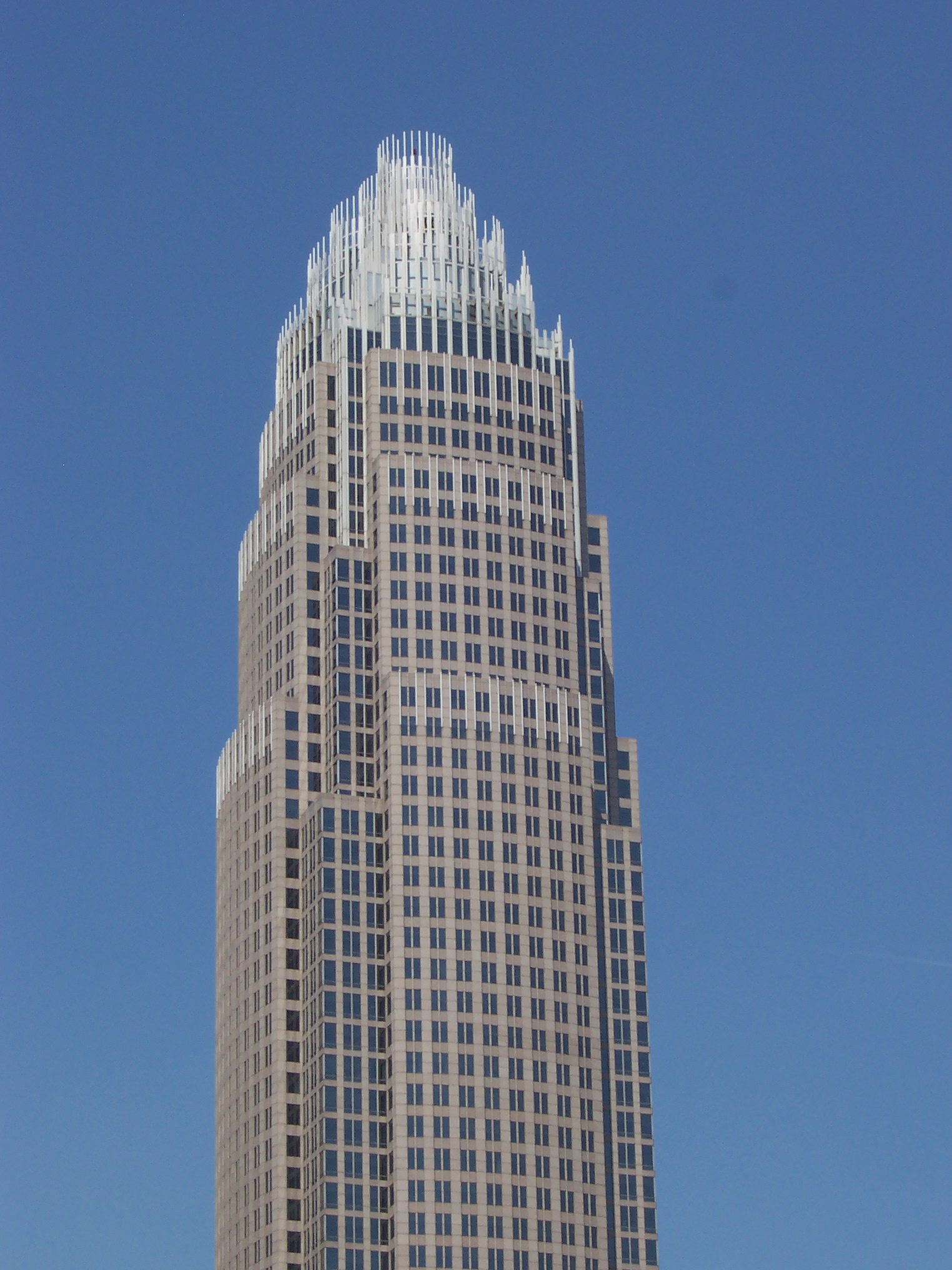

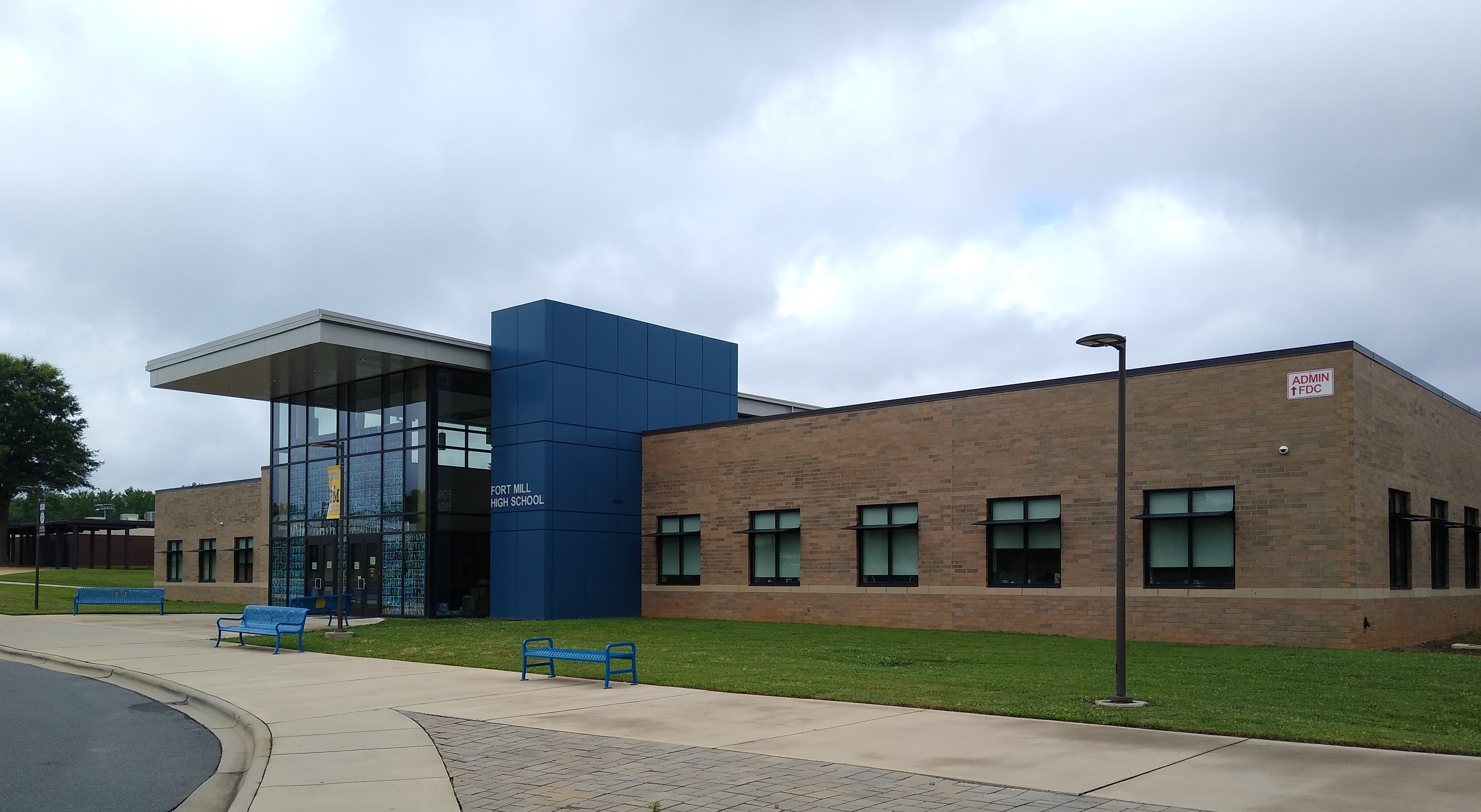
Overview of Fort Mill
Fort Mill, also known as Fort Mill Township, is a town in York County, South Carolina, United States. It is a suburb of Charlotte, North Carolina. As of 2020 census, the population of the town was 24,521. Some businesses and residents in the Indian Land community of neighboring Lancaster County share a Fort Mill mailing address, but the official town boundary extends only within York County. The Fort Mill area is home to notable businesses such as the headquarters of Carolina Crown Drum and Bugle Corps (who were DCI World Champions in 2013), LPL Financial, Continental Tire the Americas (Lancaster County), LLC., CompuCom Systems, Diversey, Inc., Sunbelt Rentals, Domtar, Springs Industries, AECOM (Lancaster County), Shutterfly, Red Ventures (Lancaster County), Daimler Trucks North America, and Puckerbutt Pepper Company, known for originally producing the Carolina Reaper.
Want to know if a property in Fort Mill is a good investment?
Enter an address to get instant revenue potential and comps.