
Anderson, South Carolina
Want to see how Anderson compares to other top cities in South Carolina? Explore all city regulations in South Carolina. →
Anderson, SC
Very Investor Friendly
STR Regulations for Anderson, South Carolina
Overview: Are Short-Term Rentals Allowed in Anderson, SC?
Short-term rentals are allowed in Anderson, South Carolina. The state defines “short‑term” as stays of fewer than 90 days and requires hosts to collect and remit state sales and accommodations taxes on those stays. In Anderson County, you must also collect and remit the county accommodations fee (3% of gross proceeds). At the City of Anderson level, you must obtain a business license to operate; there is no city-specific short-term rental permit or zoning ordinance in the materials provided, and the City of Anderson page directs hosts to the general business license process. As a result, investors should plan to satisfy state tax obligations, county accommodations fee obligations, and city business licensing requirements to operate legally.
Sources:
- Property Owners SC: STR Rules & Requirements (SC state definitions and taxes; Anderson city/county links) [propertyownerssc.org/regulations/]
- South Carolina Department of Revenue: Accommodations Tax [dor.sc.gov/tax/accommodations]
- SC DOR: Retail License [dor.sc.gov/tax-index/registration/Pages/licensing-retail-license.aspx]
- City of Anderson: Business Licenses [www.cityofandersonsc.com/business-licenses/]
- Anderson County: Accommodations Fee Ordinance No. 97‑006 [www.andersoncountysc.org/wp-content/uploads/2021/02/1997-006.pdf]
What do Airbnb hosts actually earn in Anderson?
Anderson hosts earn a median $25,099/year with $143 ADR and 53% occupancy.
Top performers pull in $33,197+ per year.
See the full Anderson market breakdownHow to Start a Short-Term Rental Business in Anderson, SC (Step-by-Step)
Start with state-level compliance, layer county fee obligations, and finish with city licensing. If you intend to list on large platforms (Airbnb/Vrbo), confirm whether they will collect and remit state taxes for you (they do in South Carolina), but recognize that county and city fees may still require separate compliance.
Step 1 — Choose and prepare your property
- Confirm zoning, HOA rules, insurance availability, and property maintenance expectations. While no city-specific STR zoning limits were provided in the materials, verify zoning directly with the City Planning Department before listing. Obtain appropriate insurance (commercial general liability is strongly recommended for STRs; see best practices below).
Step 2 — Register for a South Carolina Retail License
- Why: Required to file and pay the State Accommodations Tax, unless a specific statutory exemption applies (e.g., renting fewer than 15 days per year; renting fewer than six rooms in your primary residence while remaining on site; or stays 90 days or longer).
- How: Register online with the South Carolina Department of Revenue (SCDOR).
- Exception: Hosts who rent fewer than 15 total days per taxable year in a dwelling they use as a residence are not subject to state accommodations tax. If you use platforms like Airbnb/Vrbo, they collect and remit state taxes for you.
- Link: SC DOR Retail License [dor.sc.gov/tax-index/registration/Pages/licensing-retail-license.aspx]
Step 3 — Set up South Carolina sales and accommodations tax collection
- Apply the state sales tax (5%) and state accommodations tax (2%) to bookings shorter than 90 days. File and remit through the Retail License portal unless a platform remits for you.
- Confirm whether any other local taxes apply using SCDOR’s rates table.
- Links: SCDOR Accommodations Tax [dor.sc.gov/tax/accommodations]; SCDOR Sales & Accommodation Tax Rates Table (ST575) [dor.sc.gov/tax-index/sales-and-use/Sales%20Notices/ST575.pdf]
Step 4 — Register for and collect Anderson County accommodations fee (3%)
- The county imposes a 3% accommodations fee on gross proceeds from “accommodations” in the county, collected from the consumer by the provider and remitted monthly.
- Remittance is due on the 20th day of each month to the Anderson County Finance Department. The fee applies to transient lodging (including STRs) within county boundaries. Proceeds from stays of 30 continuous days or longer to the same person(s) are excluded from the fee.
- Link: Anderson County Accommodations Fee Ordinance No. 97‑006 [www.andersoncountysc.org/wp-content/uploads/2021/02/1997-006.pdf]
- County Finance Department contact details are included under “Contact Information” below.
Step 5 — Obtain a City of Anderson business license
- The City requires a general business license for commercial activity, including STR operations. No separate city STR permit or separate city accommodations tax is noted in the provided materials.
- Contact the City of Anderson Business License Division for application details and any annual renewal requirements.
- Link: City of Anderson Business Licenses [www.cityofandersonsc.com/business-licenses/]
Step 6 — Verify platform tax handling and complete onboarding
- Airbnb and Vrbo generally collect and remit South Carolina state sales and accommodations taxes on bookings. Do not assume they will remit county or city taxes—verify directly with the platform and the local authority before relying on automated remittance for county and city fees.
- Links: Airbnb SC Tax Information [www.airbnb.com/help/article/2328]; Vrbo SC Tax Information [help.vrbo.com/articles/What-Stay-Taxes-Lodging-Taxes-does-HomeAway-collect-and-remit]
Step 7 — Create a compliance calendar and recordkeeping
- Monthly: Remit Anderson County accommodations fee by the 20th; reconcile state sales and accommodations taxes (if not remitted by a platform); maintain receipts and ledgers.
- Annually: Renew your city business license and maintain retail license status with SCDOR as required.
- Keep records sufficient for audits (bookings, guest nights, gross proceeds, taxes/fees collected and remitted).
Required Documents, Permits, Licenses, and Guidelines
To operate legally, you will need the following based on the provided sources:
-
South Carolina Retail License (SCDOR)
- Purpose: File and pay State Accommodations Tax (unless exempt).
- When: Before you begin accepting bookings for stays under 90 days (unless exempt).
- Link: [dor.sc.gov/tax-index/registration/Pages/licensing-retail-license.aspx]
-
City of Anderson Business License
- Purpose: City-level authority to operate a business (no separate city STR permit shown in the materials).
- When: Before starting operations; renew annually as required by the city.
- Link: [www.cityofandersonsc.com/business-licenses/]
-
County Accommodations Fee Registration/Reporting (Anderson County Finance Department)
- Purpose: Collect and remit the 3% county accommodations fee; follow county reporting forms and timelines.
- When: Monthly remittances due by the 20th.
- Source: [www.andersoncountysc.org/wp-content/uploads/2021/02/1997-006.pdf]
-
State Sales and Accommodations Taxes Filing
- Purpose: Remit state sales tax (5%) and state accommodations tax (2%) on bookings shorter than 90 days unless exempt (e.g., fewer than 15 days/year; fewer than six rooms in your primary residence while remaining on site; stays of 90+ days).
- Filing: Via SCDOR retail license portal or as handled by platforms.
- Links: SCDOR Accommodations Tax [dor.sc.gov/tax/accommodations]; SCDOR Sales & Accommodation Tax Rates (ST575) [dor.sc.gov/tax-index/sales-and-use/Sales%20Notices/ST575.pdf]
-
Platform Registration (if applicable)
- Purpose: Ensure platform tax collection/remittance for state taxes; confirm whether county/city taxes are covered.
- Links: Airbnb SC Tax Information [www.airbnb.com/help/article/2328]; Vrbo SC Tax Information [help.vrbo.com/articles/What-Stay-Taxes-Lodging-Taxes-does-HomeAway-collect-and-remit]
Important state-level exceptions
- You are not subject to state sales and accommodations taxes if:
- You rent fewer than 15 total days per taxable year in a dwelling you use as a residence; or
- The stay is 90 days or longer; or
- You rent fewer than six individual rooms in your primary residence and you remain on site during guest stays.
- Source: Property Owners SC overview [propertyownerssc.org/regulations/]
Specific Regulations for Short-Term Rentals (City, County, and State)
City of Anderson
- Business License: Required to operate an STR in the city. No separate city STR permit or zoning-specific restrictions are indicated in the provided materials.
- No local accommodations tax is shown for the City of Anderson in the provided sources.
- Best practice: Confirm zoning and any building/fire requirements directly with City Planning and Building Departments prior to listing.
- Link: City of Anderson Business Licenses [www.cityofandersonsc.com/business-licenses/]
Anderson County
- Accommodations Fee (Ordinance No. 97‑006):
- Imposes a 3% fee on gross proceeds from rentals of accommodations to transients within Anderson County (includes the municipalities within the county’s boundaries).
- Collected by the provider from the consumer; remitted monthly by the 20th to the Anderson County Finance Department.
- Excludes stays of 30 continuous days or longer to the same person(s).
- Enforcement: County may inspect and audit; violations subject to penalties (5% per month up to 100% of fees due and potential misdemeanor penalties).
- Link: [www.andersoncountysc.org/wp-content/uploads/2021/02/1997-006.pdf]
- County Finance Department portal and contact details are provided below.
State of South Carolina
- Definition: Short-term rentals are stays fewer than 90 days.
- Taxes:
- State sales tax: 5%
- State accommodations tax: 2%
- You must have a Retail License to file and pay State Accommodations Tax (unless exempt).
- Airbnb and Vrbo generally collect and remit these state taxes.
- Exceptions to state sales and accommodations taxes:
- Rent fewer than 15 total days per taxable year in a dwelling you use as a residence; or
- The stay is 90 days or longer; or
- You rent fewer than six rooms in your primary residence and remain on site during stays.
- Consult the SCDOR rates table for any additional county/local taxes that may apply to your property.
- Links: SCDOR Accommodations Tax [dor.sc.gov/tax/accommodations]; SCDOR Retail License [dor.sc.gov/tax-index/registration/Pages/licensing-retail-license.aspx]; SCDOR Rates Table (ST575) [dor.sc.gov/tax-index/sales-and-use/Sales%20Notices/ST575.pdf]
Best Practices and Neighbor-Friendly Operation (Investor Notes)
- Insurance: Maintain commercial general liability coverage suitable for hospitality operations; personal or premise liability often excludes business activity. Use a policy that responds to guest injuries, amenity risks, and business income loss.
- Safety: Install and maintain smoke and carbon monoxide detectors; ensure handrails/guardrails where applicable; keep a charged fire extinguisher; provide clear emergency instructions and contact information.
- Noise and Quiet Hours: Establish house rules, monitor noise, and respond promptly to complaints to protect community goodwill and avoid code enforcement issues.
- Parking: Provide clear parking instructions; avoid street overflow that could trigger complaints or citations.
- Trash and Property Upkeep: Enforce exterior maintenance standards and trash pickup schedules to preserve neighborhood aesthetics.
- Guest Communication: Provide a house manual with emergency contacts, parking instructions, and rules; share your local contact information with neighbors.
- Compliance Calendar: Build a monthly compliance cadence (county fee remittance by the 20th; platform/state tax reconciliation; annual business license renewal).
These practices go beyond minimum legal requirements but materially reduce enforcement risk and enhance guest satisfaction.
Contact Information (Local Authority for STRs)
City of Anderson — Business License Division
- Phone: Not provided in the materials.
- Email: Not provided in the materials.
- Website: [www.cityofandersonsc.com/business-licenses/]
Anderson County — Finance Department
- Address: 101 South Main Street, Anderson, SC 29621 (P.O. Box 8002, Anderson, SC 29622)
- Phone: Not provided in the materials.
- Email: Not provided in the materials.
- Website/Portal: Anderson County Finance Department (see county accommodations tax page) [www.andersoncountysc.org/departments-a-z/finance/]
Note: For planning/zoning or building/fire safety questions at the city level, contact City Hall directly using the official website listed above.
Source Pages (Links)
- Property Owners SC — STR Rules & Requirements (Anderson city/county links; SC tax overview) [propertyownerssc.org/regulations/]
- Anderson County — Accommodations Fee Ordinance No. 97‑006 [www.andersoncountysc.org/wp-content/uploads/2021/02/1997-006.pdf]
- City of Anderson — Business Licenses [www.cityofandersonsc.com/business-licenses/]
- SC Department of Revenue — Accommodations Tax [dor.sc.gov/tax/accommodations]
- SC Department of Revenue — Retail License [dor.sc.gov/tax-index/registration/Pages/licensing-retail-license.aspx]
- SC DOR Sales & Accommodations Tax Rates Table (ST575) [dor.sc.gov/tax-index/sales-and-use/Sales%20Notices/ST575.pdf]
- Airbnb — South Carolina Tax Information [www.airbnb.com/help/article/2328]
- Vrbo — South Carolina Tax Information [help.vrbo.com/articles/What-Stay-Taxes-Lodging-Taxes-does-HomeAway-collect-and-remit]
Investor takeaways
- You can operate STRs in Anderson, SC with state tax compliance, a county accommodations fee (3%), and a city business license.
- Most state taxes are handled by platforms; county fees typically require direct compliance by the host.
- Build a compliance calendar, maintain documentation, and adopt neighbor-friendly operational practices to protect your investment and your community standing.
Next step
Found a property in Anderson?
Paste any address and get estimated revenue, cash-on-cash return, and comparable STR performance in under 5 minutes. 3 free analyses per day.
Free brief
Get the free Anderson STR Investment Brief
Revenue data, top neighborhoods, seasonal trends, and the key regulations for Anderson, South Carolina in one email.
Anderson
Market Saturation Score
Photos of Anderson


Overview of Anderson
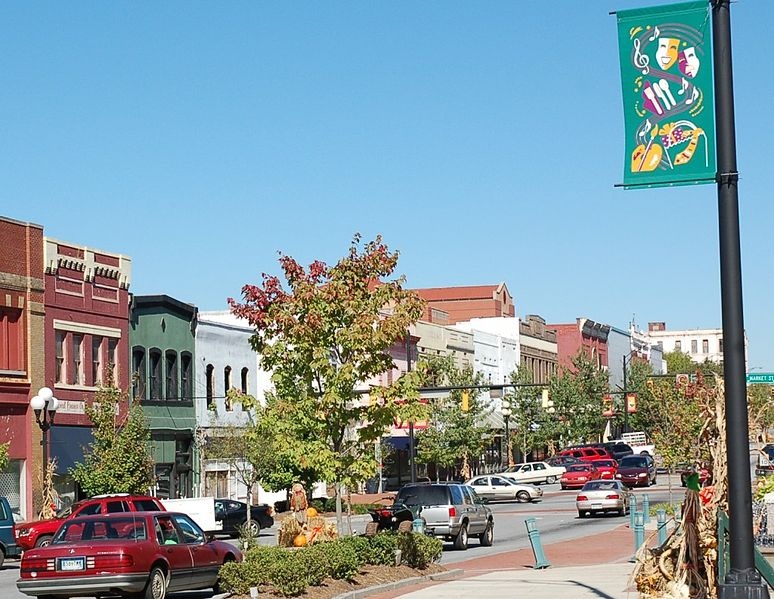
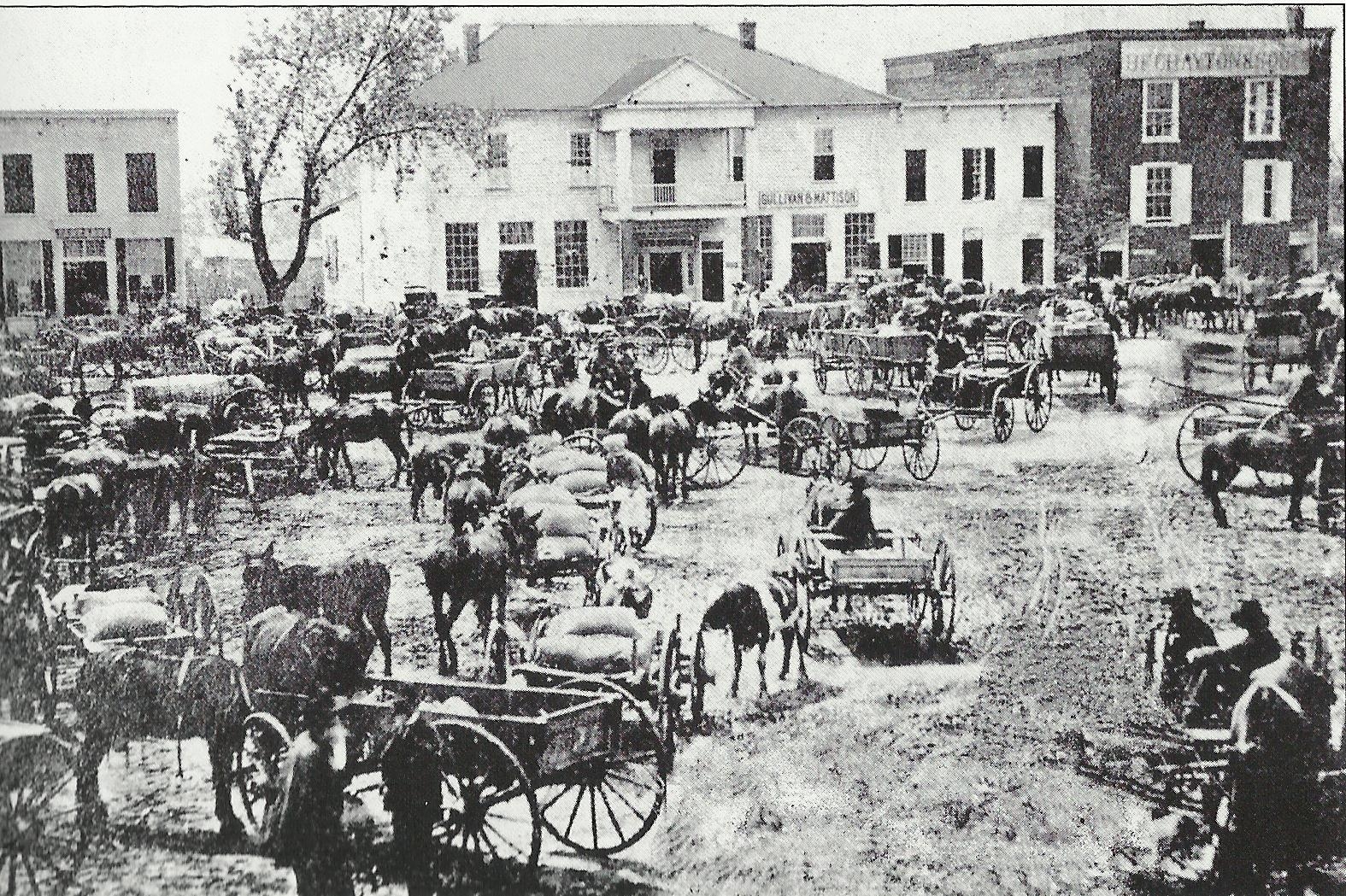
Anderson is a city of roughly 27,000 residents in northwestern South Carolina, serving as the county seat of Anderson County and anchoring the southern edge of the Upstate region. Often called the "Electric City" because its downtown electric streetcar system went online in the late 1800s, Anderson has retained a small-city, college-town feel, with tree-lined streets, a walkable core around the courthouse square, and a steady rhythm of life tied to nearby Anderson University. It sits about thirty miles south of Greenville along Interstate 85, making it a convenient stopover between the Blue Ridge foothills and the larger Atlanta–Greenville corridor, and it is best known regionally as a gateway to one of the Southeast's biggest recreational reservoirs.
The headline draw is Lake Hartwell, a 56,000-acre reservoir on the Savannah River that straddles the South Carolina–Georgia line. With nearly a thousand miles of shoreline, the lake is a year-round playground for boating, fishing, swimming, and lakeside camping, and several of its public access points and marinas are within ten to fifteen minutes of downtown Anderson. The lake draws a steady stream of visitors during warm months and a quieter crowd of anglers and hikers in the cooler seasons, which helps give short-term rentals a longer booking window than purely summer destinations.
Just southwest of the city, Sadlers Creek State Park sits on a wooded peninsula jutting into Lake Hartwell, roughly a twenty-minute drive from central Anderson. The park offers more than 350 acres of pines and hardwoods, miles of shoreline for fishing, a campground, picnic areas, and a network of hiking and biking trails that wind through quiet, bird-rich habitat. It is the kind of low-key, family-friendly stop that pairs well with a lake-house stay and gives guests a built-in nature experience without a long drive.
About fifteen miles to the north, Clemson University adds a different kind of energy. The university's campus sits on the southern shore of Lake Hartwell and draws visitors for major sports events at Memorial Stadium and Littlejohn Coliseum, graduation weekends, and the routine rhythm of lectures, performances, and museum exhibits. Football weekends in the fall turn the entire corridor into a busy hospitality market, and even outside of game days, the campus's arboretum-like grounds and the nearby botanical gardens offer an easy half-day excursion from Anderson.
In town itself, the Anderson County Museum and the historic districts around Main Street give visitors a sense of the area's textile-mill and agricultural past, while a handful of locally owned restaurants and antique shops keep the downtown active. Together, these offerings make Anderson a practical, well-located base for a short-term rental: close enough to Greenville, Atlanta, and the mountains to draw road-trippers, yet removed enough to feel like a quieter, more affordable alternative to busier Upstate hubs, with a lake and a state park right at its doorstep.
Want to know if a property in Anderson is a good investment?
Enter an address to get instant revenue potential and comps.