
Susquehanna, Pennsylvania
Want to see how Susquehanna compares to other top cities in Pennsylvania? Explore all city regulations in Pennsylvania. →
Susquehanna, PA
Challenging To Investors
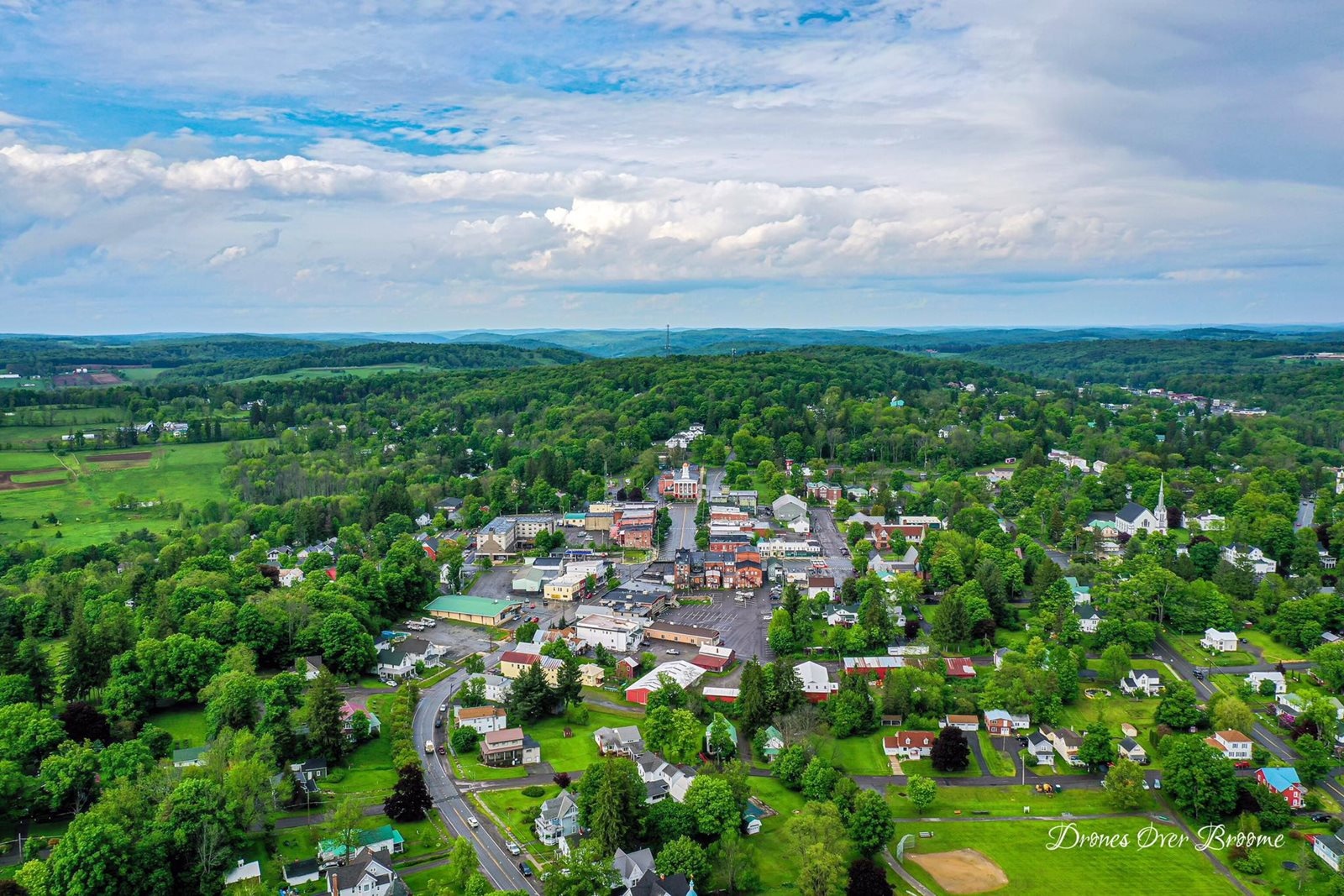
STR Regulations for Susquehanna, Pennsylvania
Overview: Are short-term rentals allowed in Susquehanna, PA?
Explicit answer: Yes—short-term rentals (STRs) are legally permissible in Pennsylvania when operated in compliance with applicable state and local laws. STRs are treated as transient lodging, a lodging establishment under Pennsylvania’s Lodging and Housing Code. However, local zoning determines whether and how STRs may operate within a municipality. Zoning may permit STRs as a principal use (e.g., “visitor accommodation”), prohibit STRs in residential districts, require a special exception/conditional use, cap the number of nights rented, or impose registry, licensing, inspection, and safety requirements. Practically, you must confirm zoning and municipal rules for the specific property location in Susquehanna Borough or the relevant township/borough within Susquehanna County.
Key precedent: The Pennsylvania Supreme Court’s Slice of Life (2019) ruling permits municipalities to exclude purely transient commercial uses from residential zoning districts unless the zoning ordinance explicitly allows them. This means an STR business may be allowed in some zones and prohibited or restricted in others. Always validate local zoning before committing to purchase or operation.
What do Airbnb hosts actually earn in Susquehanna?
Susquehanna hosts earn a median $28,936/year with $231 ADR and 44% occupancy.
Top performers pull in $35,435+ per year.
See the full Susquehanna market breakdownHow to start a short-term rental business in this market
A practical, step-by-step process tailored to the Pennsylvania/Susquehanna context:
-
Confirm zoning and land-use legality.
- Determine whether the property is in Susquehanna Borough or within a township/borough in Susquehanna County.
- Review the municipal zoning ordinance for the STR classification (e.g., “transient dwelling,” “visitor accommodation,” “limited lodging,” “bed and breakfast,” “boarding/rooming house”) and whether the property is in an allowed district.
- Check if a special exception, conditional use, variance, or nonconforming use status applies.
- Verify HOA/POA, planned community declarations, covenants, and bylaws; litigation indicates these can limit or permit short-term rentals depending on the language and governance.
-
Decide operating model and compliance track.
- Establish whether you will operate as a “homestay” (owner-occupied, house-sharing with fewer regulatory burdens) or a “commercial STR” (entire home/unit for transient guests, often subject to more licensing and safety rules). Municipal ordinances may define these differently; see examples referenced in the state study.
-
Secure required permits, registrations, and licenses.
- Municipal license/permit and zoning permit as applicable (some municipalities require annual renewals).
- Fire, building, health, and safety inspections; installation of smoke and carbon monoxide alarms may be mandated (see Philadelphia and Pittsburgh references).
- Municipal STR registration/registry (common in municipalities with licensing programs) and appointment of a person-in-charge or local contact.
-
Hotel (transient) tax compliance and registrations.
- Register with the PA Department of Revenue for Sales, Use, and Hotel Occupancy Tax if you collect the tax directly.
- Use a booking agent? They are responsible for collecting and remitting hotel occupancy taxes on your behalf under PA law.
- Remit any local hotel room tax to the Susquehanna County tax collection authority (see county rate below).
-
Insurance and risk management.
- Standard homeowners policies often exclude or limit short-term rental or home-based business exposures. Consider a rider or a stand-alone short-term rental policy with guest liability, theft, and loss-of-income coverage.
- Platforms like Airbnb/VRBO may provide limited host liability protection; do not rely on this as your sole coverage.
-
Operations and neighbor relations.
- Adopt occupancy limits, parking and signage restrictions, trash/recycling rules, and quiet hours as required by local ordinance.
- Maintain guest records for two years where mandated (guest name, contact, check-in/out dates, occupants) to support public health, safety, or emergency tracing requirements (municipal ordinance standard referenced in state study).
- Engage professional management if you are not local; some municipalities require a local emergency contact available at all times.
Required documents, permits, licenses, and guidelines
Municipal requirements vary by jurisdiction. Based on PA trends and the cited study, expect any combination of the following:
- Municipal short-term rental license or transient dwelling license (often annual).
- Zoning permit (e.g., limited lodging vs. visitor accommodation) and zoning compliance certificate or variance as applicable.
- Property registration on a municipal rental registry.
- Fire safety, building, electrical, plumbing inspections as required by local code.
- Installation and verification of smoke and carbon monoxide alarms; postings of emergency, occupancy, and trash/recycling notices in visible locations.
- Appointment of a “person-in-charge” and provision of local emergency contact details.
- Recordkeeping of guest stays for at least two years (see municipal practice references).
State-level obligations:
- Registration for Sales, Use, and Hotel Occupancy Tax with the PA Department of Revenue (if you are the operator/owner collecting the tax).
- Collection and remittance of state hotel occupancy tax (6%) and, where applicable, booking agent collection obligations.
- PA personal income tax reporting of STR income and deductions as business income.
- Compliance with the Lodging and Housing Code’s recordkeeping, guest safety, and “maintain order” duties applicable to transient lodging.
County-level tax:
- Susquehanna County (a Sixth Class County) imposes a 3% hotel room tax in addition to the state tax. This is collected by the county’s tax collection authority and remitted to the county.
Note: HOA/planned community restrictions and covenants can be determinative. Commonwealth Court cases in 2024 clarified that restrictive covenants may limit short-term rentals depending on the language. Review community declarations and bylaws carefully.
Specific regulations for short-term rentals
-
City-specific: The materials do not contain a Susquehanna Borough or other Susquehanna County municipality-specific ordinance text. Treat municipal requirements as unknown and confirm by contacting local zoning, code enforcement, and the borough/township office. Use the state study’s examples to anticipate common categories: lodging establishments, transient dwellings, limited lodging, visitor accommodation, bed and breakfast, boarding/rooming houses.
-
County-specific: Susquehanna County is a Sixth Class County with a 3% hotel room tax. County-level inspection or registration programs for lodging apply to hotels, motels, rooming houses, and boarding homes; whole single-family home STRs are typically governed at the municipal level.
-
State-level (Pennsylvania):
- Lodging and Housing Code: STRs renting for less than 30 days are treated as transient lodging; the statute covers recordkeeping, order maintenance, and guest safety. The definition of “lodging establishment” is expansive and includes private residences offering overnight lodging to transient guests.
- Hotel Occupancy Tax: 6% state tax on transient stays less than 30 days. Booking agents must collect and remit; private operators must register with the Department of Revenue and collect/remit if not using an exclusive booking agent.
- Municipal zoning authority: The Pennsylvania Municipalities Planning Code delegates zoning to municipalities. Courts have upheld bans or restrictions on purely transient use in residential zones unless expressly permitted (Slice of Life).
- Landlord-Tenant Act: Governs leases; not a licensing law but relevant to the STR classification (leases >3 years must be in writing; periodic tenancies are permissible).
Additional state resources (implications for STRs):
- Insurance Department guidance: Homeowners policies often exclude home-based business use and certain perils; consider STR-specific coverage.
- Homestead property exclusion: Operating an STR may affect eligibility or calculation of homestead exemptions; short periods when the owner is absent and the property is rented can trigger pro-rated adjustments.
- Municipal Registry and Recordkeeping: Municipal ordinances (e.g., Millcreek Township in Erie County) exemplify rigorous recordkeeping and contact-person requirements.
Contact information (phone, email, website where available)
Important note: The provided materials do not include municipal-level contact details for Susquehanna Borough or any Susquehanna County municipality. You must contact the local authority directly.
- Susquehanna County Government
- Website: www.susquehanna.pa.gov/ (general information; look for Treasurer/Tax Collector for local hotel tax, and Planning/Zoning for ordinance references)
For borough/township-specific contacts:
- Susquehanna Borough
- Phone/email: Not provided in materials; consult the borough’s official website or municipal office for zoning officer and code enforcement contact details.
- Municipalities within Susquehanna County
- Zoning, licensing, and inspection contacts vary by township/borough; use the county website to identify the local municipality and obtain contact information.
State contacts for compliance:
- PA Department of Revenue: Register for Sales, Use, and Hotel Occupancy Tax; find guidance at www.pa.gov/agencies/revenue/resources/tax-types-and-information/sales-use-and-hotel-occupancy-tax/home-sharing.html
- PA Insurance Department: Consumer guidance on homeowners and STR-related insurance at www.pa.gov/agencies/insurance/consumer-help-center/learn-about-insurance/homeowners.html
Links to source pages [IMPORTANT]
- Joint State Government Commission Staff Study: “The Short-Term Rental Industry in Pennsylvania” (March 2025): jsg.legis.state.pa.us/resources/documents/ftp/publications/2025-03-17%20Short-term%20Rental%20Web%203.17.25.pdf
- PA Department of Revenue guidance on home-sharing/third-party broker rentals: www.pa.gov/agencies/revenue/resources/tax-types-and-information/sales-use-and-hotel-occupancy-tax/home-sharing.html
- PA Insurance Department—Homeowners Insurance Overview (for STR insurance considerations): www.pa.gov/agencies/insurance/consumer-help-center/learn-about-insurance/homeowners.html
- Susquehanna County official website (for tax and municipal directory): www.susquehanna.pa.gov/
—
Practical investor takeaway for Susquehanna, PA:
- STRs are permissible in Pennsylvania subject to state tax and lodging code obligations, and to local zoning rules that determine whether STR use is allowed and under what conditions.
- Confirm zoning at the borough/township level; expect licensing, registration, inspection, and recordkeeping requirements where permitted.
- Plan for 6% state hotel tax plus 3% Susquehanna County hotel room tax (9% total), plus any applicable municipal levies.
- Secure appropriate insurance and confirm HOA/planned community restrictions before purchase.
- If you do not use an exclusive booking agent, register with the PA Department of Revenue and collect/remit hotel occupancy taxes directly.
- Keep meticulous guest records and designate a local person-in-charge where required; align operations with neighbor-friendly practices to preserve community acceptance.
Next step
Found a property in Susquehanna?
Paste any address and get estimated revenue, cash-on-cash return, and comparable STR performance in under 5 minutes. 3 free analyses per day.
Free brief
Get the free Susquehanna STR Investment Brief
Revenue data, top neighborhoods, seasonal trends, and the key regulations for Susquehanna, Pennsylvania in one email.
Susquehanna
Market Saturation Score
Photos of Susquehanna
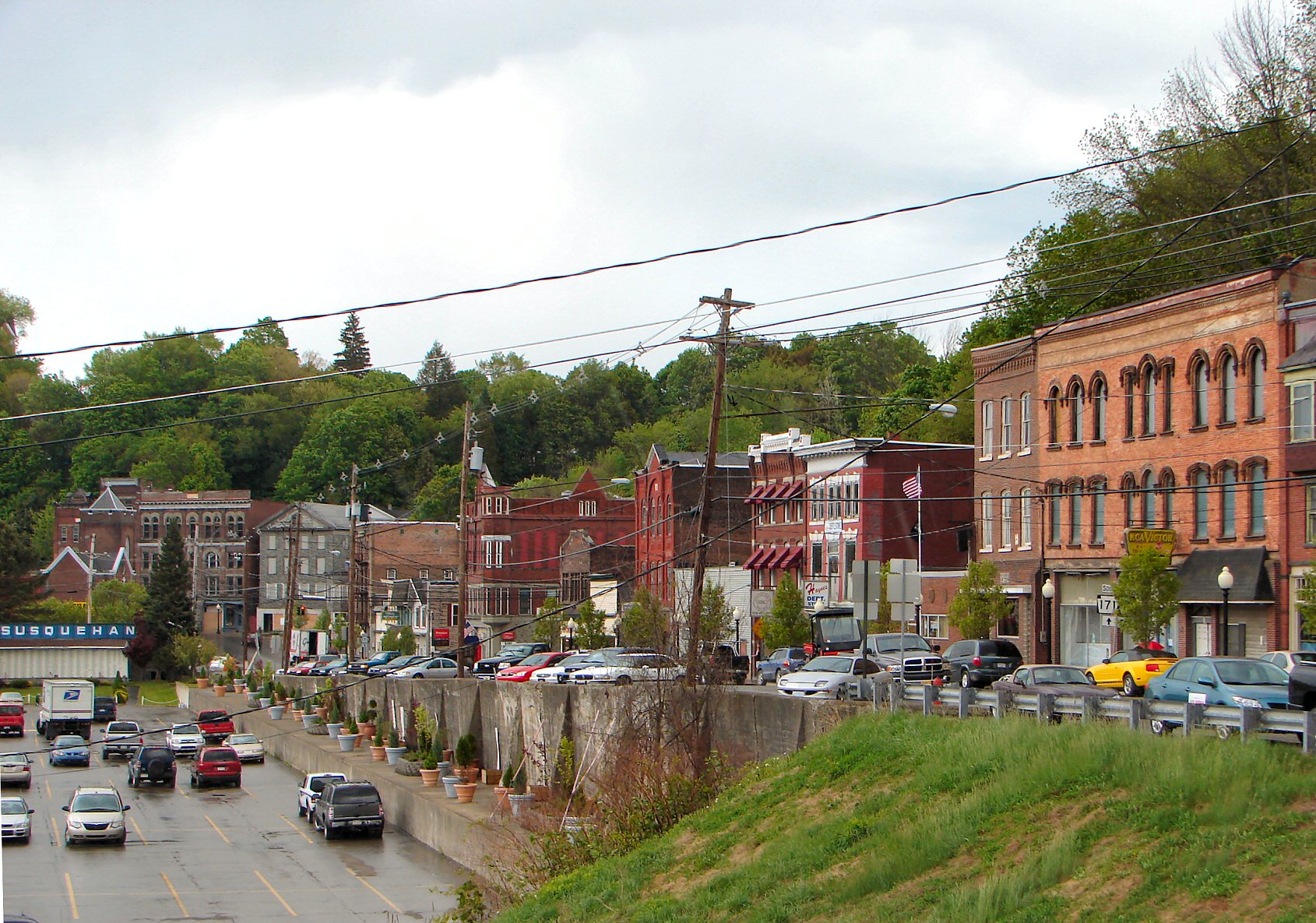


Overview of Susquehanna
Susquehanna is a small borough in Susquehanna County in the northeastern corner of Pennsylvania, with a population of roughly 5,000 residents. Straddling the Susquehanna River just a few miles south of the New York state line, the town has a quiet, working-class character shaped by its railroad heritage and the rolling, forested landscape of the Endless Mountains. It sits about 35 miles north of Scranton and roughly 30 miles southeast of Binghamton, New York, making it a convenient crossroads for travelers exploring the rural borderlands between the two states. Long known as a rail hub along the historic Erie Lackawanna corridor, Susquehanna today serves primarily as a gateway to outdoor recreation in the surrounding highlands and along the river itself.
One of the most celebrated landmarks in the area is the Starrucca Viaduct, a massive stone railroad bridge completed in 1848 in neighboring Lanesboro, just a few minutes' drive from Susquehanna. Once the largest stone viaduct in the United States and still in active use, the structure is a National Historic Landmark and a popular stop for rail-history enthusiasts. Visitors can view the viaduct from a small park and walkways at its base. Starrucca Viaduct
Just outside town, Salt Springs State Park offers roughly 400 acres of forest, hemlock gorges, and a network of hiking trails centered on three natural salt springs that once attracted wildlife and, later, hunters and travelers. The park is about a 15-minute drive from Susquehanna and is a favorite for picnicking, trout fishing in its small stream, and cross-country skiing in winter.
The Susquehanna River, which gives the town and county their name, is itself a major draw. The river passes right through the borough, and stretches upstream and downstream offer opportunities for fishing, small-boat recreation, and quiet riverside walks. In fall, the surrounding hardwood hills light up with color, drawing leaf-peepers from across the region.
A short drive north across the New York state line places visitors within the rolling terrain of the northern Catskills, where additional state parks, antiquing towns, and hiking trails extend the outdoor possibilities of a Susquehanna-based stay.
For short-term rental investors, Susquehanna offers an appealing combination of small-town affordability, four-season scenery, and proximity to both historic landmarks and natural attractions. Its location between Scranton and Binghamton, paired with the steady draw of outdoor recreation in the Endless Mountains, gives the town a niche but genuine appeal for travelers seeking a quieter alternative to the busier destinations of central Pennsylvania and the Catskills.
Want to know if a property in Susquehanna is a good investment?
Enter an address to get instant revenue potential and comps.