
Homestead, Pennsylvania
Want to see how Homestead compares to other top cities in Pennsylvania? Explore all city regulations in Pennsylvania. →
Homestead, PA
Challenging To Investors
STR Regulations for Homestead, Pennsylvania
Statewide in Pennsylvania, short‑term rentals (STRs)—defined in practice as rentals of less than 30 days—are generally allowed but are primarily regulated by local zoning and ordinances. The governing framework is the Pennsylvania Municipalities Planning Code (MPC), which delegates “police powers” (public health, safety, welfare) to municipalities to permit, restrict, or prohibit STRs at the local level. The state’s Lodging and Housing Code (Title 48 Pa.C.S., Transient Lodging) applies broadly to lodging establishments, including STRs, and imposes obligations on operators to maintain order, ensure guest safety, and keep records. Hotel occupancy taxes apply to STRs at the state and, where applicable, county level. In Allegheny County (where Homestead is located), the state hotel occupancy tax rate is 6% plus an additional 1% local sales/use tax; the county is authorized to levy a 7% hotel tax through August 31, 2027, reverting to 5% thereafter. That makes the total effective hotel tax on STRs in Allegheny County typically around 14% (state 7% + county 7%). There is no statewide prohibition on STRs. Whether Homestead specifically permits STRs and under what conditions is not detailed in the provided content and must be confirmed with Homestead’s zoning/permitting authority.
State-Level Regulatory Framework Affecting STRs in Pennsylvania
- Local Zoning Authority (MPC)
- Municipalities regulate land use via zoning ordinances. STRs can be permitted, conditional, or prohibited in specific zoning districts. Zoning rules vary by municipality and must be consistent with a municipality’s comprehensive plan. The MPC empowers municipalities to “permit, prohibit, regulate, restrict and determine” land uses, including STRs.
- Lodging and Housing Code (Title 48 Pa.C.S., Transient Lodging)
- Applies to “lodging establishments,” broadly defined to include hotels, motels, inns, guest houses, and other places offering overnight lodging for consideration. This includes private residences rented to transient guests.
- STRs offering occupancy for less than 30 days or on a day-to-day basis are considered transient lodging.
- Operators must:
- Keep records and maintain order.
- Ensure guest safety (e.g., alarms, safety devices as required by applicable codes).
- Comply with state-level safety and operational standards applicable to lodging establishments.
- Hotel Occupancy Taxes
- Pennsylvania imposes a 6% state hotel occupancy tax. Allegheny County is authorized to impose a 7% county hotel tax until August 31, 2027 (after which it reverts to 5%).
- Allegheny County also imposes a 1% local sales/use tax collected by the state, which applies to the same transactions.
- Total effective tax for STRs in Allegheny County is approximately 14% (state 7% + county 7%).
- “Booking agents” (e.g., platforms that facilitate payment for lodging) and operators must collect and remit these taxes. Hosts who do not use a booking agent exclusively must register with the Pennsylvania Department of Revenue and collect/remit the taxes directly.
- Business/Income Tax Treatment
- For Pennsylvania personal income tax, net income from STRs is taxed as business income (3.07% rate). Expenses can offset gross rents.
- Federal treatment depends on days rented:
- If used as a home and rented fewer than 15 days, rental income generally isn’t reported and Schedule E is not used; standard homeowner deductions apply.
- If used as a home and rented 15+ days, all rental income is reported and expenses must be split between rental and personal use.
- Property Tax and Homestead Exclusions
- Pennsylvania allows local taxing authorities to offer homestead property tax exclusions.
- Engaging in STR activity can reduce or pro‑rate the homestead exclusion if the property is not the owner’s primary residence for portions of the year. This is a local policy decision, but state regulations recognize the reduction.
- Insurance
- Pennsylvania does not require homeowners’ insurance, but lenders typically do.
- Homeowners’ policies often exclude or limit coverage for:
- Home‑based businesses, vacant property risks, and certain perils (flood, earthquake, wear/tear, mold, etc.).
- STR operators should add riders or obtain separate STR-specific liability and property coverage.
- Platforms (e.g., Airbnb/VRBO) provide limited host liability coverage, but operators should not rely solely on platform protections.
- Common‑Interest Communities (Planned Communities)
- STRs are governed by a community’s declarations, covenants, and bylaws—not state statute.
- Courts have held that restrictive covenants cannot automatically ban STRs if the covenant language does not expressly prohibit transient rentals or define allowed uses. bylaws that conflict with declarations are invalid. Owners should review and comply with community documents before renting.
What do Airbnb hosts actually earn in Homestead?
Homestead hosts earn a median $21,098/year with $123 ADR and 59% occupancy.
Top performers pull in $27,842+ per year.
See the full Homestead market breakdownHow to Start a Short‑Term Rental Business in Homestead (and Allegheny County)
Step 1: Verify Zoning Eligibility
- Confirm with Homestead’s zoning office whether STRs are permitted at your property’s address, in what zoning district(s) they are allowed, and whether they are treated as:
- Homestay (owner present),
- Vacation rental (owner not present),
- Visitor accommodation (commercial).
- Determine if STRs require a special exception, conditional use permit, or variance. The MPC gives municipalities broad discretion; some allow STRs only in commercial zones or cap density/annual rental nights.
Step 2: Obtain Required Licenses and Permits
- Municipal licensing: Apply for any required STR operator license and zoning permit. If Homestead follows patterns seen elsewhere (e.g., Pittsburgh), you may need a residential housing rental permit and annual registration.
- County-level requirements (Allegheny County Health Department): If your property functions as a rooming house or boarding home (four or more unrelated occupants without long-term residency), registration and inspection are required. Whole-home single-family STRs typically are not under county hotel/rooming oversight.
Step 3: Tax Registration and Compliance
- Register with the Pennsylvania Department of Revenue for sales, use, and hotel occupancy tax.
- Establish a process to collect and remit hotel taxes (state and Allegheny County). If you use a booking agent, confirm that it is collecting and remitting taxes on your behalf; otherwise, you are responsible.
Step 4: Safety and Code Compliance
- Install smoke and carbon monoxide alarms as required by state and local codes.
- Comply with electrical, plumbing, fire safety, occupancy limits, and sanitation requirements. Annual inspections may be required.
- Keep detailed guest records (names, contact info, check-in/out dates, occupants) for at least two years—this aids public safety and emergency response.
Step 5: Insurance
- Review your homeowners’ policy exclusions. Purchase STR-specific liability and property coverage or riders that address guest injuries, property damage, theft, loss of income, and platform exclusions.
Step 6: HOA/Planned Community Rules
- If your property is in a planned community or HOA, obtain written confirmation that STRs are permitted under the declaration/covenants and bylaws. Address any caps on short-term rentals, parking, signage, or quiet hours.
Step 7: Ongoing Compliance
- Renew licenses/permits annually.
- Maintain tax records and file hotel tax returns (monthly/quarterly as applicable).
- Monitor local code updates and community rule changes.
Required Documents, Permits, Licenses, and Guidelines (State and County; Local Confirm Locally)
State-Level Requirements
- Hotel Occupancy Tax Registration with the Pennsylvania Department of Revenue.
- Recordkeeping for transient guests (occupancy less than 30 days).
- Compliance with Title 48 Pa.C.S. (Transient Lodging) provisions applicable to lodging establishments.
County-Level Requirements (Allegheny County)
- Allegheny County Health Department registration and inspection for rooming houses/boarding homes (4+ unrelated occupants), where applicable.
Local Requirements (Homestead)
- Zoning determination and any zoning permit.
- STR operator license/registration and annual renewal.
- Annual inspection certificate (safety, fire, occupancy).
- Compliance with municipal noise, parking, signage, occupancy caps, and nuisance rules.
- Guest recordkeeping and on-site postings (contact info, rules).
Specific Regulations for STRs in Homestead, Allegheny County, and Pennsylvania
Pennsylvania Statewide (Applies to all STRs)
- Zoning: Determined by local ordinances under the MPC.
- Lodging Code: Title 48 Pa.C.S. (transient lodging) imposes operational and safety obligations on lodging establishments, including STRs.
- Hotel Taxes: State 6% + local 1% sales/use tax; additional local hotel taxes apply in certain counties.
- Income Tax: Net STR income taxed as business income (3.07%). Federal rules depend on days rented and personal use.
- Insurance: Ensure STR coverage; homeowners’ policies often exclude business use.
Allegheny County
- Hotel Tax: 7% (temporary, through Aug 31, 2027); then 5%. Total effective tax typically ~14% (state 7% + county 7%).
- Health Department: Rooming house/boarding home oversight; whole single-family STRs typically not covered. Short-term rentals within Pittsburgh city limits are addressed by the city’s rental permit program; outside Pittsburgh, municipalities regulate STRs locally.
- Municipalities with STR ordinances include Edgeworth, Emsworth, Homestead, Millvale, Sewickley; townships such as Hampton, Indiana, Leet, Ross, Shaler, South Park; and home rule municipalities like Bethel Park and Monroeville (per the provided content’s compilation).
Homestead (Local)
- The provided content lists Homestead among Allegheny County municipalities with specific STR ordinances but does not detail Homestead’s rules. Investors should contact Homestead’s zoning/permitting office to confirm:
- Whether STRs are permitted in the relevant zoning district(s).
- License type, application, renewal, and inspection schedules.
- Occupancy caps, minimum stay requirements, annual rental night caps, and nuisance provisions.
- Parking, signage, and on-site contact posting requirements.
Contact Information (State/County/Local)
Pennsylvania Department of Revenue (Hotel Occupancy Tax)
- Website: pa.gov (Tax Types → Sales, Use and Hotel Occupancy Tax → Home‑sharing/Third‑party Broker Rentals)
- Phone: Use pa.gov contact directory
- Purpose: Register for hotel occupancy tax, filings, and platform collection/remittance guidance.
Allegheny County Health Department (Rooming House/Boarding Home Oversight)
- Website: alleghenycounty.us (Health Department → Housing and Community Environment → Rooming Inspections and Permits)
- Phone/Email: Use alleghenycounty.us contact directory
- Purpose: Registration and inspection if operating as a rooming/boarding house; not typically required for whole single‑family STRs.
Homestead Borough/Zoning Office (Permits and Zoning Compliance)
- Phone/Email: Not provided in the content; contact Homestead’s municipal website or office.
- Purpose: Confirm zoning status of the property, obtain STR license/registration, schedule inspections, and verify ongoing compliance obligations.
Note: The content does not include Homestead-specific contact details. Investors should contact Homestead’s municipal offices to obtain current contacts and process information.
Links to Source Pages
- Short-Term Rental Industry in Pennsylvania (Staff Study, March 2025): jsg.legis.state.pa.us/resources/documents/ftp/publications/2025-03-17%20Short-term%20Rental%20Web%203.17.25.pdf
- Pennsylvania Department of Revenue – Home‑sharing/Third‑party Broker Rentals: www.pa.gov/agencies/revenue/resources/tax-types-and-information/sales-use-and-hotel-occupancy-tax/home-sharing.html
- Pennsylvania Constitution – Article VIII, Section 2 (Homestead Exemption): ldpc6.legis.state.pa.us/cfdocs/legis/LI/consCheck.cfm?txtType=HTM&ttl=00&div=0&chpt=8&sctn=2&subsctn=0
- Pennsylvania Insurance Department – Homeowners Insurance Overview: www.pa.gov/agencies/insurance/consumer-help-center/learn-about-insurance/homeowners.html
- Allegheny County Health Department – Rooming Inspections and Permits: www.alleghenycounty.us/Services/Health-Department/Housing-and-Community-Environment/Rooming-Inspections-and-Permits
- City of Pittsburgh – Residential Housing Rental Permit Program (Rules & Regulations, Dec 19, 2024): www.pittsburghpa.gov/files/assets/city/v/1/pli/documents/residential-housing-rental-permit-program-rules-regulations_12192024.pdf
- City of Pittsburgh – Residential Housing Rental Permit Program Overview: www.pittsburghpa.gov/Business-Development/Permits-Licenses-and-Inspections/Licenses/Trade-Licenses/Rental-Registration
Note: Homestead-specific ordinance text and links are not provided in the content. Verify Homestead’s local rules and contacts directly with the borough.
Next step
Found a property in Homestead?
Paste any address and get estimated revenue, cash-on-cash return, and comparable STR performance in under 5 minutes. 3 free analyses per day.
Free brief
Get the free Homestead STR Investment Brief
Revenue data, top neighborhoods, seasonal trends, and the key regulations for Homestead, Pennsylvania in one email.
Homestead
Market Saturation Score
Photos of Homestead
Overview of Homestead
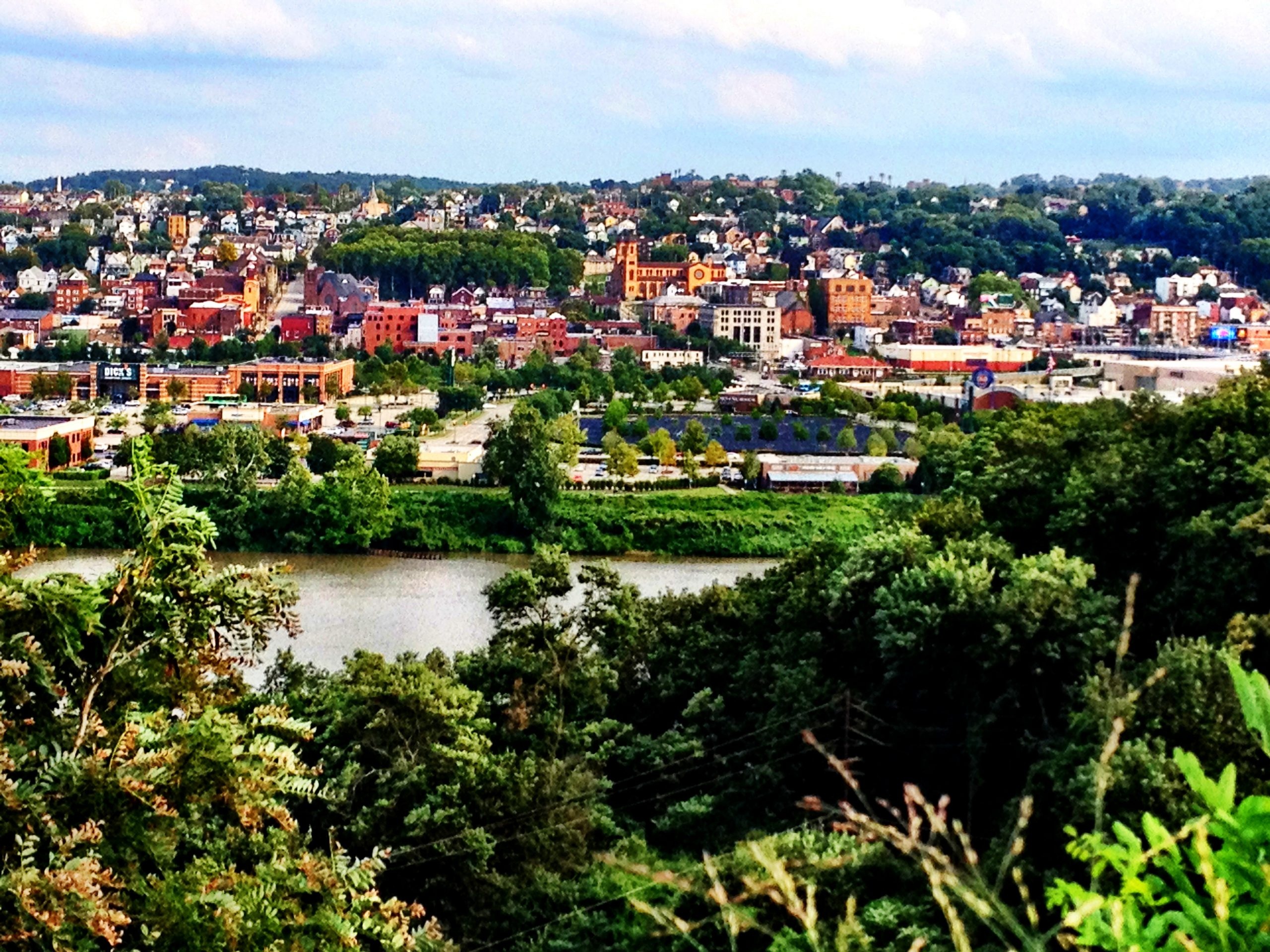
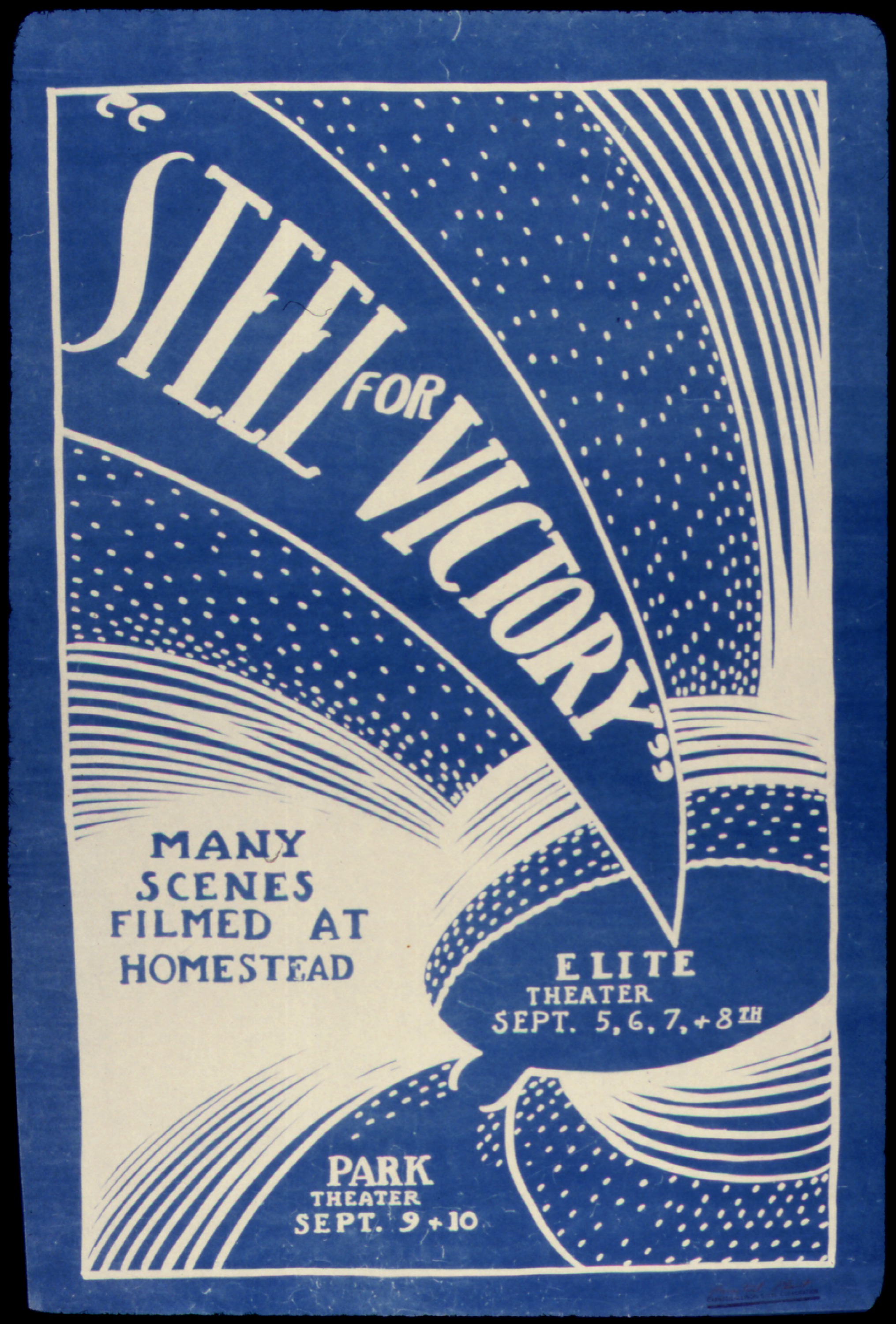
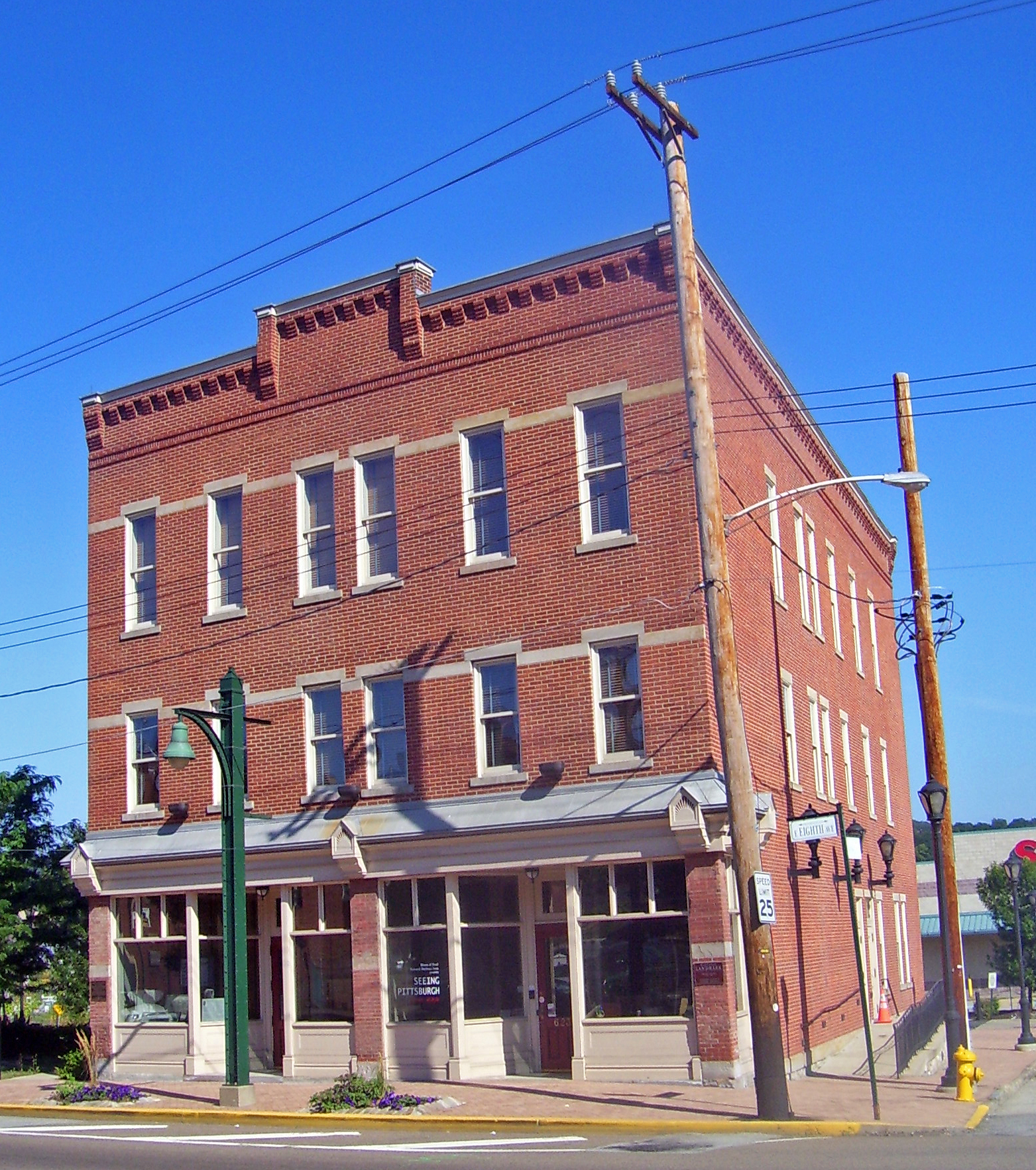
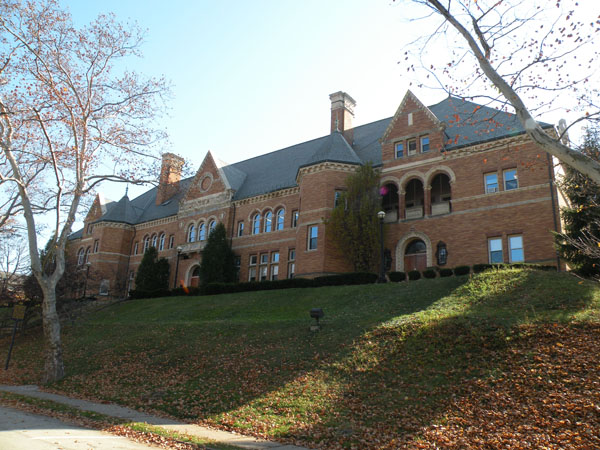
Homestead is a small borough in Allegheny County, Pennsylvania, set along the Monongahela River just southeast of Pittsburgh. With a population of roughly 3,000 residents, the community carries the heavy industrial heritage of the once-massive Homestead Steel Works while reinventing itself as a compact riverside hub of shopping, dining, and entertainment. It is best remembered as the site of the famous 1892 Homestead Strike, one of the most consequential labor disputes in American history, and it now serves as a gateway to the South Hills neighborhoods and the broader Pittsburgh region. Homestead sits approximately six miles southeast of downtown Pittsburgh, linked to the city by the Homestead Grays Bridge and a steady flow of riverfront trails.
A short walk from most of the borough, the Waterfront anchors daily activity with a mix of national retailers, restaurants, a multiplex cinema, and riverfront walkways. The development transformed the lower edges of the old steel mill footprint into an open-air town center, and it remains a natural gathering point for visitors who want a relaxed shopping-and-dining stop before heading into Pittsburgh proper. Because it sits within the borough, guests at a Homestead rental can reach it on foot in minutes, which makes it especially convenient for travelers without a car.
Just down the road in neighboring West Mifflin, Kennywood is one of the country's oldest operating amusement parks, dating to 1898. The park blends classic wooden coasters with modern thrill rides and a nostalgic midway that has earned it a place on the National Register of Historic Places. It lies only about three miles from central Homestead, a quick drive that makes it a recurring family favorite for short-term guests.
A few miles upriver in Swissvale and Rankin, Carrie Furnace preserves a striking piece of American industrial history. The two surviving blast furnaces of the old Homestead Steel Works still stand along the river, and guided tours walk visitors through the rusting iron giants and surrounding workers' communities. It is roughly a ten-minute drive from most of Homestead and offers a perspective on the region that most Pittsburgh visitors never see.
Families with children often make the short trip to Sandcastle Waterpark in West Homestead, a seasonal waterpark with slides, a wave pool, and a lazy river set right on the Monongahela. It is essentially adjacent to Homestead, making it an easy add-on for warm-weather stays.
Homestead works as a short-term rental base because it offers genuine Pittsburgh accessibility without the downtown price tag, pairing riverfront trails, walkable shopping, and quick drives to iconic regional attractions like Kennywood and the Carrie Furnace. For travelers who want Steel City energy with a quieter, more local neighborhood feel, it strikes an appealing balance.
Want to know if a property in Homestead is a good investment?
Enter an address to get instant revenue potential and comps.