
Happy Valley, Oregon
Want to see how Happy Valley compares to other top cities in Oregon? Explore all city regulations in Oregon. →
Happy Valley, OR
Challenging To Investors
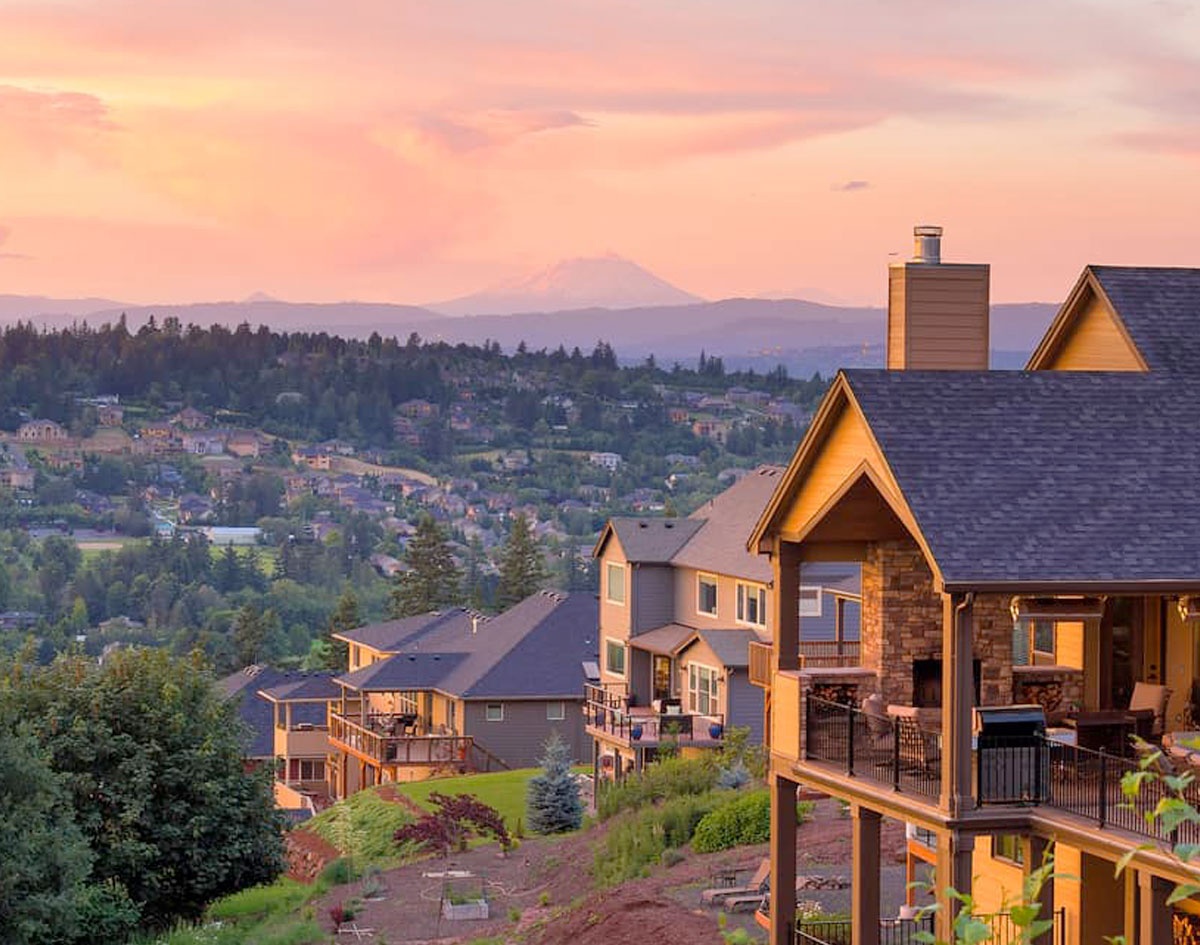
STR Regulations for Happy Valley, Oregon
Short-Term Rental Investment Guide: Happy Valley, Oregon
Overview: Are Short-Term Rentals Allowed in Happy Valley, OR?
Status: CONDITIONALLY ALLOWED (PENDING REGULATION DEVELOPMENT)
Short-term rentals are not explicitly prohibited in Happy Valley, OR, but they exist in a regulatory gray area. The Clackamas County Zoning Ordinance does not clearly allow short-term or vacation rentals in unincorporated areas. However, due to growing interest and existing STR activity, Clackamas County is actively developing regulations for this land use in unincorporated areas, with Happy Valley potentially falling under these future regulations.
Important Note: Since Happy Valley is an incorporated city within Clackamas County, specific city ordinances may take precedence over county regulations once developed. No specific Happy Valley STR regulations were found in the provided content.
What do Airbnb hosts actually earn in Happy Valley?
Happy Valley hosts earn a median $35,449/year with $239 ADR and 74% occupancy.
Top performers pull in $53,746+ per year.
See the full Happy Valley market breakdownHow to Start a Short-Term Rental Business in This Market
Phase 1: Current Situation (As of Available Content)
- Assess Legal Status: Contact both Happy Valley city planning and Clackamas County planning departments to confirm current regulatory status
- Zoning Verification: Confirm your property's zoning allows short-term rental use
- Insurance Review: Ensure your homeowner's or landlord's insurance covers short-term rental activity
Phase 2: When Regulations Are Implemented (Anticipated)
- Attend Public Meetings: Clackamas County held multiple public meetings in May-June 2019 to gather community input on STR regulations
- Monitor Regulatory Updates: Stay informed about developing county regulations
- Prepare for Compliance: Once regulations are finalized, ensure full compliance with all requirements
Required Documents, Permits, Licenses, and Guidelines
Current Requirements (Pending Regulation Development)
Based on the regulatory discussion documents, potential requirements may include:
Business Licensing
- Business License: Likely required for STR operation
- Tax Registration: Required for income tax and self-employment tax purposes
- Lodging/Hotel Tax Registration: County-level lodging tax compliance
Safety and Compliance
- Building Safety Compliance:
- Smoke detectors in each sleeping room
- Carbon monoxide detectors
- Fire extinguisher in kitchen
- Safe railings on decks, exterior windows
- Emergency Planning: Emergency evacuation plans and diagrams
- Garbage Service Documentation: Proof of garbage pick-up service or rental agency coordination
Operational Documentation
- Guest Rules and Regulations: Written house rules addressing noise, parking, behavior
- Contact Information: Local property manager contact for complaint resolution
- Neighborhood Notification: Notice to adjacent property owners with contact information
Specific Regulations for Short-Term Rentals
Clackamas County (Unincorporated Areas)
Current Status: Regulations under development based on community input from 2019 public meetings.
Proposed Regulatory Framework (subject to final adoption):
Geographic Allowances
- Unincorporated County-wide: Proposed to allow throughout unincorporated Clackamas County in all zoning districts
- Mt. Hood Resort Areas: Specifically mentioned as appropriate for STRs due to existing tourist destination status
- Property Type Limitations:
- Only one STR allowed per lot (due to ADU owner-occupancy requirements)
- May include apartments and condominiums with owner authorization
- Property owner authorization required for all STR operations
Operational Standards
Occupancy Limits:
- Maximum 2-3 persons per bedroom
- To be finalized based on safety and neighborhood impact considerations
Rental Frequency:
- Proposed annual rental day limits to minimize neighborhood disruption
- Different limits may apply for different areas (particularly Mt. Hood regions)
Parking Requirements:
- Off-street parking required
- Proposed standards: 1 space per bedroom or fixed number of spaces
- Illegal parking in right-of-way enforced by Sheriff's Office
Noise and Nuisance Controls:
- Required "quiet hours" based on county noise ordinance
- Mandatory neighborhood contact information for complaint resolution
- Sheriff's Office enforcement of noise violations
Waste Management:
- Mandatory garbage pickup service (through hauler or rental agency)
- Covered garbage receptacle requirements
- Weekly garbage removal during rental periods
Safety Requirements
- Fire Safety Equipment: Smoke detectors, CO detectors, fire extinguisher
- Building Safety Features: Bedroom windows, safe deck railings
- Inspection Process: Self-reporting affidavit system proposed
Happy Valley City Regulations
Status: No specific city regulations identified in provided content. City may adopt own ordinances or defer to county regulations.
Oregon State Regulations
Current State: Oregon does not have comprehensive statewide short-term rental regulations. Local municipalities have primary regulatory authority.
Contact Information
Clackamas County Planning Department
Primary Contact:
- Name: Martha Fritzie
- Phone: 503-742-4529
- Email: mfritzie@clackamas.us
- Website: www.clackamas.us/planning/str
Happy Valley City Planning
Note: Specific contact information not available in provided content. Contact city hall for current planning department information.
Additional Resources
- Clackamas County STR Planning Page: www.clackamas.us/planning/str
- Public Meeting Information: Available through county planning department
- Online Comment Survey: Available at www.clackamas.us/planning/str
Important Timeline and Events
Past Public Engagement
2019 Public Meeting Schedule (Historical):
- May 7, 7 p.m. - Boring Fire Station, 28655 SE Highway 212, Boring (Boring CPO)
- May 18, 10:30 a.m. - Mt. Hood Oregon Resort Trees Room, 68010 E. Fairway Ave., Welches (Rhododendron CPO)
- May 20, 6:30 p.m. - Development Services Building Room 115, 150 Beavercreek Road, Oregon City (County-hosted)
- May 22, 7 p.m. - Beavercreek Grange Hall, 22041 S. Kamrath Road, Oregon City (Beavercreek Hamlet)
- May 28, 7 p.m. - Gladstone Church of the Nazarene, 4180 SE Jennings Ave., Milwaukie (Jennings Lodge CPO)
- June 3, 7 p.m. - Clackamas Fire District Station 5, 9339 SE Causey Ave., Happy Valley (Sunnyside/West Mt. Scott CPO)
- June 11, 7 p.m. - Stafford Primary School, 19875 SW Stafford Road, West Linn (Stafford Hamlet)
Investment Recommendations
For Current Investors
- Monitor Development: Stay informed about evolving Clackamas County regulations
- Legal Compliance: Ensure current operations comply with all applicable zoning and safety codes
- Insurance Verification: Confirm coverage for STR activities
- Documentation: Maintain thorough records of all rental activities and compliance measures
For Potential Investors
- Due Diligence: Verify current zoning and regulatory status before purchase
- Location Considerations: Properties near Mt. Hood resort areas may have different regulatory considerations
- Professional Consultation: Engage local real estate and legal professionals familiar with Clackamas County regulations
Links to Source Pages
Disclaimer: This guide is based on available information as of the content provision date. Short-term rental regulations are evolving rapidly, and investors should verify current requirements with local authorities before making investment decisions.
Next step
Found a property in Happy Valley?
Paste any address and get estimated revenue, cash-on-cash return, and comparable STR performance in under 5 minutes. 3 free analyses per day.
Free brief
Get the free Happy Valley STR Investment Brief
Revenue data, top neighborhoods, seasonal trends, and the key regulations for Happy Valley, Oregon in one email.
Happy Valley
Market Saturation Score
Photos of Happy Valley


Overview of Happy Valley
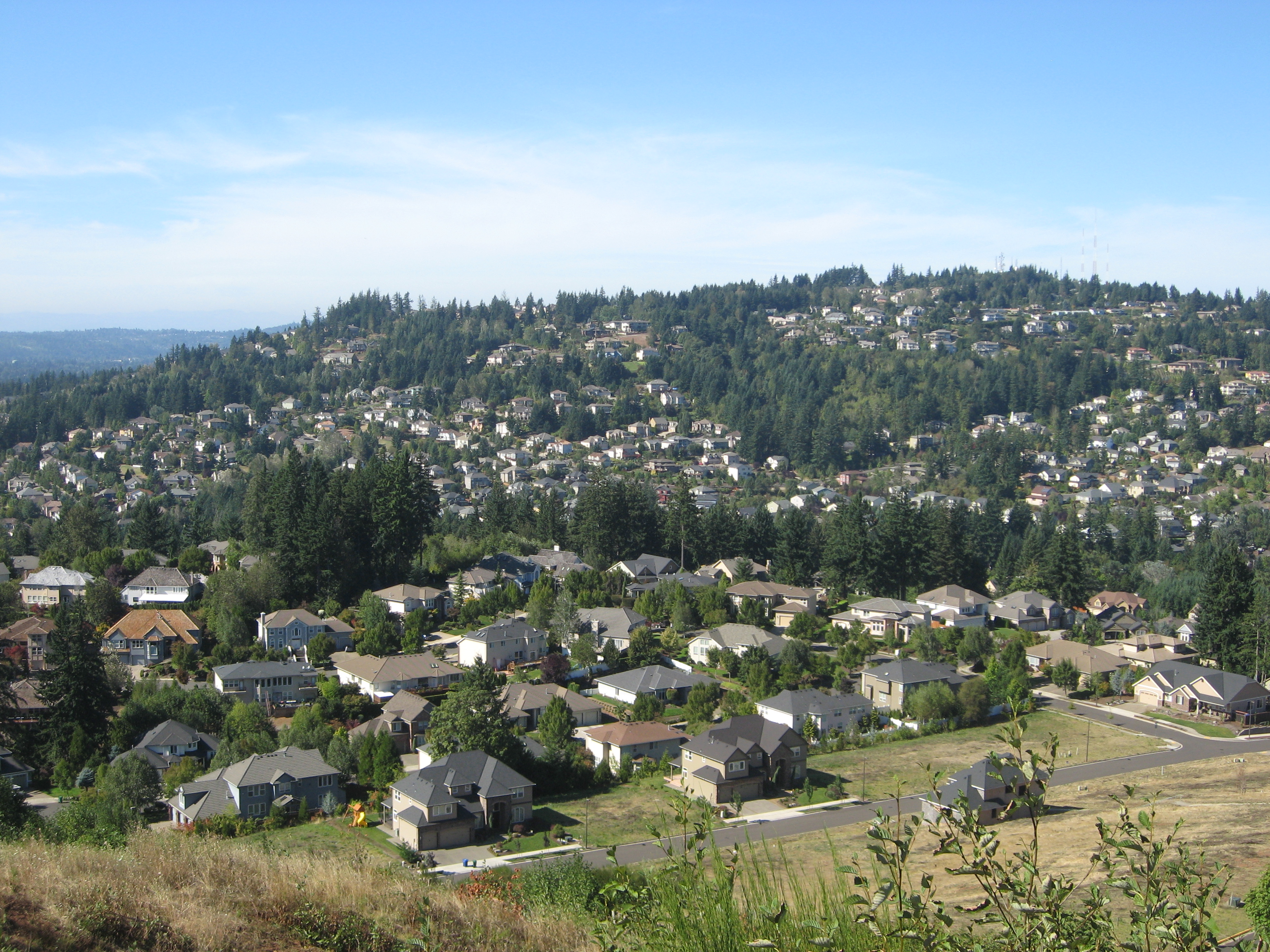
Happy Valley is a suburban city in Clackamas County, Oregon, perched on a plateau in the southeastern corner of the Portland metropolitan area. With a population of approximately 27,000, it has grown rapidly over the past two decades, transforming from a quiet rural crossroads into one of the most consistently family-friendly suburbs in the region. The city is known for its tidy residential neighborhoods, well-maintained parks, and sweeping views of the Cascade Range, including a clear sightline to Mount Hood on many days. It serves as a convenient base for travelers who want to combine a Portland visit with day trips into the Oregon high country, and it sits roughly 12 to 15 miles southeast of downtown Portland along Interstate 205 and Highway 212.
One of the city's most popular natural features is Mount Talbert Nature Park, a 215-acre protected area managed by Oregon Metro. The park offers about 4.5 miles of forested trails that climb to the top of a small extinct volcanic butte, with rewarding views of the surrounding valley. From most points in Happy Valley, the trailheads are only a few minutes away by car, making it an easy morning hike for visitors based in the area.
Just a short drive to the northwest, Powell Butte Nature Park provides another excellent outdoor option. This 611-acre parkland in eastern Portland features more than nine miles of trails winding through meadows, forest, and wildflower-filled summit areas, along with a small summit that offers some of the broadest panoramas of the Cascade peaks available within the metro region. It is roughly 20 minutes from Happy Valley and appeals to cyclists, trail runners, and casual walkers alike.
Further afield, Mount Hood National Forest anchors the eastern horizon and draws many visitors who choose to stay in Happy Valley. The forest, which surrounds Oregon's tallest peak, offers year-round recreation including hiking at Timberline, wildflower viewing along the Huckleberry Climb, and winter skiing at several developed resorts. The main forest entrance along Highway 26 is approximately 65 miles east of the city, or roughly an hour and a half by car, making it realistic for a full day trip.
Happy Valley is a compelling base for short-term rentals because of its balance. Guests enjoy a quieter, residential setting with quick access to Portland's dining, breweries, and cultural attractions, while also being well-positioned for outdoor adventures in every direction. This combination of suburban comfort, strong parks, and proximity to both the city and the mountains gives the area broad year-round appeal.
Want to know if a property in Happy Valley is a good investment?
Enter an address to get instant revenue potential and comps.