
Sapulpa, Oklahoma
Want to see how Sapulpa compares to other top cities in Oklahoma? Explore all city regulations in Oklahoma. →
Sapulpa, OK
Generally Investor Friendly
STR Regulations for Sapulpa, Oklahoma
Overview and Explicit Answer
- Are STRs allowed in Sapulpa?
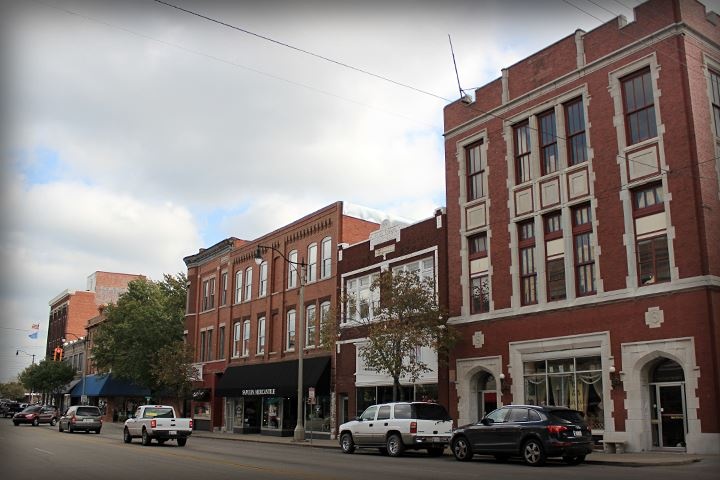
- Yes. Short‑term rentals, including bed and breakfasts, are permitted in Sapulpa’s Downtown Design Code area but only with a Specific Use Permit (SUP). The use is listed as “S” across all three Downtown Subareas (SA‑1, SA‑2, SA‑3).
- Outside the Downtown Design Code boundaries, STRs are controlled by the city’s general zoning ordinance. At minimum, verify that STRs (often treated like transient lodging/hotel uses) are allowed on your parcel and obtain any required city permits. Because the provided sources do not include the general zoning text, investors should assume the Downtown SUP requirement applies within the Downtown district and confirm with the city for properties outside that area.
Note: “Downtown Design Code boundaries” and subareas are mapped in the Downtown Regulating Plan included in the City’s downtown code document.
How to Start a STR Business in This Market
- Confirm zoning eligibility
- Determine whether your property lies within the Downtown Design Code boundaries. If it does, short‑term rentals require an SUP in all subareas (SA‑1, SA‑2, SA‑3). If outside the district, consult the city zoning code to confirm permissible uses and permitting requirements for transient lodging/STRs.
- Engage early with city staff
- Schedule a pre‑application meeting with the Downtown Code Administrator in the Sapulpa Urban Development Department to review procedures, applicable standards, and completeness requirements.
- Prepare the SUP application package
- Submit a complete application to the Downtown Code Administrator. Include site plans, building elevations, and other materials sufficient to demonstrate conformance with the Downtown Code and all applicable technical codes.
- Historic Preservation Commission (HPC) review (if applicable)
- Per the Downtown Code’s approval process:
- Projects meeting all standards can be approved administratively by the Downtown Code Administrator.
- The Historic Preservation Commission reviews applications that require major modifications and all new construction projects (even if meeting code requirements).
- For STRs in existing buildings, HPC involvement depends on the scope of work (rehabilitation, additions, alterations). For new STR construction, HPC review is mandatory.
- Final approval and conditions
- Final action is based strictly on compliance with the Downtown Code and other applicable technical requirements. If denied, the city will specify noncompliant provisions; resubmit a revised application as needed.
- Post‑approval operational readiness
- If operating a live‑work unit type STR, secure an occupational tax certificate (city business tax certificate) as required by the Downtown Code.
- Verify parking, signage, screening, and other operational standards are met per Downtown Code (see Regulations section).
Required Documents, Permits, Licenses, and Guidelines
- Specific Use Permit (SUP)
- Application to the Downtown Code Administrator.
- Must demonstrate compliance with the Downtown Design Code.
- Historic Preservation Commission review for major modifications and all new construction; administrative approvals possible if fully compliant.
- Downtown Design Code & Standards compliance
- Submittals include site plan, building elevations, and evidence sufficient to show conformance.
- The Downtown Code Administrator confirms completeness before formal review.
- Review extends to applicable city departments and external agencies as needed.
- Occupational tax certificate
- Required for live‑work unit operations and any business activity; obtain before operating the STR.
- State lodging and taxes (confirm exact requirements with the Oklahoma Tax Commission)
- Sales tax registration/permit for transient lodging.
- Hotel/Motel tax registration/permit (if applicable at state level).
- Monthly/quarterly filing and remittance of sales and lodging taxes.
- General city permits (as applicable)
- Building permits for any construction, alteration, or change of use.
- Signage permits if installing or modifying signs (Downtown Code signage restrictions apply).
- Fire and life safety inspections.
- Property standards
- Compliance with building, fire, and life safety codes for transient occupancy.
Specific Regulations for STRs (Downtown, City, County, State) Downtown Design Code (within the Downtown district)
- Permitted status: STRs (including bed and breakfast) are a “Specific Use” in SA‑1, SA‑2, and SA‑3—SUP required.
- Use and building form: STRs may operate within building types permitted in each subarea (e.g., mixed‑use, multi‑family upper‑story residential, live‑work). In Subarea 1, multi‑family is allowed only as part of a larger mixed‑use development or redevelopment; upper‑story residential conversions in existing buildings are not subject to parking requirements.
- Parking:
- Subarea 1: no minimum parking requirements.
- Subareas 2 & 3: Chapter 10 of the Sapulpa Zoning Code governs minimum parking; mixed‑use projects may qualify for a 20% reduction.
- No off‑street parking is allowed between a building front and the street; surface parking must be located behind buildings or to the side with screening.
- Signage:
- Prohibited: internally illuminated signs (except neon), electronic message boards, moving/video signs, internally illuminated awnings, monopole/pylon signs, flashing illuminated signs.
- Subarea 1: ground signs are prohibited; neon signs are permitted.
- Subarea 2 & 3: ground signs not allowed between the building and the street; roof signs prohibited in Subarea 2, limited height in Subarea 1 & 3.
- Window painting (temporary) limited to 30‑day permits, max two per six months per site.
- Screening and dumping:
- Screening required for parking, equipment, and dumpsters; dumpsters must be on a concrete pad and screened on three sides with compatible materials.
- Historic Preservation:
- Work in the local historic district is subject to the Secretary of the Interior’s Standards for Historic Properties, focusing on preservation and rehabilitation.
- The Historic Preservation Commission oversees approvals for major modifications and all new construction; standards emphasize repair over replacement, compatibility of materials, and visibility of rooftop equipment.
- Review path:
- Pre‑application meeting, completeness determination, administrative approval if fully compliant, HPC review otherwise, final determination by the Downtown Code Administrator.
Creek County
- Provided sources do not include county‑specific STR regulations. Investors should confirm with Creek County for any supplemental requirements.
State of Oklahoma
- Provided sources do not include state‑wide STR statutes; consult the Oklahoma Tax Commission for lodging/sales tax registrations and the Oklahoma Legislature/statutes for any state‑level STR rules.
Contact Information (Local Authority in Charge of STRs in Downtown)
- Sapulpa Urban Development Department
- Downtown Code Administrator (administering the Downtown Design Code)
- Office: Sapulpa City Hall
- Phone: (918) 224‑0180
- Website: www.sapulpaok.gov/ (Departments > Urban Development)
- Mailing Address:
- City of Sapulpa – Urban Development Department
- P.O. Box 1130
- Sapulpa, OK 74067
- Historic Preservation Commission (reviewing body for major modifications/new construction)
- Coordinated through the Urban Development Department; contact the Downtown Code Administrator to confirm meeting schedule and submittal process.
Links to Source Pages (provided content)
- City of Sapulpa Downtown Code and Standards (final draft, 2‑23‑23):
- U.S. Secretary of the Interior’s Standards (general information):
- Secretary of the Interior’s Standards & Guidelines (2017):
- Historic Tax Credit Rehabilitation Standards:
Operational Checklist for Investors
- Confirm the parcel’s zoning and subarea; SUP is required for STRs in all Downtown subareas.
- Schedule a pre‑application meeting with the Downtown Code Administrator.
- Prepare SUP application with site plan, elevations, and supporting materials demonstrating Downtown Code compliance.
- If proposing new construction or major modifications, anticipate Historic Preservation Commission review.
- Secure any required occupational tax certificate and state lodging/sales tax registrations.
- Comply with Downtown Code requirements for parking, signage, screening, materials, pedestrian access, and fenestration.
- Maintain compliance with building, fire, and life safety codes for transient occupancy.
Key Takeaway
- Short‑term rentals are allowed in Sapulpa’s Downtown district only with a Specific Use Permit, with an administrative approval pathway available for fully compliant proposals and HPC review for new construction or major changes. Outside the Downtown district, investors must verify local zoning and city permitting requirements for transient lodging/STRs.
What do Airbnb hosts actually earn in Sapulpa?
Sapulpa hosts earn a median $24,814/year with $147 ADR and 54% occupancy.
Top performers pull in $29,195+ per year.
See the full Sapulpa market breakdownNext step
Found a property in Sapulpa?
Paste any address and get estimated revenue, cash-on-cash return, and comparable STR performance in under 5 minutes. 3 free analyses per day.
Free brief
Get the free Sapulpa STR Investment Brief
Revenue data, top neighborhoods, seasonal trends, and the key regulations for Sapulpa, Oklahoma in one email.
Sapulpa
Market Saturation Score
Photos of Sapulpa


Overview of Sapulpa
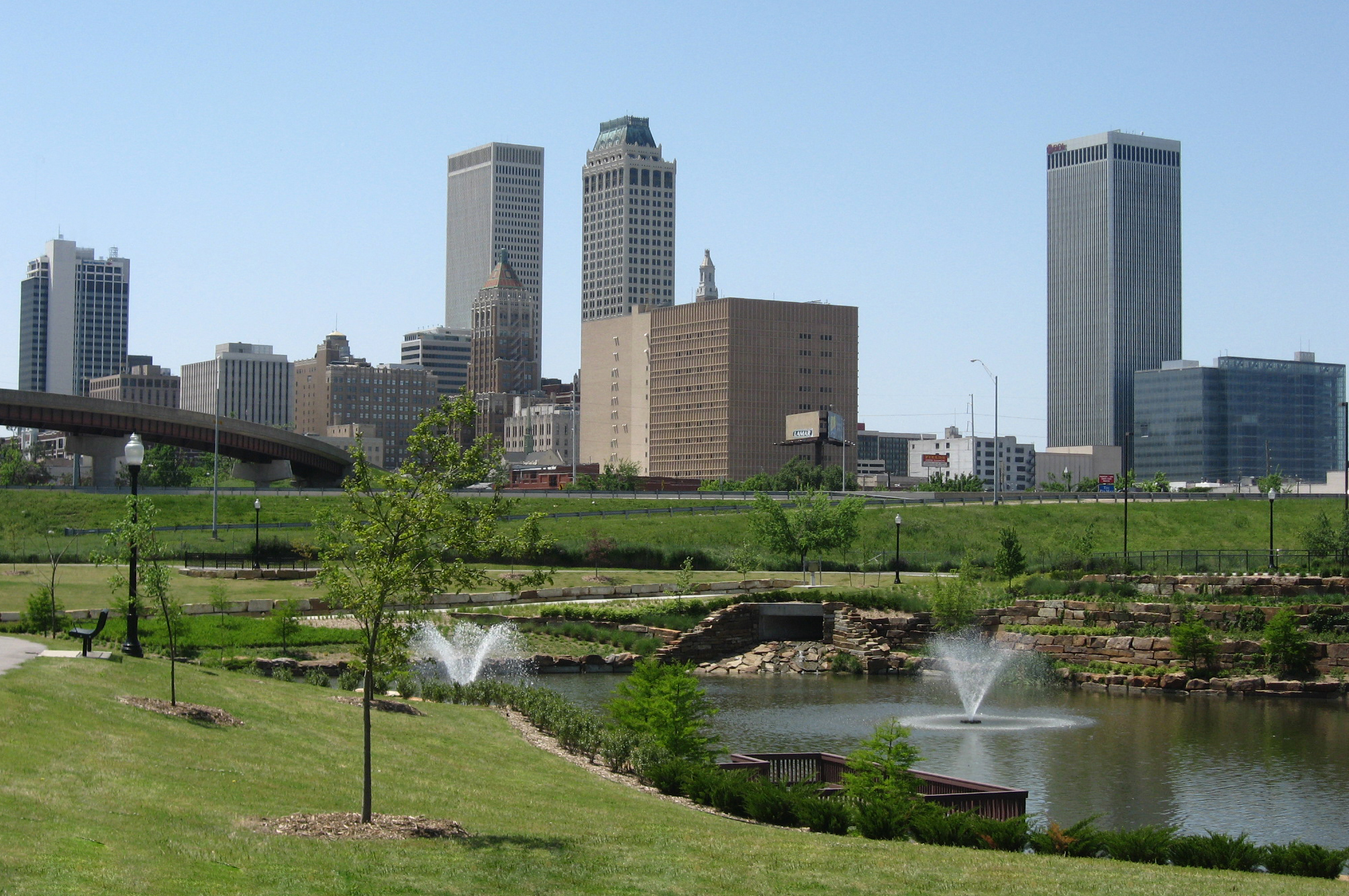
Sapulpa is a small city in Creek County, Oklahoma, with a population of roughly 22,000 residents. Situated along the original alignment of historic Route 66, the city sits about 15 miles southwest of Tulsa, giving visitors easy access to the amenities of a major metro area while keeping the feel of a quieter, working-class small town. Sapulpa has deep roots in Creek (Muscogee) Nation history and is well known for its early-20th-century brick-manufacturing industry, having once been called the "Brick Capital of the World" for the concentration of kilns and brickyards that operated in and around town. Its compact brick-paved streets, oil-era heritage, and position on the Mother Road give the city a layered character with strong ties to Oklahoma's industrial and transportation past.
A visit to Sapulpa often begins along the Route 66 corridor that runs directly through the downtown area. The stretch includes vintage motels, mid-century storefronts, and the Heart of Route 66 Auto Museum, which displays a rotating collection of classic cars and road-trip memorabilia. The museum is within easy walking distance of the historic main drag and is typically a quick, free stop for travelers driving the old highway between Oklahoma City and Tulsa. The Route 66 experience here is less polished than the more heavily promoted sections in neighboring cities, which gives it an authentic, lived-in feel that appeals to road-trippers and Americana enthusiasts.
A complementary stop is the Sapulpa Historical Museum, housed in a restored brick building downtown. The museum documents the city's development from its founding through its oil-boom heyday, with exhibits on Creek Nation heritage, brick manufacturing, and everyday life along Route 66. It pairs naturally with the auto museum for guests interested in piecing together the local story.
Just west of Sapulpa, Keystone Lake offers a change of pace with boating, fishing, and shoreline camping on a large reservoir managed by the U.S. Army Corps of Engineers. The lake's sandy beaches and multiple public access points are roughly a 20- to 30-minute drive from downtown, making it a convenient day trip for visitors who want water recreation without venturing to a more developed resort area.
Sapulpa's appeal as a short-term rental base lies in this combination of small-town character, Route 66 nostalgia, and proximity to the broader Tulsa region. Guests can spend a morning exploring historic brick streets and local museums, then drive less than half an hour into Tulsa for larger draws like the Gathering Place riverfront park, before returning to a quieter, more affordable base at the end of the day. For travelers who value authenticity over polish, that balance is exactly the draw.
Want to know if a property in Sapulpa is a good investment?
Enter an address to get instant revenue potential and comps.