
Salem, Ohio
Want to see how Salem compares to other top cities in Ohio? Explore all city regulations in Ohio. →
Salem, OH
Challenging To Investors
STR Regulations for Salem, Ohio
Executive overview
- Salem, Ohio operates under Salem Township zoning (unincorporated Warren County). The short answer: short‑term rentals are permitted, but only if they align with the zoning district and use‑specific standards, and only after required approvals. “Vacation rentals” are expressly recognized in the zoning code; bed‑and‑breakfast operations are separately regulated as a commercial use and are not permitted in single‑family districts.
- Before listing, investors must: (1) confirm the zoning district allows the intended use (residential vs. commercial), (2) secure the appropriate approvals (e.g., zoning permit, conditional use, site plan review, and building permits), and (3) comply with Ohio state and local tax/administrative requirements.
1) Is a Short-Term Rental Allowed in Salem, Ohio?
Yes, STRs can operate in Salem Township (unincorporated Warren County) if:
- The use is allowed in the subject zoning district (e.g., a “Vacation Rental” in a multiple‑family residential district; or a Bed & Breakfast in a commercial/mixed‑use district with a conditional use approval), and
- All use‑specific and general zoning standards are met, and
- The required permits and inspections are obtained.
Key zoning touchpoints:
- Vacation rentals: Listed as a residential use (Section 3.203.7 — Vacation Rentals), with use‑specific standards in Section 3.203.
- Bed and Breakfast: Classified as a commercial use (Section 3.206.5) and is not permitted in single‑family districts.
- Administrative framework: Zoning permits (Section 1.302), site plan review (Section 1.303), conditional use process (Section 1.304), and Board of Zoning Appeals (BZA) role (Section 1.205).
- Zoning Map and permitted uses by district: See Section 2.205 (Table of Permitted Uses by Zoning District).
Practical implication: STRs in single‑family zones typically must meet residential “Vacation Rental” standards; B&B‑style operations are not permitted in single‑family districts.
What do Airbnb hosts actually earn in Salem?
Salem hosts earn a median $24,817/year with $167 ADR and 53% occupancy.
Top performers pull in $36,943+ per year.
See the full Salem market breakdown2) How to Start a Short-Term Rental Business in This Market
Step‑by‑step path to compliance
- Confirm zoning eligibility
- Determine the parcel’s zoning district (Section 2.205; map in Section 2.102).
- Identify the permitted status of your intended use:
- Vacation Rental: See Section 3.203.7 (standards) and Section 2.205 (permitted by district).
- Bed & Breakfast: See Section 3.206.5 (standards) and Section 2.205 (permitted by district).
- Assemble the required applications
- Zoning permit application (Section 1.302.2) and fee (Section 1.312).
- Site plan review (Section 1.303) when required by district or use.
- Conditional use application (Section 1.304) if the table indicates “C” for your use in that district.
- Building and life‑safety permits as applicable (fire/safety compliance is typically tied to the building department).
- Meet use‑specific standards
- For Vacation Rentals (Section 3.203.7): review occupancy, parking, buffers, and any limitations tied to residential districts.
- For Bed & Breakfast (Section 3.206.5): confirm standards for commercial districts; expect conditions such as owner‑occupancy, room limits, and parking.
- Submit, obtain approvals, and schedule inspections
- Zoning Inspector reviews and issues zoning permits (Sections 1.302–1.303).
- BZA conducts public hearings for conditional uses and variances (Sections 1.205, 1.304, 1.307).
- Building permits and inspections are obtained to ensure fire, safety, and code compliance.
- Ongoing compliance
- Maintain records of all permits and approvals.
- Monitor any covenants, homeowner association (HOA) rules, and local contracts that may also govern STR operations.
- Comply with Ohio state and local tax obligations.
3) Required Documents, Permits, Licenses, and Guidelines
Local permits and approvals (Salem Township)
- Zoning Permit Application
- Scope: All principal, accessory, and temporary use structures unless otherwise exempt (Section 1.302.1).
- Content: Application form, fee (Section 1.312), and full site plan including:
- Parcel ID, zoning district, legal description, site dimensions.
- Existing and proposed structures with dimensions, setbacks, height, stories.
- Dwelling unit details (number, living space, bedrooms).
- Sewage disposal certification or plan.
- Vehicle access, parking, and traffic circulation.
- Landscaping, screening, signage, and lighting.
- Applicant signature attesting to accuracy and acknowledging permit expiration and revocation provisions (Section 1.302.2).
- Site Plan Review
- Applicability: Uses marked “S” in the Table of Permitted Uses (Section 2.205), certain commercial/industrial uses, and PUD Stage 2 (Sections 1.303.1, 2.501–2.509).
- Minimum submittal standards are detailed in Section 1.303.3.
- Conditional Use Application
- Applicability: Uses marked “C” in the Table of Permitted Uses (Section 2.205).
- Process: Public hearing before BZA; approval criteria in Section 1.304.6.
- Variance (if needed)
- When literal enforcement would cause unnecessary hardship (Section 1.307.2–1.307.6).
- BZA Appeals
- For alleged errors in Zoning Inspector orders or determinations (Section 1.310).
- Building and Life‑Safety Permits/Inspections
- Required to verify compliance with building, fire, and safety codes.
- Fees
- Per Section 1.312; consult the Zoning Inspector for current fee schedules (not specified in the provided document).
State of Ohio requirements (apply to all Ohio STR hosts)
- Transient Occupancy Tax (lodging tax): Hosts must register with the Ohio Department of Taxation and collect/remit lodging taxes as required by state law.
- Business registration and income reporting: STR income is generally subject to Ohio income tax; consult tax advisors for compliance specifics.
- Licensing/permits: Some Ohio municipalities (e.g., Columbus, Cleveland, Cincinnati) require city‑specific STR permits; state legislation pending (House Bill 563) aims to limit outright bans and certain regulatory restrictions on STRs by local governments. Local zoning (as with Salem Township) continues to control where and how STRs can operate.
4) Specific Regulations — City/Township, County, and State
Township (Salem Township — unincorporated Warren County)
- Zoning authority and administration: Per ORC Chapter 519 and Sections 1.101–1.103; enforcement via Zoning Inspector, BZA, Zoning Commission, and Board of Trustees (Sections 1.201–1.206, 1.301–1.313).
- Vacation Rentals: Recognized residential use with use‑specific standards (Section 3.203.7). Permitted districts are governed by Section 2.205; review the district table and map.
- Bed & Breakfast: Commercial use (Section 3.206.5); not permitted in single‑family districts. Typically requires a conditional use in commercial/mixed‑use zones (check Section 2.205).
- Procedures:
- Zoning permit (Section 1.302).
- Site plan review when required (Section 1.303).
- Conditional use (Section 1.304).
- Variance (Section 1.307) and appeals (Section 1.310).
- Non‑conformities and enforcement (Sections 1.308–1.309; violations/penalties).
- Other overlays/requirements:
- Ground Water Protection Overlay (Section 2.601).
- Stream Protection Guidelines (Section 2.602).
- Parking, landscaping, lighting, and signage standards (Articles 3.3–3.6).
- Local contracts/HOAs: Hosts must also review and comply with any applicable leases, CC&Rs, or HOA rules.
County
- Salem Township zoning applies to unincorporated areas of Warren County. Incorporated municipalities (if any) within Salem city limits have their own zoning; the provided materials do not include municipal STR rules for the City of Salem.
State (Ohio)
- ORC Chapter 519 empowers township zoning.
- State lodging tax administration: Register with the Ohio Department of Taxation to collect/remit lodging taxes.
- House Bill 563 (pending/evolving): Would limit local governments’ ability to ban STRs or impose certain restrictions; hosts should verify current status before relying on this provision.
- Municipal exceptions: Columbus, Cleveland, and Cincinnati impose city‑specific STR permits and inspections—relevant for assets inside those city limits, not for Salem Township.
5) Local Authority Contacts (Salem Township, Warren County)
Contact the Zoning Inspector for zoning determinations, permit applications, and fee schedules.
- Salem Township Zoning Department
- Address: Salem Township, Warren County, Ohio (office location per township records)
- Email: Not provided in the materials
- Phone: Not provided in the materials
- Office hours: Not provided in the materials
Contact the Zoning Inspector to request:
- Confirmation of zoning district and permitted use status (Vacation Rental vs. Bed & Breakfast).
- Zoning permit application forms and current fee schedule (Section 1.312).
- Conditional use/variance criteria and hearing schedules (Sections 1.304–1.307).
- Site plan submittal requirements (Section 1.303.3) and PUD procedures (Sections 2.501–2.509).
6) Source Pages (Primary Local and State Materials)
- Salem Township Zoning Code (effective March 22, 2022)
- Official text and map: www.salemtownship-warrencounty.com/media/departments/zoning/Salem%20Township%20Zoning%20Code%203-22-2022.pdf
- Ohio STR overview (Steadily blog, Jan 31, 2024): www.steadily.com/blog/airbnb-short-term-rental-laws-and-regulations-in-ohio
Important notes for investors
- Always start with the district’s Table of Permitted Uses (Section 2.205) and verify use‑specific standards in Article 3.2 before proceeding.
- If a use is not expressly listed, the Zoning Inspector determines whether it may be treated as a permitted or conditional use (Section 2.203).
- Because zoning and tax rules evolve, confirm current fees, timelines, and state/local tax obligations directly with the Salem Township Zoning Inspector and the Ohio Department of Taxation.
Next step
Found a property in Salem?
Paste any address and get estimated revenue, cash-on-cash return, and comparable STR performance in under 5 minutes. 3 free analyses per day.
Free brief
Get the free Salem STR Investment Brief
Revenue data, top neighborhoods, seasonal trends, and the key regulations for Salem, Ohio in one email.
Salem
Market Saturation Score
Photos of Salem


Overview of Salem
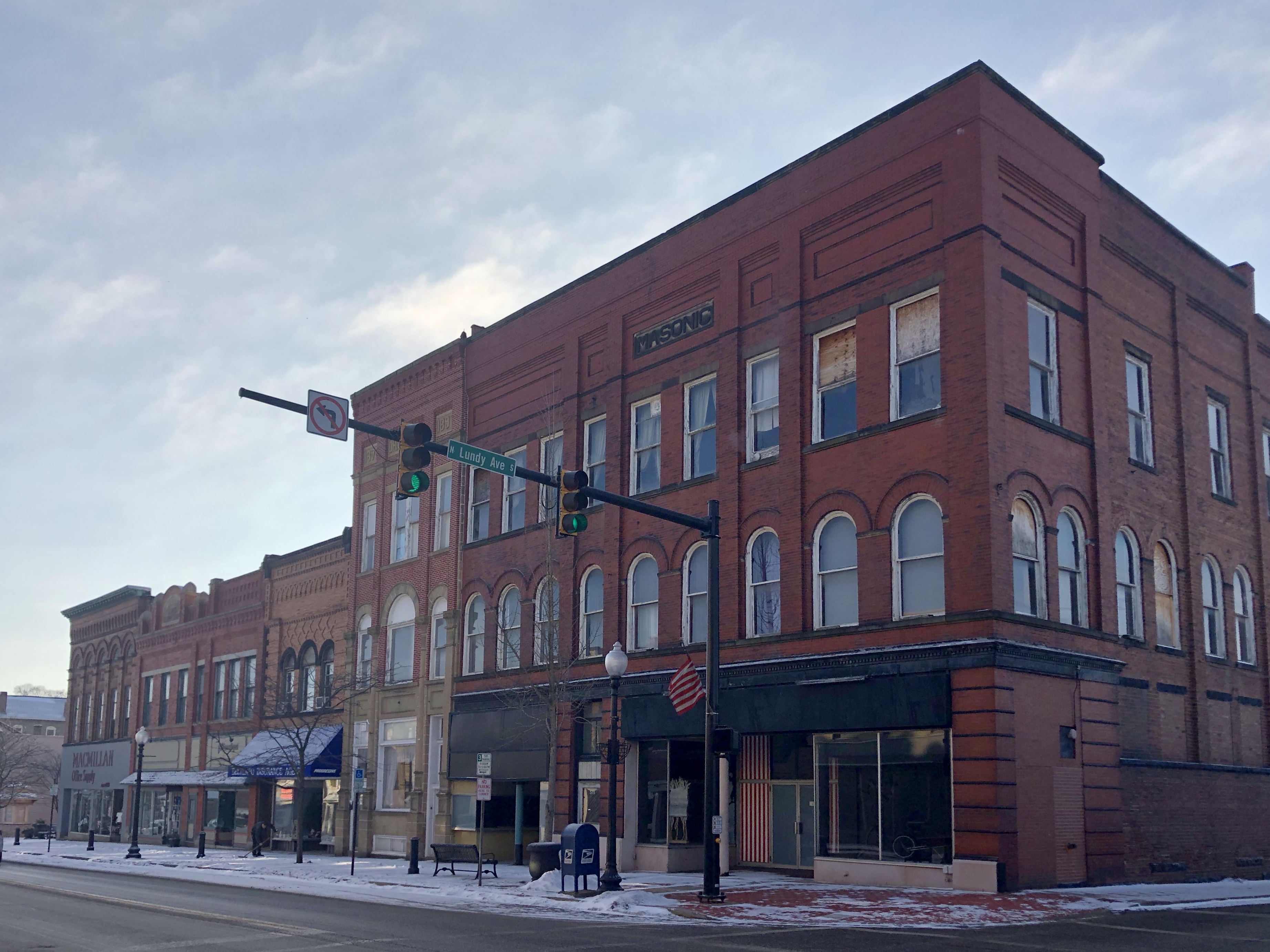
Salem is a small, traditionally rooted city in Columbiana County in eastern Ohio, with a population of roughly 12,000 residents. The community has the feel of a Midwestern county seat, organized around a tidy downtown square lined with locally owned shops, historic brick buildings, and the public green that anchors community events. It sits in the rolling hills that mark the western edge of Appalachia, an area prized for its small-town pace, autumn foliage, and easy access to both rural landscapes and the broader amenities of northeastern Ohio and western Pennsylvania. Salem is located about 25 miles southwest of Youngstown and roughly 60 miles southeast of Cleveland, making it a quiet base from which travelers can reach larger cities while still enjoying a slower, more pastoral setting. The city is perhaps best known locally for its well-preserved historic district and its long association with the surrounding agricultural and industrial heritage of the Ohio Valley.
A short walk through downtown Salem offers a glimpse of the city's 19th-century roots, with century-old commercial buildings, the historic Salem Public Library, and a compact main square that hosts seasonal festivals and farmers markets. The district reflects the prosperity the town enjoyed during the era of canal and rail trade, and it remains a focal point for community life.
About 35 miles to the west, near Canton, the Pro Football Hall of Fame draws visitors interested in the history of American football. The museum and its adjoining Hall of Fame Village host exhibits, events, and the annual Enshrinement Weekend, making it a popular day trip for guests staying in the Salem area who want a major-league attraction within easy reach.
Outdoor recreation is never far away. Beaver Creek State Park, also in Columbiana County about 30 miles to the south, follows the curves of Little Beaver Creek and offers hiking, horseback riding, and a pioneer village that interprets the area's early settlement. Closer in, Guilford Lake, roughly 15 miles southeast, provides fishing, boating, and quiet shoreline camping that appeals to travelers seeking a low-key outdoor experience. Together, these nearby parks give short-term-rental guests a mix of rugged, scenic escapes and gentle lakeside outings.
Salem's blend of small-town character, historic architecture, and convenient access to northeastern Ohio's larger draws gives it a quiet but genuine appeal as a short-term-rental market. Visitors who want a peaceful home base with day-trip access to a major sports museum, multiple state parks, and both Cleveland and Pittsburgh within roughly an hour's drive will find the city a comfortable and versatile launching point for exploring the region.
Want to know if a property in Salem is a good investment?
Enter an address to get instant revenue potential and comps.