
Norwalk, Ohio
Want to see how Norwalk compares to other top cities in Ohio? Explore all city regulations in Ohio. →
Norwalk, OH
Very Investor Friendly
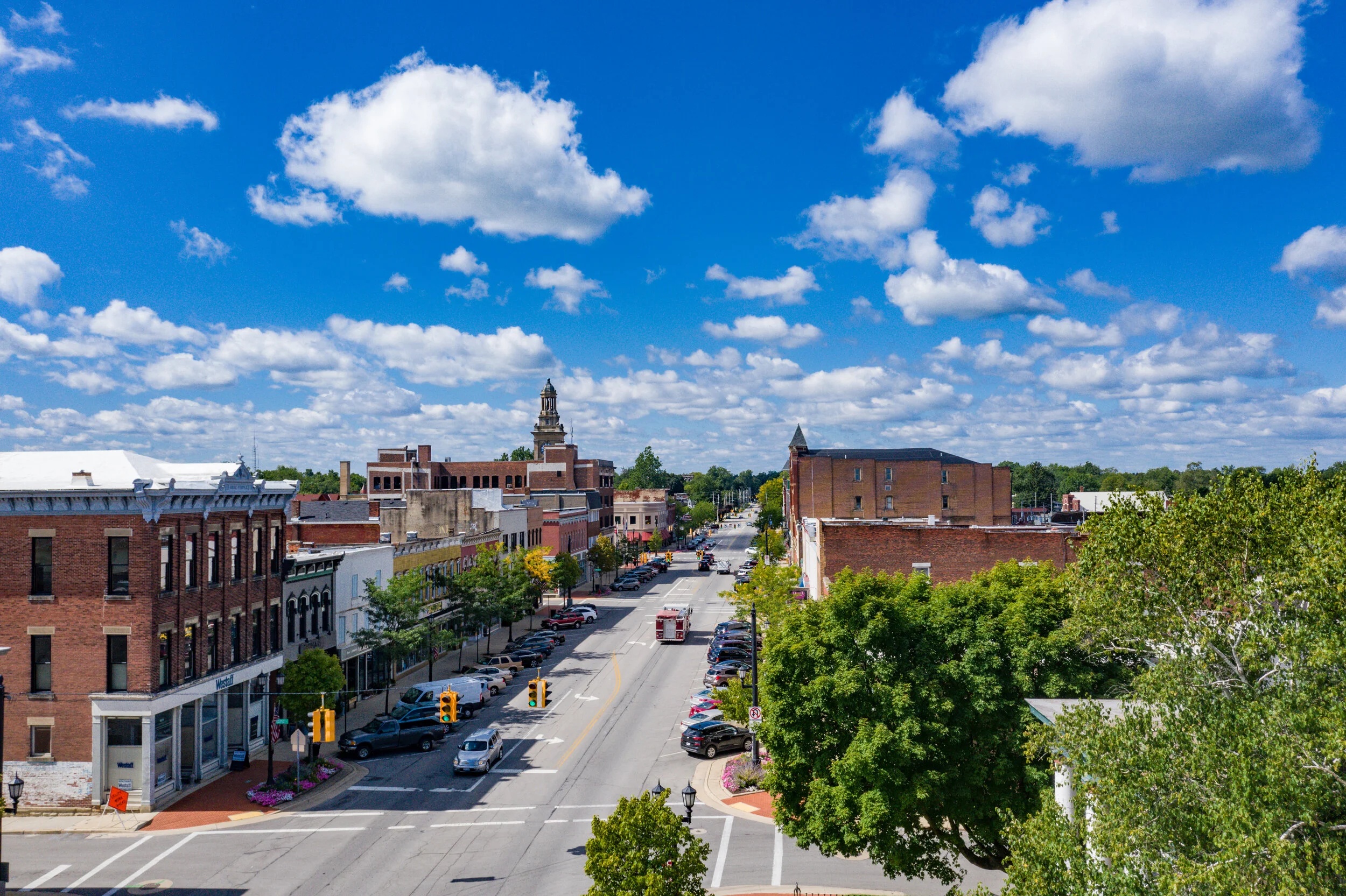
STR Regulations for Norwalk, Ohio
Note: The information below uses only the provided source content. No URLs have been fetched.
Overview: Are short-term rentals allowed in Norwalk, OH?
Yes. Short-term rentals appear to be allowed in Norwalk, Ohio. Based on the available sources, there is no city‑specific license or permit requirement identified for STRs in Norwalk, and the city does not have an active STR ban or a defined transient‑occupancy licensing regime in these materials. That said, Ohio’s framework is locally driven: the state does not require a statewide STR license; requirements are set by local jurisdictions. In the absence of a local ordinance that prohibits or restricts STRs, renting a dwelling for fewer than 30 days is generally permissible, subject to ordinary compliance duties (taxes, safety, zoning, and neighborhood standards). Investors should continue to monitor Norwalk’s planning, zoning, and legislative activity because Ohio municipalities can update their rules, and neighboring jurisdictions have opened permit processes for transient rentals.
What do Airbnb hosts actually earn in Norwalk?
Norwalk hosts earn a median $28,644/year with $178 ADR and 51% occupancy.
Top performers pull in $34,272+ per year.
See the full Norwalk market breakdownHow to start a short-term rental business in this market
-
Choose a compliant property use
- Confirm that the property’s zoning allows short‑term lodging (e.g., residential use, and, if applicable, that it can function as short‑term accommodation without triggering a change of use). If the property is part of a homeowners’ association, review covenants and rules for rental restrictions (no HOA records are included in the provided materials; consult your HOA).
- Identify whether the rental will be entire‑home or a room‑in‑a‑home. The degree of owner presence can affect perceived “establishment” status (e.g., bed‑and‑breakfast versus personal STR).
-
Set up tax administration
- Register with the Ohio Department of Taxation if you will collect and remit Ohio state sales tax and any lodging taxes personally (as opposed to relying on a platform to collect and remit).
- If you form a legal business entity (e.g., an LLC), register it with the Ohio Secretary of State. This can aid liability protection and tax administration.
- Understand municipal income tax obligations for rental income:
- Norwalk levies a 1.5% municipal income tax on income earned or received in the city (the 2015 ordinance updates the code to reflect ORC Chapter 718).
- If you receive net profit from renting real estate located in Norwalk, that net profit is subject to the city’s income tax. If you are a Norwalk resident, your entire municipal taxable income is subject to the tax.
- Apportionment/sourcing rules apply for businesses with activities inside and outside Norwalk. If you perform property management or other STR‑related services in Norwalk, or if your rental business is conducted in Norwalk, your income may have a taxable situs in the city.
- The RITA ordinance clarifies definitions, exemptions, withholding, filing, and assessment processes; see that document for detailed rules on municipal income tax.
- Collect and remit state sales tax on lodging (Ohio’s state sales tax is 5.75%), plus any local sales/lodging taxes that apply. When in doubt, verify local lodging taxes and filing obligations with the Ohio Department of Taxation.
-
Choose platforms and tax handling
- Platforms such as Airbnb or Vrbo often handle lodging tax collection/remittance. If you opt out of platform‑handled taxes, you must register and file directly.
-
Develop operations and compliance protocols
- Establish guest screening, occupancy limits, quiet hours, parking, and waste management practices consistent with local standards.
- Maintain records for taxes: nightly rates, fees, guest charges, dates of stay, and remittance calculations.
Required documents, permits, licenses, and guidelines
-
Permits and licenses (based on provided sources)
- No city‑specific STR permit or license is identified in the materials for Norwalk, OH.
- No inspection or registration requirement specific to STRs is identified in the sources.
- As always, confirm with the City of Norwalk that no zoning or licensing action has been introduced since the sources were published.
-
Taxes (based on provided sources)
- State sales/lodging tax:
- Ohio’s state sales tax rate is 5.75% and generally applies to short‑term lodging unless your platform handles collection for you.
- Local lodging or additional sales taxes may apply; confirm current rates with the Ohio Department of Taxation.
- Municipal income tax:
- Norwalk’s municipal income tax rate is 1.5%. Net profit from rental activities situated in Norwalk is taxable; residents are taxed on their worldwide municipal taxable income subject to Norwalk’s rules.
- Exemptions and definitions are set in Norwalk’s municipal income tax code; see the RITA document for specifics.
- Business entity and registrations:
- If you form an LLC or other entity, register it with the Ohio Secretary of State.
- If you are collecting/remitting taxes directly, register with the Ohio Department of Taxation.
- State sales/lodging tax:
-
Additional guidance
- Health and safety: While no inspection requirement is identified in the sources for STRs in Norwalk, maintain standard safety practices (smoke/CO detectors, egress plans, and adequate occupancy).
- Zoning and building use: Confirm your property’s zoning allows transient lodging. The provided sources do not indicate that STRs are prohibited or specifically regulated by zoning in Norwalk.
Specific regulations for short-term rentals (city, county, state)
-
State of Ohio (based on provided sources)
- No statewide STR license. Licensing and operational rules are local.
- State sales tax rate: 5.75% on lodging; platform may collect.
- Local lodging taxes may apply in addition to state tax; verify with the state.
-
City of Norwalk, Ohio (based on provided sources)
- No identified city‑specific STR license or ban. The materials do not include a zoning ordinance that defines, permits, or prohibits STRs.
- Municipal income tax: 1.5% rate; applies to income earned or received in the city. The city’s RITA ordinance incorporates ORC Chapter 718 requirements and defines income, net profit, apportionment, withholding, filing, and assessment processes.
- Other local rules: Parking, noise, and occupancy policies may apply indirectly through general municipal codes, even if not STR‑specific in these sources.
-
Huron County (based on provided sources)
- The provided sources do not include county‑level STR regulations. County rules are typically limited to health and safety, not zoning or licensing.
-
Important note on updates
- Columbus, Cleveland, and other Ohio jurisdictions have adopted or explored STR permit rules and inspections. Norwalk’s rules may evolve; confirm with local officials.
Contact information (local authority in charge of STRs)
Because the provided sources do not include current department names or emails for Norwalk, OH, investors should direct inquiries to the City of Norwalk using the city’s published phone line and request the office that handles planning/zoning (for whether a zoning permit is needed for transient lodging) and the finance/tax administrator (for municipal income tax questions). If you are a Huron County property owner, you may also contact the county health department for any health‑related requirements that may apply to lodging.
- City of Norwalk, Ohio (general)
- Phone: 419‑625‑5500 (City Hall/Main number; use for routing to Planning/Zoning or the Tax Administrator)
- Website: www.ci.norwalk.oh.us/ (for agendas, ordinances, and contact forms; verify current contacts)
Note: The phone number and website are identified in the provided Sandusky Register source as City of Norwalk contact information. Confirm that the routing department and current staff assignments match your needs (planning/zoning versus taxation).
Links to source pages (IMPORTANT)
- RedAwning article on Ohio STR regulations and tax obligations:
- TheHour (Norwalk, CT) article discussing the distinction between Airbnbs and bed‑and‑breakfasts (contextual; not Norwalk, OH):
- Sandusky Register news article providing City of Norwalk, Ohio phone number and website:
- City of Norwalk, Ohio Municipal Income Tax Ordinance (RITA) incorporating ORC Chapter 718 (effective 2016):
Practical compliance checklist for Norwalk, Ohio (based on provided sources)
- Confirm zoning allows transient lodging; no STR ban or license was found in the provided materials.
- Register with the Ohio Department of Taxation if collecting/remitting state sales/lodging taxes yourself.
- Register your entity (if any) with the Ohio Secretary of State.
- Track and remit Norwalk municipal income tax (1.5%) on net profit attributable to Norwalk; residents report worldwide municipal taxable income per RITA.
- Verify whether platforms are collecting lodging taxes; if not, collect and remit directly.
- Maintain guest records, nightly rates, fees, and remittance documentation.
- Monitor the City of Norwalk website and any council/commission agendas for zoning or permit updates.
- Confirm county health requirements, if any.
This guide is current as of the provided sources. Because local ordinances can change, investors should verify the latest rules with the City of Norwalk before acquiring or launching a short‑term rental.
Next step
Found a property in Norwalk?
Paste any address and get estimated revenue, cash-on-cash return, and comparable STR performance in under 5 minutes. 3 free analyses per day.
Free brief
Get the free Norwalk STR Investment Brief
Revenue data, top neighborhoods, seasonal trends, and the key regulations for Norwalk, Ohio in one email.
Norwalk
Market Saturation Score
Photos of Norwalk


Overview of Norwalk
Norwalk is a small city in north-central Ohio that serves as the county seat of Huron County, with a population of approximately 17,000 to 18,000 residents. It sits roughly fifty miles west of Cleveland along US Route 20, placing it in a strategic position for travelers exploring the Lake Erie region of northern Ohio. The city carries a classic Midwestern character, anchored by a walkable historic downtown, tree-lined residential streets, and a steady calendar of community events. Norwalk often functions as a quiet, affordable base for visitors drawn to the Lake Erie shoreline, the islands offshore, and the larger amusement destinations clustered around Sandusky to the north.
Just a few minutes south of the city lies the village of Milan, Ohio, the boyhood hometown of Thomas Edison and one of the most visited historical destinations in the region. The Thomas Edison Birthplace Museum preserves the modest house where the inventor was born in 1847, and the surrounding area includes additional historic homes and a charming small-town main street. Together, these sites offer an easy and educational side trip within about a fifteen-minute drive of Norwalk and pair well with the broader Huron County scenic byway.
About a half hour north of Norwalk, the Lake Erie shoreline opens up with the city of Sandusky and Cedar Point, one of the most celebrated amusement parks in the country and longtime home to record-breaking roller coasters. Beyond the park, the Sandusky waterfront also serves as the departure point for ferries to Put-in-Bay on South Bass Island and to Kelleys Island, both popular summer destinations known for waterfront dining, bike rentals, and small-town resort atmosphere. The Lake Erie coast itself, lined with state parks, lighthouses, and harbor towns such as Huron and Vermilion, extends along the northern edge of the region and is easily reached from Norwalk.
Closer to home, the city itself features a preserved historic downtown with locally owned shops and restaurants, and the surrounding county is known for its agricultural roots and rolling farmland. Outdoor enthusiasts appreciate the North Coast Inland Trail, a multi-use rail-trail that passes through the area and links to a broader regional network of paved and gravel paths suited to biking, walking, and in winter, cross-country skiing. The annual Huron County Fair, held at the county fairgrounds, brings a week of livestock shows, midway rides, and concerts each August.
For short-term rental investors, Norwalk offers an appealing combination of small-city affordability, geographic convenience, and proximity to some of Ohio's biggest tourism draws. Guests who stay here can enjoy a quieter, more residential setting than the busy resort towns, while remaining within easy driving distance of Cedar Point, the Lake Erie Islands, Edison's birthplace, and the broader shoreline. The city's location along a major east-west corridor, its walkable downtown, and a steady year of regional events make it well suited to families, road-trippers, and seasonal visitors looking for a relaxed home base in northern Ohio.
Want to know if a property in Norwalk is a good investment?
Enter an address to get instant revenue potential and comps.