
Mount Vernon, Ohio
Want to see how Mount Vernon compares to other top cities in Ohio? Explore all city regulations in Ohio. →
Mount Vernon, OH
Challenging To Investors
STR Regulations for Mount Vernon, Ohio
Overview: Whether short‑term rentals are allowed in Mount Vernon, OH
- Current status: The content you provided does not show a city‑level short‑term rental (STR) ordinance or permitting regime specifically for Mount Vernon. As a result, Mount Vernon does not appear to have adopted city‑specific STR rules at this time.
- Practical implication: In the absence of a Mount Vernon STR ordinance, STRs are generally permissible if they comply with underlying zoning (residential vs. commercial), building and fire safety codes, and any covenants/private restrictions applicable to the property (e.g., HOA rules).
- Regional context: Within Knox County, Gambier (a separate village) does regulate STRs and permits them only for resident owners; Apple Valley (a large subdivision) has covenants and ongoing litigation that constrain or may restrict STRs depending on the section and court outcomes. Investors should confirm neighborhood‑level restrictions before purchasing or listing.
How to start a short‑term rental business in this market
- Confirm zoning and property restrictions
- Verify the property’s zoning with Mount Vernon Planning or the Knox County Regional Planning Commission (RPC). Confirm whether STR use is allowed “by right,” as a conditional use, or is prohibited.
- Review any HOA covenants, recorded restrictions, or neighborhood bylaws that govern leasing. In Apple Valley and similar subdivisions, covenants can restrict or prohibit short‑term leasing even if zoning is permissive.
- Comply with baseline safety and habitability standards
- Ensure the dwelling meets applicable Ohio Residential Building Code requirements for safety, egress, smoke/CO alarms, and sanitation.
- Follow Knox Public Health guidance if on‑site sewage systems or well water are present (e.g., adequate setbacks, maintenance). The RPC minutes reference Ohio Department of Agriculture (ODA) rules for manure management near residences—while not an STR topic, it underscores the county’s scrutiny of on‑site systems and neighbor impacts. Verify any local well/septic constraints with Public Health.
- Obtain required approvals if needed
- If your parcel is in a zoning district that requires special or conditional use approval for an STR (or similar lodging use), apply through the appropriate body (city planning/zoning or, for unincorporated areas, the county).
- If your property is within Apple Valley or any subdivision, confirm whether covenants allow short‑term leases. In Apple Valley, the POA’s ability to impose STR limits has been litigated; owners must adhere to recorded covenants and any court‑approved rules.
- Prepare tax and fiscal compliance
- Register for an Ohio vendor’s license to collect and remit state sales tax and, if applicable, local lodging/tourism taxes.
- File appropriate IRS reporting forms (e.g., Form 1099‑K from platforms; Schedule E for federal income reporting). Platforms like Airbnb typically issue 1099‑Ks automatically when applicable.
- Insurance and liability
- Secure appropriate property and liability coverage for transient rentals; disclose the nature of the use to your insurer and confirm coverage for commercial activity.
- Neighbor‑friendly operations
- Screen tenants thoroughly; set quiet hours; provide contact information for on‑site or local managers; limit occupancy to posted limits; and maintain trash/recycling schedules to mitigate neighborhood impacts.
Required documents, permits, licenses, and guidelines
- City/County:
- Zoning confirmation letter or conditional use approval (if applicable) from Mount Vernon Planning or Knox County RPC.
- Building/fire life safety compliance verification for the dwelling unit.
- If an on‑site sewage system is present: septic permits/records and any maintenance records; Knox Public Health may require compliance reviews for system adequacy.
- Property owner proof (deed or recorded title) and property tax records.
- Fiscal/Registration:
- Ohio vendor’s license (for sales and lodging tax collection/remittance).
- IRS registrations/filings (e.g., 1099‑K reconciliation, Schedule E).
- Private restrictions:
- HOA/private covenant document and any POA rental forms or approvals (e.g., in Apple Valley).
Specific regulations (city, county, state)
- City of Mount Vernon:
- No specific STR ordinance or permit system is identified in the provided content. Absent a city STR rule, STRs are governed by general zoning, health/safety codes, and private covenants.
- Knox County/Region:
- County‑wide STR ordinance: none identified. Subdivision covenants can impose additional restrictions (e.g., Apple Valley).
- Gambier (within Knox County): STRs permitted only as a conditional use for resident owners who maintain their official residence in the village for at least 10 months/year. Existing non‑resident operators as of May 3, 2023 may continue only for the duration of their ownership if they met all code provisions, obtained conditional use within 120 days, and maintain annual filings and insurance; failure to do so can cause the conditional use to lapse.
- Apple Valley POA: Litigation addressed attempts to change bylaws to restrict STRs; owners must adhere to the recorded covenants and any court‑approved enforcement mechanisms.
- State of Ohio:
- Zoning and land use: Primarily local/municipal or township; state law does not generally pre‑empt local zoning for STRs. Hosts must comply with building code, sanitation (septic/well) regulations, and local health department rules.
- Tax: Ohio requires sales tax on transient lodging; hosts must register, collect, and remit applicable state sales tax and any local lodging taxes to the proper jurisdiction. Airbnb/VRBO typically collect and remit state/local taxes where required; however, the host is ultimately responsible for compliance.
Contacts (phone, email, website where available)
- City of Mount Vernon – Planning Department
- Phone: 740‑393‑9528
- Email: planning@mountvernonohio.org
- Website: cityofmountvernonohio.gov
- Mount Vernon City Council
- Phone: 740‑393‑9527
- Website: mountvernonohio.gov
- Knox County Regional Planning Commission (RPC)
- Address: 117 East High Street, Suite 221, Mount Vernon, OH 43050
- Phone: 740‑393‑6718
- Fax: 740‑393‑6705
- Email: knoxplanning@co.knox.oh.us
- Website: co.knox.oh.us (Regional Planning)
- Knox Public Health (environmental and septic/well issues)
- Phone: 740‑392‑2200 (general)
- Website: knoxhealthoh.gov
Sources
- Gambier STR rules and conditional use conditions: www.knoxpages.com/2023/05/03/gambier-council-passes-updated-zoning-code/
- Apple Valley POA litigation on STR restrictions and covenants: www.knoxpages.com/2024/06/12/judge-halts-vote-on-apple-valley-poa-bylaws-amendment/
- Judge ruling that Apple Valley STRs violate HOA covenants: www.dispatch.com/story/news/2025/08/26/knox-county-judge-apple-valley-lakefront-vacation-rentals-violate-homeowners-association-convevants/85759686007/
- RPC minutes (includes meeting details and contacts; references general planning/development context for county): co.knox.oh.us/wp-content/uploads/2023/12/RPC-2023-03-16.pdf
Important caveats
- This guide relies exclusively on the content you provided. City‑specific STR rules for Mount Vernon were not identified; the absence of a citation does not mean no rule exists, only that none was presented in the provided sources.
- Apple Valley and similar subdivisions often have covenants that supersede general zoning allowances; verify those documents before acquisition or listing.
- Always consult local authorities for current zoning, permitting, and tax requirements prior to listing.
What do Airbnb hosts actually earn in Mount Vernon?
Mount Vernon hosts earn a median $28,626/year with $222 ADR and 47% occupancy.
Top performers pull in $43,606+ per year.
See the full Mount Vernon market breakdownNext step
Found a property in Mount Vernon?
Paste any address and get estimated revenue, cash-on-cash return, and comparable STR performance in under 5 minutes. 3 free analyses per day.
Free brief
Get the free Mount Vernon STR Investment Brief
Revenue data, top neighborhoods, seasonal trends, and the key regulations for Mount Vernon, Ohio in one email.
Mount Vernon
Market Saturation Score
Photos of Mount Vernon


Overview of Mount Vernon
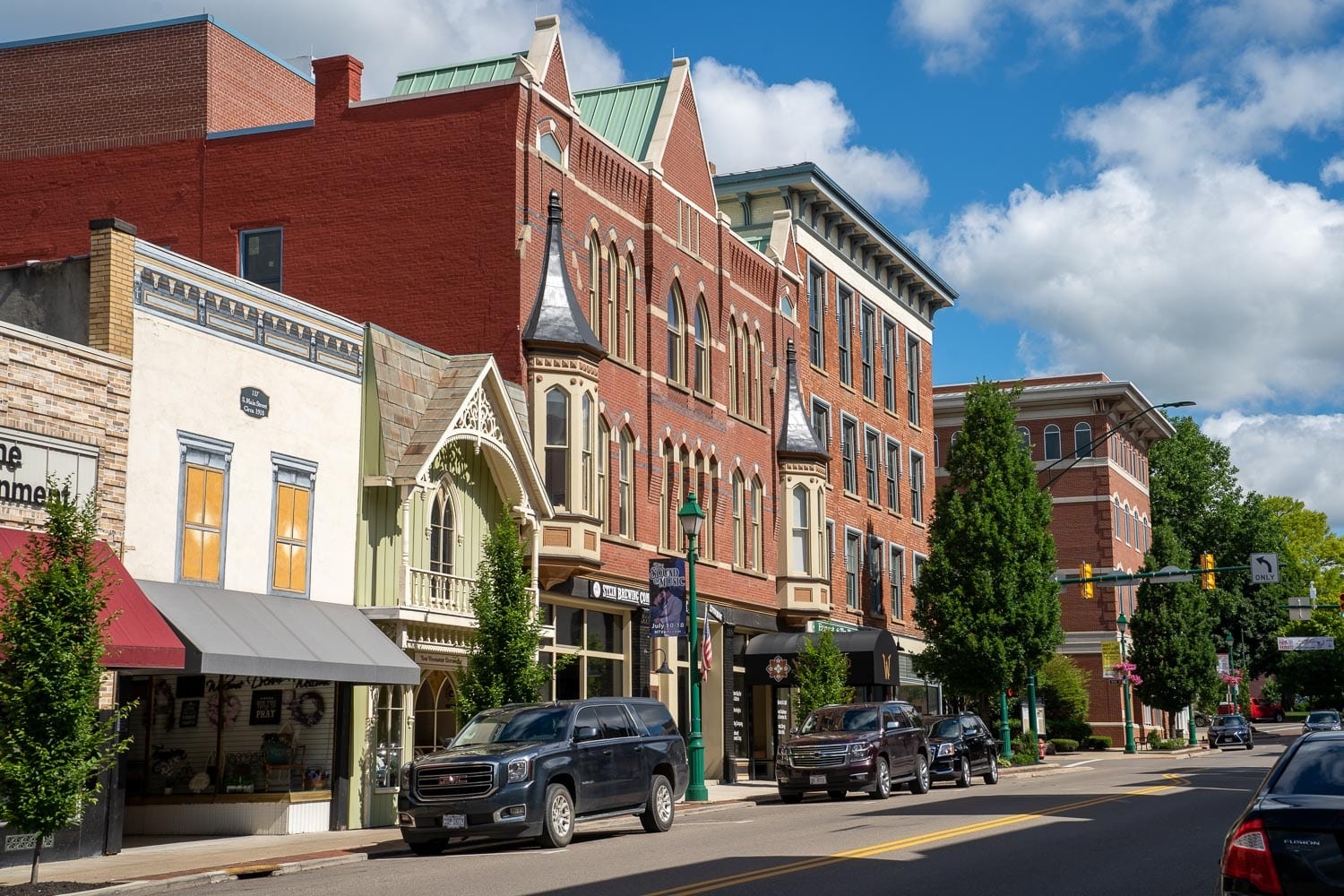
Mount Vernon is a small, welcoming city in central Ohio that serves as the county seat of Knox County. With a population of roughly seventeen thousand, it carries the unhurried charm of a traditional Midwestern county seat, organized around a stately historic Public Square and framed by the rolling farmland and woodlands of central Ohio. The city is best known as the home of nearby Kenyon College, one of the country's oldest and most distinguished liberal arts colleges, and as a relaxed base for visitors exploring the Amish country, covered bridges, and rural landscapes of the surrounding region. Mount Vernon sits about forty-five miles northeast of Columbus, the nearest major city, making it an easy drive from the capital while feeling like a world apart in pace and atmosphere.
Just minutes from the city center, Kenyon College anchors the adjacent village of Gambier and gives the area much of its cultural identity. The 1,000-acre wooded campus features the iconic Old Kenyon hall, the Kenyon College Art Gallery, and frequent lectures, concerts, and theater performances that are often open to the public. Visitors can stroll the campus grounds, catch a performance at the Gund Gallery or Bolton Theater, or simply enjoy one of the most picturesque college settings in the Midwest, all within a short drive of Mount Vernon's lodging options.
In the heart of the city, the Ariel-Foundation Park offers an unexpected escape on the site of the former Mount Vernon Bridge Company. The 250-acre park weaves together walking trails, wetlands, lakes, and gardens around preserved industrial structures, including the iconic smokestack that has become a regional landmark. It is a popular spot for picnics, photography, and easy outdoor recreation just minutes from downtown lodging.
Downtown Mount Vernon itself rewards a leisurely walk, with the historic Public Square lined by locally owned shops, cafés, and small restaurants housed in nineteenth-century buildings. The square regularly hosts farmers' markets, festivals, and community events that give visitors a feel for small-town Ohio life. Nearby, the Knox County Historical Society maintains exhibits on the region's past, including Daniel Decatur Emmett's legacy as the songwriter of "Dixie" and his connection to the local black brass band tradition.
For travelers seeking a short-term rental base that combines small-town character, outdoor recreation, and proximity to a respected college town, Mount Vernon offers a compelling mix. Its location about an hour from Columbus and within easy reach of the rolling hills, wineries, and covered bridges of the surrounding countryside makes it equally suited to weekend getaways, college visit trips, and longer rural retreats throughout the year.
Want to know if a property in Mount Vernon is a good investment?
Enter an address to get instant revenue potential and comps.