
Burlington, New Jersey
Want to see how Burlington compares to other top cities in New Jersey? Explore all city regulations in New Jersey. →
Burlington, NJ
Generally Investor Friendly
STR Regulations for Burlington, New Jersey
Therefore, the following guide will state what is known for Burlington, NJ and, where city-specific information is unavailable, rely on state-level regulations and examples from other New Jersey cities as referenced in the provided content.
A Comprehensive Guide to Short-Term Rentals in Burlington, New Jersey (NJ)
Overview: Are Short-Term Rentals Allowed in Burlington, NJ?
Yes, short-term rentals (STRs), including those on platforms like Airbnb and VRBO, are legal in the state of New Jersey. However, the provided content does not contain any specific regulations for the city of Burlington, NJ. This means there are no known city- or county-level ordinances in Burlington, NJ that have been identified in this search.
As a result, STR operators in Burlington, NJ must comply with state-level New Jersey laws and general regulations that apply statewide. The New Jersey Division of Taxation imposes a 9% New Jersey Sales and Use Tax on short-term rentals, which hosts are responsible for collecting and remitting. Additionally, hosts must adhere to standard health and safety codes. Before investing, it is strongly advised to contact the Burlington Township administration directly to confirm there are no local ordinances in place.
For context and examples of how other New Jersey cities regulate STRs, this guide will reference information from Jersey City, Newark, Atlantic City, and Asbury Park, as provided in the content.
How to Start a Short-Term Rental Business in Burlington, NJ
Given the lack of city-specific rules, the process in Burlington, NJ, is more generalized. Here is a step-by-step guide:
- Finalize Property Ownership or Lease: Ensure you have clear ownership or written permission from the property owner if you are a tenant.
- Confirm Zoning: Verify with the Burlington Township Zoning Office that the property is zoned for a short-term rental. Residential properties are typically allowed, but it's crucial to confirm.
- Prepare the Property: Ensure the property meets all state and local health and safety standards. This includes functional smoke detectors, carbon monoxide detectors, and secure egress routes. While not mandated in the provided content for NJ, installing these for safety and guest peace of mind is highly recommended.
- Set Up a Business Structure: Create a legal business entity (e.g., LLC) to operate your STR. This can provide liability protection and tax benefits.
- Obtain a New Jersey Tax ID: Register your business with the New Jersey Division of Taxation. You will need this to collect and remit the 9% sales tax.
- Secure Insurance: Obtain a comprehensive short-term rental insurance policy. Standard homeowner's or renter's insurance often excludes business-related activities. A specialized policy is essential to protect your investment and cover liability. The content notes that several NJ cities (like Jersey City and Newark) require a minimum of $500,000 in general liability insurance, which is a good benchmark.
- List Your Property: Create compelling listings on major STR platforms (Airbnb, VRBO, etc.).
- Collect and Remit Taxes: A key duty is to collect the 9% New Jersey Sales and Use Tax from guests and file regular tax returns with the state.
Required Documents, Permits, Licenses, and Guidelines
For Burlington, NJ specifically, the provided content does not list any required local permits or licenses beyond standard state requirements.
State-Level Requirements (Applicable to Burlington, NJ):
- New Jersey Business Registration: Register with the NJ Division of Taxation (NJ-REG).
- Sales Tax Permit: This is part of the business registration process. It authorizes you to collect sales tax.
- Liability Insurance: While not explicitly mandated by the provided state law, it is a critical best practice and is a requirement in many NJ cities.
Examples of City-Level Requirements (from other NJ cities in the provided content): To illustrate what you might encounter elsewhere, here is a summary from Jersey City, which has stringent regulations. These are not required in Burlington, NJ unless confirmed locally.
- STR Permit: An annual permit is required.
- Proof of Primary Residence: The host must provide documentation.
- Proof of Liability Insurance: Minimum coverage of $500,000.
- 24/7 Contact Agent: A local contact must be available at all times.
- Registration Fee: $250 annually.
Specific Regulations for Short-Term Rentals in New Jersey
The provided content does not detail a statewide NJ statute specifically for short-term rentals. Instead, it highlights that regulations are municipality-driven. The key statewide element is the 9% Sales and Use Tax.
For other specific regulations, one must look to individual city ordinances, as the state has granted municipalities the authority to regulate STRs. This is why cities like Jersey City and Asbury Park have their own detailed rules.
Contact Information for Local Authorities
For Burlington, NJ, contact the following offices directly to inquire about local regulations:
- Burlington Township Clerk's Office / Administrator's Office.
- Address: Burlington, NJ (specific address not provided in content; a general web search would be required).
- Phone: (A general web search would be required to find the current number).
Important State-Level Contact:
- New Jersey Division of Taxation: For tax registration and reporting.
- Website: nj.gov/treasury/taxation/
- Phone: (A general web search would be required for the tax hotline).
Links to Source Pages
The content used for this guide is from the following web pages. The primary article is about Burlington, Vermont, not New Jersey.
- Burlington Free Press (Burlington, VT STR Regulations): https://www.burlingtonfreepress.com/story/news/2022/07/01/burlington-airbnbs-new-short-term-rental-regulations-are-here-to-stay/65364328007/
- Hostaway Blog (NJ STR Rules and City Examples): https://www.hostaway.com/blog/airbnb-rules-in-new-jersey/
- Proper Insurance (State-by-State Regulations Map): https://www.proper.insure/regulations/page/4/
- Martone & Uhlmann Law Firm (NJ General Information): https://martonelaw.com/blog/f/short-term-rentals-in-nj-legal-challenges-for-airbnb-hosts
Conclusion
Operating a short-term rental in Burlington, NJ, requires adherence to New Jersey state tax laws (primarily the 9% sales tax) and general health and safety codes. There are no known local ordinances in the provided content.
Before proceeding with any investment, it is crucial to directly contact the Burlington Township offices to confirm the absence of local regulations. Following the example of cities like Jersey City, local ordinances can impose significant requirements, such as permits, proof of primary residence, and higher insurance limits. Always verify the current rules with the relevant local authority to ensure full compliance.
What do Airbnb hosts actually earn in Burlington?
Burlington hosts earn a median $26,615/year with $148 ADR and 71% occupancy.
Top performers pull in $35,984+ per year.
See the full Burlington market breakdownNext step
Found a property in Burlington?
Paste any address and get estimated revenue, cash-on-cash return, and comparable STR performance in under 5 minutes. 3 free analyses per day.
Free brief
Get the free Burlington STR Investment Brief
Revenue data, top neighborhoods, seasonal trends, and the key regulations for Burlington, New Jersey in one email.
Burlington
Market Saturation Score
Photos of Burlington


Overview of Burlington
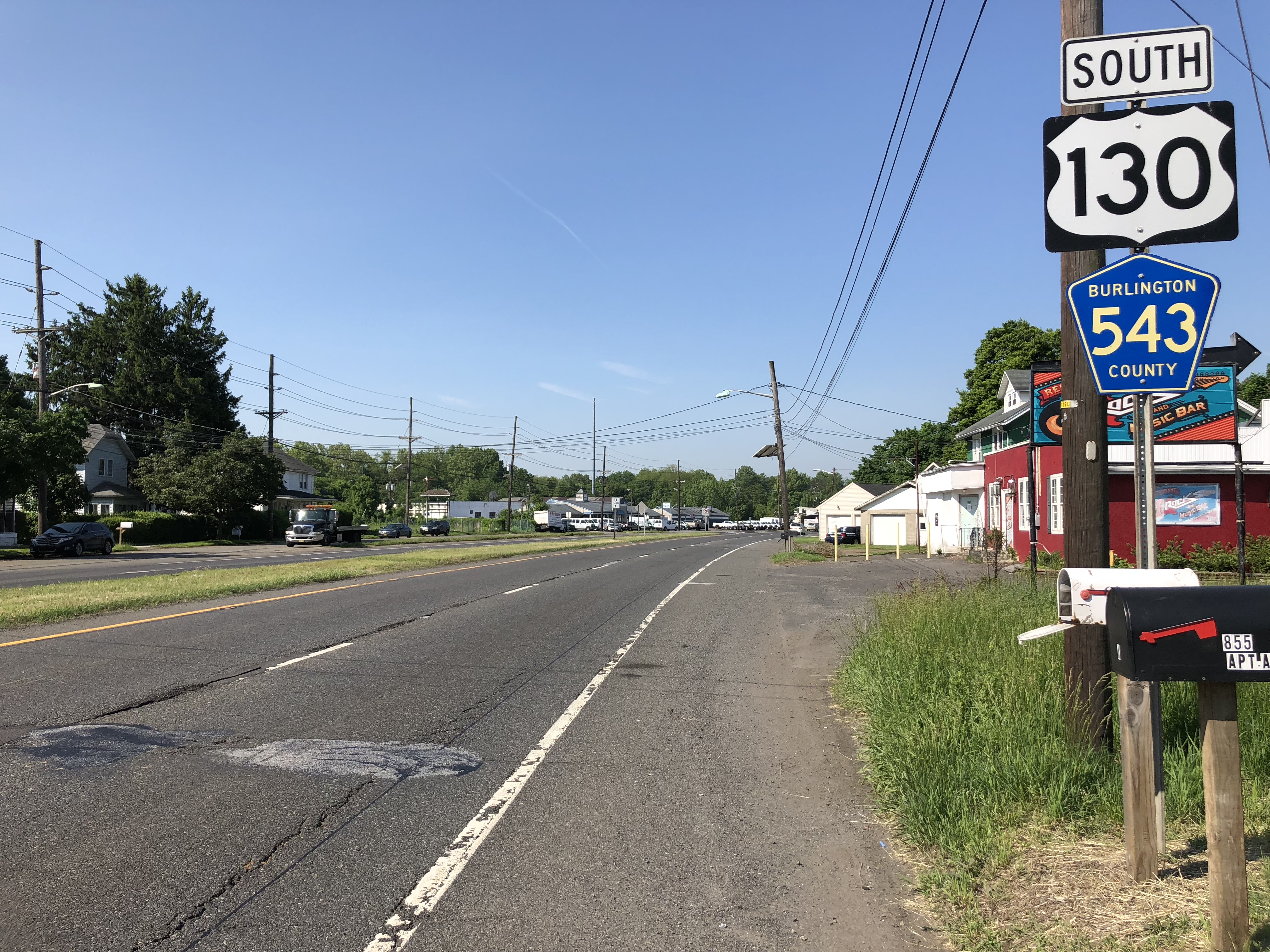
Burlington is a small city of roughly 9,000 residents in Burlington County, New Jersey, set on the eastern bank of the Delaware River directly across from Bristol, Pennsylvania. Founded in 1677, it is one of the oldest towns in the state and retains much of its colonial and early-American character through a compact historic district of brick row houses, churches, and riverfront homes. The city has a quiet, small-town feel while functioning as a convenient base for visitors who want to explore the greater Philadelphia area, the Delaware Valley, and the central Jersey Shore. Philadelphia lies approximately 20 miles to the southwest, easily reached by car, making Burlington a more affordable alternative to staying directly in the city.
The Burlington Historic District forms the heart of the city's identity. Walking its narrow streets, visitors encounter preserved 18th- and 19th-century architecture, including the Old Burlington County Prison and properties maintained by the Burlington County Historical Society that offer a window into early New Jersey life. The district sits just a few blocks from the river, and most of its landmarks are accessible on foot from a centrally located rental.
The Delaware River waterfront is one of Burlington's chief draws, with a riverside promenade, small marinas, and parkland offering views across the water toward Pennsylvania. Fishing, walking, and casual dining along the river are popular pastimes, and the area is particularly lively during the warmer months. From the waterfront, drivers can cross into Bristol or continue upriver toward more rural stretches of the waterway.
About fifteen miles north of Burlington, the city of Trenton offers an easy day trip as the state capital of New Jersey. Visitors come for the New Jersey State Museum, the Old Barracks Museum (a preserved colonial-era British barracks), and the capitol complex along the river. To the south, Philadelphia's historic core, including Independence Hall, the Liberty Bell, and the Reading Terminal Market, is roughly a 30-minute drive. South of the city, the Jersey Shore towns of the Atlantic coast are within roughly an hour's reach, broadening the appeal of a Burlington stay for guests who want to mix urban sightseeing with beach time.
Burlington's combination of historic charm, walkable downtown, riverfront setting, and proximity to both Philadelphia and the Jersey Shore makes it an appealing base for short-term rentals. Visitors who want a quieter, more affordable stay than a major city offers can enjoy the colonial atmosphere while remaining within easy reach of the region's marquee attractions.
Want to know if a property in Burlington is a good investment?
Enter an address to get instant revenue potential and comps.