
Omaha, Nebraska
Want to see how Omaha compares to other top cities in Nebraska? Explore all city regulations in Nebraska. →
Omaha, NE
Generally Investor Friendly
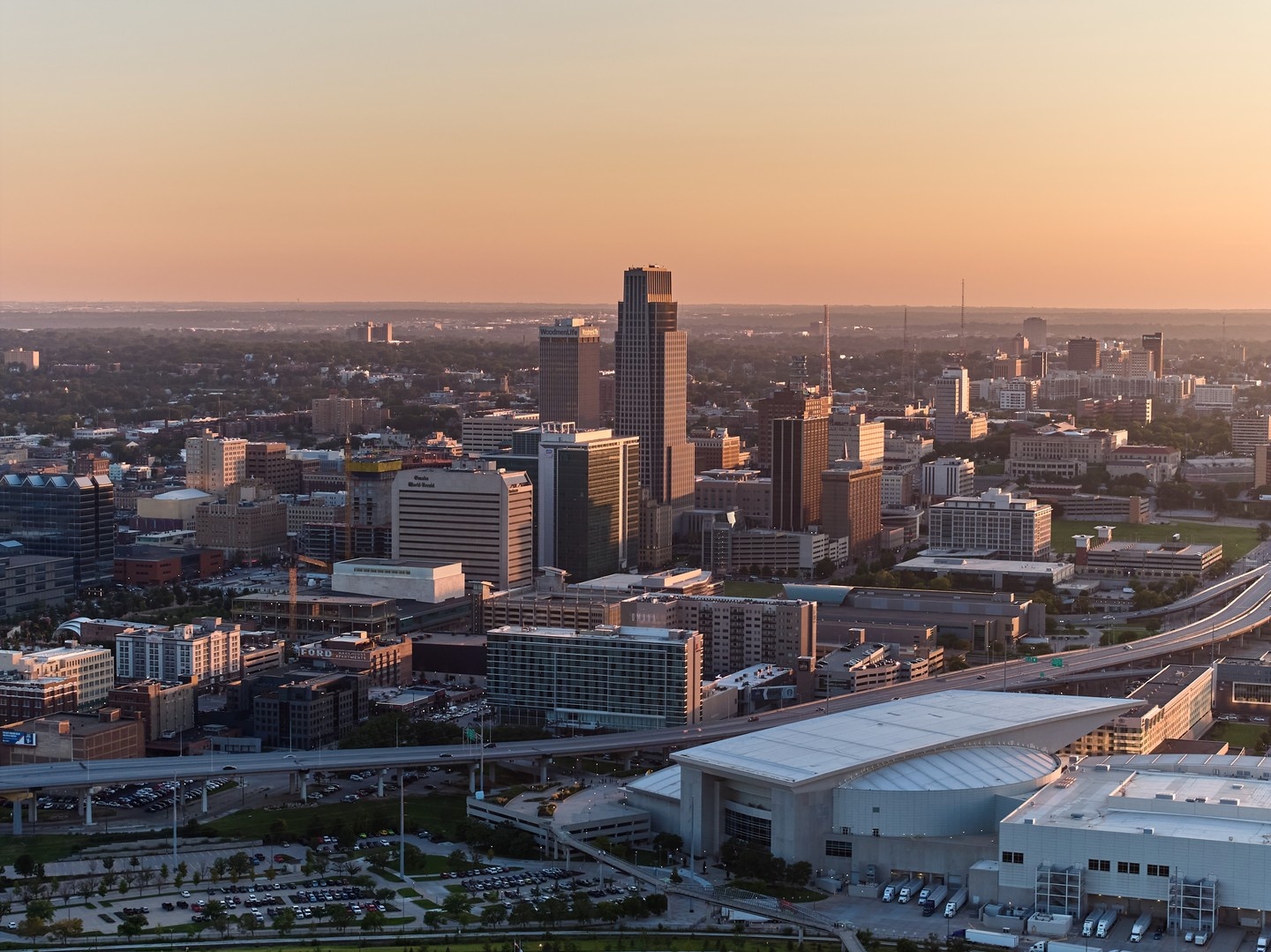
STR Regulations for Omaha, Nebraska
Overview: Are Short-Term Rentals Allowed in Omaha?
Yes, short-term rentals are explicitly allowed in Omaha, Nebraska. The regulatory environment is favorable to STR operators due to state-level protections. Nebraska State Legislature 18-1758 specifically prohibits municipalities from banning short-term rentals outright, ensuring property owners can legally operate STRs in Omaha provided they follow applicable state and local requirements.
This state protection creates a baseline of permissiveness while allowing local authorities to regulate for health, safety, and community welfare. Omaha operates under this state framework while maintaining its own local regulations for zoning, business compliance, and taxation.
What do Airbnb hosts actually earn in Omaha?
Omaha hosts earn a median $24,762/year with $159 ADR and 62% occupancy.
Top performers pull in $38,487+ per year.
See the full Omaha market breakdownHow to Start a Short-Term Rental Business in Omaha
State-Level Requirements
1. Business Registration
- Register with the Nebraska Department of Revenue if collecting sales tax independently
- File business registration with Nebraska Secretary of State if operating as formal business entity (LLC, Corporation, etc.)
2. State Hotel Permit
- Obtain mandatory state hotel permit for all lodging operations
- Required for collecting the 1% state lodging tax
- Contact Nebraska Department of Revenue for application
3. Tax Registration
- Set up accounts for sales tax collection (5.5% state rate)
- Register for lodging tax collection
- Understand filing schedules (monthly, quarterly, or annually)
Local Omaha Requirements
1. Zoning Compliance
- Verify property compliance with Omaha Municipal Code Chapter 55 zoning laws
- Confirm permitted use in specific zoning district
- Check for any overlay zones or special restrictions
2. Business Licensing
- Register business locally if required (threshold-based)
- Obtain any applicable business licenses
- Complete rental registration through City's rental registration system
3. Property Standards
- Meet fire safety code requirements
- Comply with health and sanitation standards
- Pass safety inspections as required
- Designate emergency contact for property
Recommended Implementation Steps
-
Pre-Operation Due Diligence
- Verify zoning compliance for specific property location
- Confirm no HOA restrictions prohibit short-term rentals
- Research neighborhood-specific regulations
-
Regulatory Compliance Setup
- Obtain state hotel permit before operations
- Register for state and local tax collection
- Apply for any required local licenses or permits
- Complete safety inspections and obtain certifications
-
Operational Systems
- Implement tax collection and remittance systems
- Establish emergency contact procedures
- Create guest screening and management protocols
- Develop record-keeping systems for compliance
-
Ongoing Compliance
- Monitor regulatory changes through city planning department
- Maintain current insurance coverage
- Track filing deadlines and renewal requirements
- Regular property maintenance and safety checks
Required Documents, Permits, Licenses, and Guidelines
State-Level Requirements
Required Permits and Licenses:
- State Hotel Permit (mandatory for all STR operations)
- Sales Tax Registration Certificate (Nebraska Department of Revenue)
- Business Registration (if operating as formal business entity)
Documentation Needed:
- Property ownership documentation or lease agreement
- Federal EIN (Employer Identification Number) if applicable
- Articles of incorporation or partnership agreements (if applicable)
Local Omaha Requirements
Required Permits and Licenses:
- Short-Term Rental Operating License (if required by operation scale)
- Business License (threshold-based requirement)
- Special Use Permit (may be required in certain zoning districts)
Safety and Compliance Documentation:
- Fire safety inspection certificates
- Building code compliance verification
- Health and sanitation certifications
- Emergency contact information and procedures
Property Documentation:
- Zoning verification letter from Planning Department
- Proof of insurance (minimum liability coverage recommended)
- Property maintenance compliance certificates
- Parking compliance verification (where applicable)
Documentation Checklist
Essential Documents:
- [ ] State Hotel Permit
- [ ] Nebraska Sales Tax Registration
- [ ] Local business license (if applicable)
- [ ] Zoning compliance verification
- [ ] Fire safety inspection certificate
- [ ] Property insurance documentation
- [ ] Emergency contact information
- [ ] Guest screening and management policies
Recommended Documentation:
- [ ] HOA approval (if applicable)
- [ ] Professional property management agreement
- [ ] Guest agreement templates
- [ ] Local tax registration certificates
- [ ] Safety protocol documentation
Specific Regulations for Short-Term Rentals
State-Level Regulations (Nebraska Statute 18-1758)
Municipal Regulatory Authority: Nebraska municipalities, including Omaha, can regulate short-term rentals in specific areas while being prohibited from outright bans.
Permitted Municipal Regulations:
- Fire and building code requirements
- Health and sanitation standards
- Traffic control and parking regulations
- Solid waste and pollution control measures
- Emergency contact designation requirements
- Occupancy limits and rental caps
- Noise and nuisance regulations
Equal Treatment Provision: Municipalities must apply land use ordinances to short-term rentals the same way they apply to similar residential properties, covering:
- Residential zoning compliance
- Noise and nuisance regulations
- Property maintenance standards
- HOA and neighborhood association rules
Prohibited Actions:
- Cannot ban short-term rentals entirely
- Cannot impose discriminatory regulations targeting only short-term rentals
- Cannot create undue barriers to operation beyond health/safety concerns
Local Omaha Regulations
Zoning Requirements (Chapter 55 of Municipal Code):
- Must comply with applicable zoning district regulations
- Location restrictions based on zoning classification
- Special use permits may be required in certain residential areas
- Historic districts may have additional restrictions
Operational Limitations:
- Maximum occupancy limits (generally 2x sleeping areas, capped at 12 persons)
- Parking requirements (typically 1 space per bedroom)
- Noise restrictions and quiet hours
- Waste management and disposal requirements
Business Operations:
- Must register business with local authorities if required
- Compliance with fire safety codes mandatory
- Health and sanitation standards enforcement
- Proper waste management procedures required
Tax Obligations
State Taxes:
- 5.5% Nebraska state sales tax on all accommodation charges
- 1% state lodging tax (requires state hotel permit)
Local Taxes:
- 1.5% additional Omaha city sales tax on top of state rate
- Douglas County 4% lodging tax on short-term rental proceeds
- Potential additional local option taxes depending on location
Collection and Remittance:
- Hosts must collect taxes unless booking platform handles automatically
- Monthly, quarterly, or annual filing depending on revenue volume
- Detailed record-keeping required for all transactions
- Platform collection may reduce host filing requirements
Occupancy and Operational Limits
Standard Occupancy Limits:
- Maximum guests: 2x number of sleeping areas, capped at 12 persons
- Additional restrictions may apply in specific zoning districts
Commercial vs. Residential Operations:
- Residential zoning may have stricter operational limitations
- Commercial zoning areas typically allow more flexible operations
- Owner-occupied vs. investment property distinctions may apply
Contact Information for Local Authorities
Primary STR Authority - Nebraska Department of Revenue
Phone: (402) 471-5729
Website: revenue.nebraska.gov
Address: 301 Centennial Mall South, Lincoln, NE 68509
Services: State hotel permits, sales tax registration, lodging tax compliance
Omaha Planning Department
Phone: (402) 444-5150
Website: planning.cityofomaha.org
Address: 1819 Farnam Street, Suite 1100, Omaha, NE 68183-1100
Services: Zoning verification, special use permits, planning inquiries
Omaha Permits and Inspections Division
Contact through: Planning Department main number
Website: permits.cityofomaha.org
Services: Building permits, safety inspections, compliance certifications
Omaha Finance Department
Contact through: City of Omaha main offices
Website: cityofomaha.org
Address: 1819 Farnam Street, Omaha, NE 68183
Services: Hotel Occupation Tax collection, local tax compliance
Douglas County
Website: douglascounty-ne.gov
Services: County lodging tax administration, property records
Additional Resources
City of Omaha Main: cityofomaha.org
Omaha Rental Registration: omaharentalinfo.com
Municipal Code: municode.com
Important Considerations for Investors
Regulatory Compliance Priority
Given the favorable state-level protections for STRs, investors should prioritize:
- Thorough zoning verification before property acquisition
- Proactive engagement with Planning Department for permit guidance
- Robust tax compliance systems from day one
- Regular monitoring of municipal code updates
Market-Specific Factors
High-Demand Areas:
- Old Market District (premium rates, strong occupancy)
- Near Henry Doorly Zoo (family travel market)
- Downtown core (business travel, events)
Emerging Opportunities:
- Benson district (growth potential)
- Blackstone area (revitalization momentum)
Investment Strategy Recommendations
- Conduct extensive due diligence on specific property zoning
- Build relationships with local property management companies experienced in STR compliance
- Consider properties with grandfathered zoning rights for additional protection
- Maintain adequate capital reserves for compliance-related modifications
Source Links
Primary Legal Sources
- Nebraska State Legislature 18-1758 - Primary state law governing short-term rentals
- Omaha Municipal Code Chapter 55 - Zoning regulations affecting STRs
Official Government Resources
- Omaha Planning Department - Local authority information and forms
- Nebraska Department of Revenue - State tax and permit information
- Omaha Permits and Inspections - Safety and building compliance
Regulatory Guidance
- Steadily Nebraska STR Guide - Comprehensive overview of state regulations
- City of Omaha Rental Registration - Official rental registration portal
This comprehensive regulatory framework provides clear pathways for compliant short-term rental operations in Omaha while maintaining protections for both operators and the community. Success depends on thorough understanding of both state-level freedoms and local compliance requirements.
Next step
Found a property in Omaha?
Paste any address and get estimated revenue, cash-on-cash return, and comparable STR performance in under 5 minutes. 3 free analyses per day.
Free brief
Get the free Omaha STR Investment Brief
Revenue data, top neighborhoods, seasonal trends, and the key regulations for Omaha, Nebraska in one email.
Omaha
Market Saturation Score
Photos of Omaha



Overview of Omaha
Omaha is the largest city in Nebraska and the seat of Douglas County, with a city population of approximately 480,000 and a metropolitan area approaching one million residents. Situated on the west bank of the Missouri River opposite Council Bluffs, Iowa, it has long served as the commercial, financial, and cultural anchor of the eastern Great Plains. The city is widely known as the headquarters of Berkshire Hathaway, a center of the insurance and telecommunications industries, and the longtime host of the College World Series, a tradition that draws tens of thousands of baseball fans each June. It lies roughly 50 miles northeast of Lincoln, the state capital, and about 185 miles north of Kansas City, the nearest large metropolitan area.
A short drive from virtually any part of the city, the Henry Doorly Zoo and Aquarium is one of the most celebrated zoological parks in the United States, featuring a desert dome, an indoor rainforest, and a tunneled aquarium complex that routinely draw national recognition. Visitors typically spend a full day exploring the campus, which is roughly 10 to 15 minutes from downtown.
Just west of the city, the historic community of Boys Town was founded in 1917 by Father Edward Flanagan and now operates as a national historic landmark and youth services organization. The campus includes a museum, a Hall of History, and a memorial garden dedicated to Flanagan's legacy, and it sits about 15 minutes by car from central Omaha.
South of the city, near the Interstate 80 corridor, the Strategic Air Command & Aerospace Museum is housed in a striking steel-and-glass structure and displays a wide array of military aircraft, missiles, and Cold War artifacts, including several bombers and reconnaissance planes. The museum is roughly a 30- to 40-minute drive from downtown Omaha.
Closer to the urban core, the Old Market is a revitalized warehouse district of brick streets, art galleries, independent restaurants, and boutiques that anchors Omaha's downtown dining and nightlife scene. Nearby, the Durham Museum, set inside the city's art deco former Union Station, and the Joslyn Art Museum round out the cultural core, while Fontenelle Forest, a large nature preserve along the Missouri River near Bellevue, offers a quiet natural counterpoint to the city's bustle.
Omaha's combination of corporate travel, recurring sporting events, family-friendly attractions, and a walkable historic core makes it a compelling market for short-term rentals. Visitors come for the College World Series, conventions, and reunions as easily as they do for the zoo and surrounding cultural sites, and the city's central position within the eastern Great Plains makes it an appealing base for travelers exploring the broader region.
Want to know if a property in Omaha is a good investment?
Enter an address to get instant revenue potential and comps.