
Tuckasegee, North Carolina
Want to see how Tuckasegee compares to other top cities in North Carolina? Explore all city regulations in North Carolina. →
Tuckasegee, NC
Very Investor Friendly
STR Regulations for Tuckasegee, North Carolina
Overview: Are short-term rentals allowed in Tuckasegee? Yes. Short-term rentals are allowed in Tuckasegee, NC. Based on the provided sources, the market operates in a low-regulation environment, with no evidence of a mandatory municipal licensing or permitting regime for STRs in the town. However, state and county frameworks still apply, including occupancy tax collection and general health/safety code obligations. Local rules can evolve—investors should verify any new requirements directly with town/county authorities before listing.
How to start a short-term rental business in Tuckasegee
- Confirm zoning and permitted use
- Verify that your property’s zoning allows transient rentals and check HOA/POA rules if applicable. If the property is in an unzoned area or has an active homeowners association, confirm STRs are permitted, including any caps or restrictions on parking, signage, or number of guests.
- Register/collect local occupancy taxes
- Jackson County charges a 4% occupancy tax on transient rentals under 90 days, administered locally. Confirm whether you must file returns directly or if online platforms handle collection/remittance on your behalf. See Contact Information below for the Jackson County Tax Collector.
- Prepare for state sales tax
- North Carolina applies a combined state and local sales and use tax on lodging. While some platforms may collect and remit state sales tax on bookings, confirm your specific filing obligations with the N.C. Department of Revenue or a local tax professional.
- Align with state safety and building codes
- North Carolina’s Uniform Fire Code and related safety provisions (e.g., smoke and CO detectors, posted emergency egress information, and safe occupancy limits) generally apply to lodging. Confirm local enforcement channels in Jackson County and note that Highlands (a nearby town) has moved toward stricter safety standards; those standards do not automatically apply in Tuckasegee.
- Insurance and coverage
- Ensure homeowners and/or landlord policies are compatible with transient rentals. Consider adding an umbrella policy and verify coverage aligns with platform requirements and local law.
- Taxes and accounting
- Track gross rental income for federal and state income tax reporting, including Schedule E for rentals. Separate local occupancy tax remittances from income taxes. Work with a CPA familiar with short-term rental taxation.
- Listing and operations
- Decide between self-management or a local property manager. The local area has active managers (e.g., professional firms operating in Highlands/Cashiers/Waynesville). For a more hands-off model, weigh management fees versus your time, guest response, maintenance, and cleaning logistics. The local lodging company sample policies below illustrate common guest rules for the region (two- and seven-night minimums, refundable security deposits or alternatives, and seasonal stay requirements).
- Pricing and positioning
- The market is strongly oriented toward entire-home listings with substantial bedroom counts and higher guest capacities. Use dynamic pricing that reflects local seasonality—July typically peaks, while February is the low season. Anchor amenities at a minimum to kitchen, reliable Wi‑Fi, free on‑premises parking, and a coffee maker; heat, dishes/flatware, and essentials help maintain ratings.
Required documents, permits, licenses, and guidelines
- Municipal licensing/permits
- No verified municipal STR permit or registration for Tuckasegee. The provided sources indicate a low-regulation environment. Confirm in writing with the town and county to avoid changes in enforcement.
- Zoning/HOA approval
- Check zoning use classification and any HOA/POA restrictions, as they can be more restrictive than county/state law.
- Occupancy tax compliance
- Jackson County 4% occupancy tax for stays under 90 days. Verify collection/remittance responsibility (platform vs. host) and periodic filing obligations with the Tax Collector.
- Sales tax compliance
- State sales and use tax may apply depending on how lodging is collected. Confirm whether your platform remits state sales tax on your behalf or if you must file and remit.
- Fire and life safety
- Comply with applicable fire/life safety provisions, which can include posted emergency information, smoke and CO detectors, safe occupancy, and safe egress. Confirm local enforcement (county building/fire marshal).
- Insurance and reasonable accommodation
- Maintain appropriate coverage and provide ADA‑reasonable accommodations as required by law.
- Utility and service readiness
- Ensure reliable utilities (power, water, internet), trash collection, and snow/ice clearance if relevant.
- Recordkeeping
- Maintain reservation records, guest logs, tax filings, and inspection/compliance correspondence.
Specific regulations: city, county, and state
- City (Tuckasegee)
- No specific city STR licensing framework identified in the provided sources. Treat any upcoming proposals cautiously and verify with the town.
- County (Jackson County)
- Occupancy tax: 4% on transient rentals under 90 days. Hosts or platforms may collect, but hosts should confirm remittance responsibility and filing cadence with the county.
- State (North Carolina)
- Lodging sales/use tax applies to short-term rentals under NC law; confirm whether platform-collected taxes cover your listing obligations. Fire/life safety rules apply broadly; confirm local enforcement procedures in Jackson County.
- Notes on nearby jurisdictions (context only; not Tuckasegee-specific)
- Highlands attempted to use zoning to significantly restrict STRs in single-family homes and moved toward safety measures (e.g., parking and emergency information), with litigation focused on the scope of local authority to require registration. As of the source date, that approach has uncertain legality, and Highlands restarted its process due to procedural issues. These measures do not apply to Tuckasegee unless formally adopted by the Town of Tuckasegee.
- Buncombe County (Asheville area) discussed potential new restrictions on STRs, including limitations on investment properties and new permitting regimes; those proposals are not legally binding in Tuckasegee.
Contact information (local authorities)
- Jackson County Tax Collector (occupancy tax)
- Phone: (828) 586‑7531
- Website: www.jacksonnc.org/ (look for “Tax Collector” or “Occupancy Tax”)
- Town of Tuckasegee
- Municipality of Tuckasegee, North Carolina
- Phone/Website: Confirm via Jackson County government or local listings; no dedicated town site was identified in the provided sources.
- N.C. Department of Revenue (sales/use tax)
- Phone: Not provided in the sources; see www.ncdor.gov/ for forms, guidance, and contact options.
- County planning/building and safety
- Contact Jackson County government (planning, building, and fire marshal) to confirm enforcement procedures for safety and life-safety rules in the county.
Links to source pages
- AirROI Tuckasegee STR Market Analysis 2025: www.airroi.com/report/world/united-states/north-carolina/tuckasegee
- Blue Ridge Properties NC (Buncombe County STR policy discussion): www.blueridgepropertiesnc.com/blog/fate-short-term-rentals-buncombe-county/
- Altamont Property Group (WNC STR considerations, tax commentary): altamontpropertygroup.com/buying/vacation-homes-in-western-north-carolina-things-to-consider/
- Highlands Is Calling (Chambers Realty) reservation policies and occupancy tax rates: highlandsiscalling.com/policies/
- Smoky Mountain News (Highlands STR regulation history and legal context): smokymountainnews.com/archives/item/33815-overbooked-how-highlands-is-attempting-to-regulate-its-short-term-rental-industry
Practical investor notes
- The market is highly seasonal, with July peak and February trough. Price dynamically and adjust minimum stays accordingly.
- Listings skew toward entire homes, larger capacities, and two- to three-bedroom units with generous guest limits. Three-bedroom properties are particularly prevalent.
- The local 4% occupancy tax is a material cost driver. Net margins improve when occupancy tax is properly collected and remitted, and when owners price to market seasonality and guest capacity expectations. Confirm collection mechanics with the platform you use; many platforms handle state sales tax but not necessarily local occupancy taxes.
- Before listing, confirm with the Jackson County Tax Collector and town/county planning or safety officials to ensure you’re capturing all obligations. Consider engaging a local tax professional and a licensed property manager to streamline compliance and operations.
What do Airbnb hosts actually earn in Tuckasegee?
Tuckasegee hosts earn a median $31,068/year with $204 ADR and 53% occupancy.
Top performers pull in $40,851+ per year.
See the full Tuckasegee market breakdownNext step
Found a property in Tuckasegee?
Paste any address and get estimated revenue, cash-on-cash return, and comparable STR performance in under 5 minutes. 3 free analyses per day.
Free brief
Get the free Tuckasegee STR Investment Brief
Revenue data, top neighborhoods, seasonal trends, and the key regulations for Tuckasegee, North Carolina in one email.
Tuckasegee
Market Saturation Score
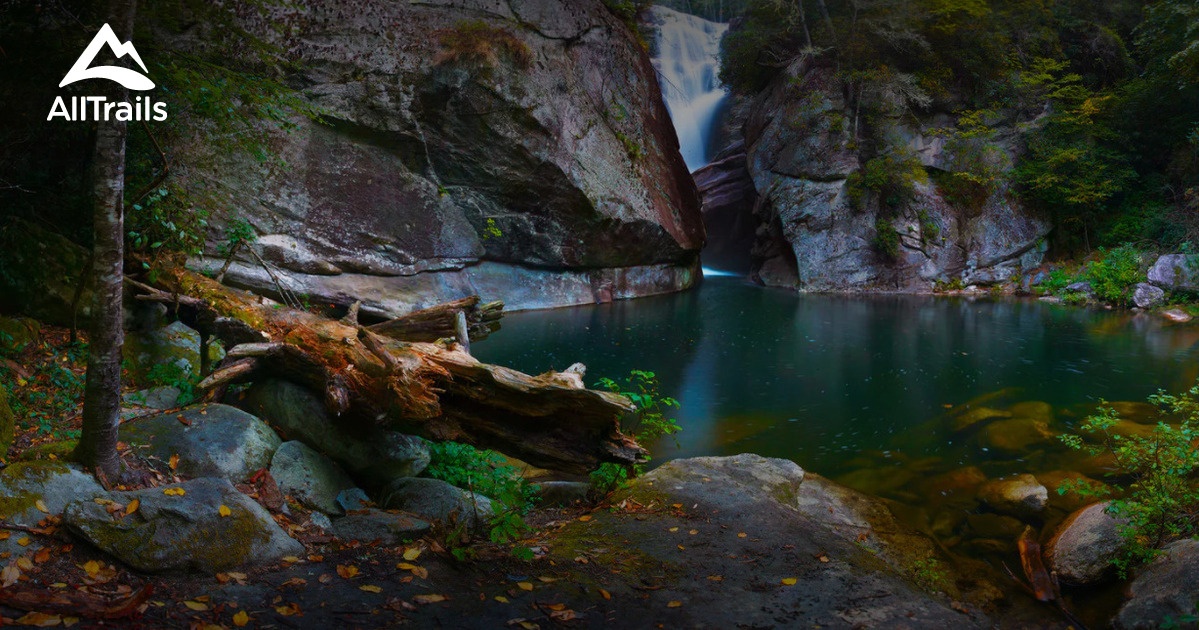
Photos of Tuckasegee


Overview of Tuckasegee
Tuckasegee is a small unincorporated community nestled in Jackson County, in the western mountains of North Carolina. It sits along the Tuckasegee River, from which it takes its Cherokee-derived name, and has a population of just a few hundred residents, giving it a quiet, rural character that appeals to travelers seeking an authentic Blue Ridge experience away from busier tourist hubs. The community serves as a convenient base for exploring the southern Appalachians, including the North Carolina side of Great Smoky Mountains National Park and a string of nearby mountain towns. The nearest major city is Asheville, located roughly 60 miles to the east, while Sylva, Dillsboro, and Bryson City are all within a 15- to 25-minute drive.
Just to the north and west, the Great Smoky Mountains National Park draws millions of visitors each year and ranks as one of the most visited national parks in the country. The Oconaluftee and Deep Creek entrances on the North Carolina side are about 30 to 40 minutes from Tuckasegee, offering access to historic buildings, scenic drives, hiking trails, and wildlife viewing. Visitors can tour the Mountain Farm Museum, climb to the observation tower at Clingmans Dome, or take in the park's renowned fall foliage and spring wildflower displays.
Tuckasegee is also a short drive from Lake Glenville, billed as the highest lake east of the Mississippi, where visitors can fish, swim, kayak, and paddleboard against a backdrop of forested mountain slopes. Multiple public access points and a few small marinas dot the shoreline, and the surrounding Jackson County countryside is dotted with roadside waterfalls and hiking trails. The drive from Tuckasegee to the lake is roughly 20 to 25 minutes along winding mountain roads.
The Blue Ridge Parkway, often called "America's Favorite Drive," runs through the region and offers some of the most scenic byway experiences in the eastern United States, with overlooks, trailheads, and visitor centers strung along its 469 miles. The closest access points are typically a 30- to 45-minute drive from Tuckasegee. Travelers based here can also spend easy afternoons exploring the walkable downtowns of Sylva and Dillsboro, both about 15 minutes away, where locally owned restaurants, breweries, art galleries, and seasonal shops draw weekend visitors.
With its rural mountain setting, easy access to two of the Southeast's most iconic national-park experiences, and proximity to a string of small towns with their own dining and cultural offerings, Tuckasegee offers a compelling balance of seclusion and convenience for short-term-rental guests. Travelers can spend their days hiking, fishing, or driving scenic byways and still return to a quiet base each evening, while property owners benefit from year-round demand driven by leaf-peepers in autumn, wildflower seekers in spring, and outdoor enthusiasts throughout the warmer months.
Want to know if a property in Tuckasegee is a good investment?
Enter an address to get instant revenue potential and comps.