
Rocky Point, North Carolina
Want to see how Rocky Point compares to other top cities in North Carolina? Explore all city regulations in North Carolina. →
Rocky Point, NC
Very Investor Friendly
STR Regulations for Rocky Point, North Carolina
Overview and Bottom Line
- Yes — short‑term rentals (Airbnb/VRBO/vacation rentals) are allowed in Rocky Point, NC. There is no city of Rocky Point government and no Pender County short‑term rental registration or permit regime that applies to STRs. North Carolina state law sharply limits local governments’ ability to regulate STRs, which means investors can generally operate STRs in Pender County without city or county registration or permits. Source: WHQR (Pender County attorney: “We do not regulate… short‑term rentals”); Ward & Smith (analysis of NC statutory limits on local registration/permitting). [1][2]
Legal Landscape Snapshot
- State preemption: North Carolina prohibits cities and counties from requiring STR owners to register, obtain permits, or pay fees to lease or rent residential real property under the Vacation Rentals Act and related statutes (N.C. Gen. Stat. §160D‑1207, Article 11/12). Courts have invalidated local registration/permit systems (e.g., Wilmington’s STR ordinance) on this basis. Source: WECT; Ward & Smith analysis. [4][2][3]
- What remains regulable: Local governments retain traditional land‑use/zoning authority. Zoning, use districts, and nuisance/noise rules can still affect STRs. [2]
- Current environment in Pender County/Rocky Point: The county does not operate an STR registration or permit program and treats short‑term rentals as residential use. The county’s primary levers are zoning compliance (e.g., no commercial uses) and noise/time restrictions. Source: WHQR (county attorney statements and BoA hearing record). [1]
How to Start a Short‑Term Rental in Rocky Point
- Confirm zoning and allowed uses. Even though STRs are not separately regulated as “short‑term rentals,” your property must comply with its zoning district’s primary use and any conditional/special use requirements. Ensure the property is residential, not commercial. [1][2]
- Operate as a lodging business, not a commercial enterprise. Pender County has sanctioned the use of on‑site amenities (e.g., a motocross track) as long as they are included with the STR rental and not separately charged. Adding separate fees for amenities or operating an independent commercial business on the property can trigger zoning violations. Source: WHQR. [1]
- Meet state safety requirements. North Carolina requires whole‑dwelling STRs to have functioning smoke detectors in sleeping rooms and on each level, carbon monoxide detectors outside sleeping areas when fuel‑burning appliances are present, and an approved emergency escape/rescue window in each sleeping room (with limited exceptions). Source: 2015 smoke detector law (N.C. Gen. Stat. §143‑214.1) and 2013 CO/emergency egress law (S.L. 2013‑143). [5][6]
- Prepare for occupancy and tax obligations. STRs are subject to North Carolina and local sales and occupancy taxes. Collect/remit the applicable sales and use tax and any local occupancy taxes for Pender County/Wilmington area. Consult a tax professional for rates and filing procedures. Sources: NC Department of Revenue; NC Dept. of Health & Human Services (lodging rules, occupancy tax). [7][8]
- Obtain appropriate insurance. Standard homeowners or landlord policies often do not cover short‑term rental risks (e.g., guest injuries, property damage). Consider a specialized STR policy for property, liability, and business interruption coverage. Reference only; no regulatory mandate. Source: Proper Insurance. [9]
- Establish neighbor‑friendly operations. Publish quiet hours, party/event rules, and parking limits in your listing and house rules. Enforce occupancy caps and guest screening to limit noise, trespass, and nuisance complaints. Sources: WHQR (neighbor impacts, noise/trespass issues); Pender County noise/time limits. [1][10]
- Document and enforce house rules. Require guests to acknowledge no additional‑fee amenities (if any) are included in the stay. State that commercial events, training, or fee‑based use of on‑site amenities are prohibited to avoid violating zoning. Source: WHQR. [1]
Required Documents, Permits, Licenses, and Guidelines
- Registration/Permits: None required by Pender County for STRs due to state preemption. The county has no active STR registration or permitting system. Source: WHQR; WECT. [1][4][3]
- Building/Housing Code Permits: Standard permitting rules apply for renovations, additions, or changes to the dwelling. The STR itself is not separately permitted by the county. State law prohibits additional “rental” permits/fees beyond standard code compliance. Source: Ward & Smith; NC statutory framework. [2]
- State Safety Requirements (mandatory for whole‑home STRs):
- Smoke detectors in sleeping rooms and on each level (functional, approved type). Source: 2015 smoke detector law. [5]
- Carbon monoxide detectors outside sleeping areas when fuel‑burning appliances are present. Source: 2013 CO law. [6]
- Approved emergency escape/rescue window in each sleeping room (with limited exceptions). Source: 2013 emergency egress law. [6]
- Taxes: State and local sales and occupancy taxes apply. Register with NC DOR for sales/use tax if you charge for lodging. Collect and remit occupancy taxes as required. Sources: NC DOR; NC DHHS lodging rules. [7][8]
- Insurance: Strongly recommended; no state mandate for a particular policy type for STRs. Reference only. Source: Proper Insurance. [9]
Specific Regulations: City, County, and State
- City (Rocky Point): No municipal STR rules apply. Rocky Point is an unincorporated community in Pender County with no independent city government/ordinances on STRs.
- County (Pender County): No STR registration or permitting regime. The county regulates STRs primarily through zoning and nuisance/noise enforcement. The Board of Adjustment has enforced zoning compliance when properties operate as commercial enterprises. County noise ordinance restricts nighttime noise (11:00 p.m. to 30 minutes before sunrise). Sources: WHQR (county attorney statements, BoA actions); County noise ordinance. [1][10]
- State (North Carolina): State law prohibits cities and counties from requiring registration, permits, or fees to lease/rent residential property as an STR. Local governments retain zoning authority and may regulate through nuisance and land‑use tools. Sources: Ward & Smith analysis; WECT reporting; WHQR (context). [2][4][1][3]
Enforcement and Compliance Watchpoints
- Commercial use vs. included amenities: Do not charge separate fees for on‑site amenities or permit third‑party commercial activities on the property. County enforcement has focused on whether a fee is charged for the activity itself. Source: WHQR. [1]
- Nuisance/noise complaints: Nighttime noise is restricted. Excess noise, trespassing, and large events can generate complaints and potential nuisance actions. Source: Pender County noise ordinance. [10]
- Safety devices: State‑mandated smoke, CO, and egress requirements apply to whole‑home STRs and are enforceable through building/housing code channels. Sources: NC statutes. [5][6]
Local Authority Contacts
- Planning & Zoning (permits/zoning compliance): Pender County Planning and Zoning, 805 S. Walker St., Burgaw, NC 28425. Phone: 910‑259‑1200. Website: www.pendercountync.gov/departments/planning-and-zoning/ [11]
- Code Enforcement/Board of Adjustment (zoning violations): Pender County Code Enforcement, 805 S. Walker St., Burgaw, NC 28425. Phone: 910‑259‑1200. Website: www.pendercountync.gov/departments/code-enforcement/ [12]
- Sheriff’s Office (noise/nuisance, trespass): Pender County Sheriff’s Office, 605 E. Fremont St., Burgaw, NC 28425. Non‑emergency: 910‑259‑1215. Website: www.pendercountync.gov/departments/sheriffs-office/ [13]
- County Attorney’s Office (general questions on zoning/nuisance): Pender County Attorney’s Office, 805 S. Walker St., Burgaw, NC 28425. Phone: 910‑259‑1200. [1]
- Pender County Board of Adjustments: Meeting agenda/minutes: www.pendercountync.gov/departments/board-of-adjustments/ [14]
- Building Inspections (state safety requirements/code compliance): Pender County Building Inspections, 805 S. Walker St., Burgaw, NC 28425. Phone: 910‑259‑1200. [15]
Links to Source Pages
- WHQR report on Pender County STR loophole and county posture: www.whqr.org/local/2023-08-15/pender-county-judges-short-term-rental-loophole-is-big-enough-to-drive-a-dirt-bike-through
- Ward & Smith legal analysis of Wilmington STR case and NC preemption: www.wardandsmith.com/articles/short-term-rentals-regulations-not-always-a-day-at-the-beach-for-municipalities
- WECT on Wilmington’s removal of STR registration and fee refunds: www.wect.com/2022/04/29/city-will-return-short-term-rental-fees-paid-by-homeowners-following-appeals-court-ruling-with-interest/
- WECT on Appeals Court invalidation of Wilmington STR ordinance: www.wect.com/2022/04/05/appeals-court-rules-wilmingtons-short-term-rental-ordinance-partially-invalid/
- 2015 NC smoke detector law (N.C. Gen. Stat. §143‑214.1): www.ncleg.gov/EnactedLegislation/SessionLaws/2015-2016/SL2015-178
- 2013 NC CO detector & emergency egress law (S.L. 2013‑143): www.ncleg.gov/EnactedLegislation/SessionLaws/2013-2014/SL2013-143
- NC Department of Revenue — Sales & Use Tax for accommodations: www.ncdor.gov/taxes/sales-and-use-tax/occupations-and-industries/ Accommodations (lodging) tax page
- NC Department of Health & Human Services — Lodging rules and local occupancy tax links: www.ncdhhs.gov/divisions/public-health/chronic-disease-and-injury/environmental-health/lodging-program
- Proper Insurance — STR regulations resource and insurance considerations: www.proper.insure/regulations/
- Pender County Noise Ordinance (noise/time restrictions): library.municode.com/nc/pender_county/codes/code_of_ordinances?nodeId=PTIIIMPZO_CH24NOORECO
- Pender County Planning & Zoning (zoning/permits): www.pendercountync.gov/departments/planning-and-zoning/
- Pender County Code Enforcement: www.pendercountync.gov/departments/code-enforcement/
- Pender County Sheriff’s Office (non‑emergency): www.pendercountync.gov/departments/sheriffs-office/
- Pender County Board of Adjustments: www.pendercountync.gov/departments/board-of-adjustments/
- Pender County Building Inspections (state safety/code compliance): www.pendercountync.gov/departments/building-inspections/
Practical Compliance Checklist for Investors
- Confirm zoning allows residential use; avoid commercial operations on site. Source: WHQR; Ward & Smith. [1][2]
- Do not charge additional fees for amenities or activities; treat amenities as included in the lodging rate. Source: WHQR. [1]
- Install and maintain required smoke and CO detectors and ensure emergency egress windows in sleeping rooms. Sources: NC statutes. [5][6]
- Register for sales/use tax; collect/remit state and local occupancy taxes for STR lodging. Sources: NC DOR; NC DHHS. [7][8]
- Publish and enforce house rules for occupancy, quiet hours, events, and parking; implement guest screening. Sources: WHQR (neighbor impacts); Pender County noise ordinance. [1][10]
- Carry appropriate STR insurance and review exclusions. Reference only. Source: Proper Insurance. [9]
Notes and Limitations
- This guide reflects available sources through 2025. NC legislation and local ordinances can change; investors should confirm any updates with the contacts above.
- While North Carolina strongly limits local registration/permitting of STRs, zoning, nuisance, and fire/safety rules still apply. Investors should expect enforcement through those channels rather than a dedicated STR permitting system. Sources: WHQR; Ward & Smith; WECT. [1][2][4][3]
What do Airbnb hosts actually earn in Rocky Point?
Rocky Point hosts earn a median $20,502/year with $134 ADR and 52% occupancy.
Top performers pull in $34,078+ per year.
See the full Rocky Point market breakdownNext step
Found a property in Rocky Point?
Paste any address and get estimated revenue, cash-on-cash return, and comparable STR performance in under 5 minutes. 3 free analyses per day.
Free brief
Get the free Rocky Point STR Investment Brief
Revenue data, top neighborhoods, seasonal trends, and the key regulations for Rocky Point, North Carolina in one email.
Rocky Point
Market Saturation Score
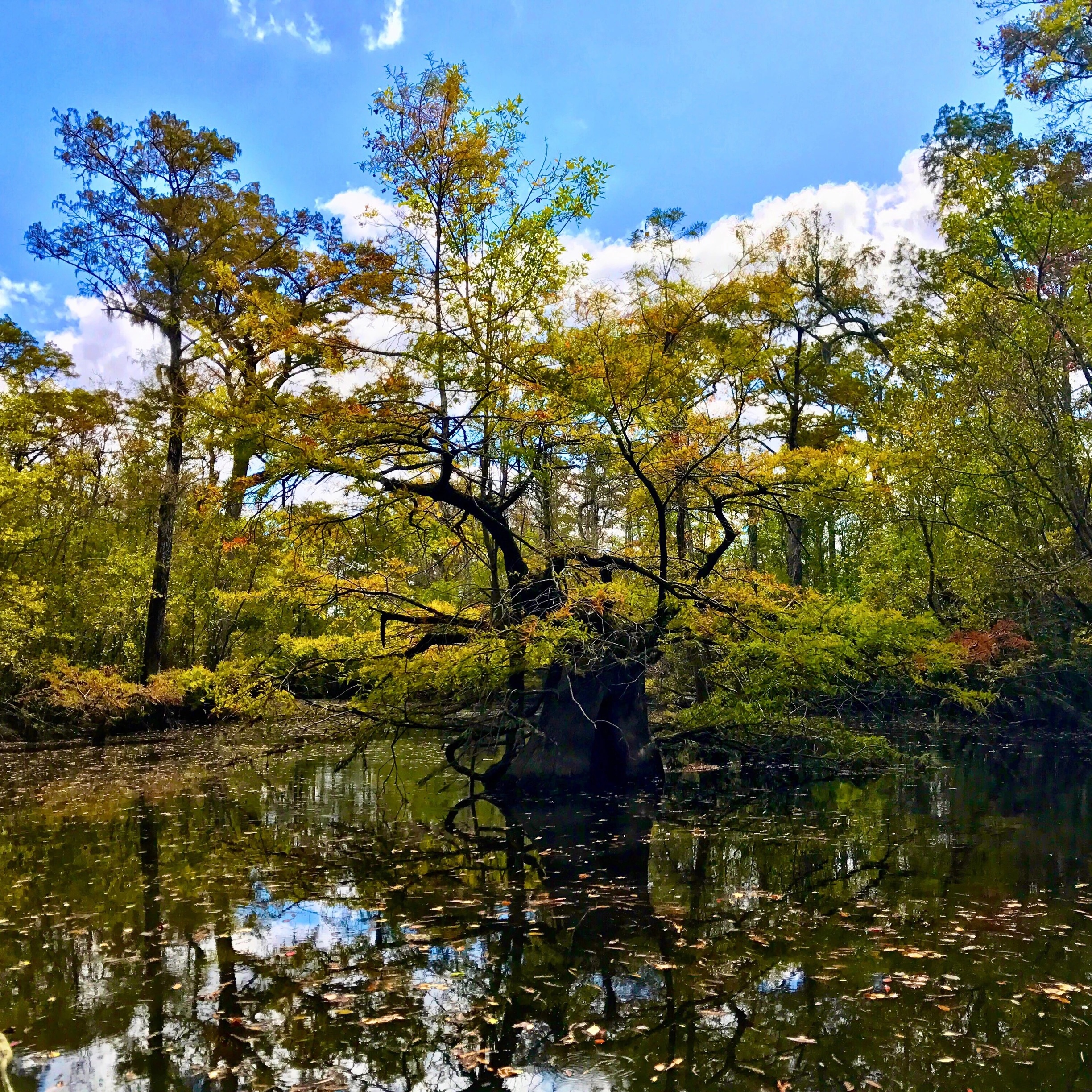
Photos of Rocky Point
Overview of Rocky Point
Rocky Point is a census-designated place and unincorporated community in southern Pender County, North Carolina, United States. It is part of the Wilmington Metropolitan Statistical Area. Rocky Point is situated on North Carolina Highway 210, North Carolina Highway 133 and U.S. Route 117. The ZIP Code for Rocky Point is 28457.
Want to know if a property in Rocky Point is a good investment?
Enter an address to get instant revenue potential and comps.