
Pittsboro, North Carolina
Want to see how Pittsboro compares to other top cities in North Carolina? Explore all city regulations in North Carolina. →
Pittsboro, NC
Generally Investor Friendly
STR Regulations for Pittsboro, North Carolina
1. Overview: Are Short-Term Rentals Allowed in Pittsboro, NC?
Yes, short-term rentals are explicitly allowed in Pittsboro, NC. The state and county regulations permit the rental of lodging accommodations for periods of less than 90 days. This includes properties such as homes, rooms in homes, cottages, hotels, motels, bed & breakfasts (B&Bs), and vacation properties. The key legal framework governing these rentals is the state's occupancy tax law, administered locally by Chatham County.
The town's existing housing code also applies to STRs, ensuring properties meet minimum health and safety standards.
What do Airbnb hosts actually earn in Pittsboro?
Pittsboro hosts earn a median $25,713/year with $139 ADR and 55% occupancy.
Top performers pull in $31,753+ per year.
See the full Pittsboro market breakdown2. How to Start a Short-Term Rental Business in Pittsboro
Starting an STR in Pittsboro involves several steps:
- Understand Your Tax Obligations: As an STR operator in Chatham County, you are legally required to collect a 3% room occupancy tax from guests renting your property for fewer than 90 days.
- Register with the Tax Collector: You must complete a "Remitter Information Form" and submit it to the Chatham County Tax Administration. This is a one-time registration to set up your tax account.
- Begin Collecting Tax: Start collecting the 3% occupancy tax from your guests at the time of payment. This tax is in addition to any state or local sales tax.
- File Monthly Reports: You must file a "Monthly Report Form" with the Tax Administration by the 20th day of each month, regardless of whether you rented the property that month.
- Monitor State and Local Regulations: Ensure you are aware of any additional regulations from the town, county, or state, such as zoning laws or fire safety codes.
3. Required Documents, Permits, Licenses, and Guidelines
The core requirement is occupancy tax compliance, which involves:
- Remitter Information Form: A one-time registration form to establish your business with the Tax Administration.
- Monthly Report Form: A required monthly filing for reporting gross receipts and the corresponding occupancy tax due. There is a checkbox for cases where an online marketplace (e.g., Airbnb) has submitted the tax on your behalf.
While the provided documents do not specify a city business license for Pittsboro STRs, the town has a "Central Permitting & Inspections" department. It is strongly recommended to contact them to confirm if any additional local permits or licenses are required for operating an STR within the town limits, especially given the strict minimum housing code standards.
The Pittsboro Minimum Housing Code is a key guideline. It sets detailed standards for "lodging establishments" and "lodging units," covering areas like:
- Space and Use Requirements (minimum square footage for rooms).
- Light and Ventilation Standards.
- Exit Requirements (two main exits, etc.).
- Plumbing Facilities (hot water, functioning fixtures).
- Heating Facilities (ability to maintain a minimum temperature of 68°F).
- Electrical Facilities (safe wiring, adequate outlets).
- Structural Standards (foundation, floors, walls, roof integrity).
4. Specific Regulations: City, County, and State
Chatham County (State-Level):
- Occupancy Tax Rate: A 3% tax is levied on gross receipts from short-term rentals.
- Reporting Deadline: Monthly reports are due by the 20th day of the month following the rental period.
- Exemptions: The 3% tax does not apply to accommodations rented for 90 continuous days or more, or to rentals of less than 15 days per year. However, the 15-day exemption is void if the property is continually advertised for rent.
- Online Marketplaces: Rentals booked through platforms like Airbnb, HomeAway, or Expedia are still subject to the tax. Operators must file a monthly report and can claim a credit for taxes remitted by the marketplace.
- Penalties: Late reports or late tax payments will incur penalties as per North Carolina General Statutes (NCGS) 105-236.
Town of Pittsboro:
- Minimum Housing Code: STRs must comply with the town's comprehensive housing code. This code is designed to ensure all places of habitation, including lodging units, are safe, sanitary, and fit for human occupancy.
- Enforcement: The town's code enforcement official is responsible for investigating complaints and ensuring compliance with the housing code. Violations can lead to orders to repair, vacate, or demolish properties.
5. Contact Information for Local Authority
The primary authority for STR-related tax matters in Pittsboro (which is in Chatham County) is the Chatham County Tax Administration.
Contact Person: Angela McMahon, Paralegal
Email: angela.mcmahon@chathamcountync.gov
Address:
Chatham County Tax Department
12 East Street
P.O. Box 1809
Pittsboro, NC 27312
For questions about local permits or the housing code, contact the Town of Pittsboro Central Permitting & Inspections department. The provided content does not include specific contact details for this department, but it can be found on the town's official website.
6. Links to Source Pages
- Chatham County Occupancy Tax Information: https://www.chathamcountync.gov/government/departments-programs-i-z/tax-administration/occupancy-tax
- Town of Pittsboro Minimum Housing Code (Agenda Item 290): https://pittsboronc.gov/AgendaCenter/ViewFile/Item/290?fileID=2468
Next step
Found a property in Pittsboro?
Paste any address and get estimated revenue, cash-on-cash return, and comparable STR performance in under 5 minutes. 3 free analyses per day.
Free brief
Get the free Pittsboro STR Investment Brief
Revenue data, top neighborhoods, seasonal trends, and the key regulations for Pittsboro, North Carolina in one email.
Pittsboro
Market Saturation Score
Photos of Pittsboro
Overview of Pittsboro
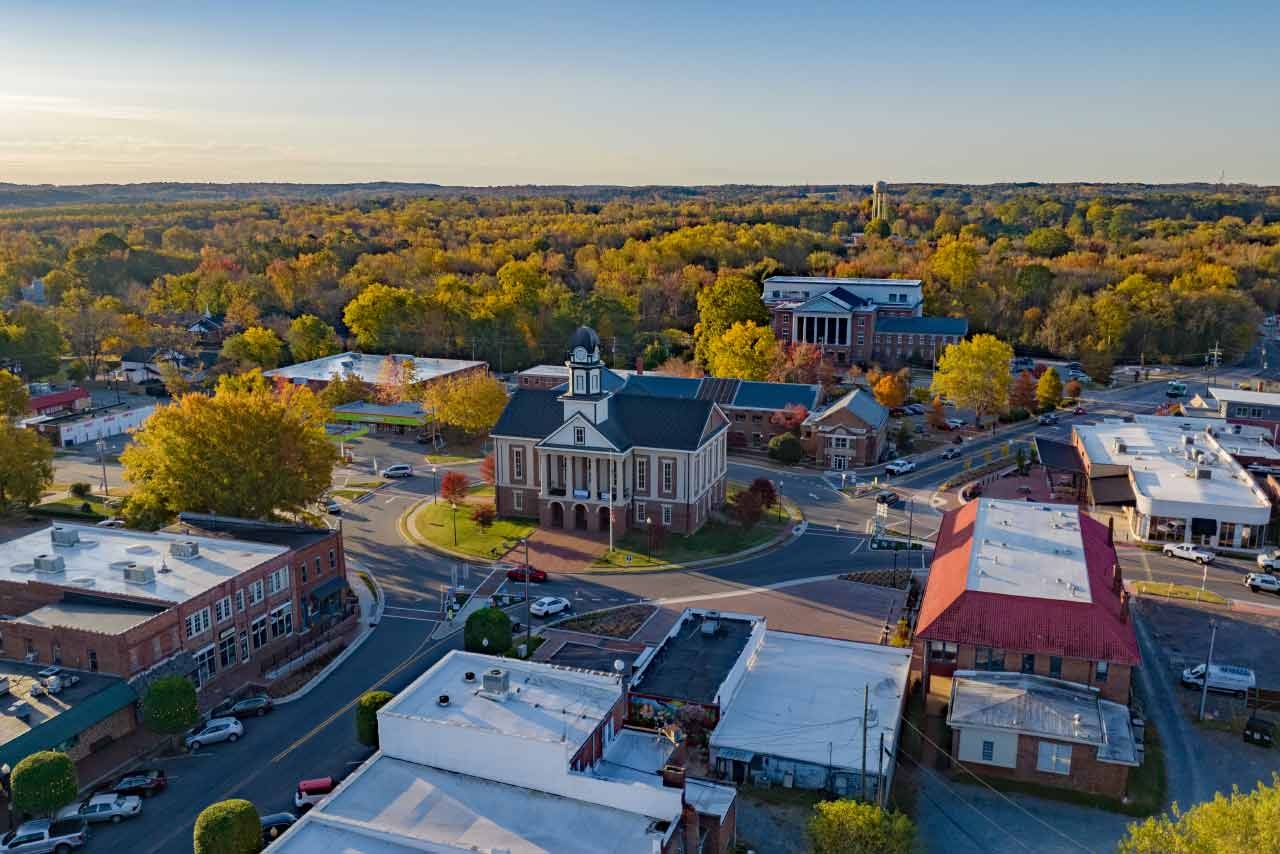
Pittsboro is a small town in central North Carolina, serving as the county seat of Chatham County. With an approximate population of around 4,000 residents, it has retained a quaint, historic small-town character that has made it a popular stop for visitors looking to experience a slower pace than the busier Triangle region. The town sits roughly 30 miles southwest of Raleigh, with Chapel Hill and Durham each an easy drive to the north, and it functions as a gateway to the rolling farmland, vineyards, and forests of Chatham County. In recent years, Pittsboro has gained a reputation as a culinary and craft beverage destination, drawing day-trippers and weekend travelers from across the region.
A few minutes east of the town center, Jordan Lake State Recreation Area spreads across the shoreline of a large reservoir on the Haw River. About a 15-minute drive from downtown, the recreation area offers boating, fishing, swimming, and more than 1,000 campsites, making it one of the most popular outdoor destinations in the Triangle region. Visitors come for the hiking trails, eagle-watching in winter, and the broad open water that draws paddlers and sailors throughout the warmer months.
Just southeast of town, Fearrington Village has become a destination in its own right, known for its English-inspired gardens, locally loved restaurants, and a country inn and spa. About a 10-minute drive from the Pittsboro town square, the development began as a former dairy farm and has grown into a small hub of shops, walking paths, and a celebrated restaurant scene that draws visitors from across the Triangle.
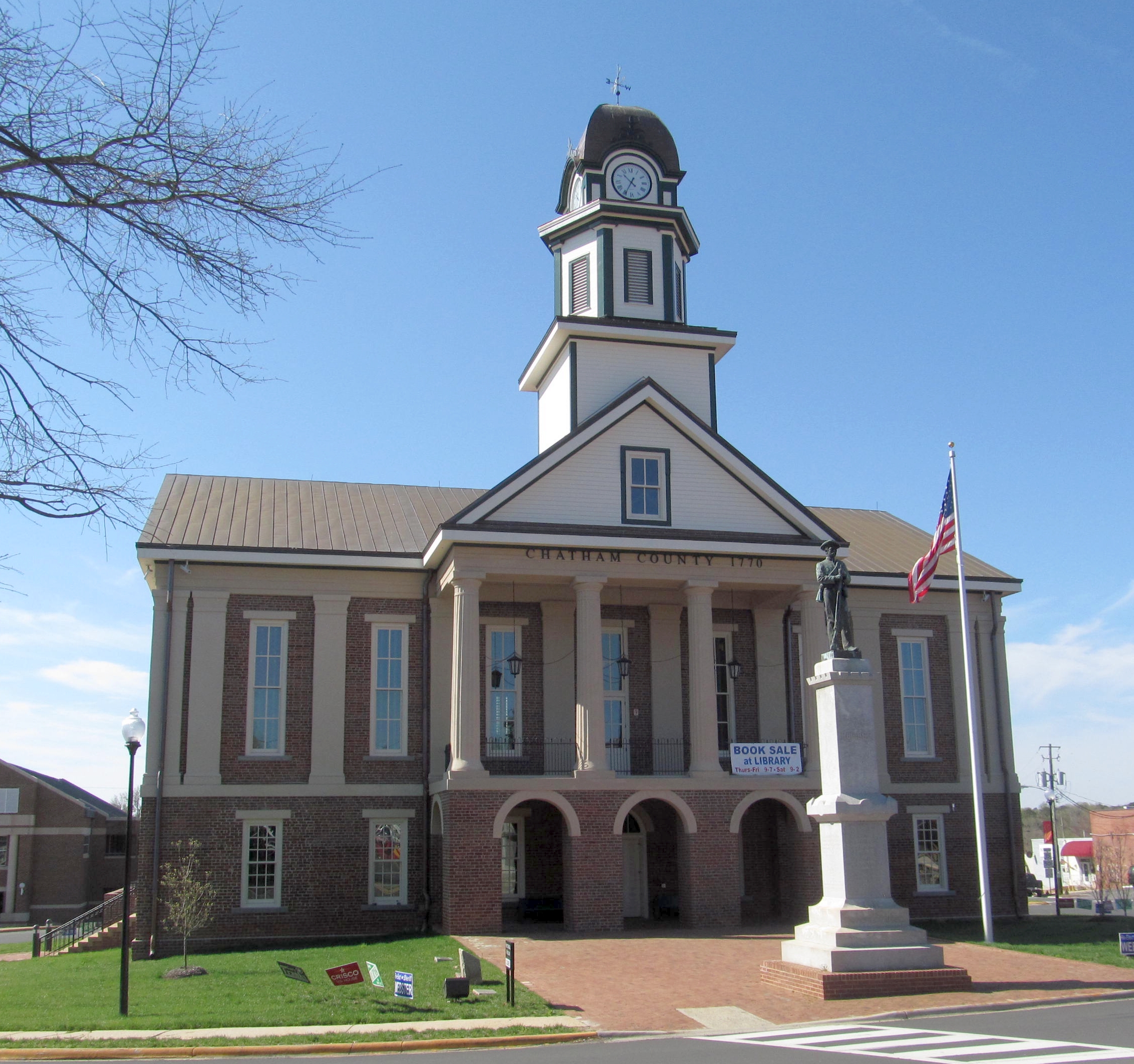
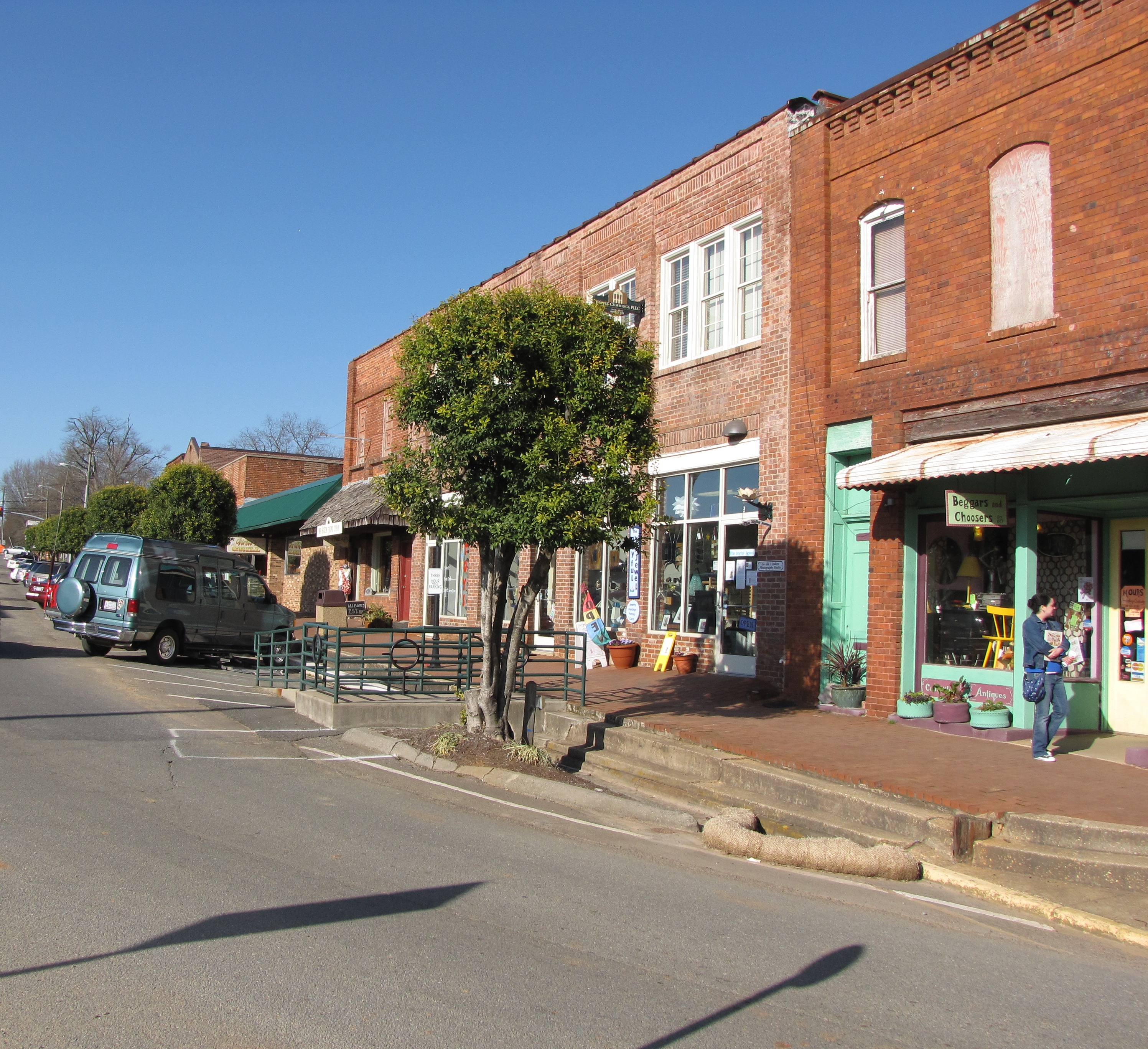
Downtown Pittsboro itself is centered on a historic courthouse circle and a tight grid of locally owned shops, galleries, and eateries, many of them housed in preserved 19th-century buildings. The Chatham Mills development, a converted grist mill complex on the edge of downtown, has helped anchor the town's food reputation with a working food hall, brewery, and small-batch producers. Roughly an hour's drive to the west, the Uwharrie National Forest offers a completely different landscape, with hiking trails, off-road vehicle routes, and lakes tucked into one of the oldest mountain ranges on the East Coast.
Pittsboro is a compelling base for short-term rentals because it combines small-town character with surprisingly easy access to both the cultural amenities of the Triangle and the outdoor recreation of central North Carolina. Visitors can spend the morning on Jordan Lake, the afternoon browsing the downtown shops, and the evening at a local brewery or farm-to-table restaurant, all without the congestion of the larger cities nearby. That blend of accessibility, authenticity, and natural beauty gives the town broad year-round appeal, from lake-going families in summer to leaf-peepers exploring the Haw River valley in autumn.
Want to know if a property in Pittsboro is a good investment?
Enter an address to get instant revenue potential and comps.