
Monroe, North Carolina
Want to see how Monroe compares to other top cities in North Carolina? Explore all city regulations in North Carolina. →
Monroe, NC
Generally Investor Friendly
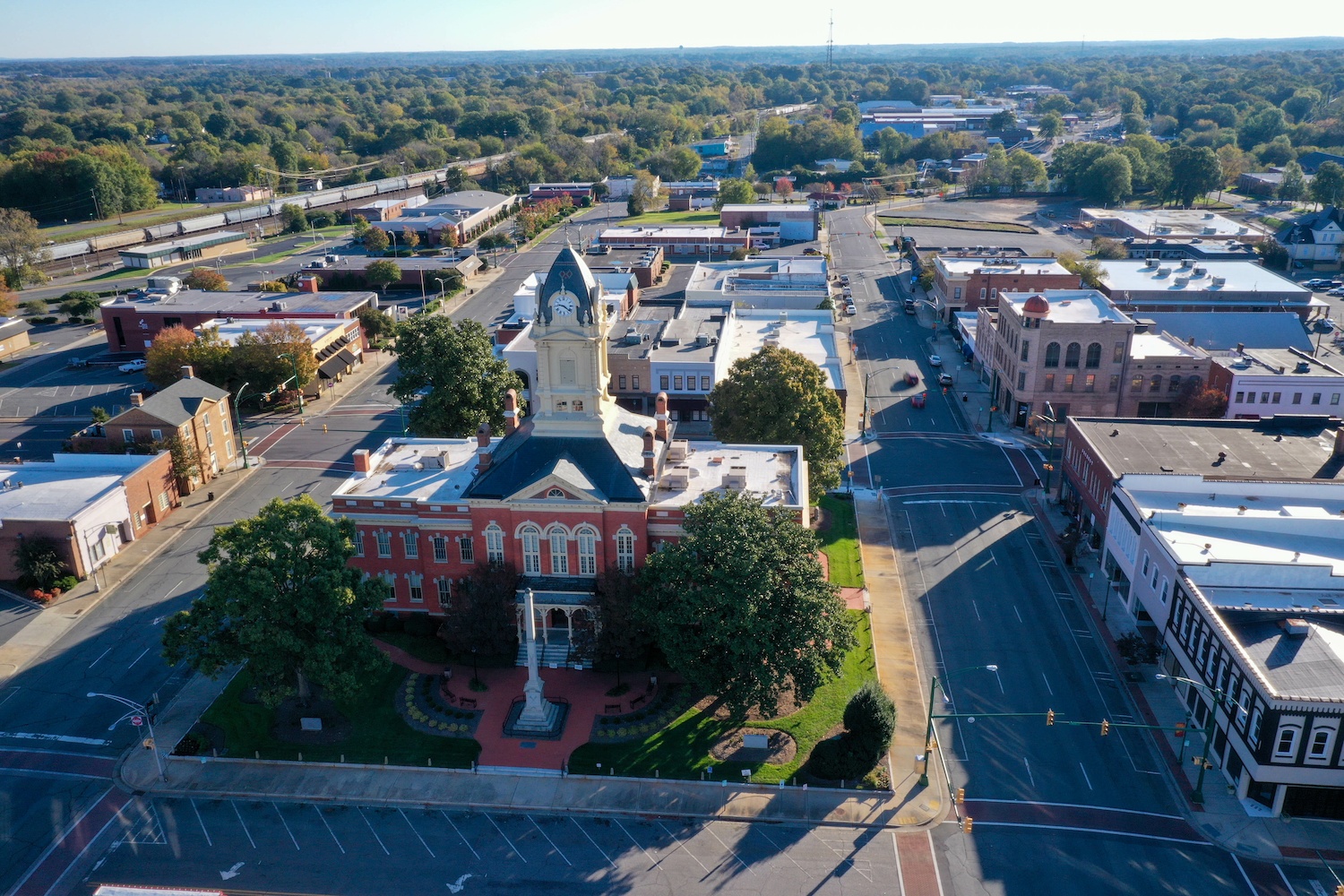
STR Regulations for Monroe, North Carolina
Overview: Are Short-Term Rentals Allowed in Monroe, NC?
Short-term rentals are allowed in Monroe, North Carolina. However, it is important to understand that the city does not have specific ordinances governing short-term rentals at this time. Instead, investors must comply with general housing and rental laws, including North Carolina state regulations and federal requirements. This means that while you can legally operate a short-term rental in Monroe, you must carefully navigate the existing regulatory framework without city-specific STR rules as your guide.
Monroe, located in Union County, presents an attractive market for short-term rental investors due to its proximity to Charlotte, thriving downtown area, and consistent flow of visitors from events such as the Union County Farmers Market and Carolina BalloonFest. The city's blend of small-town charm with big-city amenities creates a unique opportunity for investors willing to operate within the general regulatory framework.
What do Airbnb hosts actually earn in Monroe?
Monroe hosts earn a median $32,423/year with $175 ADR and 64% occupancy.
Top performers pull in $48,477+ per year.
See the full Monroe market breakdownHow to Start a Short-Term Rental Business in Monroe, NC
Starting a short-term rental business in Monroe requires a systematic approach that addresses zoning compliance, legal requirements, and market positioning:
1. Property Selection and Due Diligence
Begin by selecting a property that meets your investment criteria. Since Monroe has no specific STR zoning restrictions, focus on properties that can accommodate short-term rental operations while complying with general zoning requirements. Consider properties near Monroe's downtown area, recreational facilities, and tourist attractions to maximize occupancy potential.
2. HOA and Covenant Review
Before purchasing any property, conduct thorough due diligence on homeowner association rules and private covenants. Many communities in the Charlotte metropolitan area, including Monroe, have strict rules regarding short-term rentals. Since the city does not enforce private covenants, this diligence falls entirely on the investor. Review all HOA documents, CC&Rs (Covenants, Conditions, and Restrictions), and community bylaws to ensure short-term rentals are permitted.
3. Legal Compliance Framework
While Monroe lacks specific STR regulations, investors must comply with broader legal requirements:
- Register your business entity if operating as a formal business structure
- Obtain any necessary business licenses required by Union County
- Comply with North Carolina state tax requirements (detailed below)
- Ensure property meets all safety and health standards applicable to rental housing
4. Insurance Considerations
Secure appropriate insurance coverage for your short-term rental operation. Standard homeowners insurance may not adequately cover short-term rental activities. Consider specialized short-term rental insurance policies that provide coverage for property damage, liability, and business interruption.
Required Documents, Permits, Licenses, and Guidelines
Business Registration and Licensing
- Business License: While Monroe doesn't require specific STR permits, check with Union County for any general business licensing requirements
- Sales Tax Registration: Register with the North Carolina Department of Revenue to collect and remit sales taxes
- Business Entity Registration: Consider forming an LLC or corporation for liability protection and tax advantages
Property Compliance Requirements
Since Monroe follows general housing and rental laws, ensure your property meets:
- Safety Standards: Smoke detectors, carbon monoxide detectors, fire extinguishers
- Health Standards: Proper ventilation, adequate plumbing, safe electrical systems
- Building Code Compliance: All renovations or additions must meet North Carolina State Building Codes
- Zoning Compliance: Ensure the property use is permitted in its zoning district
Tax Registration and Collection Requirements
- North Carolina Sales Tax: 4.75% state sales tax on all short-term rental charges
- Union County Local Sales Tax: 2% local sales tax rate
- Total Combined Rate: 6.75% sales tax on all short-term rental transactions
- Transient Occupancy Tax: Verify if Monroe or Union County imposes any additional transient occupancy taxes
Documentation to Maintain
- Guest registration records and rental agreements
- Tax remittance records and monthly/quarterly filings
- Property maintenance and safety inspection logs
- Insurance policies and coverage documentation
- HOA correspondence and compliance documentation
Specific Regulations for Short-Term Rentals
Municipal Level (City of Monroe)
Monroe does not currently maintain specific short-term rental ordinances. However, the city enforces general housing and rental property standards through its Code Enforcement division. Properties must maintain proper upkeep, safety standards, and compliance with the city's Unified Development Ordinance (UDO). Investors should consult the UDO to understand zoning restrictions, parking requirements, and occupancy limits that may apply to rental properties.
County Level (Union County)
Union County imposes local sales taxes on short-term rental transactions and may have additional business licensing requirements. The county also handles septic system evaluations and environmental health matters that could affect rental property operations. Contact the Union County Environmental Health department for properties using septic systems to ensure compliance with wastewater regulations.
State Level (North Carolina)
North Carolina maintains comprehensive regulations affecting short-term rentals:
Sales and Use Tax Requirements:
- State sales tax rate: 4.75%
- Local sales tax rates vary by county (Union County: 2%)
- Combined rate for Monroe properties: 6.75%
- Monthly or quarterly filing requirements depending on transaction volume
- Potential penalties for non-compliance
Building and Safety Codes: All short-term rental properties must comply with North Carolina State Building Codes, including:
- Residential Building Code requirements
- Fire safety and emergency egress standards
- Electrical, plumbing, and mechanical code compliance
- Accessibility requirements where applicable
Contractor Licensing: Projects valued at $40,000 or more require a licensed North Carolina general contractor. This threshold applies to significant renovations or new construction for rental properties.
HOA and Private Restrictions
Many properties in the Monroe area are subject to private covenants and HOA rules that may be more restrictive than municipal requirements. These can include:
- Complete prohibitions on short-term rentals
- Minimum lease period requirements
- Occupancy limits and guest restrictions
- Parking and noise limitations
- Approval processes for rental activities
Contact Information for Local Authority
While Monroe doesn't maintain a specific STR authority, the following contacts provide relevant oversight and support:
City of Monroe - Planning and Development
Permit Center
- Phone: (704) 282-4661
- Email: [Contact information not provided in source material]
- Website: monroenc.org
- Address: City Hall, 300 W. Crowell Street, Monroe, NC 28112
- Services: Zoning verification, building permits, code compliance
City of Monroe - Building Standards
- Phone: (704) 282-4661
- Website: monroenc.org/204/Building-Standards
- Services: Building permits, inspections, code compliance for rental properties
City of Monroe - Code Enforcement
- Phone: (704) 282-4661
- Website: monroenc.org/226/Code-Enforcement
- Services: Property maintenance standards, rental housing compliance
Union County - Environmental Health
- Phone: (704) 296-4770
- Website: unioncountync.gov
- Address: 500 N. Main Street, Monroe, NC 28112
- Services: Septic system evaluations, environmental health compliance for rental properties
North Carolina Department of Revenue
- Phone: (877) 252-3052
- Website: ncdor.gov
- Services: Sales tax registration, tax filing requirements, compliance guidance
North Carolina Licensing Board for General Contractors
- Phone: (919) 571-4183
- Website: ncblc.gov
- Services: Contractor licensing verification, compliance requirements
Links to Source Pages
Primary Sources:
- Vacation Rental Management in Monroe, North Carolina
- Understanding Monroe NC ADU Regulations: A Comprehensive Guide
Official Government Resources:
- Monroe Unified Development Ordinance
- Monroe Building Standards
- Monroe Permit Center
- Union County Environmental Health
Investment Considerations and Market Dynamics
Monroe's short-term rental market benefits from several factors that create consistent demand throughout the year. The city's proximity to Charlotte (approximately 25 miles) provides access to Charlotte Douglas International Airport and the broader Charlotte metropolitan area, which includes Fortune 500 headquarters, major healthcare systems, and educational institutions. This corporate travel demand supplements leisure tourism driven by Monroe's cultural attractions and outdoor recreational opportunities.
The market experiences distinct seasonality, with peak demand occurring during late spring through summer months, coinciding with warmer weather and outdoor activities. Events like the Union County Farmers Market and Carolina BalloonFest create predictable demand spikes that sophisticated investors can leverage through dynamic pricing strategies.
Properties that successfully compete in Monroe's short-term rental market typically offer a combination of comfort, local charm, and modern amenities. Outdoor spaces such as fire pits, barbecue grills, and covered porches are highly valued given North Carolina's temperate climate. Modern conveniences including high-speed Wi-Fi, fully equipped kitchens, and smart home technology appeal to both leisure and business travelers.
The absence of specific STR regulations in Monroe creates both opportunities and challenges for investors. While there's no city permit process to navigate, the lack of clear regulatory framework means investors must be more vigilant about compliance with applicable state and federal requirements. This environment rewards thorough preparation and conservative operational practices.
Conclusion
Monroe, North Carolina presents a viable short-term rental investment opportunity, particularly for investors who value proximity to Charlotte and access to both leisure and business travel markets. While the city lacks specific short-term rental ordinances, requiring investors to navigate broader regulatory frameworks, the market dynamics and tourist attractions create favorable conditions for well-positioned properties.
Success in Monroe's short-term rental market requires meticulous attention to legal compliance, particularly regarding sales tax collection and remittance, property safety standards, and HOA restrictions. The city's growing reputation as a cultural and recreational destination, combined with its strategic location near Charlotte's business district, positions Monroe as an attractive market for patient investors willing to operate within the existing regulatory framework.
Before investing, conduct thorough due diligence on any prospective property, including comprehensive review of HOA rules, municipal zoning compliance, and state tax requirements. Consider consulting with local real estate professionals and legal advisors familiar with Monroe's market conditions and regulatory environment to optimize your investment strategy and ensure full compliance with applicable laws and regulations.
Next step
Found a property in Monroe?
Paste any address and get estimated revenue, cash-on-cash return, and comparable STR performance in under 5 minutes. 3 free analyses per day.
Free brief
Get the free Monroe STR Investment Brief
Revenue data, top neighborhoods, seasonal trends, and the key regulations for Monroe, North Carolina in one email.
Monroe
Market Saturation Score
Photos of Monroe


Overview of Monroe
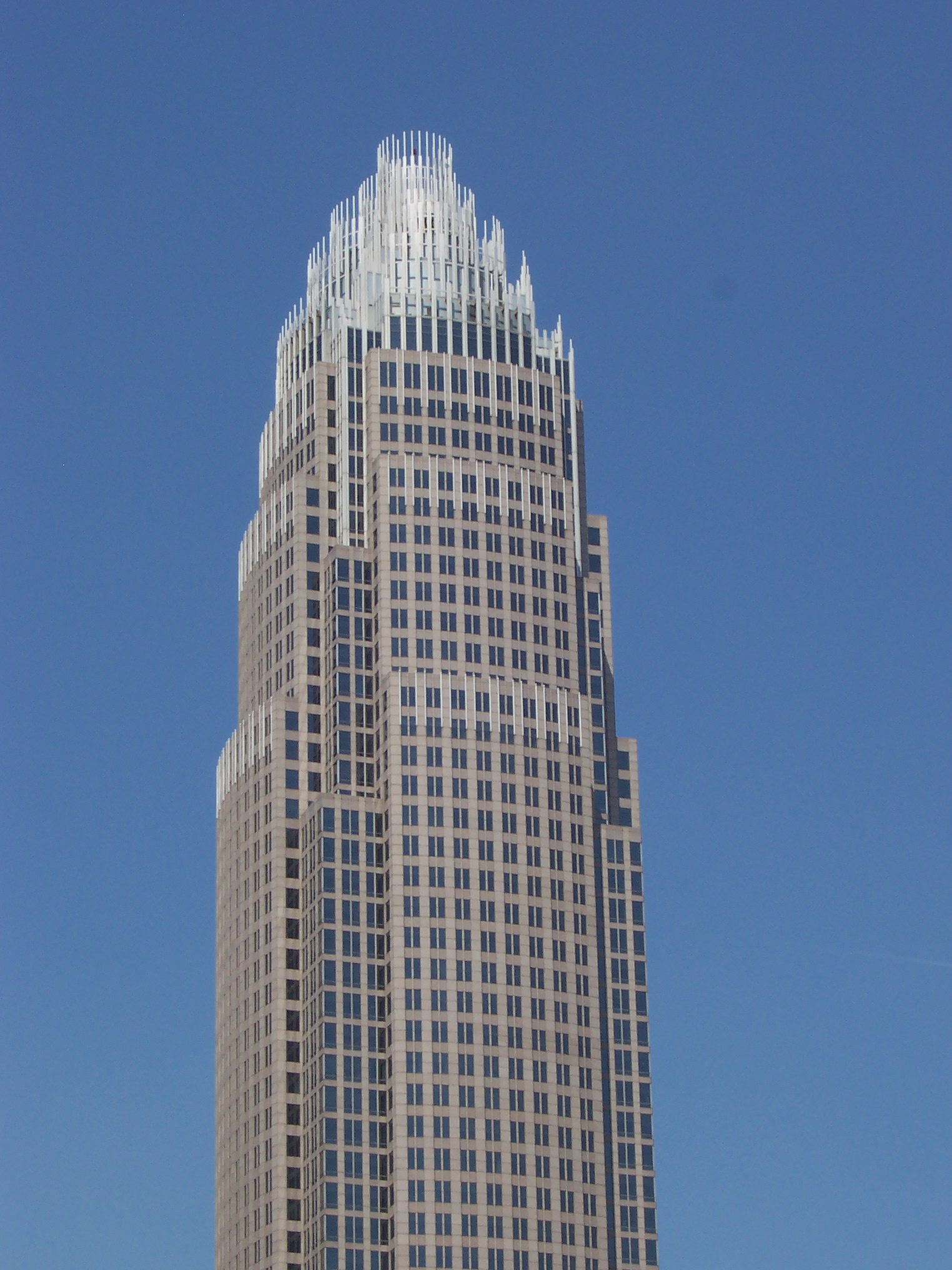
Monroe is a small city in Union County, North Carolina, serving as the county seat and the unofficial hub of one of the Charlotte metro area's fastest-growing suburban corridors. With a population of roughly 35,000 residents, it carries a relaxed, small-town character that sits in interesting contrast to the sprawling urban energy just up the road in Charlotte, which lies about 30 miles to the northwest. Known for its preserved historic downtown centered on a stately early-twentieth-century courthouse, Monroe blends agricultural roots, antebellum and Victorian architecture, and a steady stream of new development tied to Charlotte's regional growth. It functions as a convenient gateway to both the Charlotte metropolitan area and the quieter rural landscapes of the central Piedmont and Uwharrie region to the east.
A short drive northwest brings visitors to the U.S. National Whitewater Center, about 40 minutes from Monroe on the outskirts of Charlotte. Set along the Catawba River, the center offers whitewater rafting and kayaking, zip-lining, mountain biking trails, rock climbing, and a network of wooded paths that draw outdoor enthusiasts year-round. Its combination of paid adventure activities and free trail access makes it an easy day trip for guests based in Monroe who want a bigger dose of adrenaline.
About 45 minutes to the northwest, the city of Concord is home to Charlotte Motor Speedway, one of the most famous NASCAR venues in the country. The speedway hosts major race weekends, including the Coca-Cola 600, along with car shows, driving experiences, and holiday events at its on-site Christmas attraction. Visitors staying in Monroe can comfortably drive in for race day or a special event without the higher lodging prices found closer to the track.
For a slower-paced outing, Crowders Mountain State Park sits roughly an hour west of Monroe near Gastonia, offering rugged hiking trails, panoramic summit views, rock climbing, and picnic areas. Its distinctive twin peaks and quiet backcountry loops make it a popular escape for hikers, climbers, and families looking to trade pavement for trail time.
Families and thrill-seekers will also find Carowinds within roughly 45 minutes of Monroe, straddling the North Carolina–South Carolina border. The amusement park pairs a classic wooden coaster, a major steel-hyper coaster, and a sizable water park, anchoring a full day of entertainment on the southern edge of the Charlotte region.
Monroe's appeal for short-term rentals lies in this balance. Guests get the calm of a walkable historic downtown, locally owned restaurants, and country roads, while remaining within easy reach of Charlotte's professional sports, dining, and entertainment, plus a string of regional outdoor and family attractions. The result is a flexible base that suits both weekend race-goers and longer Piedmont-region explorers.
Want to know if a property in Monroe is a good investment?
Enter an address to get instant revenue potential and comps.