
Greenville, North Carolina
Want to see how Greenville compares to other top cities in North Carolina? Explore all city regulations in North Carolina. →
Greenville, NC
Very Investor Friendly
STR Regulations for Greenville, North Carolina
Overview: Are short‑term rentals allowed in Greenville, NC?
Yes. As of the last reported City Council discussion (Oct 2022), short‑term rentals are allowed in Greenville, North Carolina. The City Council considered, but did not adopt, city‑level regulations for STRs (often called Airbnb/Vrbo‑type rentals). No city‑specific permitting or registration is in place, and the city does not currently limit where STRs may operate within residential zoning. Owners should, however, comply with North Carolina’s state‑level framework (definition and tax rules) and local nuisance and code‑enforcement ordinances. Keep in mind that if the city acts in the future to adopt permitting or zoning standards, those would apply. Always verify current local requirements before starting operations.
References:
- www.reflector.com/news/local/greenville-council-takes-no-action-on-short-term-rental-regulations/article_132ad77f-6117-5b8e-973a-4e1fa4c46179.html
- www.cedarmanagementgroup.com/nc-short-term-rental-regulation/
What do Airbnb hosts actually earn in Greenville?
Greenville hosts earn a median $23,576/year with $139 ADR and 62% occupancy.
Top performers pull in $32,345+ per year.
See the full Greenville market breakdownHow to start a short‑term rental business in Greenville, NC
The following practical steps are tailored for Greenville investors and incorporate North Carolina rules that apply regardless of city‑level action.
- Confirm zoning and neighborhood constraints
- Use status: As of Oct 2022, Greenville has no city ordinance restricting STRs by zoning district, permit, or occupancy limits. STRs may operate in residential areas.
- Check HOA/Covenant: If the property is in a homeowners association or has covenants, verify rental restrictions. HOA rules can restrict STRs even if the city does not.
- Build/safety: Meet all applicable building, housing, and fire code standards. Ensure the unit is safe for guests (e.g., working smoke/CO detectors, safe egress, sanitation).
- Understand the state definition of “short‑term rental”
- Under North Carolina’s Vacation Rental Act (G.S. Chapter 42A), a short‑term rental is the rental of a residential property for less than 90 days for vacation, leisure, or recreational purposes, where the tenant maintains another permanent residence. The 90‑day threshold is state law; local governments sometimes use shorter periods for definitions, but that does not alter the statutory 90‑day definition for state purposes.
- Taxes and registration (what you actually must do)
- Sales and use tax: STRs in North Carolina are subject to state sales and use tax. Register with the North Carolina Department of Revenue (NCDOR) to obtain a Sales and Use Tax Certificate of Registration and file returns.
- Local occupancy/lodging taxes: You are also responsible for local occupancy/lodging taxes administered by local tax jurisdictions (e.g., county or city). Register with the appropriate local tax authority and set up remittance.
- Marketplace facilitation: If you rent only through a marketplace that facilitates tax collection (e.g., Airbnb, Vrbo), you generally don’t need to register with the state for those taxes, as the marketplace will collect and remit. If you accept direct bookings, you must register and remit the taxes yourself.
- Tax administrator references:
- North Carolina Department of Revenue (NCDOR): www.ncdor.gov/
- NC Department of Revenue Registration Page: onlineservices.nc.gov/Registration/
- Operations setup
- Insurance: Obtain appropriate general liability and property coverage for STR operations. Consider landlord/host policies and ensure coverage for short‑term guest exposures.
- Guest screening and rules: Use a booking platform’s verification tools. Adopt clear house rules for occupancy, noise, parking, pets, parties/events, smoking, and trash.
- Local ordinances: While Greenville has no STR‑specific ordinance, the following still apply:
- Noise, trash, parking, and nuisance: Familiarize yourself with city nuisance ordinances and noise standards. Plan for quiet hours and trash pickup to avoid violations.
- Building/housing codes: Keep interiors safe and compliant. Address maintenance promptly.
- Recordkeeping: Keep booking records, guest communications, and tax filings organized for audits and compliance.
- Marketing and listing
- List on platforms (Airbnb/Vrbo) or market directly. For direct bookings, set up a simple booking engine, require accepted house rules, and collect the required taxes.
- Clarify local limits: If the city later adopts rules, update your listing accordingly (e.g., occupancy caps, parking limits, or special‑use permit requirements if enacted).
Required documents, permits, licenses, and guidelines
Based on available, authoritative sources and the absence of any city‑level STR ordinance in Greenville as of Oct 2022:
- City level (Greenville, NC):
- No local registration, permit, or license is currently required for STRs, and there are no zoning restrictions currently in place.
- State level (North Carolina):
- NCDOR Sales and Use Tax Certificate of Registration: required if you collect/remit sales and use tax (e.g., direct bookings).
- Local occupancy/lodging tax registration: required with the relevant local tax authority for county/city lodging taxes.
- Operational guidance:
- Building and housing codes: Ensure compliance; maintain safe conditions for guests.
- Nuisance/noise/trash/parking: Operate in a manner that avoids creating a public nuisance.
- Property‑specific:
- HOA rules/covenants: Review and comply; HOAs can restrict STRs via their private covenants even if the city does not.
- Insurance: Maintain adequate coverage for hosting guests.
Note: If Greenville adopts a local STR ordinance in the future, expect permitting, occupancy limits, vehicle caps, and compliance reporting to be added. Monitor city communications.
Specific regulations for short‑term rentals: Greenville (City), Pitt County, and North Carolina (State)
-
City of Greenville (as of Oct 2022):
- No city ordinance regulating STRs (no registration/permit, no zoning restrictions, no occupancy/vehicle limits, no anti‑party event rule). The City Council discussed options but took no action.
- General ordinances still apply (noise, trash, parking, nuisance). Address complaints promptly through guest communication and operational controls.
- Historical/Design Review: If your property lies within any historic district or design review overlay, verify signs/appearance rules; the City discussed district signage updates but no STR linkage was adopted.
-
Pitt County:
- No county‑specific STR regulatory provisions identified in the provided materials. County may administer local occupancy/lodging taxes—verify current requirements and registration process.
-
State of North Carolina:
- Short‑term rental definition: G.S. 42A defines STRs as rentals of residential property for less than 90 days for vacation/leisure purposes where the tenant maintains another permanent residence.
- Vacation Rental Act (G.S. Chapter 42A): Governs safety/liability and landlord‑tenant matters for STRs.
- Taxes: State sales/use tax applies; local occupancy/lodging taxes also apply and must be collected/remitted via NCDOR and the relevant local tax jurisdiction.
- Pending proposal: Senate Bill 667 (2023) would have limited city regulatory authority over STRs (e.g., prohibiting bans, owner‑occupancy requirements, night caps; allowing limited permitting tied to health and safety with nominal fees; vehicle/occupancy limits; and local compliance standards). SB 667 did not advance and is not current law. City and county rules already in effect (if any) continue to apply. Monitor for future state action.
References:
- www.reflector.com/news/local/greenville-council-takes-no-action-on-short-term-rental-regulations/article_132ad77f-6117-5b8e-973a-4e1fa4c46179.html
- www.cedarmanagementgroup.com/nc-short-term-rental-regulation/
- NC Vacation Rental Act: www.ncleg.gov/Laws/GeneralStatuteSections/Chapter42A
- NCDOR: www.ncdor.gov/
- SB 667 (2023) text: www.ncleg.gov/Sessions/2023/Bills/Senate/PDF/S667v1.pdf
Contact information (phone, email, website)
- North Carolina Department of Revenue (NCDOR)
- Website: www.ncdor.gov/
- Registration (online): onlineservices.nc.gov/Registration/
- Phone (general info): 1‑877‑252‑3052 (to verify current local tax office numbers and reporting requirements)
- City of Greenville (for nuisance and code compliance; no STR permit office exists currently)
- City Hall phone: 252‑329‑9500 (to connect to Planning/Code Enforcement/Nuisance divisions)
- Mailing address: 1150 Sugg Pkwy, Greenville, NC 27834
- City website: www.greenvillenc.gov/ (directory for departments such as Planning & Development, Code Enforcement)
- Pitt County Tax Office (to confirm local occupancy/lodging tax registration)
- Website: www.pittcountync.gov/ (directory for “Tax Office,” “Revenue,” or “Collections”)
- Phone: Use the county’s main number listed on the official site to route to the Tax Office
Note: Contact details are provided for official channels. Because the city has not adopted an STR‑specific permitting program, there is no dedicated STR permitting office or email at this time.
Links to source pages
- www.reflector.com/news/local/greenville-council-takes-no-action-on-short-term-rental-regulations/article_132ad77f-6117-5b8e-973a-4e1fa4c46179.html
- www.greenvillesc.gov/1572/Short-Term-Rentals (unrelated; appears to reference Greenville, SC)
- www.cedarmanagementgroup.com/nc-short-term-rental-regulation/
- www.ncleg.gov/Laws/GeneralStatuteSections/Chapter42A
- www.ncdor.gov/
- onlineservices.nc.gov/Registration/
- www.ncleg.gov/Sessions/2023/Bills/Senate/PDF/S667v1.pdf
Important final notes:
- The absence of city regulation today does not guarantee permanent permissibility. If Greenville adopts an STR ordinance, expect permitting, occupancy/vehicle caps, compliance standards, and possibly fees. Monitor City Council actions.
- HOA and private covenants can limit or prohibit STRs independent of city/state rules.
- Taxes must be collected and remitted via NCDOR and the appropriate local tax authority. If you only use marketplaces that facilitate tax collection, ensure that your platform is registered to remit in your jurisdiction; otherwise, register and file yourself.
Next step
Found a property in Greenville?
Paste any address and get estimated revenue, cash-on-cash return, and comparable STR performance in under 5 minutes. 3 free analyses per day.
Free brief
Get the free Greenville STR Investment Brief
Revenue data, top neighborhoods, seasonal trends, and the key regulations for Greenville, North Carolina in one email.
Greenville
Market Saturation Score
Photos of Greenville


Overview of Greenville
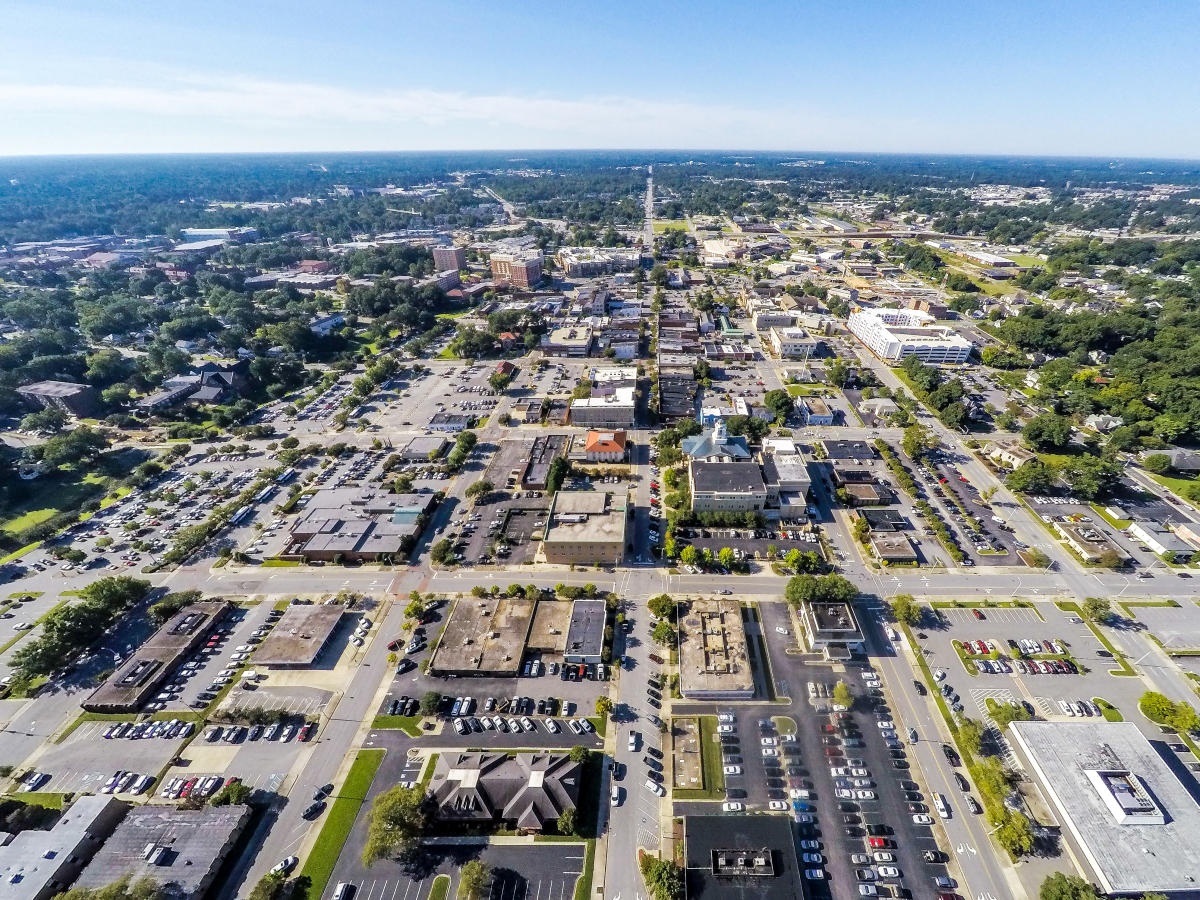
Greenville is a mid-sized city in eastern North Carolina, serving as the seat of Pitt County. With a population of roughly 87,000, it carries the energy of a college town anchored by East Carolina University, one of the larger public universities in the state, while also functioning as a regional commercial and medical hub for surrounding rural counties. Its character blends a leafy, low-rise downtown and a revitalized uptown dining district with the bustle of a large university campus, a growing food scene, and a steady calendar of cultural and sporting events that draws visitors from across eastern North Carolina. Located about 85 miles east of Raleigh along the Tar River, Greenville also serves as a convenient inland base for travelers exploring the broader coastal plain and the Atlantic coast.
East Carolina University is the city's most prominent institution and a year-round draw, with the Pirates competing in NCAA Division I athletics. Football games at Dowdy-Ficklen Stadium, along with concerts, theater, and other events on the East Carolina University campus, bring thousands of visitors to the city, particularly in the fall. The walkable campus, its public art, and its nearby entertainment strips add a youthful, energetic layer to the city's identity.
Just minutes from downtown, River Park North is a Pitt County park built around a roughly 60-acre lake and miles of wooded trails. Locals and visitors come for fishing, kayaking, paddleboarding, picnicking, and easy loops through longleaf pine forest, making it a relaxed outdoor escape without leaving the city limits.
About an hour and a half to two hours east, the Outer Banks barrier islands offer wide Atlantic beaches, historic lighthouses, and the Wright Brothers National Memorial, while roughly 45 minutes southeast lies the colonial river town of New Bern, known for its preserved downtown and its claim as the birthplace of Pepsi. Closer to home, Cliffs of the Neuse State Park sits about 45 minutes west of Greenville, where bluffs drop down to the Neuse River and a small lake supports swimming, paddling, and miles of shaded hiking trails.
Greenville's appeal for short-term rentals comes from this layering of demand drivers: ECU's academic calendar and home-football weekends, a major regional medical center that brings patient families and visiting professionals, and a strategic location within easy reach of the coast, historic river towns, and the Research Triangle. The mix of affordable stays, walkable entertainment districts, and access to both beaches and forest gives the city a year-round occupancy profile that rewards well-located, well-staged properties.
Want to know if a property in Greenville is a good investment?
Enter an address to get instant revenue potential and comps.