
Glenville, North Carolina
Want to see how Glenville compares to other top cities in North Carolina? Explore all city regulations in North Carolina. →
Glenville, NC
Generally Investor Friendly
STR Regulations for Glenville, North Carolina
Overview: Are Short-Term Rentals Allowed in Glenville, NC?
Short-term rentals are allowed in Glenville, NC. There are no Glenville-specific regulations identified in the provided sources, so operators must comply with the statewide North Carolina framework (primarily the Vacation Rental Act, Chapter 42A) and any applicable county-level requirements for Jackson County. The statewide definition treats STRs as “vacation rentals” when rented for fewer than 90 days by a person who has a permanent residence to return to; hotels, motels, and certain other categories are excluded. In practice, Glenville operates within a low-regulation environment at the local level; however, state rules and tax obligations still apply and must be met for lawful operation.
What do Airbnb hosts actually earn in Glenville?
Glenville hosts earn a median $37,489/year with $344 ADR and 46% occupancy.
Top performers pull in $51,348+ per year.
See the full Glenville market breakdownHow to Start a Short-Term Rental Business in Glenville, NC
- Confirm zoning and land use
- Because Glenville has no specific STR ordinances in the provided materials, verify with Jackson County planning/zoning that the intended use is permitted on the subject property. Vacation rentals are treated as a residential use under the NC Vacation Rental Act, but local zoning still governs what uses are allowed on a given parcel.
- Register for and collect taxes
- Register with the North Carolina Department of Revenue (NCDOR) to obtain a Sales and Use Tax Certificate of Registration; this enables you to collect and remit state and local sales tax and any local occupancy tax. If all of your bookings are processed by a marketplace facilitator (e.g., Airbnb, Vrbo) that collects and remits North Carolina sales tax on your behalf, you need not register with the state for sales tax; however, local occupancy tax obligations may still require separate registration and filings. See the tax section below for specifics.
- Use the official lodging/occupancy tax rate lookup tool to confirm the jurisdiction-specific rates and filing requirements that apply to your Glenville address.
- Adopt the required operating agreements and trust accounting
- Provide a written vacation rental agreement to each guest, signed by both parties. The agreement must outline fees (daily, processing, cleaning), handling of funds, and the rights/obligations of the landlord or real estate broker and the guest.
- Maintain a trust account at a federally insured depository institution (or a trust institution authorized to do business in North Carolina) to deposit rents, security deposits, and other guest funds.
- Equip the property with required safety devices
- Install and maintain at least one operable smoke detector per rental unit, and at least one carbon monoxide alarm per level. Ensure compliance with applicable building, housing, elevator safety, and habitability standards.
- Establish insurance and compliance protocols
- Carry liability insurance appropriate for short-term rental operations (common market standard is $1M general liability, though individual lenders/insurers may require more).
- Maintain records (e.g., guest logs, agreements, financial records) in accordance with state requirements (e.g., keeping guest lodger lists in Raleigh is required for three years; while Glenville lacks similar language, maintaining comprehensive records is prudent).
- Listing and operations
- If/when you use a marketplace facilitator, review its tax collection and remittance policies to determine whether you are already covered for sales tax.
- Publish clear house rules, maximum occupancy, and parking allocations consistent with state requirements and local norms.
- Maintain clear communications and迅速 respond to guest needs and community concerns.
Required Documents, Permits, Licenses, and Guidelines
State-level (mandatory)
- Vacation rental agreement (written, signed).
- Trust account (federally insured depository or authorized trust institution).
- Sales and Use Tax Certificate of Registration (NCDOR), unless your only transactions are processed by a marketplace facilitator that already remits sales tax for you.
- Liability insurance adequate for STR operations.
- Safety equipment: smoke detectors (minimum one per rental unit), carbon monoxide alarms (minimum one per level).
County-level (Jackson County, NC)
- Local occupancy tax registration and filings: confirm whether the county administers an occupancy tax and, if so, register, collect, and remit. Filing frequency and minimum thresholds vary; use the official rate lookup to confirm the specific obligations tied to your Glenville address.
Local (Glenville)
- No city-specific permit or license is identified in the provided materials. However, before listing, verify with Jackson County planning/zoning that STR use is permissible at the subject property and that no local business license or additional approvals are required.
Operational records
- Maintain guest records and agreements. Although the three‑year lodger record requirement is specific to Raleigh, maintaining such records is a best practice and may be required elsewhere or by insurers.
- Keep tax remittance records, insurance documents, and safety device maintenance logs.
Specific Regulations for Short-Term Rentals (City/County/State)
State (NC Vacation Rental Act, Chapter 42A)
- Written vacation rental agreement required.
- Trust account required for deposits and rents.
- Compliance with building/housing codes, elevator safety, habitability standards.
- Maintain common areas safely; keep electrical, plumbing, sanitary, heating, ventilating systems and major appliances in good and safe working order.
- Provide at least one operable smoke detector per rental unit and a minimum of one carbon monoxide alarm per level.
- Operational responsibilities include making all required repairs to keep the property fit and habitable.
County (Jackson County, NC)
- Local occupancy tax may apply; if it does, you must register, collect from guests, and remit on the prescribed schedule. Confirm exact rates and filing frequency with the official lodging tax rate lookup tool.
City (Glenville, NC)
- No city-specific STR regulations are identified in the provided materials. If Glenville enacts future ordinances, operators must comply; check the town/clerk’s official channels for updates.
Other operational norms (common in NC localities)
- Liability insurance (market standard often $1M).
- Maximum occupancy and parking standards (confirm locally).
- Compliance with state sales and local occupancy tax collection/remittance.
- Registration and compliance with local zoning; HOAs/condo associations may further restrict STR operations.
Note on taxes (applicability and marketplace facilitators)
- North Carolina requires marketplace facilitators (e.g., Airbnb/Vrbo) exceeding state thresholds to collect and remit sales tax on behalf of hosts. If all your transactions flow through such a facilitator, you are not required to register with the state for sales tax; however, local occupancy tax obligations may still require separate action.
- Short-term rentals of a private residence for fewer than 15 days in a calendar year are generally tax-exempt unless the reservation is processed by a marketplace facilitator.
Contact Information for Local Authority in Charge of STRs
Because Glenville does not have city-specific STR regulations in the provided sources, the primary local contacts are at the county level, with the state providing the statutory framework.
-
North Carolina Department of Revenue (NCDOR)
- Registration and filing for sales tax and state-level administration.
- Phone: 877‑252‑3052
- Website: www.ncdor.gov
-
Jackson County (NC) Planning/Building and Tax Offices
- Zoning confirmation, local permits (if any), local occupancy tax administration.
- Phone: Check the county website’s contact directory for current numbers.
- Website: www.jacksonnc.org
-
Lodging/Occupancy Tax Rate Lookup (official tool)
- Use to confirm jurisdiction-specific rates, registration requirements, and filing frequency for your Glenville address.
- Tool: mylodgetax.avalara.com/mylodgetax/en/resources/rate-lookup.html
Links to Source Pages
- North Carolina Vacation Rental Act (Chapter 42A): www.ncleg.gov/Laws/GeneralStatuteSections/Chapter42A
- NC Department of Revenue (sales tax and registration): www.ncdor.gov
- Jackson County, NC official website (local government contacts and services): www.jacksonnc.org
- Avalara MyLodgeTax lodging tax rate lookup (jurisdiction-specific rates and filing frequency): mylodgetax.avalara.com/mylodgetax/en/resources/rate-lookup.html
- North Carolina short‑term rental overview and state‑level requirements (Summer/GoSummer): www.gosummer.com/post/north-carolina-short-term-rental-laws
- North Carolina STR overview with tax details and marketplace facilitation context (Hostaway): www.hostaway.com/blog/airbnb-rules-north-carolina/
- Glenville STR market context (AirROI): www.airroi.com/report/world/united-states/north-carolina/glenville
Notes and investor takeaways
- The absence of city-specific STR controls in Glenville makes the market accessible, but state-level compliance and potential county-level occupancy tax obligations still require diligent setup and ongoing filing.
- Always verify jurisdiction‑specific occupancy tax rates and filing cadence with the official lookup tool and confirm zoning use with Jackson County before acquiring or listing a property.
Next step
Found a property in Glenville?
Paste any address and get estimated revenue, cash-on-cash return, and comparable STR performance in under 5 minutes. 3 free analyses per day.
Free brief
Get the free Glenville STR Investment Brief
Revenue data, top neighborhoods, seasonal trends, and the key regulations for Glenville, North Carolina in one email.
Glenville
Market Saturation Score
Photos of Glenville
Overview of Glenville
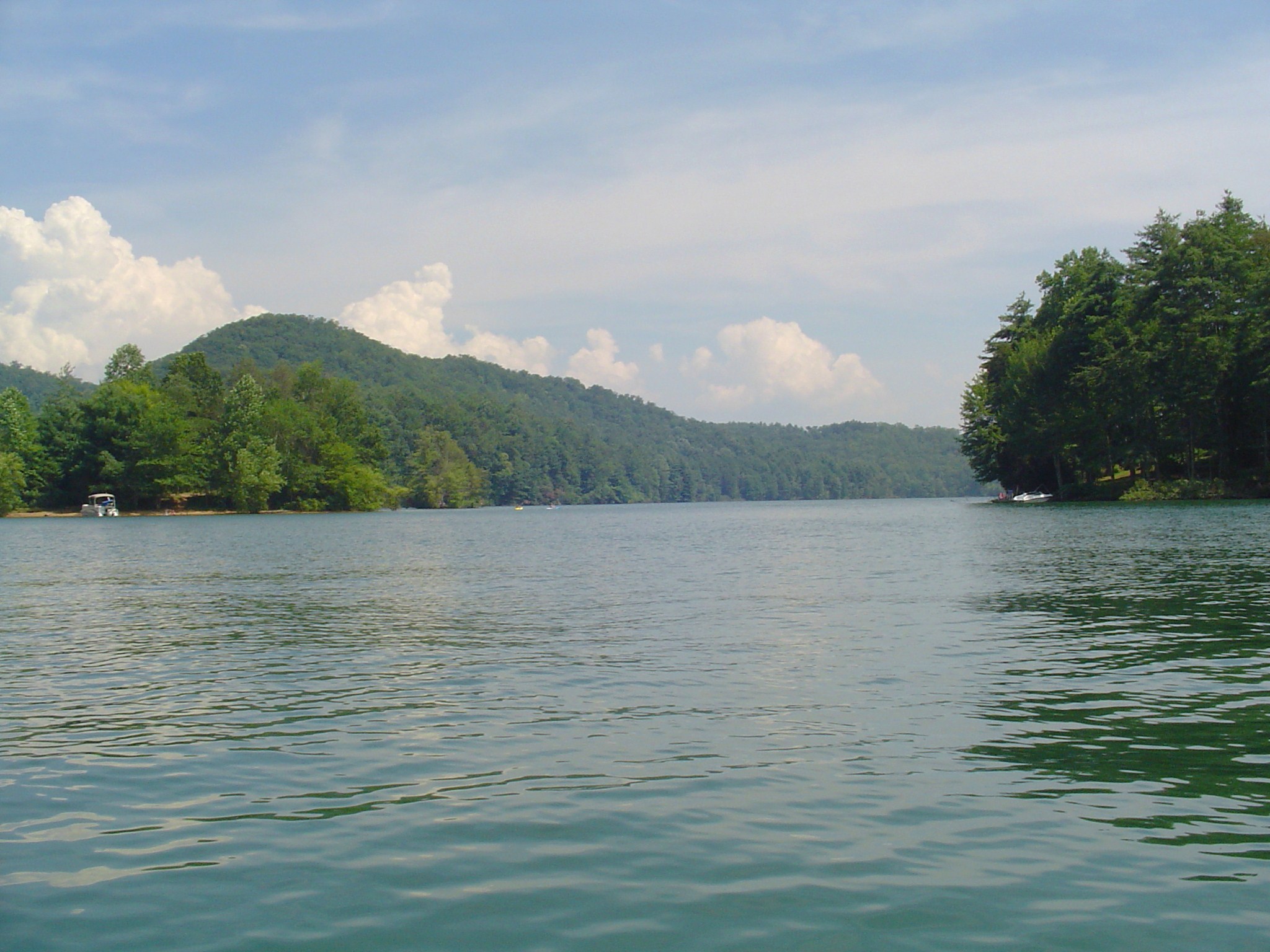
Glenville is a small unincorporated community tucked into the Blue Ridge Mountains of western North Carolina, situated in Jackson County. With a population of only a few hundred residents, the community has a quiet, rural character defined by forested ridges, cool mountain air, and the deep waters of the lake that shares its name. It functions as a gateway to one of the most scenic stretches of the southern Appalachians, including the popular resort villages of Cashiers and Highlands. The nearest major city is Asheville, located roughly 60 to 70 miles to the northeast, or about a two-hour drive along winding mountain roads.
The centerpiece of the area is Lake Glenville, an impoundment of the Tuckasegee River that sits at more than 3,500 feet in elevation and is widely cited as the highest lake of its size east of the Mississippi. Visitors come for boating, kayaking, fishing, and swimming, and the lake's shoreline features several waterfalls — including High Falls, which tumbles directly into the water — that are among the most photographed spots in the region. A series of public boat ramps and small lakeside parks provide easy access, and the surrounding hills are dotted with both modest cabins and larger vacation properties.
Just west of Glenville lies Panthertown Valley, a roughly 6,300-acre backcountry tract within the Nantahala National Forest that is sometimes called the "Yosemite of the East" for its granite domes, trout streams, and open meadows. The area is laced with more than 30 miles of trails suited to hiking, mountain biking, and horseback riding, and it remains considerably less crowded than the more famous routes in nearby national parks. Access is free, though parking and access details are managed through the U.S. Forest Service.
A short drive south brings visitors to the mountain village of Highlands, North Carolina, an upscale summer retreat known for its cool temperatures, botanical gardens, and a thriving arts and dining scene. Even closer, the village of Cashiers offers a more casual atmosphere with locally owned shops, restaurants, and a celebrated public square. For those willing to venture a bit farther, Gorges State Park and the towering cliffs of Whiteside Mountain lie within about 20 miles and offer some of the most dramatic vistas in the eastern United States.
Glenville's appeal for short-term rental investors lies in the combination of small-community quiet and easy access to a remarkable cluster of natural and cultural attractions. Guests drawn to the lake, the surrounding national forest, and the highland villages of Cashiers and Highlands find a year-round calendar of activities — from summer lake days and fall leaf-peeping to winter scenery and spring wildflower hikes — that supports demand across all four seasons.
Want to know if a property in Glenville is a good investment?
Enter an address to get instant revenue potential and comps.