
Burlington, North Carolina
Want to see how Burlington compares to other top cities in North Carolina? Explore all city regulations in North Carolina. →
Burlington, NC
Generally Investor Friendly
STR Regulations for Burlington, North Carolina
Overview
Short-term rentals are allowed in Burlington, NC. However, the city has implemented specific regulations including a municipal room occupancy tax and operates under North Carolina state-level framework for short-term rental properties.
What do Airbnb hosts actually earn in Burlington?
Burlington hosts earn a median $26,615/year with $159 ADR and 58% occupancy.
Top performers pull in $38,577+ per year.
See the full Burlington market breakdownHow to Start a Short-Term Rental Business in Burlington, NC
To establish a short-term rental business in Burlington, NC, investors should follow these key steps:
-
Property Selection and Zoning Compliance: Ensure your property is located in an area where short-term rentals are permitted under local zoning regulations.
-
Business Registration: Register your short-term rental business with the city's Planning and Development Department.
-
Permit Acquisition: Obtain all required permits before operating.
-
Tax Registration: Register for and comply with the municipal room occupancy tax requirements.
-
Insurance: Secure appropriate insurance coverage for short-term rental operations.
-
Compliance Setup: Implement systems to monitor and maintain compliance with all applicable regulations.
Required Documents, Permits, Licenses, and Guidelines
Based on the available information, short-term rental operators in Burlington, NC need to ensure compliance with the following requirements:
Business Licenses and Permits
- Business Registration: Required with the city
- Short-Term Rental Permit: Must be obtained from the city's Planning and Development Department
- Zoning Compliance: Properties must comply with local zoning regulations
Tax Registration and Collection
- Municipal Room Occupancy Tax Registration: 3% tax rate (effective July 1, 2024)
- Sales Tax Registration: State sales tax compliance (applies to accommodations under G.S. 105-164.4(a)(3))
Operational Requirements
- Occupancy Limits: Maximum of two adults per bedroom
- Guest Registration: Maintain records of guests as required by local regulations
Specific Regulations for Short-Term Rentals
City-Level Regulations (Burlington, NC)
Municipal Room Occupancy Tax: Burlington City Council has established a 3% room occupancy tax on gross receipts derived from rental accommodations subject to state sales tax. Key provisions include:
- Effective Date: July 1, 2024
- Administration: Tax is administered, collected, and enforced per G.S. 160A-215
- Payment Schedule: Monthly installments due on the 20th day of each month
- Reporting: Monthly returns required stating total gross receipts from the preceding month
- Revenue Distribution: Net proceeds remitted quarterly to the Alamance Municipal Tourism Development Authority (2/3 for tourism promotion, 1/3 for tourism-related expenditures)
County-Level Regulations
Alamance County operates under the municipal framework established by Burlington for room occupancy tax collection and distribution through the Alamance Municipal Tourism Development Authority.
State-Level Regulations (North Carolina)
North Carolina has implemented short-term rental regulations in various municipalities including Wilmington, Asheville, Raleigh, and Southport. The state framework provides the foundation for local regulations, with cities having authority to establish additional requirements.
North Carolina General Statutes:
- G.S. 105-164.4(a)(3): Defines taxable accommodations
- G.S. 160A-215: Provides framework for municipal room occupancy tax administration
- G.S. 105-236: Establishes penalties for non-compliance
Contact Information for Local Authority
Primary Contact: Burlington City Planning and Development Department
- Phone: Contact city main line for Planning Department
- Email: Contact city hall for Planning Department routing
- Website: www.burlingtonnc.gov
City Clerk's Office (for occupancy tax matters):
- Phone: (336) 513-5463
- Email: clerks@burlingtonnc.gov
- Address: 425 S. Lexington Ave., Burlington, NC 27215
Municipal Finance Office (for tax collection):
- Responsible for collecting the 3% room occupancy tax
- Returns and payments due monthly by the 20th
Links to Source Pages
Municipal Room Occupancy Tax Notice: www.burlingtonnc.gov/DocumentCenter/View/25433/Notice-PH-COB-Occupancy-Tax-Levy-1-2-24?bidId=
North Carolina STR Regulations Overview: www.proper.insure/regulations/ (scroll to North Carolina section)
Important Considerations
-
Tax Compliance: The 3% municipal room occupancy tax is mandatory and must be collected from guests and remitted to the city monthly.
-
State Sales Tax: Accommodations are also subject to state sales tax under North Carolina law.
-
Local Enforcement: Burlington actively enforces short-term rental regulations, with potential penalties for non-compliance.
-
Evolving Regulations: North Carolina municipalities continue to develop additional STR regulations, so operators should stay informed about changes.
-
Documentation: Maintain detailed records of gross receipts, tax collections, and guest information for compliance reporting.
Disclaimer: This guide is based on the information provided and may not be comprehensive. Investors should verify current requirements with the Burlington Planning and Development Department before establishing operations, as short-term rental regulations are subject to frequent changes at local, county, and state levels.
Next step
Found a property in Burlington?
Paste any address and get estimated revenue, cash-on-cash return, and comparable STR performance in under 5 minutes. 3 free analyses per day.
Free brief
Get the free Burlington STR Investment Brief
Revenue data, top neighborhoods, seasonal trends, and the key regulations for Burlington, North Carolina in one email.
Burlington
Market Saturation Score
Photos of Burlington

Overview of Burlington
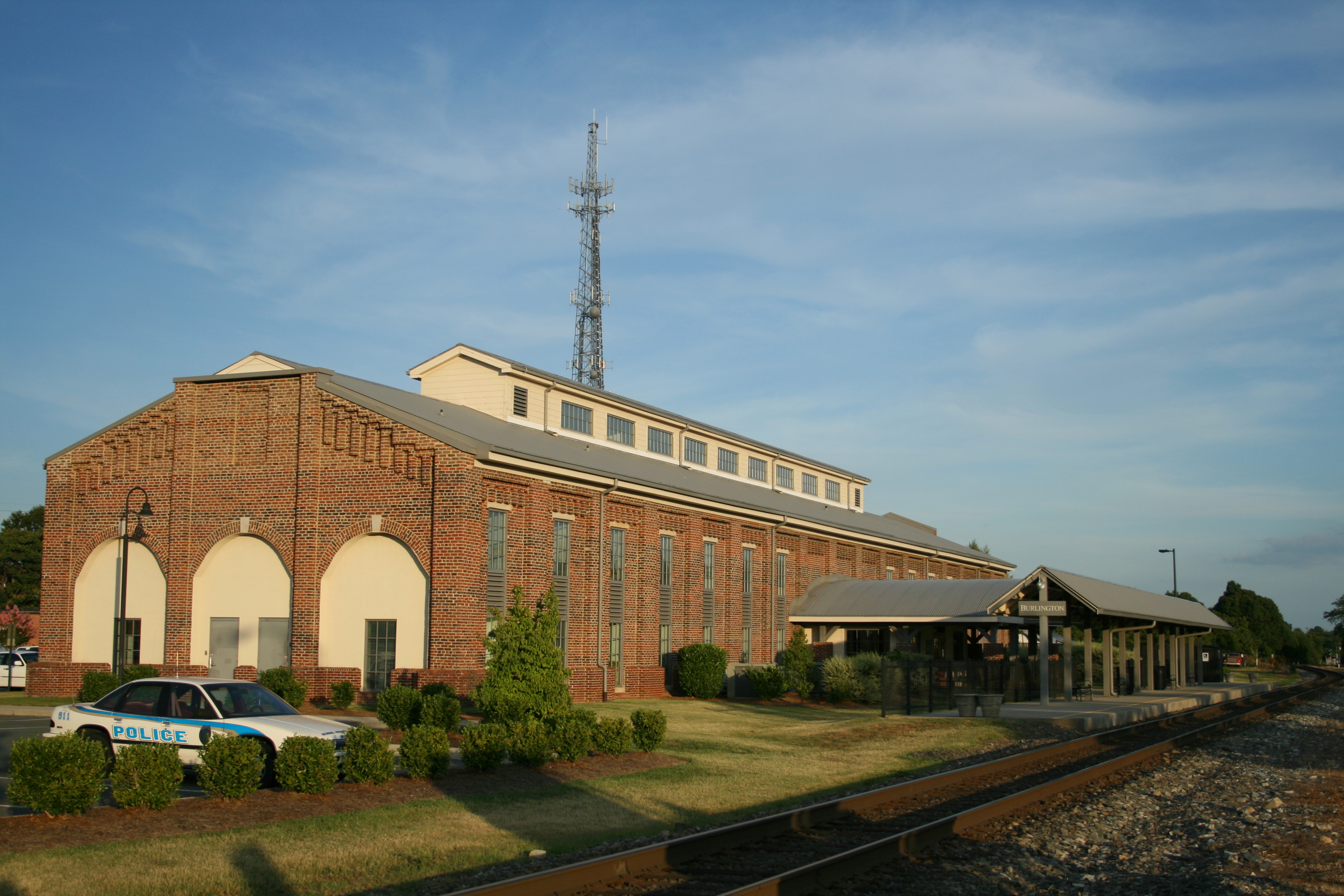
Burlington sits in the north-central Piedmont region of North Carolina, serving as the largest city in Alamance County. With a population of roughly 57,000, it carries a friendly, mid-size Southern character — historic mill-town roots softened by a growing downtown and a steady retail economy. The city is best known regionally for its outlet shopping, the Haw River running through its heart, and its convenient position between two of the state's major metro areas. Burlington lies approximately 20 miles east of Greensboro and roughly 50 miles west of Durham, placing it squarely within an easy drive of both the Triad and the Research Triangle.
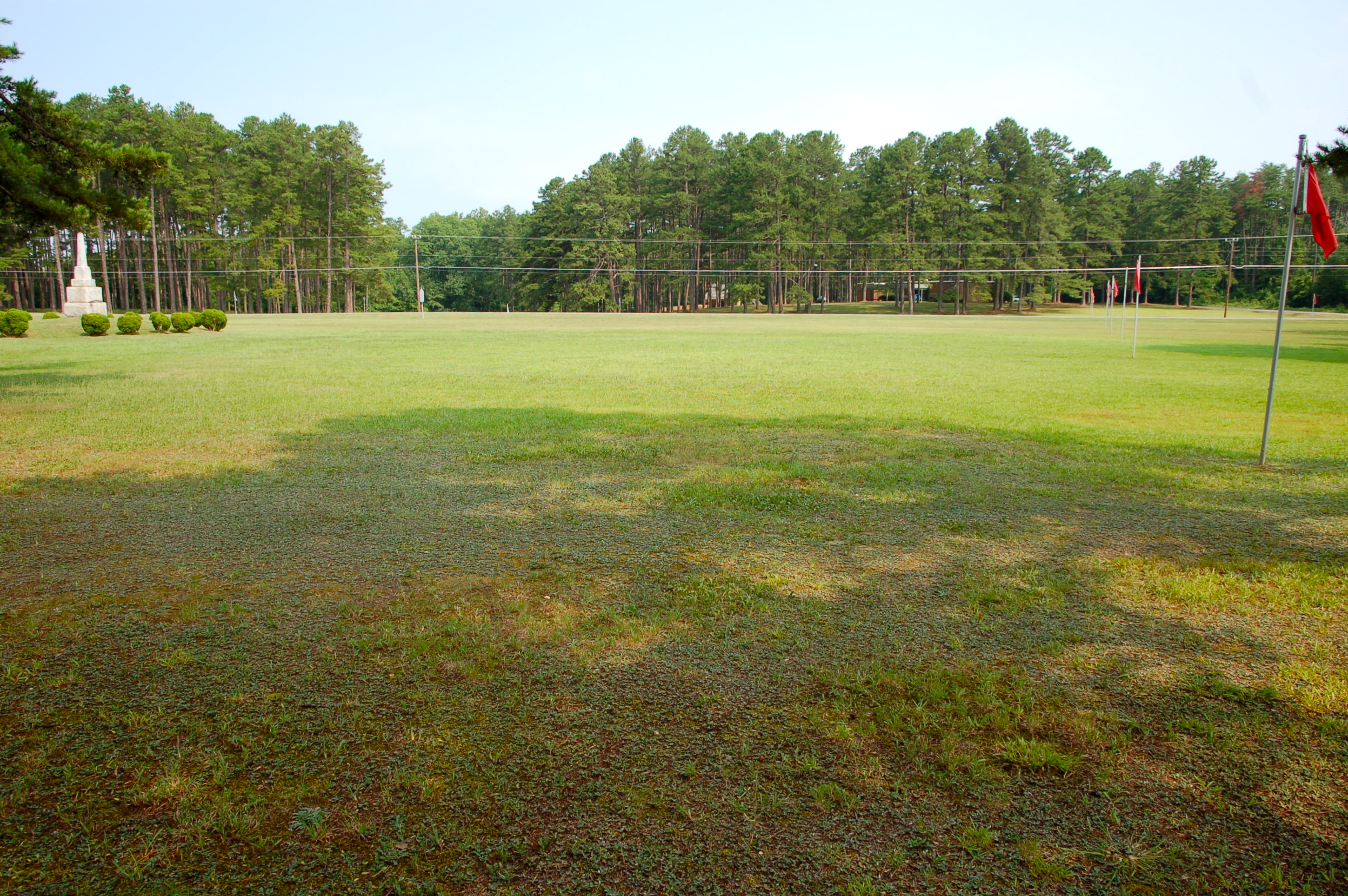
A short drive south of the city leads to the Alamance Battleground State Historic Site, the preserved site of the 1771 Battle of Alamance, a defining prelude to the American Revolution. Visitors can tour a reconstructed colonial-era farmhouse, walk interpretive trails, and learn about the Regulators who clashed with the royal governor's militia on these fields. From downtown Burlington, the site is roughly a 15-minute drive, making it a popular half-day excursion for guests interested in early American history.
Just up the road in neighboring Graham, the [Paramount Theatre](en.wikipedia.org/wiki/Paramount_Theatre_(Graham,_North_Carolina) offers a different kind of draw. Built in 1931, this restored Art Deco landmark hosts a steady calendar of live music, comedy, and community productions, and its ornate interior remains one of the most photogenic venues in the region. Graham is about five minutes east of Burlington, and the theater's location on a walkable main street makes it easy to pair with a meal or a stroll through the adjacent downtown.
Outdoor travelers gravitate to the Haw River, which winds through Burlington and offers paddling, fishing, and the developing Haw River Trail corridor. Nearby Cedarock Park, the county's flagship recreational area, provides miles of wooded hiking and biking trails, a historic 19th-century farm site, picnic shelters, and a disc golf course. It lies just outside the city limits and is typically reachable within about 15 minutes from most Burlington neighborhoods, offering a quick nature escape without a long drive.
For travelers willing to venture a bit farther, the North Carolina Zoo in Asheboro sits roughly 75 miles to the south, and the rolling vineyards of the Haw River Valley and Yadkin Valley wine regions begin within an hour's drive. Greensboro's attractions — including the Greensboro Science Center, the International Civil Rights Center & Museum, and Lake Brandt — are equally accessible for day trips.
Burlington's appeal as a short-term-rental base comes from this layering of options. Visitors get a quieter, more affordable alternative to the busier Triad and Triangle hubs, while remaining close enough to reach major league sporting events, university campuses, and a long list of cultural and outdoor destinations within an easy day trip. The combination of historic character, riverfront recreation, and central Piedmont location gives the city broad appeal for couples, families, and traveling professionals alike.
Want to know if a property in Burlington is a good investment?
Enter an address to get instant revenue potential and comps.