
Havre, Montana
Want to see how Havre compares to other top cities in Montana? Explore all city regulations in Montana. →
Havre, MT
Generally Investor Friendly
STR Regulations for Havre, Montana
Overview: Are Short-Term Rentals Allowed in Havre, MT?
- Allowed? Yes, short‑term rentals are permitted in Havre, MT under Montana state law. The state does not ban short‑term rentals; rather, it regulates them through licensing and tax requirements.
- Local overlay? No city‑specific or Hill County–specific STR rules, permits, or fees were identified in the provided sources. If Havre or Hill County later adopts local rules (e.g., zoning limits, business licensing, inspections, caps), those would apply in addition to state requirements.
- Explicit caveats: Always verify zoning and HOA/covenant restrictions before purchase or listing. Covenants recorded after your purchase may be inapplicable under Montana’s “Senate Bill 200,” but proper recording and legal steps are required.
What do Airbnb hosts actually earn in Havre?
Havre hosts earn a median $10,270/year with $103 ADR and 60% occupancy.
Top performers pull in $18,986+ per year.
See the full Havre market breakdownHow to Start a Short-Term Rental Business in Havre, MT (Step-by-Step)
- Property feasibility and due diligence
- Confirm the property’s zoning allows short‑term rentals (residential vs. commercial districts; consult Hill County planning or the City of Havre).
- Review HOA/condo covenants and CC&Rs; confirm short‑term rentals are permitted. If covenants were adopted after you bought, Montana law may allow an exemption (seek legal counsel and record the proper county document).
- Consider access, parking, and neighborhood compatibility (noise, trash, guests).
- Obtain state health and safety approval
- Apply for the Public Accommodation License (PAL) from the Montana Department of Public Health and Human Services (DPHHS).
- Complete the state health/sanitary inspection as part of the PAL approval and maintain compliance annually.
- Set up state tax obligations
- Register for Montana lodging tax collection/reporting with the Montana Department of Revenue (DOR). For reservations 29 days or shorter, Airbnb typically collects and remits Montana lodging taxes on your behalf. Confirm your platform’s tax settings and DOR account.
- Prepare operations to pass inspections
- Ensure potable water, adequate wastewater, hygienic amenities (including laundry), and thorough cleaning/maintenance. Keep documentation for inspections and renewals.
- Maintain a guest register (name and contact information) for at least one year.
- Go to market and ongoing compliance
- List on platforms (Airbnb, Vrbo, etc.) once licensed and tax‑ready.
- Renew the PAL annually and keep tax filings current. Monitor for any new local rules in Havre or Hill County.
Required Documents, Permits, Licenses, and Guidelines
- Public Accommodation License (PAL)
- Issued by DPHHS; required for lodging providers, including STRs.
- Annual renewal with inspection component.
- Health/sanitation standards apply (water, wastewater, hygiene, cleaning, maintenance).
- Application form: Public Accommodation License Application (DPHHS).
- Rules: Public Accommodations rules and standards (DPHHS).
- Guest register
- Maintain guest name and contact information; keep records for at least one year.
- Montana lodging taxes
- Lodging Facility Use Tax: 4%.
- Lodging Sales Tax: 4%.
- Calculated on the full listing price including cleaning/guest fees for reservations 29 days or shorter.
- Airbnb typically collects and remits both taxes to the Montana DOR on behalf of hosts.
Specific Regulations (State of Montana) That Apply in Havre
- Licensing and inspections
- PAL is mandatory; inspections occur at approval and yearly thereafter.
- Requirements include potable water, wastewater disposal, hygienic amenities, cleaning, and maintenance standards.
- Guest records
- Guest register required with minimum one‑year retention.
- Taxes
- 4% Lodging Facility Use Tax + 4% Lodging Sales Tax apply to stays ≤29 days.
- Airbnb often remits these; confirm setup with DOR and your platform settings.
- Local overlays
- No city‑specific or county‑specific STR rules were identified for Havre or Hill County in the provided sources. Montana allows cities/counties to adopt additional STR rules; watch for local ordinances.
- HOAs/condos
- Private covenants may restrict STRs. Post‑purchase covenants may be avoidable under Montana law with proper steps and documentation; consult a local real estate attorney.
Local Authority Contacts (State-Level)
- Montana Department of Public Health and Human Services (DPHHS)
- Phone: Not provided in the sources.
- Website: DPHHS – Public Accommodation Licensing and rules.
- Notes: Handles PAL applications, inspections, and annual renewals.
- Montana Department of Revenue (DOR)
- Phone: Not provided in the sources.
- Website: Montana lodging taxes guidance (DOR).
- Notes: Responsible for lodging tax registration, reporting, and remittance oversight.
Links to Source Pages
- Airbnb Rules in Montana (state overview, PAL, taxes, inspection standards): www.hostaway.com/blog/airbnb-rules-in-montana/
- Public Accommodation License Application (DPHHS): dphhs.mt.gov/assets/publichealth/FCS/SanitarianResourcePage/FCSForms/PublicAccommodations/PALicenseAppPage1.pdf
- Public Accommodations Rules (DPHHS): dphhs.mt.gov/assets/publichealth/FCS/PublicAccomodations/PAWEBRULE.pdf
- Montana Lodging Taxes (DOR guidance): montana.servicenowservices.com/citizen/kb?id=kb_article_view&sysparm_article=KB0013531
- University of Montana study on local STR frameworks (why many Montana jurisdictions don’t adopt local rules): scholarworks.umt.edu/cgi/viewcontent.cgi?article=1419&context=itrr_pubs
- Montana Free Press story on Missoula STR registration (illustrative of local overlay trends; not Havre-specific): montanafreepress.org/2025/02/21/new-city-rules-increasing-short-term-rental-registration/
Practical Notes for Investors
- Start with the PAL; it’s the core operational license and inspection pathway for STRs in Montana.
- Confirm zoning with Hill County/City of Havre; a property may be technically “allowed” but still require a conditional use permit or be restricted by covenants.
- If your HOA or condo docs prohibit short‑term rentals, explore legal pathways under Montana law, including the potential inapplicability of post‑purchase covenants with appropriate recording.
- Tax setup is usually automated by platforms, but verify with DOR that your account, rates, and filing cadence are correct.
This guide reflects the Montana state‑level framework that currently applies in Havre and Hill County. Monitor local government channels for any future city or county actions that could add permits, fees, caps, or operating constraints.
Next step
Found a property in Havre?
Paste any address and get estimated revenue, cash-on-cash return, and comparable STR performance in under 5 minutes. 3 free analyses per day.
Free brief
Get the free Havre STR Investment Brief
Revenue data, top neighborhoods, seasonal trends, and the key regulations for Havre, Montana in one email.
Havre
Market Saturation Score
Photos of Havre

Overview of Havre
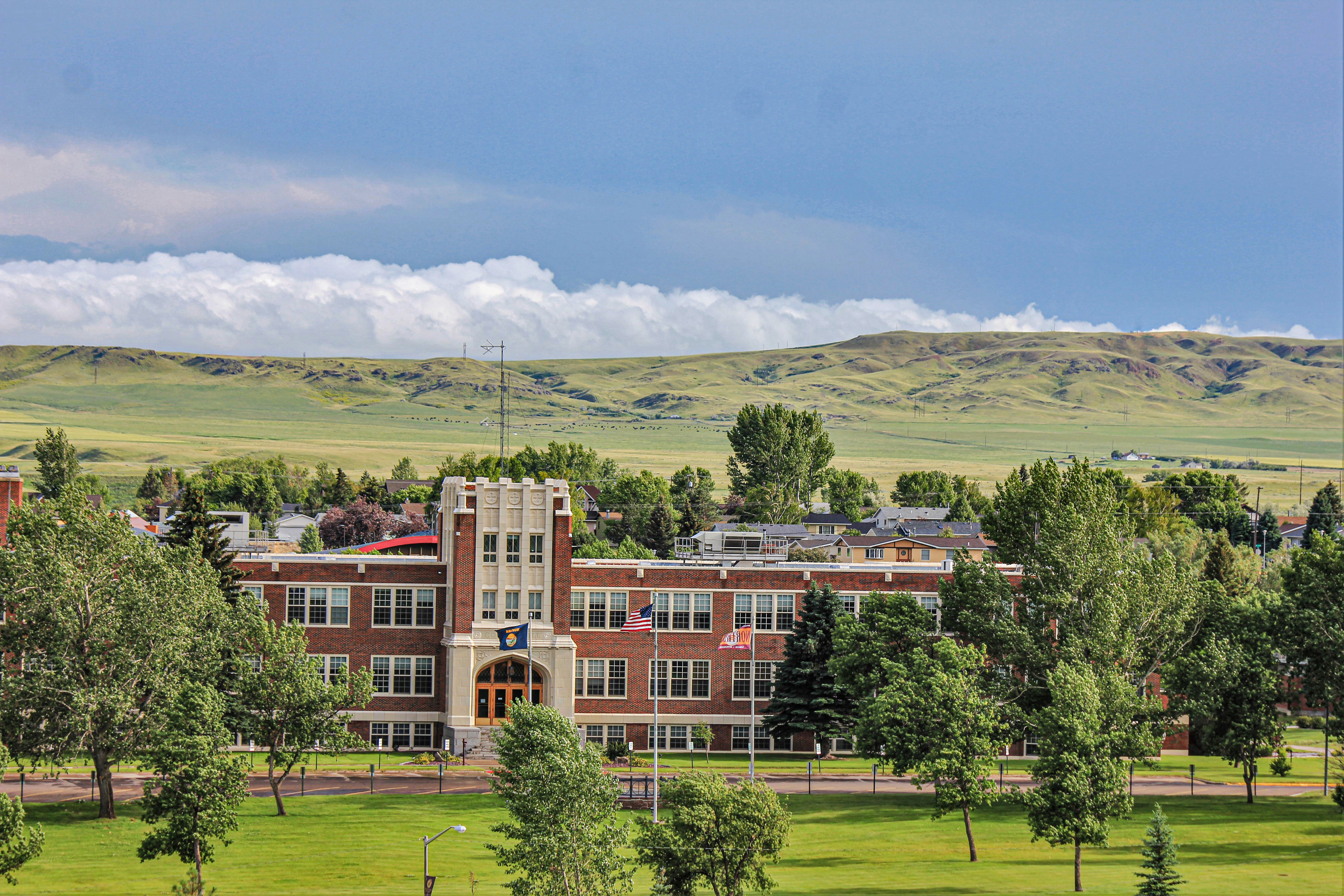
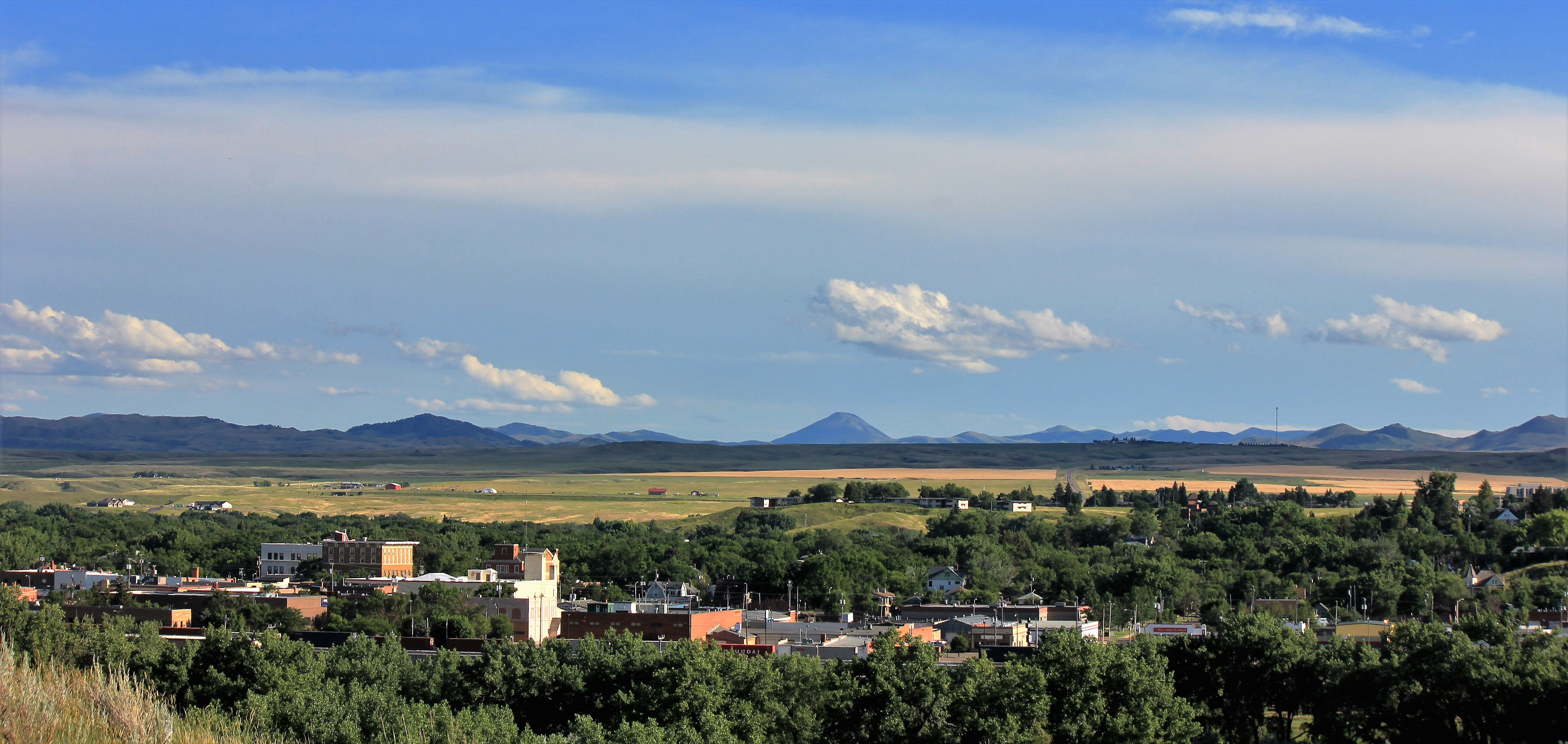
Havre sits in the north-central part of Montana as the seat of Hill County, with a population of roughly 9,800 residents. The town has the feel of a high-plains railway and agricultural hub, anchored historically by the Great Northern Railway and today serving the surrounding wheat and cattle country along with Montana State University–Northern. Havre is best known as a stop along US Highway 2 on Montana's Hi-Line, and as a gateway to the Bear Paw Mountains and the Bear Paw Battlefield to the south. The nearest sizable Montana city is Great Falls, approximately 115 miles to the southwest via US-87 and I-15.
Fort Assinniboine, about seven miles southwest of Havre, is one of the largest and best-preserved nineteenth-century military posts on the northern plains. Established in 1879 to protect the area's expanding railroads and frontier settlements, the site features a cluster of surviving sandstone buildings, barracks, and officers' quarters, several of which are open seasonally as a museum. Designated a National Historic Landmark, it offers a quiet, evocative look at army life on the late frontier.
To the south of Havre, the Bear Paw Battlefield preserves the rugged prairie where Chief Joseph and the Nez Perce were finally forced to surrender to U.S. forces in the fall of 1877, ending the long, four-state flight of the Nez Perce. The site, part of the Nez Perce National Historical Park, sits about 40 miles south of town and includes interpretive trails and a small visitor contact station. Travelers interested in Western and Native American history often pair a stop here with a drive through the surrounding grasslands of the Bear Paw Mountains.
West of Havre, Fresno Reservoir offers a popular escape for fishing, boating, and shoreline camping on the open plains. Created by Fresno Dam on the Milk River, the reservoir is roughly 15 miles west of town and draws visitors for walleye, northern pike, and smallmouth bass in season. Its broad, breezy shoreline and big-sky scenery make it a typical warm-weather complement to the region's historical sites, and the surrounding bluffs are popular with hunters in the fall.
Just south of town, Beaver Creek Park ranks among the largest county-managed parks in the United States, with rolling grasslands, creek-side picnic areas, and trails used for hiking and horseback riding. It provides a quick, low-key outdoor outing for visitors based in Havre, especially through the warmer months.
Havre's combination of small-town high-plains character, its university presence, and its proximity to both well-known historical sites and uncrowded outdoor recreation make it a natural base for short-term rental travelers exploring north-central Montana. Visitors passing through on Highway 2, retracing Nez Perce history, or simply looking for an off-the-beaten-path weekend surrounded by big-sky country will find Havre a practical and quietly rewarding place to stay.
Want to know if a property in Havre is a good investment?
Enter an address to get instant revenue potential and comps.