
Saint Cloud, Minnesota
Want to see how Saint Cloud compares to other top cities in Minnesota? Explore all city regulations in Minnesota. →
Saint Cloud, MN
Challenging To Investors
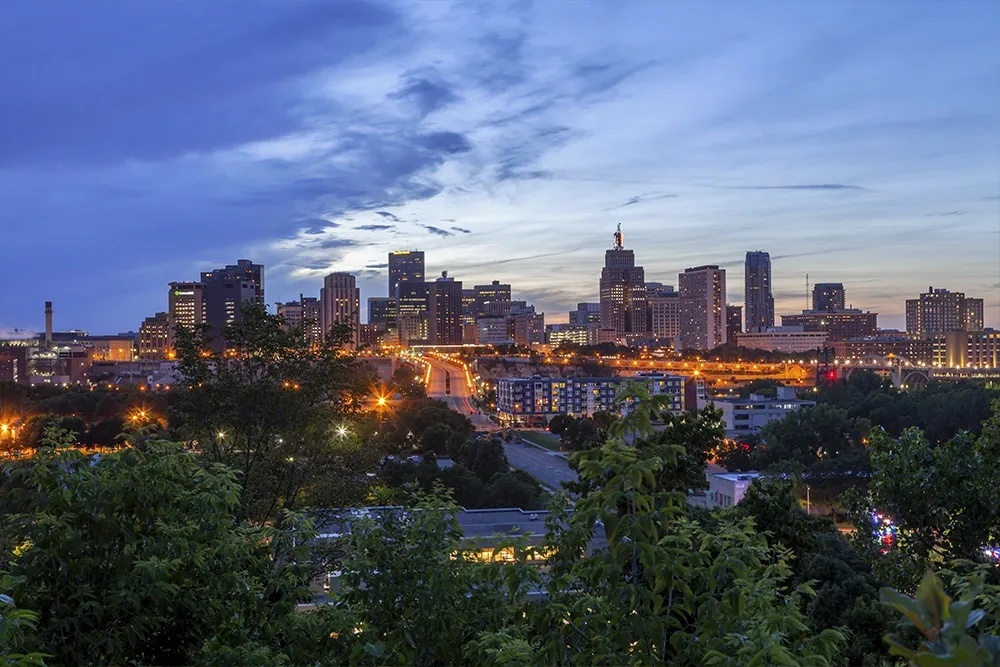
STR Regulations for Saint Cloud, Minnesota
Overview: Are short-term rentals allowed in St. Cloud, MN?
Short-term rentals (stays under 30 days) are not explicitly defined or licensed as a stand‑alone category in the City of St. Cloud’s publicly available materials. However, properties offering overnight lodging to transient guests for less than 30 days are treated as lodging businesses. A standard residential Rental Dwelling License is required for any non‑owner‑occupied unit offered for rent (which can include short‑term stays), and lodging operations are subject to city housing and safety standards.
In addition, Bed & Breakfast (B&B) facilities are expressly permitted as a lodging use subject to zoning‑use standards, including a maximum 14‑day stay per guest and room‑count limits. An owner’s residence is not permitted to be used as a short‑term rental, and Accessory Dwelling Units (ADUs) cannot be used as short‑term rentals (less than 30 days).
Bottom line for investors:
- Renting entire non‑owner‑occupied homes for short stays: you can operate, but you must obtain a Rental Dwelling License (non‑owner‑occupied) and meet all housing/safety standards. There is no separate city‑issued “short‑term rental” permit identified in the public sources.
- Bed & Breakfast: explicitly allowed with specific zoning use standards (14‑day max stay per guest, guest register, room limits, separation requirements, landscaping, and no in‑room cooking).
- Owner’s residence: cannot be used as a short‑term rental; B&Bs are allowed only if they meet the zoning standards and are separate from the operator’s living quarters (no primary dwelling unit within the B&B building).
- Accessory Dwelling Units (ADUs): prohibited from use as short‑term rentals (less than 30 days).
What do Airbnb hosts actually earn in Saint Cloud?
Saint Cloud hosts earn a median $26,668/year with $135 ADR and 72% occupancy.
Top performers pull in $38,600+ per year.
See the full Saint Cloud market breakdownHow to start a short-term rental business in St. Cloud
- Confirm zoning eligibility:
- If you will operate a Bed & Breakfast, verify the property’s zoning district allows B&B use. Distinguish B&Bs from short‑term rentals of a principal dwelling; B&Bs are the primary, explicitly regulated lodging form in St. Cloud’s Land Development Code.
- If you will offer non‑owner‑occupied short‑term stays of an entire home, obtain a Rental Dwelling License and prepare to meet safety and housing standards.
- Obtain the required license(s):
- Rental Dwelling License (for any non‑owner‑occupied rental unit). The City’s applications webpage includes license requirements, fees, and forms.
- If operating a B&B, ensure compliance with zoning use standards for B&Bs (room counts, 14‑day guest limits, registration, etc.).
- Complete mandatory rental property training:
- All rental license applicants or their designees must complete one of the following:
- St. Cloud Rental Property Training (free half‑day program offered by the Police Department), or
- Phase 1 of the Crime Free Multi‑Housing program (full‑day; schedules available statewide).
- All rental license applicants or their designees must complete one of the following:
- Property preparation:
- Ensure all safety systems and habitability standards are in place (smoke detectors, electrical safety, heating and plumbing integrity, bedroom emergency egress windows).
- For B&Bs: implement the guest register, landscaping (minimum 25% lot area), and ensure no cooking facilities in sleeping rooms.
- Collect and remit lodging taxes:
- B&Bs are subject to hotel/motel tax. Consult the applicable jurisdiction for current rates and filing procedures.
- Ongoing compliance and record‑keeping:
- Maintain a guest register for B&B operations.
- Be prepared to respond to housing and safety inspections.
- Maintain compliance with local noise and nuisance rules; violations can result in license action.
Required documents, permits, licenses, and guidelines
- License:
- Rental Dwelling License (non‑owner‑occupied). Application, fees, and process are via the City’s applications webpage. Property owners must also comply with the Rental Dwelling Licensing Ordinance.
- Training:
- Completion certificate from either:
- St. Cloud Rental Property Training (Police Department), or
- Phase 1 of the Crime Free Multi‑Housing program.
- Completion certificate from either:
- Safety and habitability:
- Properly installed and maintained smoke detectors.
- Bedrooms with an emergency egress window (roughly 5 square feet of opening, varying with building age).
- Safe and adequate electrical system.
- Properly vented and functional heating system.
- Properly installed, leak‑free plumbing system.
- B&B compliance (if applicable):
- Guest register (name, permanent address, vehicle license number, dates of lodging).
- Minimum 25% of lot area must be landscaped.
- No in‑room cooking in sleeping rooms.
- Room and separation limits: 1,500 sq ft of land per B&B sleeping room; minimum 1,000 ft separation between B&Bs (except RR, R‑3, R‑3A districts which have no separation requirement).
- Room caps by zoning district: five or fewer sleeping rooms (R‑1 and R‑1A: three or fewer; R‑2: four or fewer).
- Maximum lodging duration: no guest may stay more than 14 days in any consecutive 30‑day period.
- Taxes:
- Hotel/motel tax applies to B&Bs; rates and filing procedures vary by jurisdiction and are not detailed in the provided materials.
Specific regulations for short-term rentals (city/county/state)
City of St. Cloud — Licensing and Safety
- Rental Dwelling License: Required for any non‑owner‑occupied rental unit; non‑owner‑occupied units must be licensed (short‑term or longer‑term). The city’s FAQs and applications webpage outline application procedures and fees.
- Licensing process: Owner completes required training, submits application and fee, and keeps the license current. Non‑owner‑occupied units require the standard rental license.
- Inspections and compliance: Housing & Code Enforcement investigates complaints and enforces habitability; receiving four violations within 12 months can trigger license suspension or revocation.
- Training requirement: All rental license applicants/designees must complete either St. Cloud Rental Property Training or Phase 1 of the Crime Free Multi‑Housing program.
- B&B definition and standards: St. Cloud’s Land Development Code treats B&Bs as a permitted lodging use with specific use standards (guest register, no in‑room cooking, landscaping, room/sleeping room limits, 1,000 ft separation except in certain residential districts, and a 14‑day maximum stay per guest).
- Owner’s residence and ADUs: The operator’s own residence cannot be used as a short‑term rental; an owner’s principal dwelling cannot be located within the principal building of a lodging house. Accessory Dwelling Units (ADUs) are explicitly prohibited from use as short‑term rentals (less than 30 days).
County — Stearns County (short-term rental information)
- Stearns County hosts a Short-Term Rental Information page and an Ordinance Review Process detailing public hearings and commissioner reviews (August–October 2022). While the county provides a portal for short-term rental information, local licensing is administered by the City of St. Cloud for properties within city limits.
State — Minnesota
- Statewide safety codes apply (smoke detectors, electrical, heating, plumbing). Municipal safety inspections and enforcement are common.
- Short‑term rentals must comply with Minnesota’s lodging and tax obligations. B&Bs are subject to hotel/motel tax.
- Municipal autonomy: Minnesota cities retain authority to adopt their own licensing, zoning, and safety requirements. Confirm that any property you plan to operate meets St. Cloud’s Land Development Code and rental licensing standards.
Contact information (local authority in charge of STRs and housing enforcement)
- Housing & Code Enforcement (City of St. Cloud)
- Phone: (320) 255‑7214
- Hours: Monday–Friday, 8:00 a.m. to 4:30 p.m.
- Address: St. Cloud City Hall, 1201 7th Street South, St. Cloud, MN 56301
- Website: City of St. Cloud (FAQs and Applications pages)
- Stearns County Environmental Services (short-term rental information)
- Website: Stearns County Short-Term Rental Information
- Ordinance Review Process page (public hearing materials and commissioner reviews)
Links to source pages (important)
- City of St. Cloud — Housing & Code Enforcement FAQs
- City of St. Cloud — Applications (Rental Dwelling License details)
- City of St. Cloud — Information for Owners of Rental Properties
- City of St. Cloud — St. Cloud Rental Property Training
- City of St. Cloud — Crime Free Multi‑Housing Training (Statewide)
- www.mncpa.net
- City of St. Cloud — Land Development Code (Use Standards) — Article 14
- Stearns County — Short-Term Rental Information
- Stearns County — Short-Term Rental Ordinance Review Process
- City of St. Cloud — Nuisance Complaint (noise and property issues)
- Minnesota State Attorney General — Landlord and Tenant Information
Key takeaways for investors
- The clearest path to a compliant lodging operation in St. Cloud is a B&B, which is specifically regulated in the Land Development Code (room limits, guest registration, 14‑day maximum stay, and separation requirements).
- Non‑owner‑occupied homes can be rented short‑term if a Rental Dwelling License is obtained and habitability standards are met; there is no city‑specific “short‑term rental” permit identified in public documents.
- Owner’s residences cannot be used as short‑term rentals; ADUs are prohibited from short‑term use.
- Secure the license, complete training, meet safety codes, maintain a guest register (B&B), and plan for lodging taxes.
Next step
Found a property in Saint Cloud?
Paste any address and get estimated revenue, cash-on-cash return, and comparable STR performance in under 5 minutes. 3 free analyses per day.
Free brief
Get the free Saint Cloud STR Investment Brief
Revenue data, top neighborhoods, seasonal trends, and the key regulations for Saint Cloud, Minnesota in one email.
Saint Cloud
Market Saturation Score
Photos of Saint Cloud

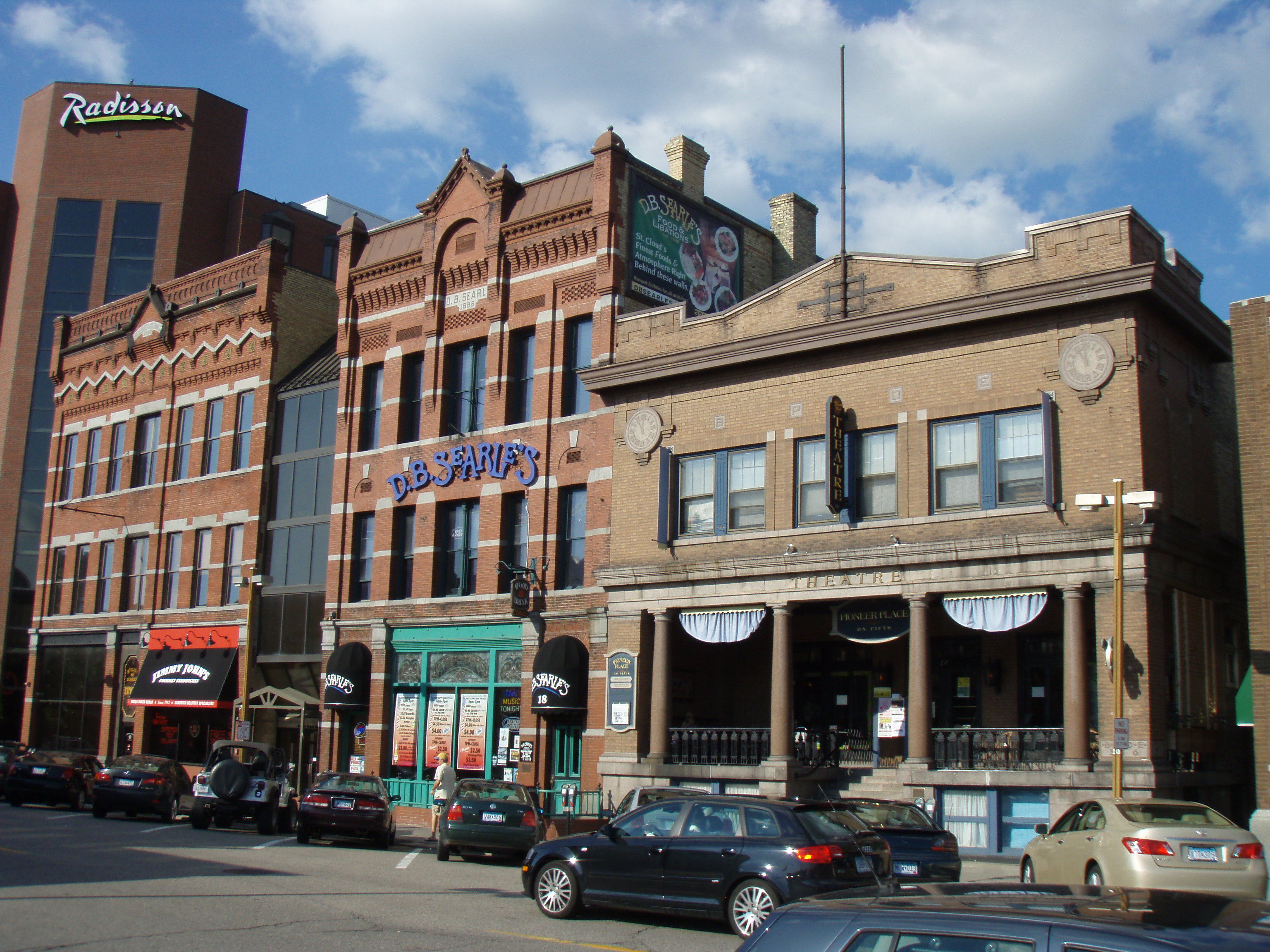
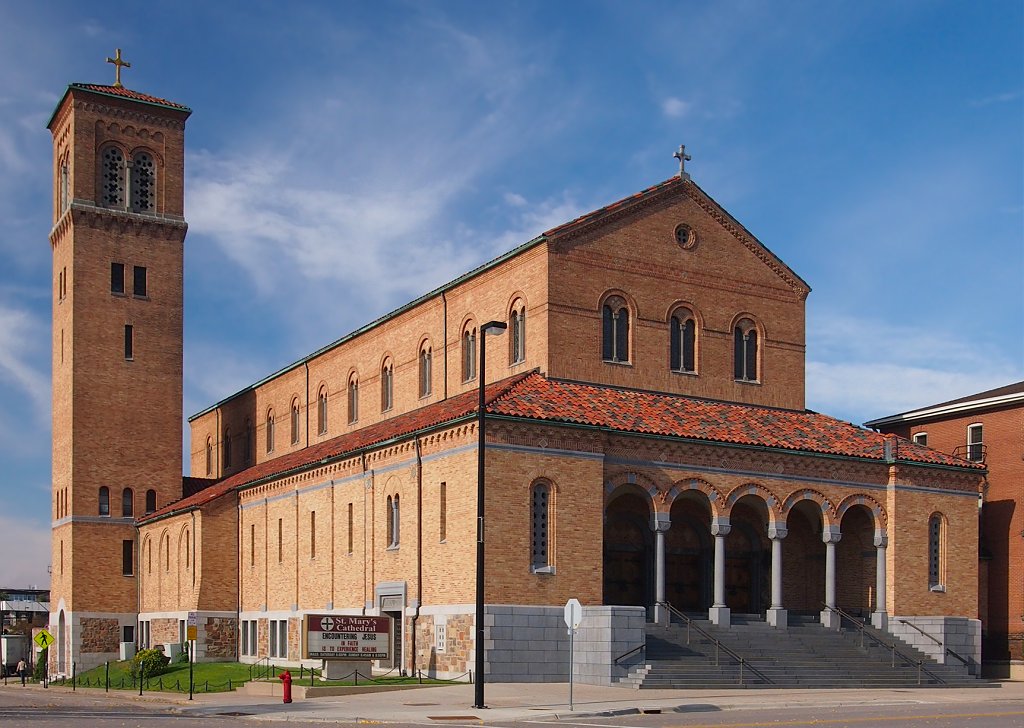
Overview of Saint Cloud
St. Cloud sits in central Minnesota, spanning Stearns County with small portions reaching into Benton and Sherburne counties, and is home to roughly 68,000 residents. Often described as the cultural and commercial hub of central Minnesota, the city carries a friendly Midwestern character with a historic downtown anchored by the Mississippi River. It serves as a popular gateway to the lake country of north-central Minnesota, the Brainerd Lakes region, and the granite-rich landscape of the upper Mississippi. St. Cloud lies approximately 70 miles northwest of the Minneapolis–Saint Paul metropolitan area, making it an easy drive for visitors exploring the Twin Cities' backyard or heading further north toward the woods and waters of the Boundary Waters.
Quarry Park and Nature Preserve is one of the area's most distinctive outdoor destinations, featuring old granite quarries that have filled with water to form clear swimming holes, surrounded by rock outcroppings and wooded trails. Located just a few miles west of downtown St. Cloud, the park offers hiking, swimming, scuba diving, and rock climbing in a setting that feels far removed from the city's urban edge and is a favorite of locals in the warmer months.
Along the Mississippi River in the heart of St. Cloud, the Munsinger and Clemens Gardens form a beloved pair of botanical spaces. Munsinger Gardens is known for its lush, shaded flower beds and curving paths along the river, while the adjoining Clemens Gardens features formal European-style landscaping. Together they offer a free, year-round display of horticultural variety within walking distance of downtown and the riverfront.
A short drive to the west, the campus of [St. John's University](en.wikipedia.org/wiki/St.John%27s_University(Minnesota) in Collegeville draws visitors for its striking modern abbey church designed by Marcel Breuer, its wooded setting, and the nearby river bluffs. Many travelers pair a campus visit with a stop in the small town of Cold Spring, which adds a bit of small-town Minnesota flavor to the trip.
Closer to home, the Beaver Islands Trail is a paved multi-use path that follows the Mississippi River for several miles through St. Cloud and surrounding natural areas. Popular with cyclists, runners, and walkers, it connects neighborhoods to riverfront parks and showcases the wild, braided character of the upper Mississippi just minutes from the city center.
St. Cloud's combination of a walkable downtown, riverfront parks, distinctive natural attractions like the quarry swimming holes, and proximity to both the Twin Cities and the resort country of central Minnesota gives it a versatile appeal for short-term rental guests. Travelers heading north to the lake region, families seeking outdoor recreation close to town, and visitors exploring central Minnesota all find the city a practical and welcoming base with a distinctly Minnesotan atmosphere.
Want to know if a property in Saint Cloud is a good investment?
Enter an address to get instant revenue potential and comps.