
Litchfield, Minnesota
Want to see how Litchfield compares to other top cities in Minnesota? Explore all city regulations in Minnesota. →
Litchfield, MN
Challenging To Investors
STR Regulations for Litchfield, Minnesota
Overview: Are Short-Term Rentals Allowed in Litchfield, MN?
Short-term rentals are permitted in Litchfield, MN, but only within specific regulatory frameworks. The city does not explicitly use the term "short-term rental" in its zoning ordinance, instead regulating such activities under traditional hospitality categories including hotels, motels, and bed and breakfast establishments. Based on the Litchfield Zoning Ordinance (Chapter 154), investors must navigate the existing regulatory structure that treats short-term rental properties as either:
- Hotels/Motels (for properties with more than 8 sleeping rooms)
- Bed and Breakfast Inns (for smaller operations)
- Home Occupations (for very limited, accessory uses)
The regulatory environment is established through conditional use permits and specific zoning district approvals, requiring investors to engage with the city's planning commission and zoning administrator for proper authorization.
What do Airbnb hosts actually earn in Litchfield?
Litchfield hosts earn a median $21,057/year with $341 ADR and 40% occupancy.
Top performers pull in $34,293+ per year.
See the full Litchfield market breakdownHow to Start a Short-Term Rental Business in Litchfield
Step 1: Pre-Application Consultation
- Contact the Zoning Administrator before submitting any applications
- Schedule a pre-application meeting to discuss your specific property and intended use
- Determine whether your proposed STR falls under hotel/motel, bed and breakfast, or home occupation classifications
- Identify the appropriate zoning district requirements for your property
Step 2: Zoning Compliance Assessment
- Verify zoning district compatibility with your intended STR use
- Confirm that your property meets minimum dimensional requirements for the district
- Assess whether your location meets setback, parking, and density requirements
Step 3: Permit Applications
Depending on your classification, prepare the following applications:
For Hotels/Motels:
- Zoning Permit (Section 9.1)
- Building Permit (Section 9.2)
- Conditional Use Permit (Section 9.6)
- Site Plan Review (Section 9.4)
For Bed and Breakfast Inns:
- Conditional Use Permit (Section 9.6)
- Zoning Permit (Section 9.1)
- Building Permit if structural modifications needed
For Home Occupation STRs:
- Home Occupation Permit (Section 10.4)
- Zoning Permit if required
Step 4: Public Process
- Submit applications 30 days before Planning Commission meetings
- Prepare for public hearings and informational meetings
- Address community concerns and compatibility issues
Step 5: Final Approval and Licensing
- Obtain all required permits and approvals
- Complete any conditions attached to conditional use permits
- Coordinate with Building Inspector for final occupancy approvals
Required Documents, Permits, Licenses, and Guidelines
Core Permits and Applications
1. Zoning Permit (Section 9.1)
- Purpose: Indicates proposed development will meet zoning ordinance provisions
- Required for: All STR operations
- Application Process: Submit to Zoning Administrator with property details and use description
- Validity Period: As specified in permit conditions
- Fee: Per city fee schedule (contact city for current rates)
2. Building Permit (Section 9.2)
- Purpose: Required before any construction, alteration, or structural modifications
- Required for: New construction, renovations, changes to building systems
- Application: Minnesota Certified Building Official approval required
- Must include: Construction documents, site plans, compliance with Minnesota State Building Code
3. Conditional Use Permit (Section 9.6)
- Purpose: Required for hotels/motels and bed and breakfast operations
- Review Process: Planning Commission hearing with public notice
- Approval Criteria: Compatibility with comprehensive plan, neighborhood impacts, infrastructure capacity
- Conditions: City Council may attach reasonable conditions to address concerns
- Performance Standards: Must maintain compliance with permit conditions
4. Site Plan Review (Section 9.4)
- Required for: Commercial STR operations (hotels/motels)
- Submittal Requirements:
- Site layout with building placement
- Parking and access plans
- Landscaping and screening details
- Storm water management plans
- Utility connections and容量
Supporting Documentation
Property Documentation:
- Current property survey
- Site plan showing all structures and improvements
- Floor plans for all rental units
- Parking layout and calculations
- Landscaping and screening plans
Business Operations:
- Detailed description of STR operations
- Management plan and contact information
- Emergency procedures and safety protocols
- Noise control and mitigation measures
- Waste management and collection plans
Compliance Documentation:
- Proof of property ownership or lease agreements
- Insurance certificates
- Health department approvals (if required)
- Fire department approvals and safety measures
Specific Regulations: City, County, and State Level
City of Litchfield Zoning Regulations
Zoning District Compatibility (Section 12.0):
R-1 Single-Family Residence District:
- Hotels/motels: Not permitted
- Bed and breakfast: Not listed as permitted or conditional use
- Home occupation STRs: Potentially allowable if meeting home occupation standards
R-2 Residence District:
- Similar restrictions to R-1
- Limited STR potential under home occupation provisions
R-3 Multifamily Residence District:
- Hotels/motels: Not permitted
- Bed and breakfast: Not specifically addressed
- Higher density may support some STR operations
Business Districts (B-1, B-2, B-3, B-4):
- Hotels/motels: Listed as permitted or conditional uses in most business districts
- Bed and breakfast: Generally more permissive in business districts
- Conditional use permits: Required for commercial STR operations
Industrial Districts (I-1, I-2):
- Generally not suitable for STR operations
- Limited potential for certain commercial hospitality uses
Dimensional Requirements (Section 11.0)
- Lot area: Varies by district and STR type
- Setbacks: Must meet minimum requirements for the zoning district
- Building height: Compliance with district maximums
- Parking: Off-street parking requirements for guest accommodations
- Building coverage: Limitations based on district regulations
Bed and Breakfast Standards (Section 10.5)
- Limited guest accommodations compared to hotels/motels
- Owner-occupied requirement typically applies
- Meal service limitations and associated restrictions
- Parking and access requirements for guest facilities
Home Occupation Standards (Section 10.4)
- Accessory use limitations: Must be incidental to primary residential use
- Traffic and noise restrictions: Minimize impacts on residential character
- Structural limitations: No significant exterior alterations
- Duration limits: Some home occupations have time restrictions
State of Minnesota Regulations
Minnesota State Building Code:
- Compliance required for all structural modifications
- Safety standards for guest accommodations
- Accessibility requirements may apply for commercial operations
- Fire safety regulations for multiple occupancy buildings
Minnesota Health Department:
- Food service regulations for bed and breakfast operations providing meals
- Swimming pool and spa regulations if amenities provided
- Water and sewage requirements for commercial operations
Minnesota Department of Revenue:
- Lodging tax requirements for commercial STR operations
- Sales tax obligations for short-term rental income
- Business registration requirements for commercial operations
Meeker County Considerations
- County health regulations may apply for STR operations
- Solid waste management requirements and collection services
- Emergency services coordination and response capabilities
Contact Information for Local Authority
Primary Contacts
Zoning Administrator
- Location: City Hall, 126 North Marshall Avenue, Litchfield, MN 55355
- Phone: (320) 693-7200
- Email: Contact through City Hall main number
- Office Hours: Monday-Friday, 8:00 AM - 5:00 PM
- Responsibilities: Zoning permits, conditional use applications, ordinance interpretation
City Administrator
- Location: City Hall, 126 North Marshall Avenue, Litchfield, MN 55355
- Phone: (320) 693-7200
- Email: Contact through City Hall main number
- Appointed Position: Oversees Zoning Administrator and city operations
Planning Commission
- Location: City Hall, 126 North Marshall Avenue, Litchfield, MN 55355
- Meeting Schedule: Regular meetings as posted on city website
- Responsibilities: Reviews conditional use permits, variances, zoning amendments
Building Inspector/Building Official
- Phone: (320) 693-7200
- Minnesota Certified Building Official
- Responsibilities: Building permits, code compliance, occupancy certifications
City Council
- Location: City Hall, 126 North Marshall Avenue, Litchfield, MN 55355
- Meeting Schedule: Regular meetings as posted on city website
- Responsibilities: Final approval of conditional use permits, zoning decisions
Additional Resources
City of Litchfield Official Website
- URL: www.ci.litchfield.mn.us
- Contains: Meeting schedules, application forms, fee schedules, ordinance updates
Meeker County
- Website: www.co.meeker.mn.us
- Phone: (320) 693-2940
- Assessor's Office: Property information and tax records
Links to Source Pages
Primary Source Documents:
- Litchfield Zoning Ordinance (Chapter 154) - April 10, 2023
- Direct URL: www.ci.litchfield.mn.us/AgendaCenter/ViewFile/Agenda/_04102023-548?MOBILE=ON
- Content: Complete zoning ordinance including definitions, districts, permits, and regulations
- Key Sections for STR Investors: Definitions (7.7), Specific Use Standards (10.0), Zoning Districts (12.0)
Note: This guide is based on the April 10, 2023 version of the Litchfield Zoning Ordinance. Zoning regulations and municipal policies can change, and investors should verify current requirements with the Zoning Administrator before proceeding with any STR development plans.
Disclaimer: This analysis is for informational purposes only and does not constitute legal advice. Investors should consult with qualified professionals and the local authorities for specific guidance on their proposed STR operations.
Next step
Found a property in Litchfield?
Paste any address and get estimated revenue, cash-on-cash return, and comparable STR performance in under 5 minutes. 3 free analyses per day.
Free brief
Get the free Litchfield STR Investment Brief
Revenue data, top neighborhoods, seasonal trends, and the key regulations for Litchfield, Minnesota in one email.
Litchfield
Market Saturation Score
Photos of Litchfield
Overview of Litchfield
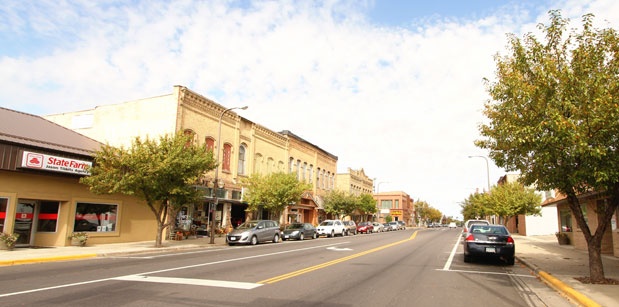
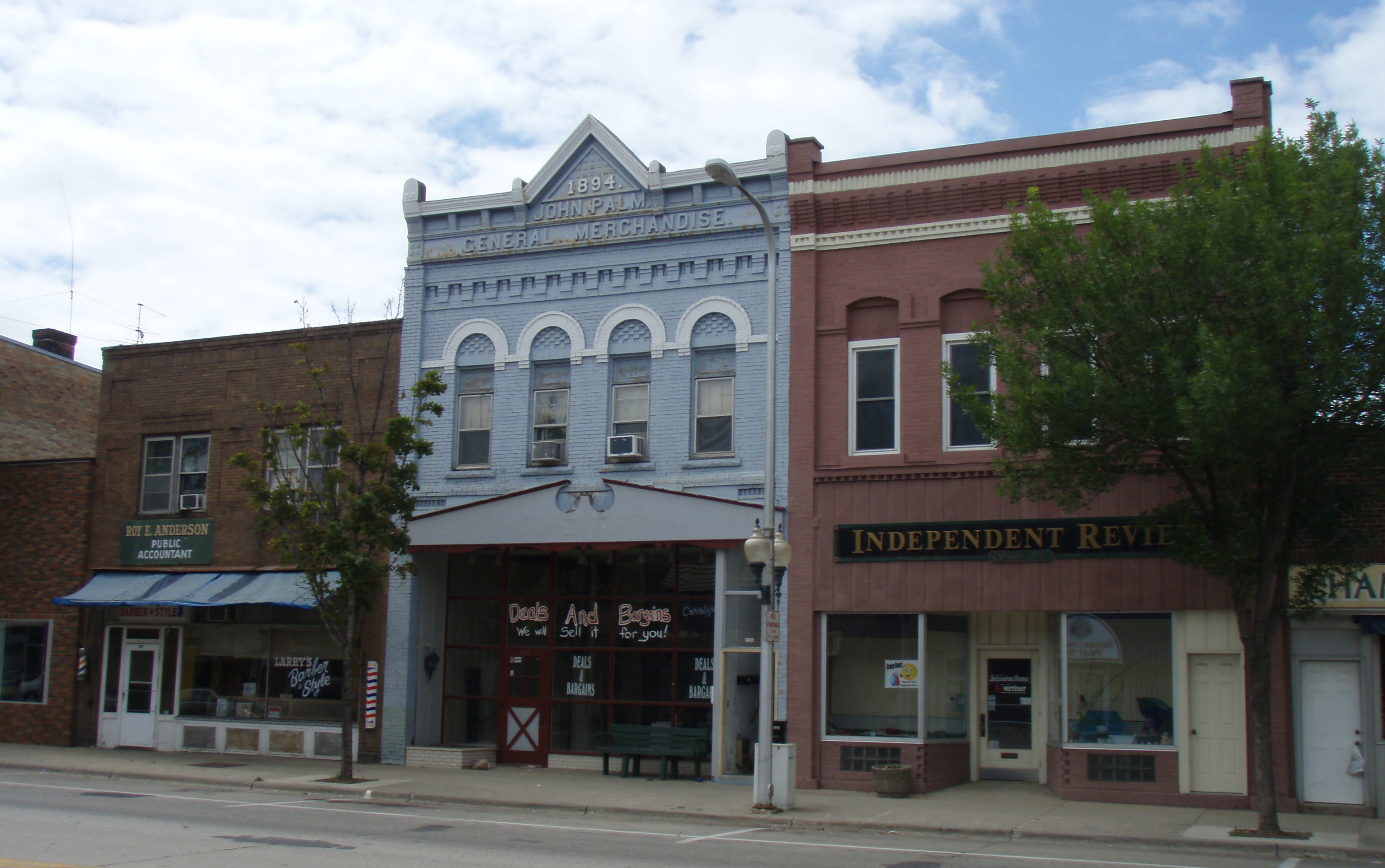
Litchfield sits in the heart of central Minnesota as the county seat of Meeker County, a small prairie town of roughly 6,700 residents that serves as a quiet crossroads for travelers exploring the lake country west of the Twin Cities. Straddling U.S. Highway 12, the community has a classic Midwestern main-street character, with locally owned shops, historic brick storefronts, and tree-lined residential streets. It lies approximately 70 miles west of Minneapolis–Saint Paul, putting it within easy day-trip range of the metro area while feeling a world apart in pace and atmosphere. Visitors are often drawn through Litchfield on their way to the region's many lakes, fishing spots, and historical sites, and the town itself offers a comfortable base for exploring Meeker County and the surrounding countryside.
Just a short walk from downtown, Lake Ripley anchors the community and gives the town its most visible gathering place. The sizable lake is encircled by a city park, walking paths, and a public beach, and it serves as the focal point for summer recreation in Litchfield, including swimming, fishing, and paddling. Its proximity to lodging and restaurants makes it a natural anchor for visitors considering a short-term stay, and during the colder months the frozen shoreline draws ice anglers and skaters from across the region.
About ten miles northwest of Litchfield, the Forest City Stockade preserves a tangible slice of frontier-era Minnesota history. The site, located just outside the village of Forest City, marks a former settlement of early pioneers during the U.S.–Dakota War of 1862 and today includes a reconstructed log stockade, interpretive trails, and a small museum. For guests interested in regional history, the short drive offers a meaningful detour that pairs naturally with a stay in Litchfield.
Within the town itself, the Litchfield Opera House stands as a longtime downtown landmark, a century-old venue that has hosted performances, dances, and community gatherings through several generations. The Meeker County Historical Society, also based in Litchfield, maintains exhibits on the area's agricultural roots and the immigrant communities that settled the surrounding farmland. Together with the broader lake region — including larger destinations like Lake Koronis a short drive to the north — these stops give visitors a blend of outdoor recreation and small-town heritage that is increasingly hard to find this close to the Twin Cities.
For short-term rental operators, Litchfield offers an appealing combination of small-town character, in-town amenities, and easy access to outdoor and historical attractions, all within a comfortable drive of the metro area. Guests who want to trade freeway traffic and crowded resort towns for a quieter, lake-centered base tend to settle in well here, and the steady flow of seasonal visitors passing through on their way to central Minnesota's lakes keeps demand consistent through the warmer months.
Want to know if a property in Litchfield is a good investment?
Enter an address to get instant revenue potential and comps.