
Big Lake, Minnesota
Want to see how Big Lake compares to other top cities in Minnesota? Explore all city regulations in Minnesota. →
Big Lake, MN
Challenging To Investors
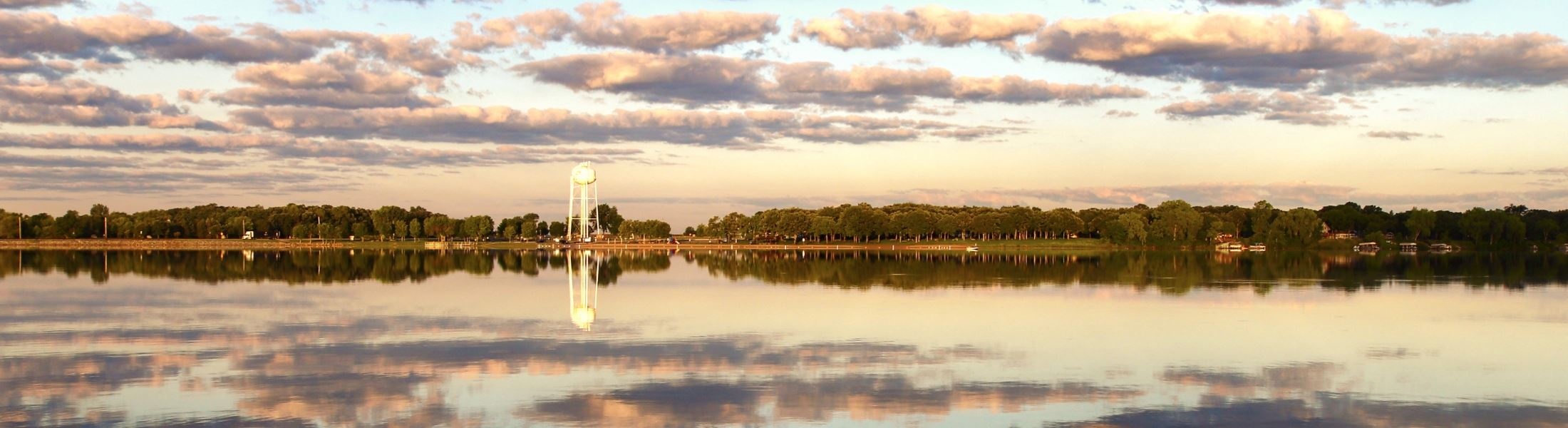
STR Regulations for Big Lake, Minnesota
Overview: Are Short-Term Rentals Allowed in Big Lake?
Big Lake does not explicitly prohibit short‑term rentals. The City’s public-facing rental licensing program is focused on traditional, long‑term rentals (single-family, duplex, and multi-family), requiring annual registration and periodic inspections. No separate short‑term rental (STR) permit program is posted on the city’s site. The safer interpretation is that STRs are allowed if you comply with applicable state tax obligations, county health requirements if you meet the “lodging” definition, zoning, building and fire safety, and nuisance/occupancy rules.
Importantly, Sherburne County (where Big Lake is located) does not publish a dedicated STR ordinance on its official site, and no city-specific STR rules are posted. As a result, investors should expect to rely on:
- Minnesota state-level tax and lodging rules,
- county health and sanitation requirements where applicable,
- local zoning and building code enforcement, and
- general nuisance, noise, and parking standards.
What do Airbnb hosts actually earn in Big Lake?
Big Lake hosts earn a median $32,798/year with $227 ADR and 57% occupancy.
Top performers pull in $42,493+ per year.
See the full Big Lake market breakdownHow to Start a Short-Term Rental Business in Big Lake
- Confirm zoning and land use. If you are within city limits, verify that transient rental use is allowed for your property type and zoning district. Contact Building/Planning for zoning confirmation.
- Register with the City for rental licensing if you meet the definition of a long-term rental. Even if you operate as an STR, properties rented for fewer than 30 days may still trigger city registration if the unit otherwise meets city licensing definitions.
- Enroll in state tax collection/remittance. Register with the Minnesota Department of Revenue (MNDOR) to collect and remit state sales tax and applicable lodging taxes for stays under 30 days. Many hosting platforms remit lodging taxes automatically; confirm your obligations if you accept direct bookings.
- Establish safety and sanitation standards. At a minimum, comply with smoke and carbon monoxide alarm requirements, egress, and general habitability standards under the Minnesota Residential Code. If your property is considered “lodging” (e.g., if you provide services typical of a hotel or B&B), obtain the appropriate Minnesota Department of Health (MDH) license before opening.
- Engage a local property manager. Even if you are remote, ensure you have a point of contact in the local area to handle guest issues, maintenance, and code enforcement interactions.
- Draft house rules and local ordinances addenda. Include quiet hours, occupancy caps tied to septic or dwelling capacity, parking rules, trash, and lake/recreational conduct.
Required Documents, Permits, Licenses, and Guidelines
City licensing (Big Lake)
- Rental Housing License for single- and two-family dwellings (annual registration).
- Application: Single & Two-Family Rental Registration Application (PDF).
- Purpose: Promote health, safety, and welfare; ensure compliance with City and State code.
- Multi-Family Rental Registration (if applicable; annual registration; inspections every two years).
- Application: Multi-Family Housing Registration Application (PDF).
- Building permits and inspections: As required by the Minnesota Residential Code and city building standards.
- Minnesota Residential Code: Reference the current adopted edition.
State-level obligations (Minnesota)
- State sales and lodging taxes: For stays under 30 days, hosts must collect and remit applicable state sales and lodging taxes unless handled by a hosting platform.
- Registration: Minnesota Department of Revenue.
- Filing cadence: Typically monthly or quarterly, based on volume.
- Health licensing (lodging classification):
- If your operation meets Minnesota’s definition of “lodging,” you may need a license from the Minnesota Department of Health before operating.
- Initial applications and guidance are handled via MDH; the initial-license application form (new constructions and establishments) is available through MDH.
- If you previously held an MDH lodging license, renewals are initiated by MDH each fall; contact MDH for renewals.
County considerations
- Sherburne County: No published STR-specific ordinance found on the county site. Confirm with county planning/zoning if any additional local rules apply to lodging, sanitation, or shoreland properties.
- Note on neighboring county example (for comparison only): Pine County requires a permit and publishes conditions (quiet hours, occupancy tied to septic capacity, parking prohibitions, etc.). Use this only as context when crafting your operating plan; Big Lake/Sherburne County rules may differ.
Specific Regulations: City, County, and State
City (Big Lake)
- Rental Licensing Program:
- Applies to single-family, duplex, and multi-family long-term rentals.
- Annual registration; inspections for multi-family are on a two-year cycle.
- The licensing purpose is to protect public health, safety, and welfare.
- Building code compliance: Minnesota Residential Code governs safety standards (alarms, egress, etc.).
County (Sherburne)
- No county-specific STR permit program is posted on the official site at time of review.
- Check with Sherburne County for any lodging, septic, shoreland, or zoning standards that might affect STRs.
State (Minnesota)
- Tax obligations:
- State sales tax: 6.875% generally applies to lodging under 30 days.
- Local lodging taxes: Additional county/city taxes may apply; verify with MNDOR.
- Lodging/health licensing:
- If you meet MDH’s lodging definition, you must obtain a license before operating.
- General code/safety obligations:
- Minnesota Residential Code requirements for smoke/CO alarms, egress, structural and fire safety.
- Occupancy/noise:
- While there are no statewide STR occupancy limits, local rules and nuisance ordinances still apply.
- Hosts must ensure guest conduct does not create disturbances.
Key Contacts and Where to Apply
City of Big Lake – City Hall
- 160 Lake Street North, Big Lake, MN 55309
- Phone: 763-263-2107
- Hours: Mon–Thu 7:30 a.m.–5:00 p.m.; Fri 7:30 a.m.–11:30 a.m.
City of Big Lake – Building Department
- Building Permits and Inspections; Rental Housing Licensing.
- Phone: 763-263-2107
- Minnesota Residential Code reference: See ICCSafe Minnesota Residential Code.
Minnesota Department of Revenue (MNDOR)
- Registration and remittance of sales and lodging taxes.
- Website: MNDOR official portal; File and Pay; Sales and Use Tax.
Minnesota Department of Health (MDH)
- Lodging licensing (if applicable).
- Initial license application (new): MDH lodging license process.
- Renewals: MDH initiates renewals each fall; contact MDH for status or updates.
Sherburne County (for county-level planning/zoning)
- General contact: Check county website for Planning & Zoning or Environmental Services.
- Note: No STR-specific ordinance posted at time of review; confirm local rules.
Notes for Investors
- Platform tax handling: If you list on Airbnb, Vrbo, or similar, confirm whether they remit Minnesota lodging taxes on your behalf; if not, you must register and remit via MNDOR.
- Insurance: Carry appropriate landlord/property and liability coverage; verify whether your policy covers transient rentals.
- HOA/condo bylaws: If the property is in a development with covenants, confirm whether short-term rental of fewer than 30 days is permitted.
- Enforcement: Expect compliance with Minnesota Residential Code safety standards, local nuisance ordinances, parking restrictions, and noise rules even if there is no separate STR permit.
Source Links
- City of Big Lake – Rental Housing Licensing: www.biglakemn.org/415/Rental-Housing-Licensing
- City of Big Lake – Multi-Family Rental Registration Application (PDF): www.biglakemn.org/DocumentCenter/View/2610/Application---Mulit-Family-Rental-Registration-Blank
- City of Big Lake – Single & Two-Family Rental Registration Application (PDF): www.biglakemn.org/DocumentCenter/View/5694/Single-and-Two-Family-Rental-Registration
- City of Big Lake – Building Permit Applications: www.biglakemn.org/152/Building-Permit-Applications
- Minnesota Residential Code (ICC): codes.iccsafe.org/content/MNRC2020
- RedAwning – Minnesota Short-Term Rental Laws (2025 Update): www.redawning.com/pm/post/minnesota-short-term-rental-laws
- Pine County – Short-Term Rentals (county example; not Sherburne County): www.pinecountymn.gov/departments/planning_and_zoning/short_term_rentals.php
- Minnesota Department of Health – Lodging License (initial application; new establishments): www.health.state.mn.us/communities/environment/food/docs/license/newconstrplanapp.pdf
Disclaimer: This guide reflects publicly posted materials at the time of review. City, county, and state requirements can change. Always verify with the City of Big Lake, Sherburne County, MNDOR, and MDH before listing or operating an STR.
Next step
Found a property in Big Lake?
Paste any address and get estimated revenue, cash-on-cash return, and comparable STR performance in under 5 minutes. 3 free analyses per day.
Free brief
Get the free Big Lake STR Investment Brief
Revenue data, top neighborhoods, seasonal trends, and the key regulations for Big Lake, Minnesota in one email.
Big Lake
Market Saturation Score
Photos of Big Lake


Overview of Big Lake
Big Lake is a small city in Sherburne County, Minnesota, situated along the Mississippi River in the central part of the state. The community has a population of roughly 11,000 residents and carries the relaxed, outdoorsy character typical of small river towns in this stretch of the Upper Midwest. It takes its name from the sizable lake that sits just off the Mississippi, and it functions as a quiet residential base and a jumping-off point for visitors exploring the river, the surrounding lakes, and the patchwork of state and federal lands nearby. Big Lake lies about 40 miles northwest of Minneapolis–Saint Paul, making it an easy drive for weekend travelers looking to trade the Twin Cities for a slower pace on the water.
One of the most accessible natural draws near Big Lake is Lake Maria State Park, a roughly 1,500-acre park located within Sherburne County. The park features hiking trails that wind through hardwood forest, quiet lakes for fishing and non-motorized boating, and a small campground, offering a calm alternative to the busier state parks further north. It sits only about 10 to 15 minutes southwest of Big Lake, making it an easy half-day outing for visitors who want a low-key nature experience without a long drive.
To the west and northwest of town, the Sherburne National Wildlife Refuge spreads across more than 30,000 acres of marshes, prairies, and oak savanna. The refuge is a major stopover for migrating waterfowl and a popular destination for birdwatchers, hunters, and paddlers during the warmer months, with a network of wildlife-drive loops and walking trails. From Big Lake, it is roughly a 20- to 30-minute drive, depending on which entrance visitors use.
The Mississippi River itself is a defining feature of the area, and the stretch that runs past Big Lake is popular with anglers, kayakers, and casual boaters. The river is bordered by a mix of public access points, small parks, and residential shoreline, giving visitors an easy way to spend an afternoon on the water without venturing far from town. Nearby Elk River, just to the southeast, adds a bit more dining and shopping options for guests who want a change of scene without driving all the way to the Twin Cities.
Big Lake makes a compelling base for short-term rentals because it combines a genuine small-town setting with immediate access to some of central Minnesota's most appealing natural areas. Visitors get the calm of a residential lakeside community, the Mississippi River at their doorstep, and a short drive to wildlife refuges, state parks, and the broader amenities of the Twin Cities. That balance of quiet, outdoor recreation, and regional connectivity gives the town a steady appeal for travelers who want nature without sacrificing convenience.
Want to know if a property in Big Lake is a good investment?
Enter an address to get instant revenue potential and comps.